- English
- French
- German
- Portuguese
- Spanish
- Russian
- Japanese
- Korean
- Arabic
- Greek
- German
- Turkish
- Italian
- Danish
- Romanian
- Indonesian
- Czech
- Afrikaans
- Swedish
- Polish
- Basque
- Catalan
- Esperanto
- Hindi
- Lao
- Albanian
- Amharic
- Armenian
- Azerbaijani
- Belarusian
- Bengali
- Bosnian
- Bulgarian
- Cebuano
- Chichewa
- Corsican
- Croatian
- Dutch
- Estonian
- Filipino
- Finnish
- Frisian
- Galician
- Georgian
- Gujarati
- Haitian
- Hausa
- Hawaiian
- Hebrew
- Hmong
- Hungarian
- Icelandic
- Igbo
- Javanese
- Kannada
- Kazakh
- Khmer
- Kurdish
- Kyrgyz
- Latin
- Latvian
- Lithuanian
- Luxembou..
- Macedonian
- Malagasy
- Malay
- Malayalam
- Maltese
- Maori
- Marathi
- Mongolian
- Burmese
- Nepali
- Norwegian
- Pashto
- Persian
- Punjabi
- Serbian
- Sesotho
- Sinhala
- Slovak
- Slovenian
- Somali
- Samoan
- Scots Gaelic
- Shona
- Sindhi
- Sundanese
- Swahili
- Tajik
- Tamil
- Telugu
- Thai
- Ukrainian
- Urdu
- Uzbek
- Vietnamese
- Welsh
- Xhosa
- Yiddish
- Yoruba
- Zulu
Glass Jars for Beauty: DIY Beauty and Skincare Storage
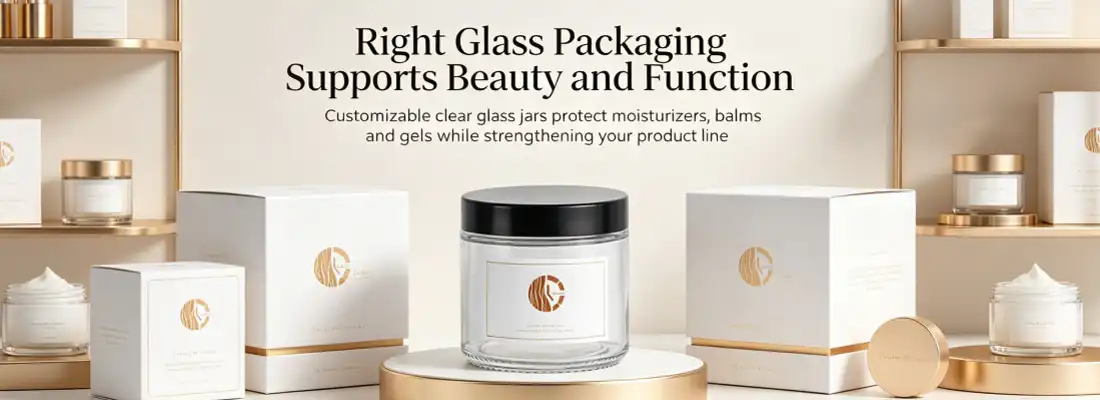
The way we organize and preserve our handcrafted cosmetics has been completely transformed by glass storage containers. For both professional skincare firms and people who wish to undertake their own skincare, the glass cream jar is an important tool. It preserves chemical stability and is visually appealing. These translucent containers showcase the intrinsic beauty of gels, balms, and creams while preventing combinations from being contaminated. Whether you're manufacturing customized face moisturizers or developing a line of branded items, finding the perfect glass packaging is vital. In this method, your works will continue to be useful and lovely for as long as practical. live and look good for as long as possible.
Understanding Glass Cream Jars for Beauty Storage
In the cosmetics sector, adequate storage boxes are vital for ensuring product freshness. Because glass containers retain skincare goods better than other materials, storing them in them has become the standard. Their smooth, non-porous surface prevents ingredients from deteriorating and keeps the original recipe's quality.
Types of Glass Materials and Their Benefits
High-quality glass boxes come in a variety of styles and are used for numerous applications. Because soda-lime glass is inexpensive and very clear, it is perfect for the majority of cosmetic uses. This material composition assures chemical inertness, so your active substances won't react with the container walls. Borosilicate glass provides great heat protection, despite being more common in laboratories than in commercial packaging. The material you choose affects both the product's lifetime and how customers see your brand. Expensive glass, for instance, signals to finicky buyers the better quality of your items.
Available Sizes and Capacity Options
Cosmetic glass boxes generally hold 5 ml samples to 100 ml full-size items. The 30ml container is suitable for intense treatments and eye creams, and it may be used regularly for roughly two months. However, 50ml jars work well for body balms and face moisturizers since they are affordable and portable. Smaller packaging also cut down on wastage, allowing customers to try different recipes before buying larger amounts. Make sure the capacity you chose matches the suggested usage frequency and usual application volumes for the product.
Lid and Sealing Technologies
Closers have a direct effect on how fresh a food is perceived by consumers. With precise threading, screw-top lids provide durable covers that keep air out. Cosmetic materials won't corrode when they come into touch with these seals' metal or food-grade plastic components. Airtight sealing techniques preserve product constancy by avoiding oxidation, which is essential for formulas that include vitamin C, retinol, or natural oils. The design of the closure also affects its mobility. Safe lids, for instance, prevent leaks during transit or delivery.
How to Choose the Best Glass Cream Jar for Your Brand
Selecting the ideal packaging needs evaluating a range of elements that affect the product's functioning as well as the company's standing. Your choice affects how customers see your items, how stable they are, and how competitive the market is overall.
Material Quality and Chemical Compatibility
Because of the glass structure, all chemical interactions with skin care products are assured to be completely stable. Glass offers a barrier that keeps toxins or product ingredients out, unlike plastic coverings. This function is especially beneficial for items that don't require preservatives, organic mixes, and essential oil blends. Customers receive the exact mix you designed as the material stops elements from moving. Furthermore, glass can be disinfected without deteriorating, which is essential for skincare products that need to meet stringent hygiene standards.
Evaluating Airtightness and Preservation Features
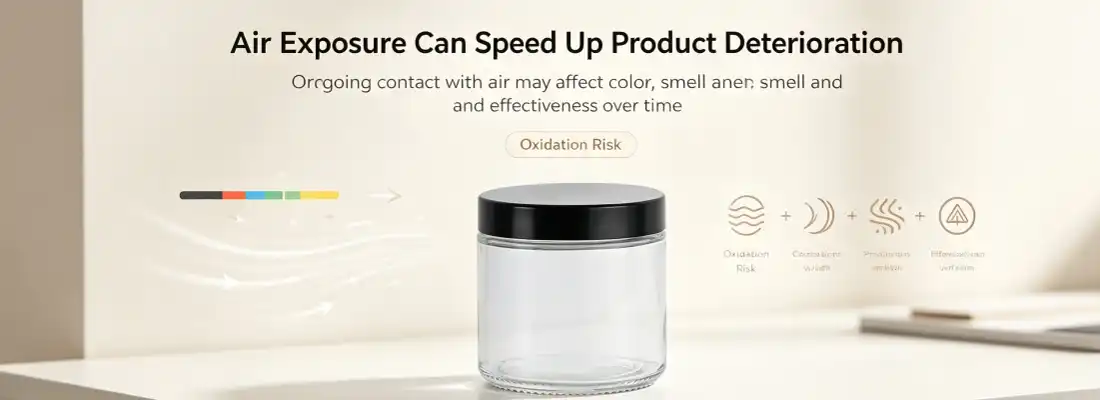
Products deteriorate more quickly when exposed to air, affecting their color, smell, and overall effectiveness. A high-quality glass cream jar with an attractive cover provides excellent weather protection. Look for closures using silicone or rubber gaskets to enhance sealing performance. The product's shelf life is naturally prolonged when these pieces are appropriately connected and softly compress to produce an airtight seal. Before placing bulk orders, it is essential to verify the sealing integrity of each glass cream jar in order to protect your investment and ensure consistent product quality and performance.
Comparing Glass with Alternative Packaging Materials
Despite being lightweight and portable, plastic packaging has environmental and chemical reaction problems. Acrylic is more durable than glass, although glass looks more expensive. People who desire to employ eco-friendly beauty products are attracted to glass packaging since it offers a feeling of elegance and environmental awareness. When you hold the material, its weight makes it look solid, which is a physical impression that boosts the perception of worth. Additionally, glass's 100% recyclable nature meshes with customers' rising demand for eco-friendly packaging.
Customization Capabilities for Brand Identity
In congested markets, distinctive packaging helps your items stand out. Metallic foils are used in surface decoration processes such as hot stamping to produce beautiful branding pieces. Screen printing creates images that are bright and durable, even after being handled and exposed to the elements. Inside engraving gives a touch of elegance by etching names or patterns into glass surfaces. Using bespoke tinting in hues other than the standard clear or amber ones, you may design your own brand marks. With these personalization choices, containers used for carrying goods may be turned into powerful marketing tools that help with brand memory.
Professionals in procurement may make better choices if they are aware of these selection criteria. The perfect container strikes a balance between cost, usefulness, and attractiveness while supporting your brand's positioning approach. Ask suppliers for samples that illustrate the quality of the materials and their flexibility before committing to significant purchases.
Best Practices for Using and Maintaining Glass Cream Jars
When you handle things well, you get the best and most satisfied clientele. Establishing regular techniques for filling, cleaning, and storing your items helps secure your investment and give consistent results.
Filling and Sealing Techniques
Before filling, make sure the area is clean to avoid it getting dirty. Before handling containers, wipe all surfaces and tools with alcohol solutions. When filling jars, be sure to leave enough headspace (usually 3–5 mm below the rim) so that the product may expand and the lid can close correctly. Clean the sides of the jars completely before putting the lids on them since any product residue might compromise the seal. Apply the same amount of pressure to the caps to guarantee that each manufacturing batch shuts in the same way. This systematic methodology maintains high levels of cleanliness while reducing waste from incorrectly wrapped items.
Cleaning and Sterilization Methods
Containers that are properly cleaned have a longer usable life and improve product safety. Warm water and light soap may be used to clean a glass cream jar, and delicate brushes can be used to reach the inside corners without damaging the surface. Rinse well to remove any soap residue that can contaminate later batches of the product. Common sterilization methods include boiling for ten minutes, heating in an oven at 120°C for twenty minutes, or using food-grade sanitizing solutions. Before adding extra, let the container completely dry to prevent contamination from residual moisture. When creating cosmetics formulations without preservatives or recycling glass cream jars, these processes are very important for guaranteeing product quality and consumer safety.
Troubleshooting Common Challenges
Glass container handling may be problematic at times and needs smart solutions. Most chips and fractures are caused by being hit during storage or transit. Use the proper cushioning materials and don't stack them higher than is advised to prevent harm. Most of the time, oxidation problems are caused by insufficient closure rather than problems with the container itself. Examine how the lid is applied, and think about moving to caps with improved closing mechanisms. Rather than a packaging problem, product separation or discoloration often points to an unstable formula. However, if the product is properly maintained in cold, dark places, it may remain consistent.
Market Trends and Procurement Insights for Glass Cream Jars
As customer tastes shift toward sustainability and premium positioning, the way the industry functions affects how products are packaged. Purchasing experts may predict market needs and increase the effectiveness of their sourcing methods by comprehending these tendencies.
Sustainability Driving Packaging Choices
People of all ages are influenced by environmental conscience while making purchases. Glass packaging appeals to ecologically aware consumers because it can be recycled repeatedly without losing any of its quality. Glass's environmental friendliness will be very beneficial to brands who promote natural or organic items. This material selection promotes product security and exhibits respect for the environment. Due to the growing "clean beauty" trend, packaging materials that match the purity of the formulas are becoming more important. Glass is thus the best choice for businesses that value honesty and environmental responsibility.
Luxury Positioning Through Premium Materials
High-end skincare companies often use glass cream jars and other upscale glass packaging to bolster their premium image. Premium pricing is justified by the tactile sense provided by the material's weight and clarity. Customers often think that products in glass cream jars are superior to those in plastic containers in terms of value and quality. As a result, businesses are able to meet consumer demands for complexity and quality at higher price points. Event planners and hospitality buyers are increasingly choosing skincare products encased in elegant glass containers for welcome gifts and luxury amenities because they understand that excellent packaging has a big influence on guests' whole experience.
Global Sourcing and Manufacturing Hubs
When making strategic sourcing selections, processes, cost, and quality must be taken into account. China, especially Jiangsu Province, is now one of the most important places for the manufacture of cosmetic glass cases. Manufacturers in this area have established supply chains for raw materials that allow them to do a variety of functions, including design and packaging. European companies provide their items a premium look by stressing handcrafted skills and innovative decorative techniques. Fast reaction times and the benefits of doing business locally are highlighted by American manufacturers. You must assess a provider's production capacity, quality control, flexibility, and competence transporting items overseas in order to establish what they are capable of.
Emerging Innovations in Glass Packaging
More and more alternatives for glass packaging become available as technology improves. Airless pump systems that are intended to operate with glass bodies are now part of current closing technologies. This combines the benefits of the material with ease of pouring. Light-sensitive products could stay on store shelves longer if UV-protective coatings are put on clear glass instead of tinted glass. Adding NFC tags to smart package closures makes identification and customer interaction features possible. These creative ideas provide glass new ways to differentiate itself while preserving its basic benefits of protection and durability.
Buying teams may predict changes in customer preferences and market positioning by knowing how markets function. Suppliers who engage in innovation and sustainability receive strategic dividends as market needs alter.
How to Source and Procure Glass Cream Jars for Your Business
Effective procurement methods find a balance between supply chain dependability, cost, and quality. The business may lower risk and achieve its goals by carefully evaluating suppliers and sourcing platforms.
Comparing Custom Manufacturers and Wholesale Suppliers
Wholesale merchants keep basic designs on hand to speed up delivery and reduce minimum orders. This strategy will work well for companies looking to quickly restock their inventory or gauge consumer demand. Custom manufacturers provide full design and production services, producing unique packaging that sets companies apart. Because it provides both standard and entirely bespoke goods, Xuzhou Muzhishi Crafts Co., Ltd. is a great representation of an integrated manufacturer. Reputable manufacturers with twenty years of competence in the glass craft field deliver continuous quality while reacting to changing design needs. Depending on how much you need, how quickly you need it, and how you want to position your company, you may decide between wholesale and customized sourcing.
Utilizing Sourcing Channels Effectively
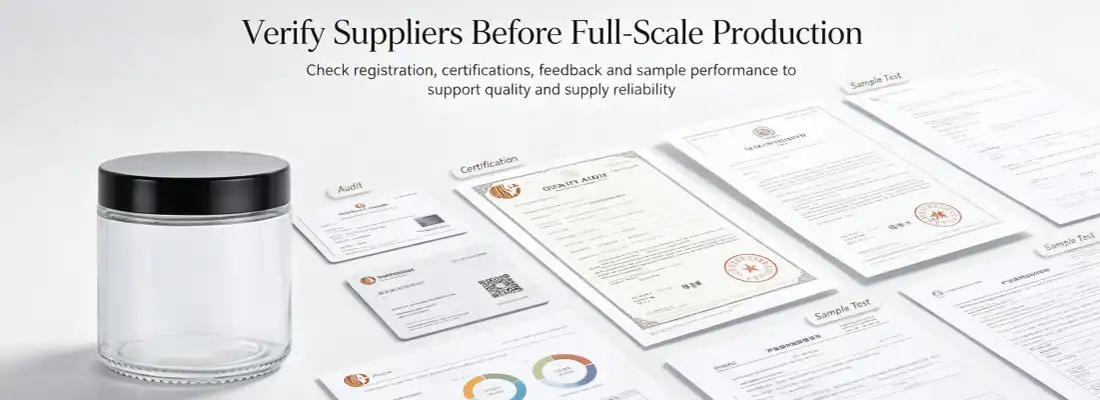
There are several methods to get in touch with glass cream jar manufacturers, each with unique benefits. Online B2B platforms allow consumers to evaluate several suppliers and interact with manufacturers throughout the globe. Attending industry trade shows is a great way to meet manufacturing representatives and look at product samples in person. Working directly with a manufacturer often results in better pricing and more customization options than purchasing via intermediaries. When evaluating potential suppliers, confirm business registration, get quality certifications, and review customer feedback. Reputable glass cream jar suppliers communicate freely, provide detailed technical specifications, and provide product samples for testing before full-scale manufacture to help businesses ensure both quality and long-term supply dependability.
Optimizing Cost Through Strategic Procurement
Customers may typically receive a better price when they commit to purchasing in bulk, but they must balance the cost savings against the expenditures of hanging onto the product. When manufacturers have established raw material supply channels, such as when they work with local glass sheet suppliers, they may pass savings on to their customers. When compared to wholesalers who look for deals, these partnerships may lower the cost of materials by ten to fifteen percent. When bargaining, you should talk about more than just the cost per unit. You should also talk about quality guarantees, shipping timelines, and conditions of payment. Long-term ties with suppliers often lead to better service and more predictable prices since manufacturers prefer reliable customers when they are short on capacity.
Managing Custom Orders and Specifications
For bespoke packaging projects to be successful, technical specifications and quality criteria must be communicated clearly. Sizes, glass thickness, closing methods, and decoration techniques should all be specified in requirements. Before manufacturing starts, samples from reputable manufacturers will be sent in three to five days for physical inspection. Account managers help the design, production, and transportation teams communicate and work together. This customized solution is especially helpful when managing intricate customization needs or synchronizing delivery schedules with product release dates. The right paperwork, such as firm invoices, packing lists, and certificates of origin, makes it simpler for overseas shipments to pass customs.
Building ties with suppliers that exhibit technical competence, production flexibility, and consistent delivery performance is helpful for procurement professionals. These partnerships promote business growth while maintaining stringent guidelines that protect the integrity of the brand.
Conclusion
To sum up, glass cream jars are among the greatest packaging solutions for protecting skincare and cosmetics while improving overall brand appeal. These containers combine outstanding chemical stability, eco-friendly materials, and a premium style, making them ideal for both professional cosmetic lines and do-it-yourself formulas. When selecting the right packaging, businesses should carefully examine material quality, sealing performance, customization options, and supplier reliability. As the beauty industry continues to embrace sustainability and premium positioning, glass cream jars are growing in popularity in the retail, spa, and private-label sectors. To assure long-term success, successful procurement strategies should find a balance between supply chain stability, cost efficiency, and product quality. By understanding these crucial elements and following proper handling and maintenance protocols, brands can create attractive, better product displays that meet the needs of today's quality-conscious consumers.
FAQ
1. What advantages do glass containers offer over plastic alternatives?
Glass is completely chemically neutral, so ingredients don't react with each other in ways that could change how well a product works. That it doesn't leak chemicals into recipes makes it perfect for natural and preservative-free goods. Glass also shows high quality and care for the earth, which helps with company positioning. People who care about the environment will like that it can be recycled, and the weight and brightness of it will make you feel good, which is why it costs more.
2. How can product sterility be ensured when using these containers?
Keep things clean by sterilising them properly before filling, which can be done by boiling, heating in an oven, or using chemicals to kill germs. Use clean filling methods in controlled settings and tools that have been sterilized. Choose containers with reliable ways to seal them so that they don't get dirty after they're full. Regular quality checks and storing products in the right way help keep their consistency over time.
3. What customization options are available for bulk orders?
For full customization, hot pressing is used for metallic branding, screen printing is used for colorful graphics, and etching on the inside adds a touch of class. You can change more than just the basic colors to make your own brand marks. The packaging option is finished off with custom labels, stickers, and display boxes. Manufacturers usually send samples within three to five days so that they can be checked out before the big production starts.
Partner with Muzhishi for Premium Glass Cream Jar Solutions
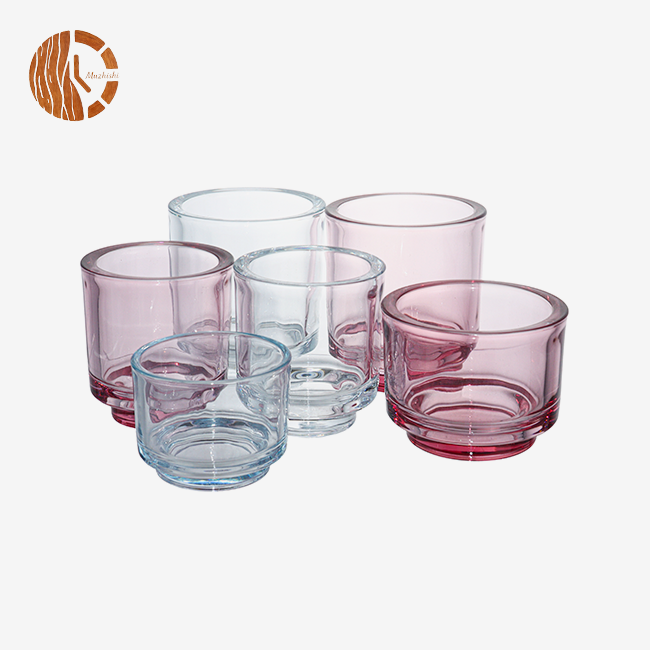
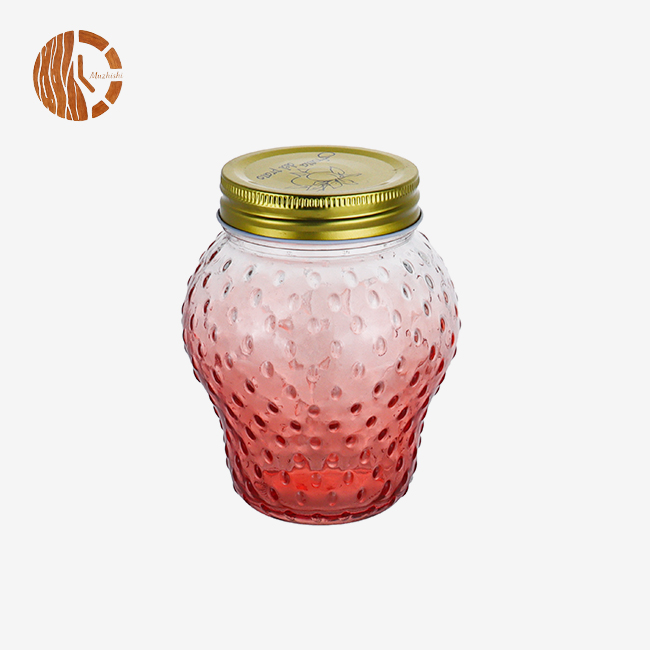
Xuzhou Muzhishi Crafts Co., Ltd. offers complete glass package options that are made to fit the needs of your brand. Our Clear glass cream jars With lids made of high-quality materials, they can be customized in a lot of ways. They come in 30 ml and 50 ml sizes and can be amber, clear, or a custom color. As a seller of glass cream jars with 20 years of experience, we offer ODM/OEM services from creation to delivery around the world. Our supply chain benefits help keep costs low while keeping high standards of quality throughout production. Dedicated account managers give personalized service and respond in less than 24 hours. Email us at long@muzhishi.com to talk about your packing needs and get samples for free. Visit mzsglass.com to see all of our products and learn how our skills as a glass cream jar maker can help your brand succeed.
References
1. Chen, L. & Morrison, K. (2022). "Sustainable Packaging in the Cosmetics Industry: Material Selection and Consumer Perception." Journal of Beauty Product Development, 18(3), 145-162.
2. Rodriguez, M. (2021). "Chemical Compatibility of Packaging Materials with Cosmetic Formulations." International Journal of Cosmetic Science, 43(2), 78-91.
3. Thompson, S. & White, J. (2023). "Premium Positioning Through Packaging Design: A Case Study in Skincare Brands." Luxury Marketing Quarterly, 12(1), 34-49.
4. United States Food and Drug Administration (2022). "Packaging Requirements for Cosmetic Products: Compliance Guidelines." FDA Cosmetic Handbook, 7th Edition.
5. Zhang, W., Li, H., & Kumar, R. (2023). "Global Supply Chain Dynamics in Cosmetic Packaging Manufacturing." International Trade and Procurement Review, 29(4), 201-218.
6. Environmental Packaging Association (2022). "Life Cycle Assessment of Glass Versus Plastic in Beauty Product Packaging." Sustainability in Packaging Report, Annual Edition, 112-134.

Our customers’ satisfaction speaks for our quality — contact us to experience the same reliable service.