- English
- French
- German
- Portuguese
- Spanish
- Russian
- Japanese
- Korean
- Arabic
- Greek
- German
- Turkish
- Italian
- Danish
- Romanian
- Indonesian
- Czech
- Afrikaans
- Swedish
- Polish
- Basque
- Catalan
- Esperanto
- Hindi
- Lao
- Albanian
- Amharic
- Armenian
- Azerbaijani
- Belarusian
- Bengali
- Bosnian
- Bulgarian
- Cebuano
- Chichewa
- Corsican
- Croatian
- Dutch
- Estonian
- Filipino
- Finnish
- Frisian
- Galician
- Georgian
- Gujarati
- Haitian
- Hausa
- Hawaiian
- Hebrew
- Hmong
- Hungarian
- Icelandic
- Igbo
- Javanese
- Kannada
- Kazakh
- Khmer
- Kurdish
- Kyrgyz
- Latin
- Latvian
- Lithuanian
- Luxembou..
- Macedonian
- Malagasy
- Malay
- Malayalam
- Maltese
- Maori
- Marathi
- Mongolian
- Burmese
- Nepali
- Norwegian
- Pashto
- Persian
- Punjabi
- Serbian
- Sesotho
- Sinhala
- Slovak
- Slovenian
- Somali
- Samoan
- Scots Gaelic
- Shona
- Sindhi
- Sundanese
- Swahili
- Tajik
- Tamil
- Telugu
- Thai
- Ukrainian
- Urdu
- Uzbek
- Vietnamese
- Welsh
- Xhosa
- Yiddish
- Yoruba
- Zulu
Glass vs. Plastic Cosmetic Jars: Which Packaging Solution Is Better?
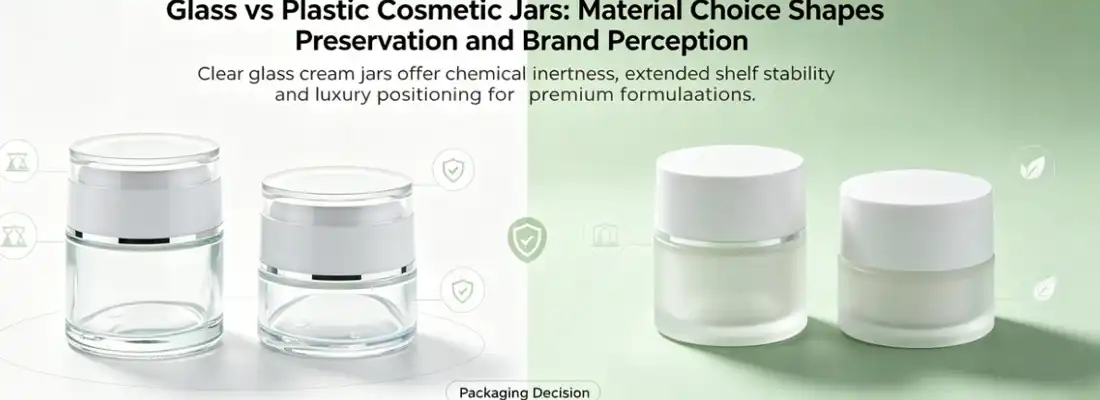
Selecting between glass and plastic cosmetic jars profoundly impacts product preservation, brand perception, and sustainability credentials. Clear Glass Cream Jars With Lids emerge as the superior choice for premium formulations requiring chemical inertness, extended shelf stability, and luxury positioning. While plastic alternatives offer cost efficiency and lightweight shipping advantages, glass containers deliver unmatched material integrity that protects sensitive active ingredients from degradation. This comprehensive analysis helps procurement professionals navigate critical packaging decisions aligned with market demands and corporate values.
Understanding Glass and Plastic Cosmetic Jars
Crystal-clear plastic and glass cases are the two main types of packaging used for makeup. For skin care, personal care, and beauty products, each one meets different practical needs.
Material Composition and Properties
Soda-lime or borosilicate glass is usually used to make makeup products. These materials are very resistant to chemicals and don't change much when heated or cooled. Soda-lime glass, which is used to make 90% of makeup jars, is stable and affordable. Because it is more resistant to heat shock, borosilicate glass can be used for things that need to be sterilized at high temperatures.
Most plastic jars are made of polypropylene (PP), polyethylene terephthalate (PET), or polystyrene (PS). These polymers come from petroleum and can be shaped and are resistant to impact. The flexibility of manufacturing lets complex shapes and built-in functional parts be made.
Standard Sizes and Closure Systems
Cosmetic jars sold in stores can hold anywhere from 5 ml for travel to 500 ml for bulk storage. Professional-grade packaging usually comes in 30ml and 50ml sizes, which are great for eye creams, concentrated serums, and other treatments. These options for capacity strike a balance between how long a product lasts and how people use it.
Screw caps with different lining technologies, snap-on lids, and pump feeders are all types of closure systems. High-end glass cases often have aluminum or high-quality plastic lids with silicone or induction-sealed seals. When these processes are closed, they keep air and water out, which are both very important for keeping the formulation stable.
Manufacturing and Customization Potential
Using molten metal to shape, heating processes, and precise finishing operations are all part of making glass jars. This method lets you do things like hot stamping, screen printing, and internal engraving on the surface. Amber and colored glass choices protect reactive substances from UV light.
Injection molding and blow molding are two methods used to make plastic containers. These methods make it possible for complex designs and short production cycles. Heat transfer, in-mold labelling, and direct pad printing are all ways to decorate the surface. Customization includes changing the wall thickness, the shape profiles, and the built-in application elements.
Advantages and Disadvantages of Glass vs. Plastic Jars
An objective analysis of both types of materials shows that they perform differently, which affects decisions about packaging strategy.
Benefits of Glass Cosmetic Containers
Glass cases are chemically inert, which means that the packing and the product formulation don't contact with each other at all. This quality is very important for keeping unstable active ingredients like retinoids, vitamin C derivatives, and peptide combinations steady. Testing has shown that glass keeps the formulation's pH stable over long periods of time.
The heavy weight and clear vision of glass express that the placement is of the highest quality. People think of luxury brands and effective formulas when they see glass packaging. In competitive markets, this way of thinking supports higher prices and stronger brand value.
Sustainability when it comes to the environment is another big plus for Clear Glass Cream Jars With Lids. Glass can be recycled over and over again without losing any of its quality. Adding post-consumer recycled content lowers the carbon footprint while keeping safety standards for food-grade products. To meet environmental goals, many business green programs make glass packaging a top priority.
Precision-engineered closures that shut tightly against air keep oxidation and pollution at bay. Glass containers regularly pass strict leak tests, which protects the integrity of the product during storage and distribution.
Limitations of Glass Packaging
Shipping operations and freight prices are affected by weight. Glass density makes it hard to ship items internationally and complete orders for online stores. Breakage during handling necessitates protective packing solutions that raise worries about how to use and get rid of the material.
Usually, production lead times are longer than for plastic alternatives. The freezing and shaping methods used to make glass use a lot of energy. The cost of the initial tooling for unique designs is higher than the cost of the plastic mold, which can affect budgets for new names or small production runs.
Plastic Jar Advantages
Plastic containers are very resistant to impact, so there are almost no worries about them breaking during shipping or customer handling. This advantage of durability cuts down on product loss and problems with customer service.
Logistics costs and carbon pollution are cut down by a lot when buildings are made of lightweight materials. All fulfillment channels become more efficient at distribution, but mass-market brands with large retail networks benefit the most.
Manufacturing freedom lets you make quick prototypes and changes to designs. Complex shapes, built-in hinges, and practical features that make the user experience better can all be made with plastic molding. For seasonal and trend-following goods, faster time-to-market processes are possible thanks to faster production speeds.
Plastic Packaging Drawbacks
Chemical compatibility issues make it hard to make new medicines. Oxygen, fragrant oils, and volatile chemical substances can pass through some types of plastic. This leakage speeds up the breakdown of the product and lowers the expected shelf life.
Plastic wrapping is becoming more and more linked in the minds of consumers with lower-quality products and environmental worries. People who care about the environment avoid plastic products on purpose, which could hurt the market's appeal. Recycling infrastructure varies a lot from region to region, which makes getting rid of old products difficult and goes against companies' social responsibility promises.
Aesthetic limits make it harder for brands to stand out. Glass naturally gives you a better tactile experience and clearer vision than plastic surfaces. Luxury market segments always want glass packaging to match their high brand positioning.
How to Choose the Best Packaging Solution for Your Cosmetic Product?
For strategic package selection, you need to carefully look at a number of decision factors that make sure the properties of the material match your company's goals.
Product Formulation Compatibility Assessment
Formulation science tells us what kind of packing we need. Chemically inert containers are needed for products with a lot of active ingredients, like acids, retinols, and antioxidants. Leaching and interaction are completely avoided with Clear Glass Cream Jars With Lids. Testing done by a separate lab shows that glass keeps its formulation stable for longer than the usual 36 months.
Oil-based formulas and products that contain essential oils face particular challenges with plastic containers. Problems with permeability cause ingredients to move around, change the thickness, and make the product less effective. Because it is a total barrier, glass takes away these worries.
Glass packaging is the best way to keep natural and preservative-free products from getting contaminated. The surface doesn't have pores, so germs can't grow on it. This makes it easier to sterilise completely between production runs.
Target Market and Brand Positioning Analysis
Luxury skin care brands that are aimed at people with a lot of money need glass packages to support their high prices. Market study shows that people connect glass with effectiveness, cleanliness, and trustworthiness of the brand. For packaging to be placed in high-end outlets, it needs to exude quality and class.
Plastic containers' low cost and ability to resist breaking may be important for mass-market goods that focus on ease of access and comfort. When a business is based on volume, shipping costs go down and handling standards get easier.
When e-commerce brands sell directly to customers, they have to think about a lot of different things. Glass packaging needs special ways to be shipped safely, but when you open it, the contents are fun and interesting, which leads to good reviews and activity on social media. Plastic options make fulfillment easier, but they may make things seem less valuable.
Budget and Volume Considerations
The amount bought has a big effect on the economics of each unit. When made in small enough numbers, glass containers can compete on price, especially when teamed up with other manufacturers who offer competitive supply chain benefits. Strategic relationships with suppliers help Xuzhou Muzhishi save 10 to 15 percent on the cost of raw materials. This saves money without lowering quality standards.
The prices of making the first model are still affordable for both materials. Professional sellers offer free samples within three to five business days, which lets you test how well the recipe works together before committing to full production runs.
Customization Requirements
To set one brand apart from others, packaging needs to be able to be customized. Glass containers can be decorated in many ways, such as by hot stamping, screen printing, or engraving the inside. These steps build the brand's identity right into the structure of the packaging, giving it a unique look on the shelf.
The 30ml and 50ml sizes are especially useful because they can hold a wide range of products, from intense eye treatments to face creams. Different types of amber glass protect photosensitive substances from UV light without the need for extra packaging.
Customizing the closure makes it work better and look better. With options like clear or custom-colored caps and different inner technologies, you can keep your products fresh longer and strengthen your brand's visual identity.
Procurement Strategies for Clear Glass Cream Jars with Lids
Quality assurance is improved by efficient buying methods, which also lower the total cost of ownership across packaging supply chains.
Supplier Selection and Qualification
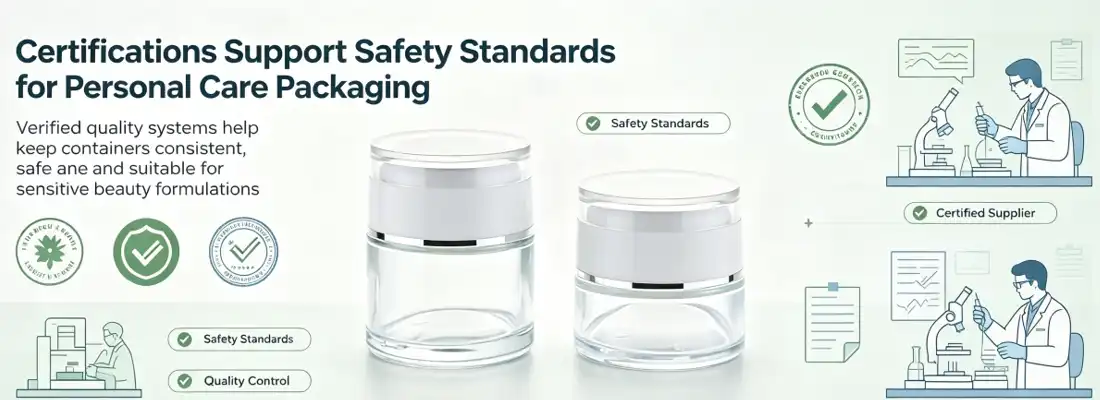
Finding makers with a track record of doing good beauty packaging for Clear Glass Cream Jars With Lids is the best way to make sure that regulations are followed and quality is maintained. Suppliers that have been around for a while keep certifications that cover safety standards that are important for personal care products. Two decades of production experience, like Xuzhou Muzhishi's handmade heritage, shows that the manufacturing process is mature and reliable.
Cost savings can be seen when the supply line is clear. When manufacturers keep direct ties with sellers of raw materials and component makers, they can get better prices without having to pay markups to middlemen. Being close to glass production hubs, especially the well-established glass industry clusters in Jiangsu province, makes logistics easier and cuts down on lead times.
Customization and Private Labeling Services
Standard containers can be turned into branded packing assets with full customization support. Qualified sellers offer full services that include design advice, making prototypes, decorating them, and putting them together at the end. Dedicated account management makes sure that specifications are followed and deadlines are met throughout the production cycle.
Sample provision procedures show that the seller is committed. Offering free samples in short amounts of time lets you check the suitability of the recipe and the quality of the product before committing to mass production. This way of reducing risk keeps you safe from expensive design mismatches.
Quality Assurance and Testing Protocols
Product integrity is protected by strict inspection procedures. Some important quality checks are checking the accuracy of the measurements, making sure the threads are all the same, checking the quality of the melting process, and making sure the seals are still intact. Polariscope testing is used by advanced suppliers to find internal stress points that make the structure less stable.
Material quality tests show that the glass mixtures meet the safety standards set by the FDA and other countries for heavy metals and other contaminants. Documentation that proves agreement with regulations makes it easier to clear borders and enter markets around the world.
Logistics and Order Management
Minimum order number rules weigh the costs of keeping goods against the benefits of lower prices per unit. Professional sellers offer flexible MOQ structures that can work with new brands and offer graduated price benefits to customers who commit to large volumes.
Glass products need to be handled in a certain way during transportation. Exporters with a lot of experience can help with all aspects of shipping, from designing protective packing to preparing customs paperwork and coordinating with carriers. Established import-export businesses make sure that rules are followed on all international shipping lanes.
How responsive after-sales support is shows how good the partnership is. Suppliers who keep their promises to respond within 24 hours show that their operations are mature and that they put customer service first, which is important for handling production questions and managing reorders.
Maintenance, Usage, and Sustainability of Glass Cosmetic Jars
When you handle things properly and care for the environment, you can get the most out of your packaging throughout its entire lifecycle.
Cleaning and Sterilization Procedures
Glass containers can be sterilized completely, which makes it safe to refill and reuse them. The recommended way to clean starts with rinsing with warm water to get rid of any leftover product. Mild cleaning solutions get rid of oil-based leftovers well without hurting the glass or the parts that hold it shut.
High-temperature dishwasher cycles, immersion in boiling water, or treatment with isopropyl alcohol are all ways to sterilize something. Glass can handle these processes without breaking down, so it can be used over and over again without losing its strength. Using the right drying methods keeps wetness from building up, which could affect later fills.
Reuse apps are in line with what people want when it comes to healthy spending habits. Brands that offer refill programs take advantage of the durability of glass packaging to keep customers and reduce their impact on the environment.
Environmental Impact and Recycling
Glass packaging is better for the environment because it can be recycled over and over again. Plastics lose their quality over time when they are recycled, but glass keeps its original quality no matter how many times it is recycled. Post-consumer recovered glass can be used to make new containers without any problems. This closes the material loop without using new resources.
A study of carbon footprints shows that reusing glass uses a lot less energy than making it from scratch. High return rates are possible in developed markets with well-established collection systems. This is especially true for cosmetic products that people think are valuable.
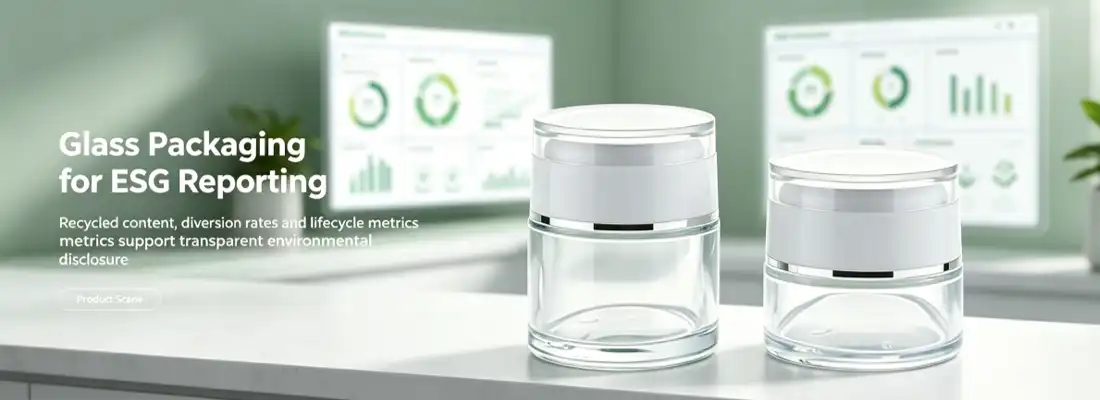
Adopting glass packing for Clear Glass Cream Jars With Lids is good for corporate environmental reporting. Environmental measures that can be measured, such as the percentage of recycled material, the rate of diversion, and lifecycle studies, help with ESG disclosure standards and communicating with stakeholders.
Supporting Circular Economy Initiatives
Brands that are on the cutting edge offer take-back programs to get people to return empty containers. Because glass packaging is long-lasting and easy to recycle, these circular models are both good for business and good for the environment because they get people involved.
Refill station ideas that are becoming more popular in stores need packing that is strong and easy to clean. These new ways of distributing goods are made possible by glass cases. They cut down on single-use packaging waste and help brands stand out.
More and more, regulations are favoring eco-friendly packaging materials. Adopting glass is a forward-looking approach that lowers compliance risks because of laws that are expected to deal with plastic waste and increase producer responsibility.
Conclusion
Strategic package choice strikes a balance between the need to protect the composition, the goal of placing the brand, and the promise of sustainability. Glass products are chemically inert, look great, and are good for the environment, all of which are important for makeup brands that care about quality. Plastic options are better in terms of cost and resistance to breakage, but glass packing is more valuable in the long run because it keeps products fresh longer and improves how customers see them. When procurement professionals work with experienced manufacturers, they can get access to customization options, more efficient supply chains, and quality control standards that make the most of their packaging investments. A full analysis of the properties of the materials, the way the market changes, and the product's entire lifetime makes sure that the package choices help the business grow and meet customers' changing needs.
FAQ
Which packaging material better protects sensitive cosmetic formulations?
Glass is the best way to protect formulations that have active ingredients that are easily oxidized or react with other chemicals. The totally neutral surface stops leaching and keeps the strength of the ingredients throughout the shelf life. Plastic cases might let air and chemicals move through, which could make the product less stable.
How do cost considerations differ between glass and plastic cosmetic jars?
When making small amounts, plastic jars usually have lower per-unit costs, but when making regular amounts, glass jars can compete on price. The high-end nature of glass packaging often justifies higher retail prices, which boosts overall profit margins. Due to differences in weight, transportation costs favor plastic over glass. However, source closeness and logistics optimization can lower shipping costs for glass.
Can glass cosmetic jars meet the standards for sustainability set by corporate responsibility programs?
Glass packaging is very helpful for sustainable efforts because it can be remade over and over again, has a lot of post-consumer recycled material, and follows the concepts of the circular economy. Many companies put glass at the top of their environmental strategies because it has measurable lifecycle benefits, and consumers like it when companies care about the environment.
Partner with Muzhishi for Premium Glass Packaging Solutions
Xuzhou Muzhishi Crafts Co., Ltd. has been making glass cosmetic boxes for twenty years and works with top names all over the world. Our Clear Glass Cream Jars With Lids combine superior material quality with extensive customization capabilities, supporting your brand differentiation objectives. As an established supplier with comprehensive OEM/ODM services, we deliver solutions spanning initial design through final delivery, backed by dedicated account management ensuring specification accuracy. Our supply chain advantages help keep material costs low while maintaining high quality standards that are proven by strict testing protocols. Contact our team at long@muzhishi.com to get free samples, talk about how you'd like to customize our products, or get full quotes for your future projects. We offer quick and helpful advice to help you deal with packing problems and be successful in markets that are very competitive.
References
1. Chen, M., & Roberts, K. (2022). Material Science in Cosmetic Packaging: Comparative Analysis of Glass and Plastic Performance Characteristics. International Journal of Packaging Technology, 15(3), 187-204.
2. Environmental Packaging Alliance. (2023). Lifecycle Assessment of Cosmetic Container Materials: Sustainability Metrics and Industry Applications. Boston: EPA Publications.
3. Global Cosmetic Packaging Institute. (2021). Consumer Perception Studies: Material Choices and Brand Equity in Premium Skincare Markets. London: GCPI Research Division.
4. Harrison, T. (2023). Formulation Stability and Container Compatibility: Technical Guidelines for Cosmetic Product Development. New York: Beauty Science Press.
5. International Standards Organization. (2022). ISO 12934: Cosmetic Packaging Materials - Safety Requirements and Testing Protocols for Direct Product Contact. Geneva: ISO Standards Board.
6. Wilson, A., & Zhang, L. (2023). Procurement Strategies in Beauty Industry Supply Chains: Optimizing Packaging Selection for Product Integrity and Market Positioning. Journal of Supply Chain Management in Consumer Goods, 28(2), 94-116.

Our customers’ satisfaction speaks for our quality — contact us to experience the same reliable service.