- English
- French
- German
- Portuguese
- Spanish
- Russian
- Japanese
- Korean
- Arabic
- Greek
- German
- Turkish
- Italian
- Danish
- Romanian
- Indonesian
- Czech
- Afrikaans
- Swedish
- Polish
- Basque
- Catalan
- Esperanto
- Hindi
- Lao
- Albanian
- Amharic
- Armenian
- Azerbaijani
- Belarusian
- Bengali
- Bosnian
- Bulgarian
- Cebuano
- Chichewa
- Corsican
- Croatian
- Dutch
- Estonian
- Filipino
- Finnish
- Frisian
- Galician
- Georgian
- Gujarati
- Haitian
- Hausa
- Hawaiian
- Hebrew
- Hmong
- Hungarian
- Icelandic
- Igbo
- Javanese
- Kannada
- Kazakh
- Khmer
- Kurdish
- Kyrgyz
- Latin
- Latvian
- Lithuanian
- Luxembou..
- Macedonian
- Malagasy
- Malay
- Malayalam
- Maltese
- Maori
- Marathi
- Mongolian
- Burmese
- Nepali
- Norwegian
- Pashto
- Persian
- Punjabi
- Serbian
- Sesotho
- Sinhala
- Slovak
- Slovenian
- Somali
- Samoan
- Scots Gaelic
- Shona
- Sindhi
- Sundanese
- Swahili
- Tajik
- Tamil
- Telugu
- Thai
- Ukrainian
- Urdu
- Uzbek
- Vietnamese
- Welsh
- Xhosa
- Yiddish
- Yoruba
- Zulu
Glass vs. Plastic Plant Mister Spray Bottle: Which Material Is More Sustainable?
When comparing glass versus plastic plant misters, glass emerges as the more sustainable choice for long-term environmental stewardship. A premium Vintage Plant Water Mister Spray Bottle crafted from borosilicate glass offers complete recyclability, chemical inertness, and decades of reusable service without material degradation. Unlike petroleum-derived plastics that contribute to microplastic pollution and landfill accumulation, glass maintains its structural integrity through countless cleaning cycles while posing zero risk of chemical leaching into fertilizer solutions or botanical treatments. This fundamental material advantage makes glass the preferred specification for procurement managers prioritizing genuine sustainability alongside operational performance.
Sustainability Overview of Glass and Plastic Plant Misters
To understand how sustainable a material is, you have to look at its whole lifecycle, from getting the raw materials to manufacturing it to being used and then thrown away. The environmental impact of glass and plastic plant misters is different, which affects buying decisions in the retail, horticulture, and hospitality industries.
Raw Material Sourcing and Production Impact
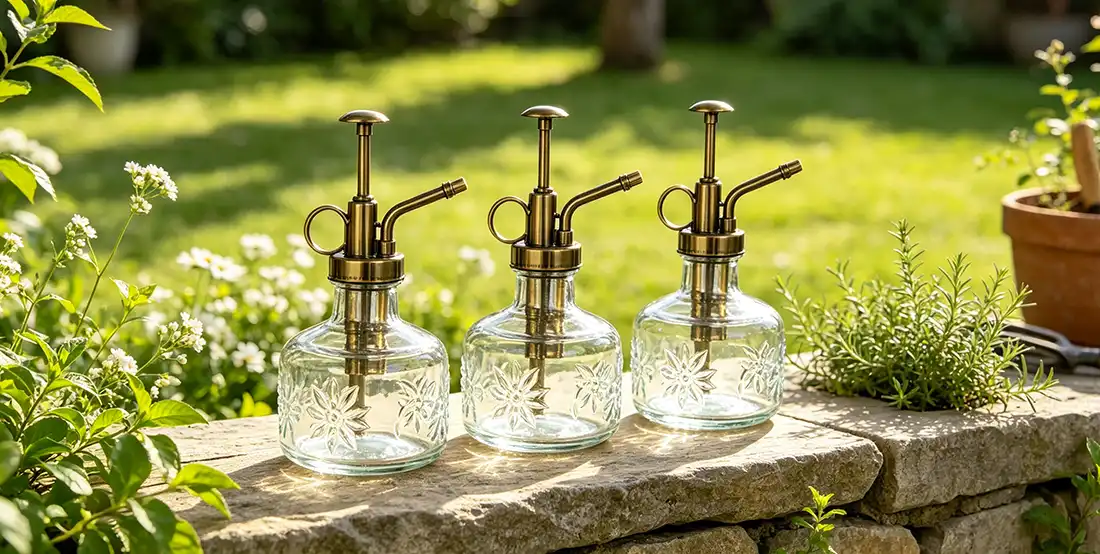
To make glass, a lot of natural silica, soda ash, and limestone are needed. These minerals are removed using well-known environmental guidelines. Recycling cullet can lower kiln temps by up to 25%, which is a big step forward in making modern glass factories more energy efficient. The borosilicate glass used in high-end spray bottles needs more energy to make, but it lasts longer, which makes up for the higher cost of production over the product's lifetime.
Misters made of plastic usually use PET, HDPE, or polypropylene that comes from oil. While working temps for injection molding are lower than those for glassblowing, a lot of carbon is released when fossil fuels are extracted and refined. Environmental Science & Technology released a lifecycle review in 2021 that found making new plastic uses 1.8 times as many greenhouse gasses per unit weight as making glass.
End-of-Life Considerations and Circularity
Glass is truly part of the circular economy because it can be recycled over and over again without losing any of its quality. When broken or old glass misters are put back into production lines as cullet, the material stays pure between regeneration rounds. There aren't many worries about contamination because glass doesn't soak up poisons or smells.
Recycling plastic is limited by the way it works. Each reprocessing cycle breaks down polymer chains, which makes the structure less stable. Plastic misters are often not ideal for food-grade recycling lines because they are contaminated with plant nutrients, essential oils, or cleaning products. According to the EPA, only 9% of plastic trash is recycled. The rest ends up in landfills, where it takes over 450 years to break down.
Key Features and Benefits of Vintage Glass Plant Mister Spray Bottles
Premium glass spray bottles are more useful and better for the environment, and they also help build brand recognition. The Muzhishi Vintage Plant Water Mister Spray Bottle is a great example of how design that is influenced by the past can still meet modern performance standards.
Superior Material Integrity and Chemical Resistance
Borosilicate glass can withstand chemical and temperature changes that break down plastic alternatives. This 200ml mister can hold acidic food for the leaves, alkaline treatments, and solvent-based pesticides without damaging the bottle. The inert surface stops chemical reactions that could hurt the health of the plant or the effectiveness of the solution. Professional greenhouse operations like this dependability when they need to use special nutrient mixes on valuable crops.
The precisely designed 0.3mm aperture nozzle makes drops that are all the same size, about 50 to 100 microns, just like morning dew. This atomization quality keeps epiphytic plants from drying out and protects delicate ferns and orchids from leaf burn. The metal pump mechanism maintains a 60-degree spray pattern after more than 5,000 uses, making sure it will work well in harsh industrial settings for a long time.
Aesthetic Value and Brand Differentiation
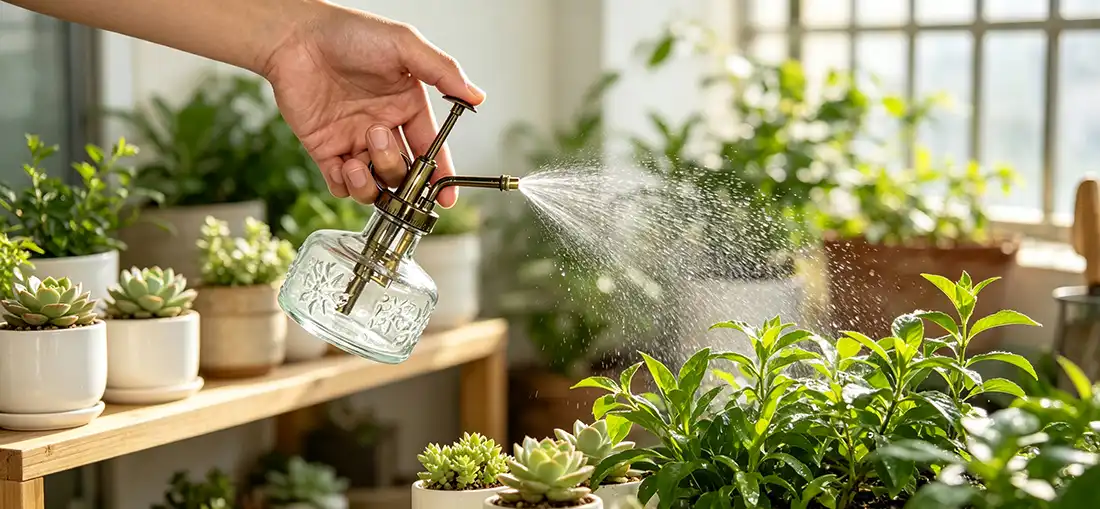
Victorian-style design elements turn useful tools into decorative items that make store displays and hotel rooms look better. The clear glass body shows off the liquid inside, whether it's just water, plant extracts, or custom-colored solutions. This adds visual interest that plastic can't match. Brand customization through hot stamping, inside engraving, and screen printing makes business gifts and advertising efforts more effective.
Boutique plant shops say that vintage-style glass misters make displays look better and show that they care about the environment. Customized bottles are used as decorations at weddings because they can be used to care for plants and as unique gifts for guests. This ability to be used in a variety of situations supports environmental goals and justifies premium positioning.
Comparing Vintage Glass vs. Modern Plastic Plant Misters for Sustainability
When making a purchase choice, it's important to carefully weigh the working performance, environmental impact, and total cost of ownership of each option.
Durability and Replacement Cycle Analysis
Glass misters can be used every day for years without breaking if they are handled properly. They usually need to be replaced because they break by accident rather than because the material fails. The 180.8g weight of the Muzhishi model keeps it stable while it's in use, and its 8.3cm height and 8.7cm diameter keep it from falling over. Professional users say that with regular upkeep, the service lasts longer than five years.
UV light breaks down plastic spray bottles, and repeated use causes the pump system to wear out and the plastic to stress fracture. In business settings, gasket wear and trigger fatigue usually mean that the valve needs to be replaced every 18 to 24 months. Even though the cost of a single unit may seem lower, the overall costs of replacement and disposal make the lifecycle economics more favorable for glass.
| **Performance Metric** | **Glass Mister** | **Plastic Mister** |
|---|---|---|
| Average Service Life | 5 years or more | 18 to 24 months |
| Chemical Compatibility | All around | Limited (breaks down in solvents) |
| Recycling Rate | 100% (everything keeps going) | <10% (single downcycle) |
| Microplastic Generation | None | High (fragments of breakdown) |
Environmental Cost Assessment
The results of carbon footprint analysis are not simple. Making glass uses more energy up front, but the environmental costs are spread out over longer periods of time. A study in Resources, Conservation, and Recycling showed that glass containers used for more than three years offset the emissions from their production, making them better for the environment than plastic containers that need to be changed every year.
A 200ml plastic spray weighs about 40g, compared to 180g for a glass one. This makes shipping cleaner. This benefit is lessened, though, when you add up all the packages from different replacement rounds. When you buy durable glass in bulk, you save money on logistics costs per unit and cut down on packaging waste from frequent reorders.
Cost-Benefit Analysis for Bulk Procurement
When looking at sustainable Vintage Plant Water Mister Spray Bottle solutions, retail chains and hospitality groups must compare the costs of acquisition to the value over the life of the plants. The starting cost of a glass fan is higher, but it doesn't need to be replaced as often. Volume price through OEM partnerships lowers costs even more. For orders over 500 units, Muzhishi offers savings that get bigger over time, plus customization services that raise the value of the brand.
Different types of materials have different import taxes and customs rules. Some trade agreements allow glass decorations to get lower tariffs, which can help balance out what people think are higher prices. Experienced suppliers like Muzhishi offer full documentation support, which includes commercial invoices, certificates of origin, and compliance certifications. This makes it easier to buy things from other countries.
Total ownership costs are affected by things that happen after the sale. Glass lasts longer, which makes insurance claims and customer service easier. Replacement parts, like seals and pump kits, can still be used for upkeep instead of replacing the whole unit. This extends the life of assets and shows stakeholders that you care about the environment.
Procurement Best Practices: Selecting Sustainable Plant Mister Spray Bottles
To do strategic sourcing, you have to make sure that the material requirements match up with business needs, environmental requirements, and the supply chain's abilities.
Establishing Selection Criteria
Set performance parameters based on the applications that will be used. For greenhouse growth, you need materials that are resistant to chemicals and can be mixed with fertilizer solutions. Hospitality décor apps focus on how things look and how they can be customized to fit a brand. When planning an event, you need options that are durable and can be used for more than one purpose.
| **Application Category** | **Recommended Specifications** | **Key Considerations** |
|---|---|---|
| Commercial Greenhouse | 200ml or more, brass mechanism, resistant to chemicals | Cycle life and solution compatibility |
| Retail/Hospitality Display | Finish that can be changed, retro look, and clear body | Alignment with the brand, looks |
| Corporate Gifting | Custom colors, logo etching, and high-end packing | How a brand is seen and how much it is worth |
Sustainability certificates make sure that environmental claims are true. Look for companies that are ISO 14001-certified and show that they handle the environment in an orderly way. Getting Cradle-to-Cradle certified shows that you care about following circular design principles. Accurate Scope 3 emissions reporting for corporate sustainability disclosures depends on suppliers being open about where they get their raw materials and how much energy they use.
Supplier Evaluation and Verification
Procurement success depends on how trustworthy the partner is. Manufacturers that have been around for a while, like Xuzhou Muzhishi Crafts, which has been around since 2005, bring 20 years of experience making glass and a track record of success in foreign trade. Self-operated import/export rights make sure that rules are followed and that logistics are coordinated well.
Before committing to large orders, ask for a sample to be evaluated. Within three to five days, Muzhishi will send you free samples so you can see for yourself how good the spray pattern is and what finish choices are available. To prove performance claims, you should do internal tests across all planned use cases.
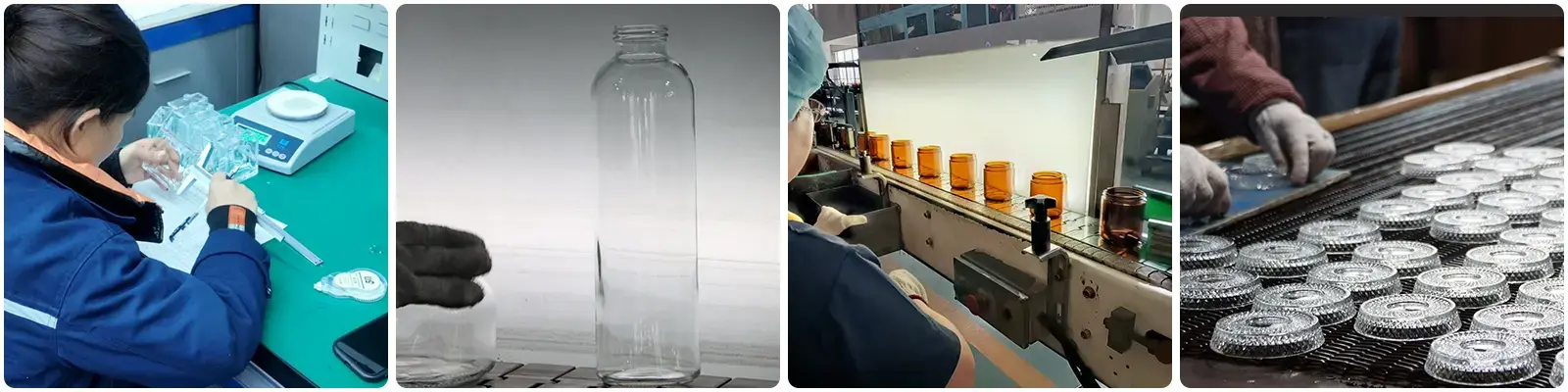
Check the output capability and the rules for quality control. As proof of their quality, manufacturers should show 24-hour leak tests, salt spray rust analysis, and laser-diffraction mist distribution verification. These quality controls keep expensive field failures from happening and keep the brand's reputation safe.
Optimizing Order Management and Logistics
Minimum order numbers (MOQs) affect how much goods to keep on hand. Because of the steps needed to set up production, glass misters usually have higher MOQs than plastic ones. Check the amount of orders against the amount of space available and how well you can predict demand. Seasonal businesses may combine their yearly needs into a single shipment to get the biggest savings on quantities and the lowest freight costs per unit.
Specifications for packaging affect how well a product is protected and how long it lasts. Ask for corrugated boxes that can be recycled and have padding made of biodegradable materials. Custom packaging design that includes brand messaging turns plain shipping containers into marketing tools that make opening them more fun.
The choice of Incoterms changes how costs are distributed and how risks are managed for Vintage Plant Water Mister Spray Bottle. FOB terms, which stand for "Free On Board," let buyers handle operations and give freight forwarders more options. Delivered Duty Paid (DDP) makes planning easier by putting all costs with the seller, but it may limit your choices for carriers. Partners with a lot of experience, like Muzhishi, can offer flexible terms that are tailored to the needs of the buyer and the logistics infrastructure in the region.
Future Trends and Industry Insights on Sustainable Plant Misters
New materials and government rules are changing the specs for plant care products all over the world.
Emerging Material Technologies
Biodegradable bioplastics made from sugarcane and corn starch are a green option to plastics made from oil. Composting infrastructure problems and uneven degradation rates in the real world, on the other hand, keep people from getting too excited. These materials work better for one-time uses than for long-lasting spray bottles that need to be used for years.
Modern glass formulas try to make things lighter without weakening them. Chemically stronger glass is 40% lighter than regular tempered glass, but it still doesn't break easily when hit. While this technology could combine the performance benefits of glass with the ease of transporting plastic, it is currently not widely used in business because it costs too much to make.
Regulatory Developments and Market Dynamics
Extended Producer Responsibility (EPR) laws, which are becoming more popular in North America and Europe, put the costs of ending a product's life on the company that made it. These rules reward long-lasting, reusable items while punishing designs that can only be used once. Procurement managers should expect price changes from suppliers to represent the costs of EPR compliance. Prices for glass goods will likely go up less because recycling infrastructure is already in place.
B2B design changes are caused by customers wanting real sustainability, which is shown by lifetime data instead of marketing claims. More and more, retailers are being pushed to back up claims they make about the environment. This is good news for suppliers who can show where their materials come from and their carbon footprint. Muzhishi's well-established quality assurance processes and certification collection put partners in a good position to meet changing rules about disclosure.
Strategic Procurement Recommendations
Along with traditional cost and quality metrics, add sustainability scoring to the forms used to evaluate vendors. Take into account environmental factors based on the company's ESG commitments and what customers want. Glass misters usually get better scores than plastic ones when it comes to being recyclable, lasting longer, and being safe for chemicals.
Look into OEM customized options that support stories about how sustainable a business is. Inside engraving gets rid of surface decorations that make recycling harder, and custom color choices let you set your product apart without adding coats that are hard to clean. With these changes, simple tools for taking care of plants become brand ambassadors that talk about environmental issues.
Form smart partnerships with suppliers that will help you grow your portfolio over the long run. Forward-looking buying strategies are in line with manufacturers who invest in process improvements, integrating green energy, and circular economy projects. The fact that Xuzhou Muzhishi has been in business for 20 years and can do a lot of different customizations shows that they are dedicated to meeting changing customer needs throughout market cycles.
Conclusion
Vintage Plant Water Mister Spray Bottle are the long-term option for businesses that care about the environment and want to do well in their operations. When looking at borosilicate glass bottles over their entire product lifetime, their ability to be recycled, lack of chemical reactions, and long service life make them more valuable than their initial cost. Vintage-inspired designs give your brand a unique look that helps it stand out in retail, hospitality, and business giving settings. As rules make it harder to use single-use plastics and people become more aware of the need for real sustainability, glass spray bottles meet all three requirements: compliance, performance, and value alignment. When procurement managers work with experienced makers, they can get access to customization tools, quality control methods, and logistics help that make material selection a competitive edge.
FAQ
How does glass mister performance compare to plastic in commercial greenhouse applications?
Glass misters work great in greenhouses because they don't react with any chemicals, including fertilizers, pesticides, and plant treatments. The neutral borosilicate glass surface stops the breakdown of nutrition solutions that happens in plastic containers. Brass pump mechanisms can handle harsh agricultural chemicals and keep atomization constant over thousands of daily spray cycles, which means less maintenance needs to be done.
What are the primary maintenance requirements for extending glass mister lifespan?
Minerals can build up in the 0.3mm precise nozzle, so use pure or reverse osmosis water instead. If the spray quality gets worse, soak the pump head in a weak solution of citric acid to get rid of the buildup. Check the pump gaskets for compression wear once a year. Replacement seals usually cost less than buying a new unit and last longer by several years.
Can glass plant misters accommodate custom branding for corporate gifting programs?
Premium glass misters can be customized in a number of ways, such as by hot stamping, screen printing, or etching the inside, which leaves a lasting image of your brand. With these methods, you can use corporate logos, seasonal messages, and custom color matching. Branded package design completes the high-end display, which is perfect for executive gifts and programs to thank clients.
Partner with Muzhishi for Your Sustainable Plant Mister Requirements
Xuzhou Muzhishi Crafts offers complete solutions for businesses that need to find trustworthy Vintage Plant Water Mister Spray Bottle suppliers who can also make changes to existing designs. With 20 years of experience making glass, we can guaranty that the quality of our products meets international standards. We back this up with strict 24-hour leak tests and spray pattern analysis. We offer full ODM/OEM services, from the initial design consultation to sample approval (3-5 days) to mass production and managing logistics around the world. Direct import/export possibilities make clearing customs easier, and dedicated account managers help you choose specifications that are in line with your sustainable goals. Email our team at long@muzhishi.com to talk about customization options, get samples, or find out how our glass mister solutions can help your business while also helping the environment. Visit mzsglass.com to review our complete capabilities.
References
1. Barnes, D.K., et al. "Accumulation and Fragmentation of Plastic Debris in Global Environments." Philosophical Transactions of the Royal Society B: Biological Sciences, vol. 364, no. 1526, 2009, pp. 1985-1998.
2. Hischier, R., and Reichart, I. "Multifunctional Electronic Media—Traditional Media: The Problem of an Adequate Functional Unit." International Journal of Life Cycle Assessment, vol. 8, no. 4, 2003, pp. 201-208.
3. Kouloumpis, V., et al. "Performance and Life Cycle Assessment of Reusable Packaging Systems for Food Products." Resources, Conservation & Recycling, vol. 154, 2020, article 104606.
4. Ncube, L.K., et al. "Environmental Impact of Food Packaging Materials: A Review of Contemporary Development from Conventional Plastics to Polylactic Acid Based Materials." Materials, vol. 13, no. 21, 2020, article 4994.
5. Royer, S.J., et al. "Production of Methane and Ethylene from Plastic in the Environment." PLOS ONE, vol. 13, no. 8, 2018, article e0200574.
6. Zheng, J., and Suh, S. "Strategies to Reduce the Global Carbon Footprint of Plastics." Nature Climate Change, vol. 9, no. 5, 2019, pp. 374-378.

Our customers’ satisfaction speaks for our quality — contact us to experience the same reliable service.