- English
- French
- German
- Portuguese
- Spanish
- Russian
- Japanese
- Korean
- Arabic
- Greek
- German
- Turkish
- Italian
- Danish
- Romanian
- Indonesian
- Czech
- Afrikaans
- Swedish
- Polish
- Basque
- Catalan
- Esperanto
- Hindi
- Lao
- Albanian
- Amharic
- Armenian
- Azerbaijani
- Belarusian
- Bengali
- Bosnian
- Bulgarian
- Cebuano
- Chichewa
- Corsican
- Croatian
- Dutch
- Estonian
- Filipino
- Finnish
- Frisian
- Galician
- Georgian
- Gujarati
- Haitian
- Hausa
- Hawaiian
- Hebrew
- Hmong
- Hungarian
- Icelandic
- Igbo
- Javanese
- Kannada
- Kazakh
- Khmer
- Kurdish
- Kyrgyz
- Latin
- Latvian
- Lithuanian
- Luxembou..
- Macedonian
- Malagasy
- Malay
- Malayalam
- Maltese
- Maori
- Marathi
- Mongolian
- Burmese
- Nepali
- Norwegian
- Pashto
- Persian
- Punjabi
- Serbian
- Sesotho
- Sinhala
- Slovak
- Slovenian
- Somali
- Samoan
- Scots Gaelic
- Shona
- Sindhi
- Sundanese
- Swahili
- Tajik
- Tamil
- Telugu
- Thai
- Ukrainian
- Urdu
- Uzbek
- Vietnamese
- Welsh
- Xhosa
- Yiddish
- Yoruba
- Zulu
How Glass Bottles Enhance the Perfume Experience
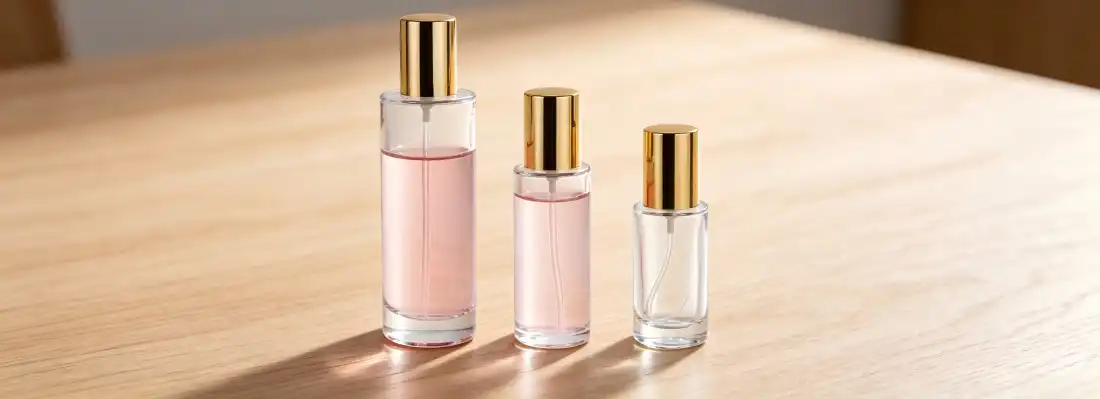
Fragrances used to come in simple containers, but glass bottles have turned them into important parts of the sensory trip. A 30ml perfume glass bottle is the perfect combination of art and function because it protects the delicate molecules of the smell while also giving off an air of luxury and sophistication. Glass is different from other materials because it is chemically neutral. This means that valuable formulas don't break down, so each spray stays true to the perfumer's original vision. This small but strategic capacity is just the right size—it's small enough to meet the requirements of travel retailers while still being big enough to show that you're a premium brand in markets that are already competitive.
Understanding 30ml Perfume Glass Bottles: Features and Benefits
This size is known in the scent business as the "Goldilocks standard" because it's not too small to lower the perceived value nor too big to scare off first-time buyers. These containers, which can hold about an ounce of liquid, are in between starter sets and full-sized collections. They lower the risk of inventory for niche artisanal brands while keeping the aspirational draw.
Material Excellence: Borosilicate and Soda-Lime Glass
Type III borosilicate glass is used in high-end perfume packaging because it is very resistant to chemicals and doesn't change temperature easily. This substance doesn't mix at all with alcohol-based solvents or essential oils, so complex scent notes don't get absorbed or changed. Cross-contamination between batches is impossible because the surface isn't porous. This is very important for brands that manage multiple smell profiles. Different types of soda-lime offer similar clarity at different temperatures, which lets makers choose formulations based on their production needs and aesthetic goals.
Preservation Advantages Over Alternative Materials
The glass design provides better barrier protection against oxidation and ultraviolet degradation, which are two main causes of fragrance degradation. Studies published in journals of packaging science show that glass perfume bottles last more than three times longer than plastic ones. You can choose to have coatings that are tinted in amber or cobalt colors. These coatings improve UV protection, which is especially helpful for formulas that have photosensitive ingredients like citrus top notes or natural plant extracts.
Because the material isn't porous, it doesn't lose concentration through evaporation like porous materials do. This keeps the concentration stable over the span of the product. This steadiness is especially important for shipping across continents and storing things in stores where conditions change all the time.
Engineering Precision and Manufacturing Standards
Modern production methods make sure that important measures like neck diameter and thread pitch are always within 0.1 mm of being the same size. These requirements make sure that the hermetic sealing works with standard pumps and caps, which stops leaks during automatic filling processes. Heavy-bottom designs lower the center of gravity, giving the product the substantial hand-feel that customers expect from high-end names while also lowering the risk of tipping over on fast production lines.
Some quality control methods that are in line with ISO 9001 and ISO 15378 standards are polariscope stress analysis, vertical load testing, and vacuum leak proof at -0.05 to -0.08MPa. These steps find any possible structure flaws before they are sent out, so the performance is the same from batch to batch.
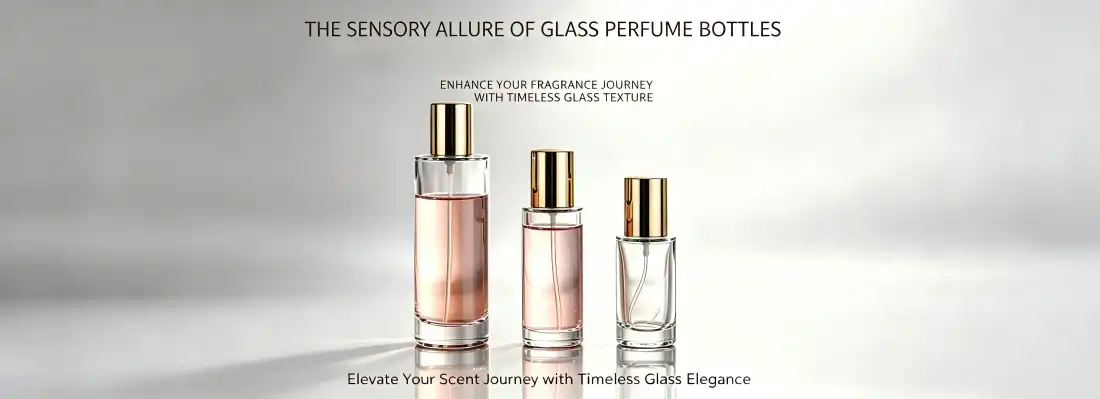
Choosing the Best 30ml Perfume Glass Bottle for Your Business Needs
Choosing what to buy isn't just about how something looks; it's also about matching technical requirements to business needs and market positioning strategies.
Evaluating Client-Specific Requirements
- Travel Retail Applications: Airlines and duty-free shops look for TSA-compliant sizes and design that can withstand shock. Perfume glass bottles must be able to handle being handled over and over and being put through mechanical stress while still fitting within the limits for carry-on liquids. In these high-impact situations, thicker walls and stronger bases are necessary.
- Luxury Presentation Contexts: High-end department store placements demand visual distinction. Options for customization, such as engraving on the inside, silver hot stamping, and gradient frosting, make items stand out more on the shelf. The way things feel also becomes important—weighted bases and smooth finishes show that they were made with care and attention to detail.
- Brands that care about the environment: More and more environmentally conscious customers prefer refillable devices. Bottles that are meant to be used more than once need to have threaded neck finishes that work with substitute pumps, surface treatments that don't scratch easily, and cleaning-friendly geometries that keep residue from building up in corners or on raised areas.
Material Integrity and Sealing Performance
A leakproof design relies on the exact neck finish requirements and the gasket's ability to work with the finish. Silicone seals work best with certain glass rim shapes. If they don't match, pressure points form, which causes the pump to stop working. The 24-hour inverted leak test is the standard in the business. It mimics long-term conditions of storage and transport. When bottles pass this strict test, they show that they don't evaporate any liquid and keep their internal pressure stable.
Cost-Efficiency Through Strategic Sourcing
You can save money by buying in bulk, but the minimum order quantities change a lot from one supplier to the next. Established manufacturers with their own glass melting facilities usually have lower prices than middle-man wholesalers by 10 to 15 percent. Lead times and price flexibility are directly affected by partnerships for raw materials and the ability to handle inventory. This is especially true when demand for holiday gifts goes up during peak shopping times.
Enhancing the Perfume Experience Through Glass Bottle Innovations
Customers today want more than just a scent. They want experiences that involve more than one sense and are in line with their personal values and living goals. New designs for glass bottles take these changing tastes into account while also fixing practical problems.
Sustainability and Refillable Design
Environmental awareness has gone from being a special issue to something that everyone should do. Over the normal lifetime of a product, refillable glass systems cut down on single-use packaging waste by up to 70%. Brands that use these programs say that they have more loyal customers and are more in line with their business responsibility goals. Standardized pump interfaces, easy-to-clean interior geometries, and long-lasting surface treatments that keep the pump's good looks through many refill rounds are some technical things to think about.
The circular economy model is becoming more popular as laws in North America and Europe make it more and more necessary to recycle packaging. Glass can be recycled almost perfectly without losing any quality—crushed cullet can be remelted over and over again, which is very different from plastic, which can only be recycled in lower quality lines.
Advanced Functional Features
Precise spray mechanisms make sure that droplet sizes stay between 30 and 50 microns, which improves the spread of scent and wear time. Leakproof caps have silicone seals that are designed to be resilient to changes in temperature. This keeps the air from getting into the caps while they are being stored. Frosted finishes have beautiful matte textures and hide fingerprints, which is useful for sample units in stores where customers are constantly touching them.
Inside engraving methods create lasting branding that isn't affected by surface wear, so the design looks good even after a lot of use. This method works well for high-end markets where long-lasting packing means high quality.
Case Applications in Market Differentiation
Many of the biggest scent companies use custom molds to make perfume glass bottle shapes that are easy to spot on store shelves. Color-shifting metallic coatings and laser-etched designs are used on limited-edition releases to turn useful packaging into collectible items. These strategies create value on the secondary market and social media engagement after the original purchase.
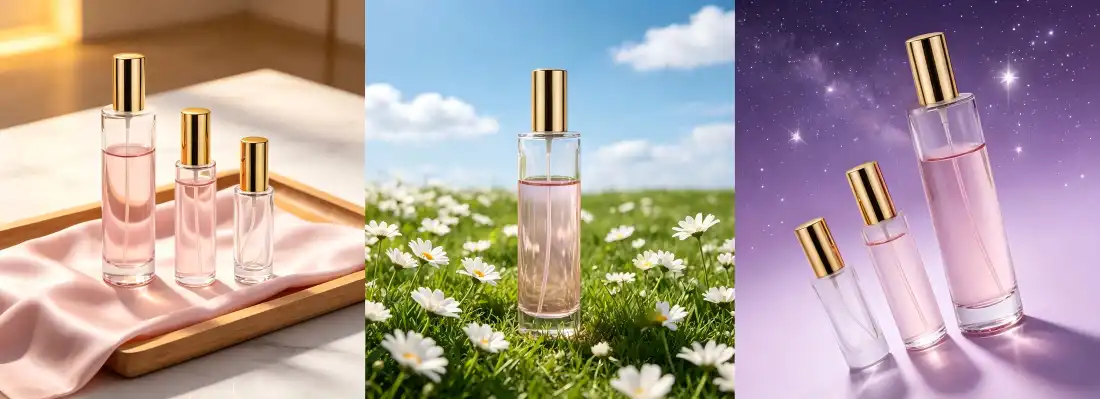
Procurement and Sourcing: Where and How to Buy 30ml Perfume Glass Bottles?
Strategic choices about where to get goods must take into account quality control, the ability to customize, and the dependability of logistics. These all have a direct effect on the reputation of the brand and the efficiency of operations.
Matching Supply Partners to Business Models
Wholesale Volume Orders: Chain stores and e-commerce sites that want to move their stock quickly need sellers who can make a lot of goods and are always available. Some important things that are looked at when judging a company are its buffer stock systems, its scalable manufacturing infrastructure, and its track record of on-time delivery measures.
Customized High-End Collections: Artisan perfume brands and limited-edition releases need to be able to customize their products in a way that doesn't require huge investments in tools. Suppliers who offer digital decoration techniques and modular mold systems can work with smaller batch sizes while still keeping high quality standards.
Supplier Evaluation Framework
Verification of certification is the basis of evaluating a seller. The ISO 9001 quality management standard and the ISO 15378 pharmaceutical-grade packaging standard show that processes are controlled in a planned way and that rules are followed. Third-party audit reports give objective proof of success that goes beyond what marketers say.
Sample review should include more than just looking at it. Costly production delays can be avoided by doing internal stress tests, checking the integrity of the seal, and making sure that the fragrance formulas will work with the product. By asking for particular information about the glass's composition, annealing methods, and size tolerances, you can find out how sophisticated the manufacturing is.
For foreign purchasing, both the infrastructure for communication and the ability to export are very important. Cross-border transactions are made easier by suppliers who offer specialized account managers, multilingual support, and self-operated customs clearance services. The speed and accuracy of clearance and tariff classification depend on how well documents like business invoices, packing lists, and certificates of origin are filled out.
Platform Considerations and Direct Engagement
Online business-to-business (B2B) marketplaces let you find a lot of suppliers and easily compare prices, but they may not offer a lot of customization options or technical help. Direct maker relationships let you work together to make new products, get exclusive designs, and get better prices for long-term partnerships. When using a hybrid method, you look at both new sources and the reliability of well-known vendors.
Maintenance and Reusability: Maximizing the Lifespan of 30ml Glass Perfume Bottles
Proper handling and maintenance protocols extend bottle lifecycles, reduce replacement costs, and align operations with sustainability objectives valued across B2B supply chains.
Cleaning and Refilling Procedures
Safe refilling begins with thorough cleaning to prevent cross-contamination between different fragrances. Remove spray mechanisms and rinse interior surfaces with neutral pH solutions—harsh detergents may leave residues affecting subsequent formulations. Isopropyl alcohol provides effective solvent cleaning for oil-based residues, followed by complete air-drying to eliminate moisture traces. Inverted positioning accelerates evaporation from internal surfaces and threaded necks.
Inspection protocols before refilling should identify hairline cracks, chip damage along rims, or cloudiness indicating chemical etching. Compromised bottles risk structural failure during pressurized filling operations or customer use, creating liability concerns and brand reputation damage.
Storage and Handling Best Practices
Temperature stability preserves both glass integrity and fragrance quality. Avoid exposure to extreme thermal gradients—rapid cooling or heating induces stress fractures in glass matrices. Storage facilities should maintain consistent environments between 15-25°C with controlled humidity preventing condensation accumulation on cold bottle surfaces.
Protective packaging during transportation prevents impact damage and surface scratches. Individual bottle sleeves, compartmentalized cartons, and cushioned palletization reduce breakage rates during shipping and warehousing operations. These measures prove particularly important for frosted or decorated surfaces where cosmetic imperfections diminish retail appeal.
Environmental and Brand Value Propositions
Reusable glass packaging communicates corporate environmental stewardship, resonating with consumers and B2B partners prioritizing sustainable practices. Brands implementing bottle return programs or offering refill services differentiate themselves in crowded markets while building recurring customer relationships. The tangible nature of glass—substantial weight, smooth tactile qualities, acoustic properties when handled—creates memorable unboxing experiences that plastic alternatives cannot replicate.
Lifecycle assessments demonstrate that reusable glass systems achieve environmental parity with single-use alternatives after just three to five usage cycles, with benefits compounding over extended periods. This data supports marketing claims and satisfies corporate sustainability reporting requirements increasingly mandated by stakeholders.
Conclusion
30ml perfume glass bottles elevate perfume packaging beyond functional containment into strategic brand assets that preserve fragrance integrity, communicate luxury positioning, and align with sustainability values. The 30ml capacity offers versatile applications across travel retail, artisanal launches, and premium gift collections, while advanced manufacturing techniques ensure consistent quality and customization flexibility. Successful procurement requires matching technical specifications to business models, evaluating suppliers on certification credentials and operational capabilities, and implementing maintenance protocols that maximize asset lifecycles. Brands investing in quality glass packaging secure competitive advantages through enhanced customer experiences, reduced environmental impact, and differentiated market presence.
FAQ
Why do perfume brands prefer glass over plastic containers?
Glass provides chemically inert properties that preserve fragrance authenticity without absorption or reaction with alcohol-based solvents. The material also delivers premium aesthetic qualities and complete recyclability, addressing both quality and environmental considerations important to contemporary consumers and corporate sustainability mandates.
How can I verify the leakproof performance of glass perfume bottles?
Request documentation of 24-hour inverted leak testing conducted at specified pressure differentials. Reputable suppliers provide test certificates showing zero evaporation and maintained seal integrity. Physical sample testing under your specific filling conditions and fragrance formulations offers additional verification before committing to production volumes.
What customization options best enhance brand recognition?
Inside engraving creates permanent, scratch-resistant branding that maintains visibility throughout product lifecycle. Combining techniques—such as frosted finishes with metallic hot stamping or gradient color applications with screen-printed logos—generates distinctive visual signatures. Custom mold development delivers unique bottle silhouettes for brands seeking maximum differentiation.
Are smaller production runs economically viable for specialty fragrances?
Modular tooling systems and digital decoration technologies have significantly reduced minimum order thresholds. Suppliers offering flexible manufacturing accommodate specialty production while maintaining quality standards, though per-unit costs naturally decrease with volume. Evaluating total cost of ownership—including inventory risk and market testing value—often justifies premium pricing for smaller batches.
Partner With a Trusted 30ml Perfume Glass Bottle Supplier
Muzhishi delivers comprehensive solutions for brands seeking premium glass packaging that combines technical excellence with aesthetic sophistication. Our high-grade borosilicate bottles maintain fragrance integrity through chemically inert composition and superior barrier protection, while extensive customization capabilities—including hot stamping, frosting, inside engraving, and screen printing—enable distinctive brand expression. With 20 years of manufacturing expertise, we provide rapid prototyping in 3-5 days, dedicated account management ensuring seamless project coordination, and self-operated export services handling customs clearance and compliant documentation for smooth international shipping. Strategic supply chain partnerships reduce raw material costs by 10-15% without compromising quality, delivering exceptional value for wholesale orders and bespoke luxury collections. Contact our team at long@muzhishi.com to discuss your specific requirements and discover how our 30ml perfume glass bottle manufacturer capabilities can elevate your fragrance presentation and market positioning.
References
1. Robertson, Gordon L. "Food Packaging: Principles and Practice, Third Edition." CRC Press, 2012.
2. Marsh, Kenneth and Betty Bugusu. "Food Packaging—Roles, Materials, and Environmental Issues." Journal of Food Science, Volume 72, Issue 3, 2007.
3. Soroka, Walter. "Fundamentals of Packaging Technology, Fifth Edition." Institute of Packaging Professionals, 2009.
4. Emblem, Anne and Henry Emblem. "Packaging Technology: Fundamentals, Materials and Processes." Woodhead Publishing, 2012.
5. Selke, Susan E.M., John D. Culter, and Ruben J. Hernandez. "Plastics Packaging: Properties, Processing, Applications, and Regulations, Third Edition." Hanser Publications, 2016.
6. Yam, Kit L. "The Wiley Encyclopedia of Packaging Technology, Third Edition." John Wiley & Sons, 2009.


Our customers’ satisfaction speaks for our quality — contact us to experience the same reliable service.