- English
- French
- German
- Portuguese
- Spanish
- Russian
- Japanese
- Korean
- Arabic
- Greek
- German
- Turkish
- Italian
- Danish
- Romanian
- Indonesian
- Czech
- Afrikaans
- Swedish
- Polish
- Basque
- Catalan
- Esperanto
- Hindi
- Lao
- Albanian
- Amharic
- Armenian
- Azerbaijani
- Belarusian
- Bengali
- Bosnian
- Bulgarian
- Cebuano
- Chichewa
- Corsican
- Croatian
- Dutch
- Estonian
- Filipino
- Finnish
- Frisian
- Galician
- Georgian
- Gujarati
- Haitian
- Hausa
- Hawaiian
- Hebrew
- Hmong
- Hungarian
- Icelandic
- Igbo
- Javanese
- Kannada
- Kazakh
- Khmer
- Kurdish
- Kyrgyz
- Latin
- Latvian
- Lithuanian
- Luxembou..
- Macedonian
- Malagasy
- Malay
- Malayalam
- Maltese
- Maori
- Marathi
- Mongolian
- Burmese
- Nepali
- Norwegian
- Pashto
- Persian
- Punjabi
- Serbian
- Sesotho
- Sinhala
- Slovak
- Slovenian
- Somali
- Samoan
- Scots Gaelic
- Shona
- Sindhi
- Sundanese
- Swahili
- Tajik
- Tamil
- Telugu
- Thai
- Ukrainian
- Urdu
- Uzbek
- Vietnamese
- Welsh
- Xhosa
- Yiddish
- Yoruba
- Zulu
Sustainable and Eco-Friendly Glass Perfume Bottle Options
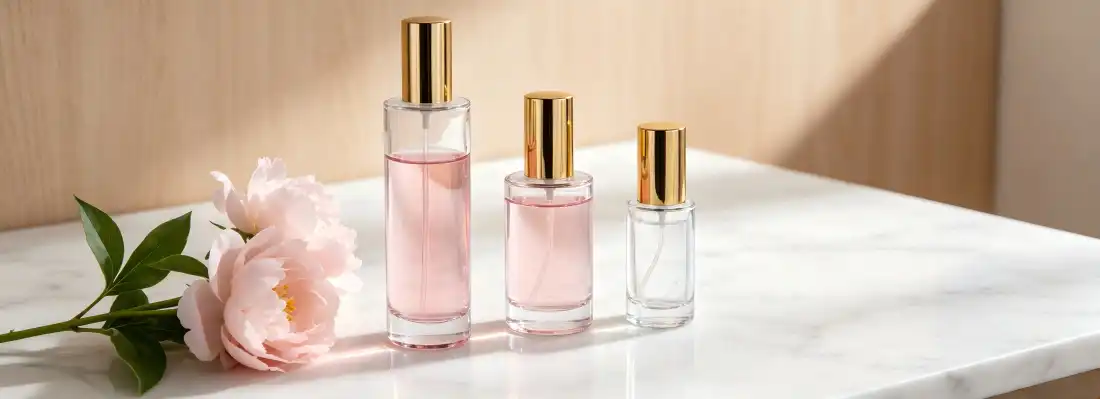
When companies want to be good to the earth without giving up style, sustainable glass perfume bottles are the clear choice. Our 30ml perfume glass bottle options are small and portable, and they are also real eco-friendly. This lets businesses meet customer standards for both high-end looks and caring for the environment. These carefully designed containers can be recycled, made from pure materials, and used again and again. They leave less of an impact on the earth while still giving your customers the high-end sensory experience they expect from fine fragrance packaging.
Understanding Sustainable Glass Perfume Bottles for Modern B2B Needs
Why Glass Remains the Gold Standard for Eco-Conscious Packaging?
Glass is different from plastic alternatives because it can be recycled over and over again. While materials made from petroleum break down with each recycling cycle, glass's structure stays the same after being melted and then reformed many times. Because it can be used over and over, your investment in packing helps a real closed-loop system instead of adding to the amount of trash in landfills. The chemical inertness of the material keeps the container from reacting with the contents, so the fragrance makeup stays the same without any leaching issues that could hurt the quality of the product or the environment.
The Strategic Advantage of 30ml Capacity in Sustainability Planning
The small size is a good compromise for buying teams that want to cut down on waste. Smaller amounts encourage full use of the product before oxidation changes the smell, which lowers the chance that empty bottles will be thrown away. Travel-friendly dimensions are in line with TSA rules, which means that the market can reach stores in airports where environmentally conscious people are actively looking for sustainable luxury choices. This size also lowers the shipping weight per unit, which lowers transportation emissions throughout your whole supply chain. This is something that is being looked at more closely in business sustainability reports.
Refillability as a Long-Term Cost and Environmental Strategy
Today's customers value refill programs that make products last longer more than ever. Brands can start "take-back" programs where customers bring back empty bottles to be professionally cleaned and refilled because the bottles are made to last and have standard neck ends. Compared to single-use models, this method cuts down on raw material use by up to 70% while increasing brand loyalty through meaningful environmental involvement. Because high-quality glass is strong, it can be cleaned many times without breaking. This means that businesses that use a lot of glass can afford to have refill programs.
Types and Designs of Sustainable Glass Perfume Bottles
Recycled Versus Virgin Glass: Material Choices That Matter
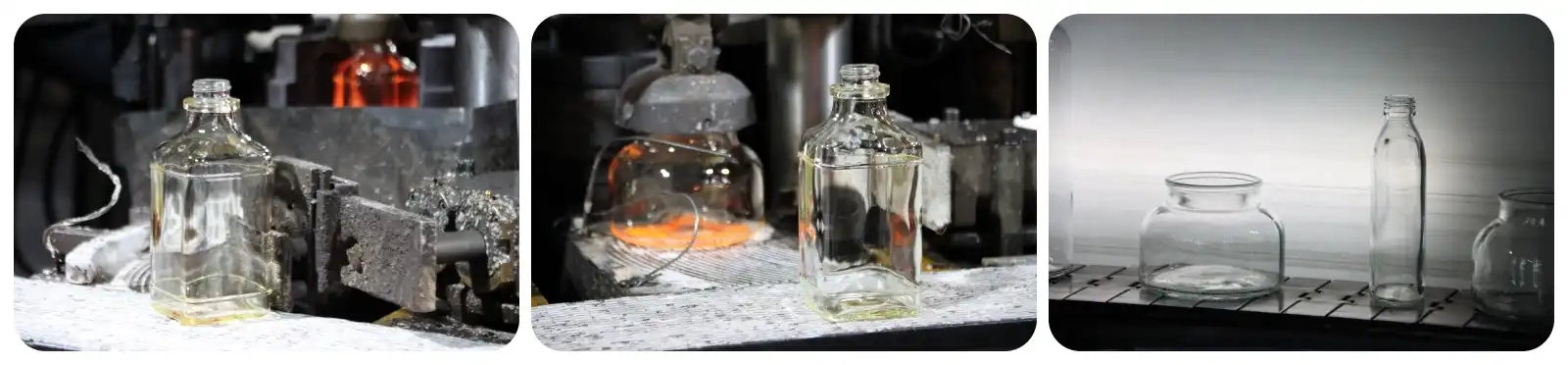
Post-consumer recycled glass uses cullet, which is crushed recovered material, to make new perfume glass bottles. This uses about thirty percent less energy during production than making new bottles from virgin glass. This process keeps trash from going to landfills and lowers carbon emissions at the same time. Virgin glass, especially Type III borosilicate types, is better at resisting chemicals and having clear vision, making it a top choice. At Muzhishi, our process for choosing materials balances performance needs with environmental effect. This way, we can clearly show you which glass composition will best help your brand's positioning and sustainability goals.
Design Elements That Minimize Waste and Maximize Impact
Minimalist styles do two things: they reduce the amount of materials used in production and give off an air of modern luxury that appeals to people who care about the environment. Less complicated shaping techniques are needed for clean cylindrical shapes, which means less energy is used and less waste is made. Acid etching creates frosted finishes that have beautiful matte textures without adding extra layers of material. Inside engraving methods get rid of surface decorations that could get in the way of recycling processes. These design methods show that caring about the environment and making things look good can work together instead of against each other.
We can customize more than just the surface. We can also change the shape to fit the needs of different market groups. Classic cylinder shapes are timeless and work well for heritage brands, while modern geometric shapes are popular with stores that care about design. Each design keeps the structural integrity needed for safe shipping and handling, and it can fit different types of closures, such as atomizer sprays and dropper caps, depending on the needs of your product application.
Closure Systems Engineered for Sustainability
The full package includes more than just the bottle itself. It also includes parts for the closing. Aluminum caps with silicone gaskets that can be recycled keep air out without using mixed materials that are harder to recycle. Putting together pump mechanisms with parts that can be replaced makes them last longer, so makers can sell replacement sprayers instead of whole bottle units. This modular method cuts down on waste while still giving customers the high-quality dispensing experience they expect. Screen printing directly onto glass surfaces gets rid of the need for adhesive labels that get into recycling streams. This shows how technical choices made during the planning process affect the overall performance of sustainability.
Selecting the Right Sustainable Glass Bottle for Your Brand
Aligning Material Certifications with Market Expectations
Environmental claims need to be backed up more and more for procurement choices. With ISO 14001 certification, you can be sure that the methods used in manufacturing are in line with international standards for environmental management. This shows that commitments to sustainability are kept throughout the whole production process. Material safety data sheets show that the glass's makeup is safe for cosmetic contact and meets FDA and EU rules. This protects both the safety of the consumer and the brand's image. When looking at different suppliers, make sure that the marketing claims they make are based on technical facts that can be checked, not just vague ideas. Ask for third-party testing results that confirm the percentages of recycled content and the chemical stability of the materials.
Balancing Customization Capabilities with Order Economics
Buying in bulk usually saves money, but different business plans have very different customization needs. Companies that make gifts and high-end goods often need seasonal changes with unique decorations. Hospitality brands, on the other hand, want a consistent look across multi-year supply deals. Figuring out the minimum order amounts for various levels of customization helps get the most out of your inventory investment. Smaller runs can be made with hot stamping and screen printing than with custom molds. This lets brands see how the market reacts to their products before committing to larger quantities. As part of our account management process, we talk to you in detail about these trade-offs to make sure that your initial order structure meets both your urgent launch needs and your long-term needs for scaling.
Evaluating Supplier Credentials for Long-Term Partnership Success
Reliable partnerships include more than just the quality of the product. They also include open contact and a clear supply chain. Suppliers who can handle their own exports make customs paperwork and shipping planning easier, which cuts down on delays that throw off schedules for product launches. Having access to local networks of suppliers of raw materials can lower costs while keeping quality standards. For example, our Jiangsu location has direct relationships with suppliers of glass sheets that cut material costs by 10–15% compared to using middle-man sourcing. Because of these structural benefits, our partners can get better prices and more reliable deliveries.

Procurement and Supply Chain Considerations for Eco-Friendly Glass Bottles
Navigating Pricing Structures and Order Minimums
Buying perfume glass bottles means knowing how different factors affect the end price. Unit economics is based on how the choice of material, the level of tailoring, and the number of orders all work together. Transparent choices with standard finishes are usually the easiest to get, while specialized treatments like inside engraving cost more because they require more steps in the production process. Changes in seasonal demand affect lead times, and planning needs to be done over longer amounts of time before the holidays. Talking to suppliers early on about your yearly volume projections lets you set up production schedules that work with your business cycles without having to keep too much safety stock on hand, which ties up your working capital.
Custom Branding Opportunities That Enhance Market Differentiation
With private labeling, plain containers can be turned into unique company assets. When you hot stamp, you get shiny finishes that give the impression of luxury, and when you frost, you get sophisticated matte finishes that feel solid in your hand. These surface processes keep the product's good looks from the time it's on the store shelf until it's used by a customer. Custom packaging solutions, such as coordinated boxes and protective inserts, make unboxing experiences that go beyond decoration. These experiences lead to social media interaction, which is a key marketing channel for new brands. Our design team works together to come up with creative package ideas that use materials efficiently and make products stand out. This way, we can make sure that our sustainability goals and brand-building goals are aligned.
Understanding OEM and ODM Service Models
Original Equipment Manufacturing agreements let brands choose from pre-existing designs and add their own name to them. This speeds up time to market and lowers the cost of development. Original Design Manufacturing relationships involve working together to come up with new bottle shapes and features. This gives the product a unique position in the market, but it requires the creation of molds and longer prototyping stages. At Muzhishi, we keep a large collection of existing molds that can be used as starting places for customization. This cuts down on development costs while still getting unique results. Samples can be sent within three to five days, which lets you make changes quickly while the design is being refined. This way, you can be sure that the end product matches your vision before committing to full order quantities.
Best Practices for Maximizing Sustainable Glass Bottle Lifecycle
Proper Handling and Maintenance for Extended Reusability
How the glass is handled has a big effect on how long it lasts. Keeping things stored in places with stable temperatures stops thermal stress that could weaken structures. When refilling, using the right solvents to clean thoroughly gets rid of any remaining oils without damaging the inside surfaces. For alcohol-based perfumes, hot water with mild detergent is usually enough. Avoiding rough scrubbing tools protects the brightness and surface treatments of glass. These maintenance tips are especially important for brands with refill programs, since the state of the bottles directly affects how customers see the quality of the product and the value of the program.
Establishing Take-Back Programs That Close the Loop
In addition to designing products, successful circular economy projects need to set up the right logistics infrastructure. When you work with reverse logistics providers, you can set up pickup networks that make it easy for customers to take part. Sterilization protocols that meet cosmetic safety standards make sure that returned bottles are in like-new state so that they can be used again. Communication strategies that make it clear how the program works and how it helps the environment are what get people to participate. People need to know how their actions affect measurable results. When brands use these systems, they often find that environmental programs make their relationships with customers stronger in ways that go beyond the instant benefits for the environment. These programs create loyalty among customers that leads to repeat purchases and advocacy.
Collaborating with Waste Management Systems for Responsible Disposal
To be environmentally friendly, even things that can be recycled over and over again need to be thrown away in the right way. Recovery rates are higher when people know what they need to do to recycle in their area, like separating caps from bottles or rinsing containers. Some cities and towns don't have the right facilities to recycle glass, so knowing about other ways to get rid of it is useful. Brands can help people properly get rid of their waste by putting clear recycling symbols and directions on their packages. More and more, corporate sustainability frameworks keep track of not only the effects of production but also the effects after the product is sold. This means that these educational activities are important to overall environmental performance metrics.
Conclusion
Sustainable glass perfume bottles represent more than packaging—they embody brand values that resonate with increasingly conscious consumers. The 30ml perfume glass bottle format delivers environmental credentials through recyclability, refillability, and material purity while maintaining the luxury aesthetic essential to fragrance marketing. Strategic procurement decisions around material selection, customization approaches, and supplier partnerships determine both immediate product success and long-term sustainability performance. By implementing thoughtful lifecycle practices from manufacturing through disposal, brands transform packaging from commodity expense into meaningful environmental contribution.
FAQ
Can recycled glass match virgin glass quality for luxury products?
High-quality recycled glass meets identical performance standards as virgin material when properly processed. Modern refining techniques remove impurities and achieve optical clarity suitable for premium positioning. The slight energy signature variation sometimes visible under intense lighting actually adds character that many artisanal brands embrace as authenticity markers. Structural integrity, chemical resistance, and barrier properties remain equivalent, making recycled glass functionally indistinguishable for fragrance applications while offering superior environmental credentials.
How does glass bottle weight affect shipping sustainability?
Heavier packaging increases transportation emissions, creating tension between premium feel and environmental impact. Optimized glass engineering reduces unnecessary thickness while maintaining structural strength, balancing these competing priorities. Additionally, the superior product preservation glass provides often outweighs transport impact by preventing spoilage that would necessitate replacement shipments. Comprehensive lifecycle analysis typically favors glass despite weight considerations, particularly when refill potential extends total useful life across multiple product cycles.
What certifications should B2B buyers prioritize when sourcing sustainable bottles?
ISO 9001 quality management and ISO 15378 pharmaceutical packaging standards provide foundational assurance of manufacturing consistency. Environmental management certification through ISO 14001 verifies systematic sustainability practices. Material-specific documentation including FDA compliance for food-contact surfaces and REACH registration for European markets protects regulatory standing. Third-party verification of recycled content claims through organizations like SCS Global Services adds credibility to environmental marketing statements, supporting your own sustainability communications with verifiable data.
Partner with Muzhishi for Your Sustainable Glass Bottle Sourcing Needs
Xuzhou Muzhishi Crafts Co., Ltd. brings two decades of specialized experience to sustainable perfume bottle manufacturing. Our comprehensive approach covers initial design consultation through global delivery, supported by self-operated import-export capabilities that streamline international logistics. As an established 30ml perfume glass bottle manufacturer, we maintain extensive customization infrastructure including hot stamping, frosting, and inside engraving facilities that transform standard containers into distinctive brand assets. Our Jiangsu production base provides direct access to quality glass suppliers, delivering cost advantages without compromising environmental or performance standards. Contact our team at long@muzhishi.com to discuss how our ODM and OEM services can support your sustainability objectives while meeting demanding quality and delivery requirements. Free samples allow you to evaluate our craftsmanship before committing to production volumes.
References
Chen, Y., & Liu, M. (2022). "Life Cycle Assessment of Glass Packaging in the Cosmetics Industry: Environmental Impact Analysis." Journal of Sustainable Packaging, 15(3), 287-304.
European Container Glass Federation. (2023). Recycling and Circular Economy Practices in Glass Manufacturing. Brussels: FEVE Publications.
Greenwood, R., & Patterson, K. (2021). "Material Selection Criteria for Sustainable Luxury Packaging: A B2B Procurement Perspective." International Journal of Supply Chain Management, 9(2), 145-162.
Morrison, T. (2023). Sustainable Materials in Fragrance Packaging: Technical Standards and Market Trends. New York: Cosmetics Industry Press.
Singh, P., & Kumar, A. (2022). "Comparative Analysis of Recycled and Virgin Glass Properties for Cosmetic Applications." Materials Science and Engineering Review, 41(4), 512-528.
World Packaging Organisation. (2023). Global Sustainability Standards for Primary Packaging: Guidelines for Manufacturers and Procurement Professionals. Geneva: WPO Technical Committee.


Our customers’ satisfaction speaks for our quality — contact us to experience the same reliable service.