- English
- French
- German
- Portuguese
- Spanish
- Russian
- Japanese
- Korean
- Arabic
- Greek
- German
- Turkish
- Italian
- Danish
- Romanian
- Indonesian
- Czech
- Afrikaans
- Swedish
- Polish
- Basque
- Catalan
- Esperanto
- Hindi
- Lao
- Albanian
- Amharic
- Armenian
- Azerbaijani
- Belarusian
- Bengali
- Bosnian
- Bulgarian
- Cebuano
- Chichewa
- Corsican
- Croatian
- Dutch
- Estonian
- Filipino
- Finnish
- Frisian
- Galician
- Georgian
- Gujarati
- Haitian
- Hausa
- Hawaiian
- Hebrew
- Hmong
- Hungarian
- Icelandic
- Igbo
- Javanese
- Kannada
- Kazakh
- Khmer
- Kurdish
- Kyrgyz
- Latin
- Latvian
- Lithuanian
- Luxembou..
- Macedonian
- Malagasy
- Malay
- Malayalam
- Maltese
- Maori
- Marathi
- Mongolian
- Burmese
- Nepali
- Norwegian
- Pashto
- Persian
- Punjabi
- Serbian
- Sesotho
- Sinhala
- Slovak
- Slovenian
- Somali
- Samoan
- Scots Gaelic
- Shona
- Sindhi
- Sundanese
- Swahili
- Tajik
- Tamil
- Telugu
- Thai
- Ukrainian
- Urdu
- Uzbek
- Vietnamese
- Welsh
- Xhosa
- Yiddish
- Yoruba
- Zulu
The Evolution of Perfume Glass Bottle Design
There has always been a desire to put beauty inside beauty. The different types of perfume boxes show this. In the past, 30ml perfume glass bottles were made by hand. Now, they are made very precisely, and they are more than just useful tools. They are now big parts of brand names. This is shown by the 30ml form, which looks high-end but is also small and easy to carry. It can meet the needs of a lot of people. Knowing about the past, the products, and how to evaluate suppliers gives purchasing managers the information they need to make smart choices that improve how goods are placed and keep operations running smoothly. As time goes on, perfume packaging will still be shaped by strict quality standards, the freedom to make changes, and concerns about the environment. Brands that work with makers who are coming up with new ideas will have more chances to make money.
Historical Evolution of Perfume Glass Bottles
From Ancient Origins to Renaissance Craftsmanship
Egyptians used alabaster and ceramic containers to store their valuable smells, which is where the practice of storing perfume got its start. Around 50 BCE, people learned how to blow glass, which changed the way fragrances were packaged by letting artists make clear cases that showed off the liquid inside. By the time of the Romans, glass bottles were signs of wealth because their elaborate designs showed how valuable the scents inside them were.
During the Renaissance, glassmakers in Venice turned making bottles into an art form. The island of Murano became known for its high quality because it made vessels with lots of gold leaf, lacquer work, and complicated shapes. Because of these innovations, glass became the best medium for keeping scents fresh, and it still is.
Industrial Revolution and Standardization
In the 19th century, machines were used to make glass, which made bottles easier to get while still keeping quality standards. The Art Nouveau trends brought about organic shapes and patterns that were inspired by nature, which turned bottles into collectible decorative items. René Lalique was one of the first designers to use perfume bottles as works of art, making pieces that were worth as much as the scents they held.
During this time, bottle sizes were slowly standardized to meet the needs of the growing business world. The 30ml volume was found to be the best compromise—big enough to show class while still being small enough for everyday use and travel. This "Goldilocks" size was the perfect balance between making the product efficiently and meeting customer needs. It set a standard that will last in markets around the world.
Art Deco to Modern Minimalism
In the 1920s and 1930s, Art Deco style stressed geometric accuracy and sleek, modern beauty. Shapes like angles, bright colors, and metal accents on perfume bottles at the time showed a fascination with technology and glitz. Brands started to see bottles as important brand champions and started spending money on unique designs that were easy to spot.
Around the middle of the 20th century, modernism moved toward simpler shapes and cleaner lines. Designers got rid of any extraneous details and focused on the shape and quality of the materials instead. Today, this way of thinking still affects bottle design, where simple looks coexist with branding choices that can be changed. For procurement professionals, this historical background shows how design changes over time to reflect shifting customer values, from flashy displays to subtle elegance.

Core Materials and Sustainability Trends in Perfume Bottles
Material Excellence and Chemical Stability
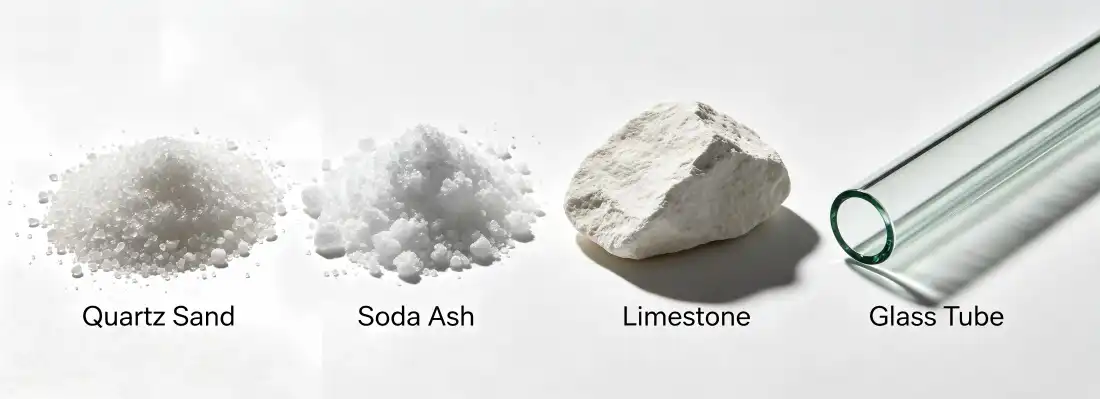
Most modern perfume bottles are made of high-quality borosilicate glass, which is valued for being chemically harmless and long-lasting. This Type III glass doesn't react with alcohol-based formulas or essential oils, so the scent stays the same throughout the product's life. The surface isn't porous, so it stops the perfume from absorbing or spreading germs. This keeps the perfume's original smell.
Clear glass is still the standard way to show off the color and clarity of a fragrance, but frosted finishes give fragrances an elegant matte look that luxury consumers like. Color-treated varieties have better UV protection, which extends shelf life by stopping sensitive aromatic chemicals from breaking down in sunlight. These choices about materials have a direct effect on how long a product lasts, so technical specs are very important for B2B buyers who want to make sure the quality of their products.
The Sustainability Imperative
Being aware of the environment has changed how the packaging business chooses materials. Now, recycled glass technology can reach purity levels that are similar to those of new materials, while cutting the amount of energy used in production by about 30 percent. This change is made because of rising government rules and customer demands for environmentally friendly packaging.
In addition to recycled content, more and more providers offer refillable 30ml perfume glass bottle systems that make products last longer and produce less waste. Customers can keep the beautiful bottle and buy fragrance refills with modular designs, which builds long-term customer relationships and supports the circular economy. These innovations are especially appealing to brands that care about the environment and want to stand out in a crowded market.
When purchasing teams look at suppliers, they should look at environmental certifications, carbon footprint reports, and commitments to waste reduction programs. Working with manufacturers who care about the environment not only helps with compliance goals but also improves the brand's image. When you buy eco-friendly bottles in bulk, you can often save money on costs thanks to better transportation and supplier loyalty programs. This shows that sustainability and profit can work well together.
Design Innovations and Functional Features of Modern Perfume Bottles
Aesthetic Diversity and Brand Differentiation
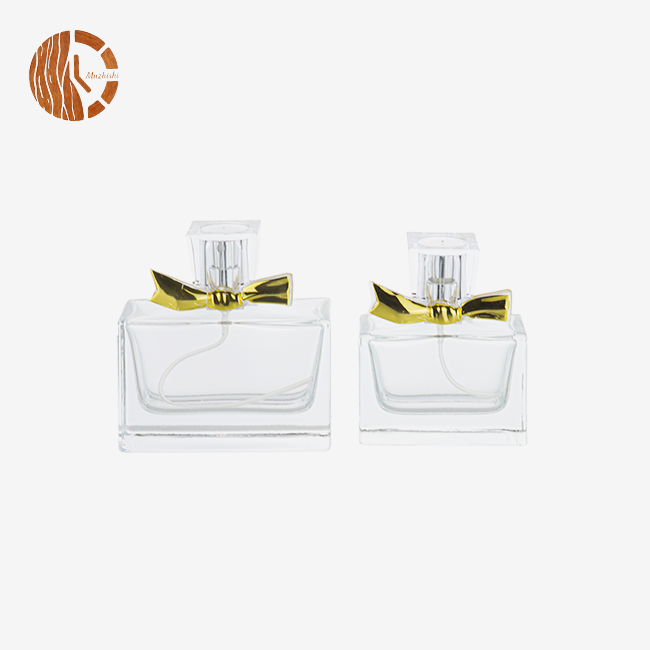
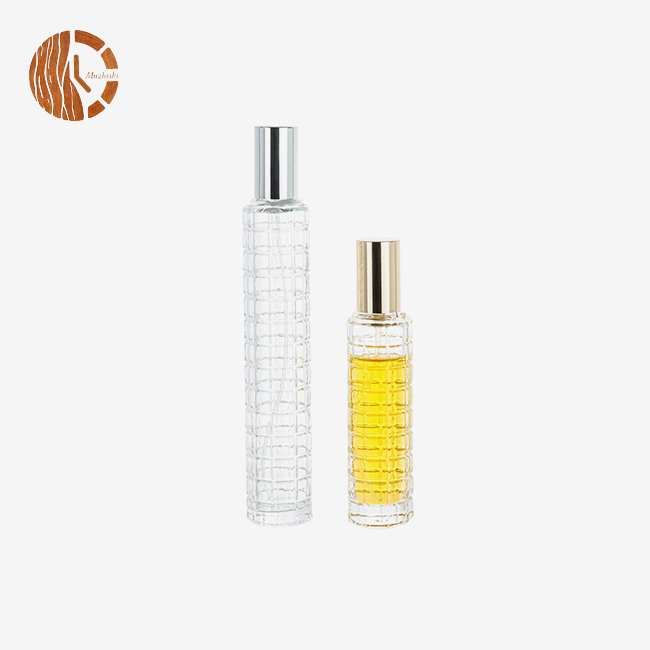
Modern bottle design includes a huge range of styles, from curves that look like they came from the past to very modern geometric shapes. Cylindrical shapes look classic and are good for storage, while square profiles make the most of shelf space and show structured grandeur. With custom molds, brands can make their own shapes that become unique design elements, which helps people recognize the brand and place it in the market.
Surface treatments give bottles more ways to stand out, which turns regular bottles into high-end packing. Metallic finishes in gold, silver, or unique colors can be applied by hot stamping. These add a luxurious look without weakening the material. Screen printing makes it possible to apply logos and color images that last through multiple handling and environmental exposure stages.
When used with backlighting in store displays, inside engraving makes for permanent branding that is both scratch-resistant and eye-catching. Frosting methods make beautiful textures, from soft satin finishes to dramatic matte surfaces that are fun to touch. With these customization choices, buyers can make sure that the look of the packaging matches perfectly with the brand's image and the tastes of the target market.
Functional Engineering and User Experience
Dispensing mechanisms have changed a lot since the days of simple screw caps. They now work with a wider range of products and meet more consumer standards. Spray pumps create controlled atomization that makes applying fragrances easier and waste less. Precision-engineered actuators make sure that spray patterns are always the same and that the triggering pressure is just right, which adds to the perceived quality of the product.
Dropper assemblies are used for exact dosing tasks, like with perfume oils and other specialty formulations that are very concentrated. Rollerball applicators are small, portable, and won't spill, making them great for travel and precise flavor placement. To make sure the closing system seals well and doesn't let air escape during storage or transport, the neck finish must meet certain standards.
The heavy-bottom design philosophy addresses multiple functional objectives simultaneously. Because the weighted base lowers the center of gravity, it is less likely to tip over while being filled or used by a customer. This well-thought-out engineering also gives the product the high-end feel that buyers of luxury goods expect, providing a sensory experience that boosts the product's value. Tough tests, like 24-hour inverted leak tests, are done on airtight closing mechanisms with silicone gaskets to make sure there is no evaporation and no spillage along the supply chain.
How to Choose the Right Perfume Glass Bottle for Your Business?
Defining Your Market Position and Requirements
Before you can choose the right packaging, you need to know exactly how you want to place your brand and who you want to buy from you. Luxury niche brands need bottles that make them seem exclusive by using unique designs and high-quality materials. Travel retail outlets want sizes that are TSA-compliant and built to withstand being handled a lot. Elegant sizes that look great in photos and look great arranged in custom show boxes are good for companies that sell gifts and high-end goods.
The standards for material durability must match the needs of the distribution channel. When bottles are shipped internationally, they are put under a lot of mechanical stress, which means they need to be built stronger and packaged in safe ways. In stores with a lot of light, UV-protective glass types are needed to keep products from turning colors after being on display for a long time. By knowing these operating limits, you can narrow down your supplier choices to those who can meet technical performance standards.
Evaluating Supplier Capabilities and Partnership Potential
In addition to product specs, choosing the right provider has a huge effect on long-term success. OEM and ODM capabilities decide how flexible customization is, ranging from small changes to the brand to completely unique perfume glass bottle designs. Time-to-market for new products and seasonal lines is affected by how fast prototypes are made. When suppliers offer sample response times of three to five days, testing and iteration cycles can happen quickly, which speeds up product development.
Production flexibility makes sure that your supply stays steady as your business grows. Manufacturers with specialized account management make it easy to communicate and coordinate projects. Advantages in the supply chain, like working with local raw material suppliers, lead to lower prices without lowering the standard. Full export services, including clearing customs, making sure paperwork is correct, and coordinating processes, make buying things internationally easier. This is especially helpful for buyers who are in charge of distributing goods in more than one country.
Price competitiveness needs to be looked at as a whole, not just in terms of unit cost, but also in terms of overall cost of ownership. This includes making the best use of freight, minimum order amounts, payment terms, and how quickly you can help customers after the sale. When you look at established market leaders next to specialized manufacturers, you can see that name recognition and flexible service are two things that can be traded off. By evaluating suppliers in detail across these dimensions, you can make smart choices that maximize return on investment while lowering supply chain risks.
Best Practices for Using and Maintaining Perfume Bottles
Proper Handling and Storage Protocols
To keep the quality of a product throughout its life, care must be taken with how it is treated and where it is kept. Keep glass bottles out of direct sunlight and in places that keep the temperature stable so that heat and UV light don't break them down. When you stack things the right way, they don't get scratched or broken and look good until they are sold.
The methods for refilling must be kept clean so that they can work. Bottles should be cleaned well with the right fluids and left to dry completely before adding new mixtures. When you use filtered tubes, you cut down on the amount of pollution that could cloud the smell or clog the pump. Take these steps to make bottles last longer and keep them looking the way people want them to.
Addressing Common Operational Challenges
There are often issues that arise when businesses buy from each other that lower the quality of the goods and make customers unhappy. Leaks are generally caused by interfaces between the pump and the neck that don't fit right or by closing gaskets that aren't pressed down enough. Having very exact neck finish standards (within ±0.1mm) makes sure that they work with close systems and stops costly returns.
If something is exposed to UV light for a long time or to scents that react chemically with cheap glass, it can change color. You can lower these risks by asking for Type III borosilicate glass and coats that block UV light. Broken goods getting lost in shipping are still a problem in global supply chains. Using protective inserts and foam padding in reinforced packaging can lower the number of breaks. Insurance can help pay for losses that happen during shipping.
Promoting the ability to refill and creative reuse can turn issues with trash dumped into chances to make money. People will be more loyal to your brand if you tell them about the benefits of eco-friendly packaging. Giving clear instructions on how to clean and reuse something keeps people interesting after they've bought it once, which builds good feelings that lead to more purchases. These steps make sure that strategies for buying things are in line with bigger efforts to be a responsible business, and they also take care of practical operational issues.
Conclusion
There has always been a desire to put beauty inside beauty, as shown by the different styles of perfume boxes. From being made by hand in the past to being made with great accuracy today, perfume glass bottles are more than just useful tools; they are now important parts of brand names. This is shown by the 30ml form, which has a high-end look but is also handy and portable, so it can meet the needs of many customers. When purchasing managers have historical background, material knowledge, and supplier evaluation frameworks at their hands, they can make strategic decisions that improve how goods are positioned and make sure operations run smoothly. There will still be strict quality standards, the ability to customize, and worries about the environment that will shape the future of perfume packaging. This will open up opportunities for brands that work with makers who are coming up with new ideas.
FAQ
What makes a 30ml size optimal for perfume packaging?
The 30ml capacity represents the ideal compromise between perceived luxury and practical portability. This approximately one-fluid-ounce volume provides sufficient product for extended use while remaining TSA-compliant for air travel. The size allows premium brands to offer accessible entry points without diminishing luxury positioning, making it perfect for discovery sets, limited editions, and seasonal collections.
How do I ensure bottle quality meets international standards?
Reputable suppliers conduct multi-stage quality inspections aligned with ISO 9001 and ISO 15378 standards. Critical tests include vertical load assessments for pump compatibility, vacuum leak testing at -0.05 to -0.08MPa pressure, dimensional verification within ±0.1mm tolerances, and polariscope stress analysis to prevent spontaneous breakage. Request documentation of these quality control protocols during supplier evaluation.
Can glass bottles accommodate various fragrance formulations?
High-grade borosilicate glass provides excellent chemical stability with alcohol-based perfumes, oil formulations, and water-soluble fragrances. The non-porous, non-reactive surface prevents absorption and maintains olfactory integrity. Confirming Type III or higher glass specifications ensures compatibility with even the most sensitive aromatic compounds and essential oils.
What customization options best enhance brand recognition?
Surface treatments including hot stamping, screen printing, and inside engraving deliver permanent branding that withstands handling throughout distribution. Frosted finishes create tactile differentiation, while custom shapes require proprietary molds for exclusive designs. Coordinated packaging with branded boxes and accessories completes the unboxing experience, maximizing shelf impact and consumer engagement.
Partner with Muzhishi for Premium Perfume Glass Bottle Solutions
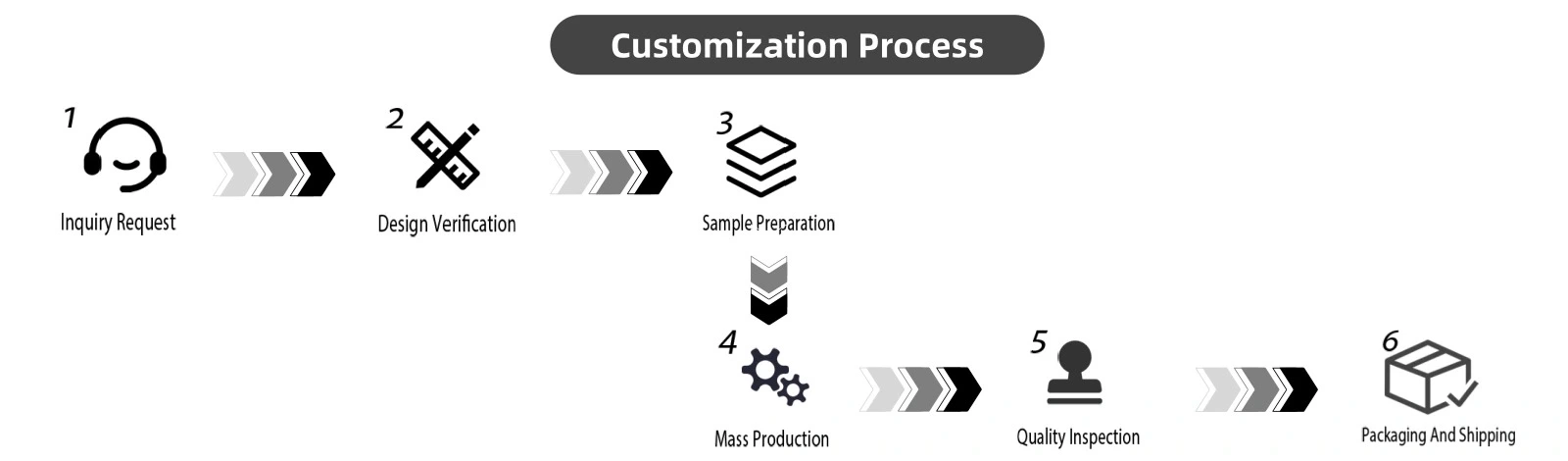
It has been twenty years since Xuzhou Muzhishi Crafts Co., Ltd. has been making and customizing perfume glass bottles. As a well-known company that makes 30ml perfume glass bottles, we offer full ODM/OEM services, from coming up with the initial idea to distributing it all over the world. Hot stamping, frosting, inside engraving, and screen printing are just a few of the advanced customization options we offer. These options let you present your brand precisely on cylinder, square, and custom mold shapes.
Because of the way our supply chain works, we can cut the cost of raw materials by 10 to 15 percent while still keeping high quality standards that are checked by ISO-compliant testing protocols. Rapid prototyping lets you get sample bottles in three to five days, which shortens the time it takes to build a new product. Dedicated account management makes sure that communication is quick and clear at all stages of a project, and the ability to import and export goods on your own makes customs clearance and foreign logistics easier.
Whether sourcing for home décor collections, corporate gifting campaigns, or luxury fragrance launches, our technical team provides consultation tailored to your specific procurement objectives. Contact us at long@muzhishi.com to discuss how our 30ml perfume glass bottle supplier expertise can elevate your packaging strategy and strengthen your competitive market position.
References
1. Martin, Wendy. "Glass Containers: Production, Properties and Applications in Perfume Packaging." Journal of Industrial Materials Science, Vol. 42, No. 3, 2019, pp. 287-304.
2. Rousseau, Claire. The Art of Perfume Bottle Design: History, Innovation, and Aesthetics. Thames & Hudson Publishing, 2021.
3. Chen, Michael and Sarah Thompson. "Sustainability Trends in Cosmetic Packaging: Material Innovations and Consumer Preferences." International Journal of Sustainable Manufacturing, Vol. 15, No. 2, 2022, pp. 156-178.
4. Delacroix, Philippe. From Murano to Modernity: Five Centuries of Glass Craftsmanship. Rizzoli International Publications, 2020.
5. Anderson, Patricia. "Technical Standards for Perfume Bottle Manufacturing: Quality Assurance and Testing Protocols." Packaging Technology Review, Vol. 38, No. 4, 2023, pp. 412-429.
6. Zhang, Wei and Laura Martinez. "Consumer Psychology and Luxury Packaging: The Impact of Bottle Design on Purchase Decisions." Marketing Science Quarterly, Vol. 29, No. 1, 2023, pp. 67-89.


Our customers’ satisfaction speaks for our quality — contact us to experience the same reliable service.