- English
- French
- German
- Portuguese
- Spanish
- Russian
- Japanese
- Korean
- Arabic
- Greek
- German
- Turkish
- Italian
- Danish
- Romanian
- Indonesian
- Czech
- Afrikaans
- Swedish
- Polish
- Basque
- Catalan
- Esperanto
- Hindi
- Lao
- Albanian
- Amharic
- Armenian
- Azerbaijani
- Belarusian
- Bengali
- Bosnian
- Bulgarian
- Cebuano
- Chichewa
- Corsican
- Croatian
- Dutch
- Estonian
- Filipino
- Finnish
- Frisian
- Galician
- Georgian
- Gujarati
- Haitian
- Hausa
- Hawaiian
- Hebrew
- Hmong
- Hungarian
- Icelandic
- Igbo
- Javanese
- Kannada
- Kazakh
- Khmer
- Kurdish
- Kyrgyz
- Latin
- Latvian
- Lithuanian
- Luxembou..
- Macedonian
- Malagasy
- Malay
- Malayalam
- Maltese
- Maori
- Marathi
- Mongolian
- Burmese
- Nepali
- Norwegian
- Pashto
- Persian
- Punjabi
- Serbian
- Sesotho
- Sinhala
- Slovak
- Slovenian
- Somali
- Samoan
- Scots Gaelic
- Shona
- Sindhi
- Sundanese
- Swahili
- Tajik
- Tamil
- Telugu
- Thai
- Ukrainian
- Urdu
- Uzbek
- Vietnamese
- Welsh
- Xhosa
- Yiddish
- Yoruba
- Zulu
The Impact of Perfume Bottle Design on Your Fragrance Experience
What does perfume smell like or the bottle when you think of it? In fact, most people don't understand how these two things work together. The way your perfume is packaged has a big impact on how people smell and feel the scent inside. A well-made 30ml perfume glass bottle does more than just hold liquid; it also protects delicate aromatic compounds, changes how well the spray works, and acts as an unspoken brand ambassador on store racks. Understanding this link changes how you make decisions about packaging, whether you're launching a niche fragrance line, making corporate gift collections, or providing venues for events. Let's look at how the design of the bottle affects the quality of the scent, customer happiness, and your bottom line.
Understanding 30ml Perfume Glass Bottles: Design, Materials, and Usage
There are different sizes of perfume glass bottles, but the 30ml size is the most popular in the business. This amount is equal to about one fluid ounce, which is the perfect mix between portability and luxury. This size, which is bigger than sample vials but smaller than full-sized bottles, lowers the risk of running out of stock for brands that are trying new scents while still keeping the high-end look that people expect from good fragrances.
Material Composition and Fragrance Preservation
The type of glass you choose has a big impact on how well your fragrance stays true to its original scent. Because Type III borosilicate glass is chemically inert, it won't mix with alcohol-based products or soak up essential oils over time. Because it doesn't combine with anything else, your scent profile stays the same from the factory floor to the customer's vanity. People can see the color of the liquid and how much is left in the container through clear glass. When you frost something, it gives it a beautiful matte texture that spreads light beautifully and feels great to the touch. Colored glass options, like amber, cobalt blue, or unique tints, offer better UV protection, which keeps light-sensitive ingredients from breaking down, which extends the shelf life. Studies have shown that amber glass can block up to 98% of UV rays, which could make volatile chemicals last three times longer than clear glass.
Cap and Atomizer Components
The way the glass is closed is just as important as the glass itself. Premium spray pumps with silicone covers make hermetic seals that keep liquids from evaporating while they are being stored or transported. A good sprayer makes particles of the same size, which affects how the scent spreads on the skin. Finer mists give a better spread and stronger initial projection. Screw caps in gold, silver, or any other color you choose make things look different and keep them closed securely. To make sure there are no leaks, the neck finish—which is usually set at FEA 15mm or DIN 18/415—must match your chosen pump perfectly.
Practical Filling and Maintenance Protocols
Using the right filling methods keeps the fragrance's purity and stops contamination. Bottles should be filled in controlled settings with little exposure to air, and there should be enough headspace for the temperature to rise. The heavy-bottom form of good bottles makes the center of gravity low, which makes them less likely to tip over during fast filling. As part of routine maintenance, the sealing surfaces and pump systems are checked on a regular basis to catch any problems before they affect the quality of the product. By turning full bottles upside down for 24 hours and testing for leaks, any weak spots in the seal that could lead to unhappy customers or returns are found.
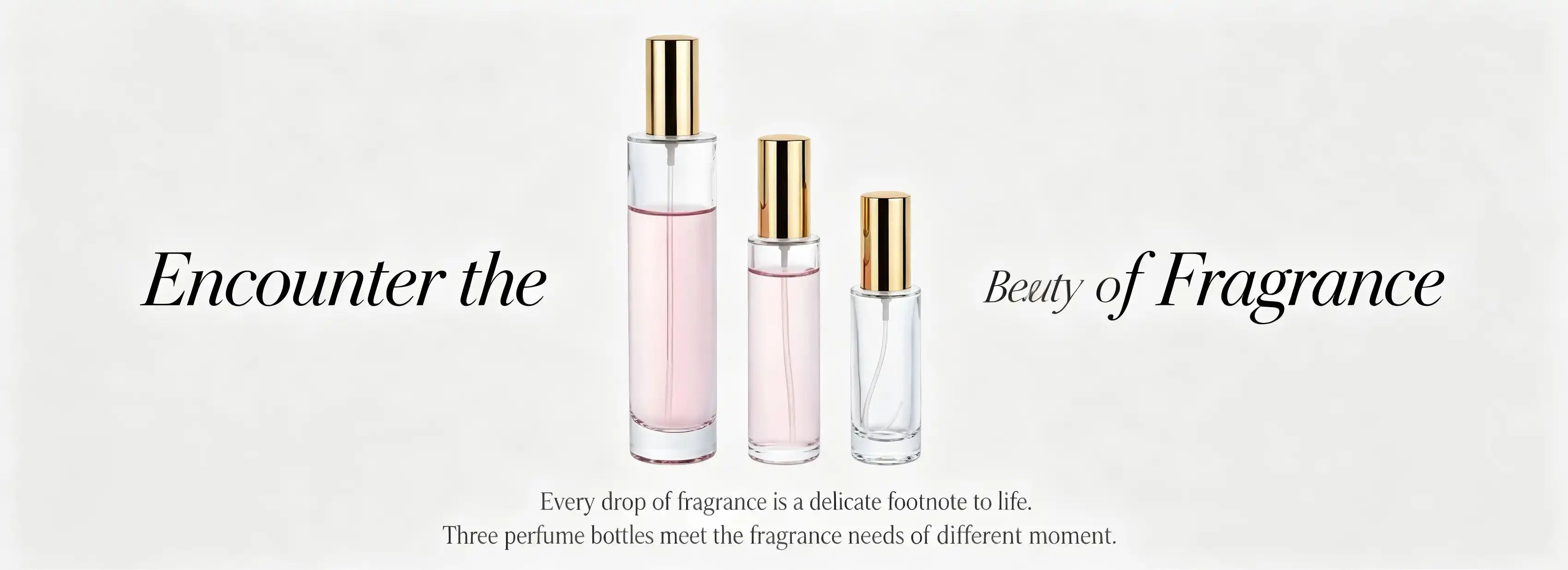
The Influence of Bottle Design on Fragrance Experience and Brand Perception
It's not just pretty to look at; the way your product is packaged affects how the customer interacts with it in every way. Before a single spray of perfume hits the skin, the way the bottle looks sends a message about the brand.
Visual Appeal and Tactile Interaction
Shape psychology has a big effect on how people think about things. For traditional scents, 30ml perfume glass bottles are popular because they give off an air of class and timelessness. Geometric or square designs are modern and daring, which makes them appealing to modern consumers who want unique goods. The way the weight is distributed is very important. Bottles with reinforced bases feel heavy in your hand, which makes you think of luxury and worth. This tactile feedback can help explain higher prices and make people more likely to buy again. Everyday usefulness is affected by ergonomics. Bottles that are easy to hold are more likely to be used again and again, while bottles with odd shapes may sit empty even though they smell great. The activation force and travel distance of the spray mechanism affect how satisfied the user is. Users will associate your brand with good experiences that are easy to use.
Impact on Scent Longevity and Application
How fragrance works on skin is directly related to the quality of the atomizer. The particles made by high-end spray systems are between 20 and 50 microns, which makes fine mists that spread out evenly and evaporate at the best rates. Atomizers that aren't well thought out make irregular drops or streams of liquid, which wastes product and spreads scents unevenly. How stable the temperature is during keeping depends on how thick the glass is. It is better to have thicker walls because they keep out temperature changes that can speed up the loss of smell. When combined with UV-blocking tinting, this thermal buffering keeps smell profiles the same over long retail cycles and in a range of climates.
Brand Differentiation Through Packaging Innovation
The biggest scent companies know that unique packaging gives them an edge over their competitors. When you come up with new designs, they become brand signatures that people quickly recognize. This builds brand equity that goes beyond individual product lines. Eco-friendly packaging is becoming more and more important in B2B purchasing decisions. Buyers for retail chains, hospitality groups, and business gift programs give more weight to suppliers who care about the environment. Glass that can be recycled, simple designs that make less trash, and systems that can be refilled all meet the growing demand for environmentally friendly luxury.
Choosing the Right 30ml Perfume Glass Bottle for Your Business Needs
To choose the right package, you need to make sure that the technical details fit your business needs and the needs of your target market. For each use case, the bottle needs to have different qualities.
Travel-Friendly Versus Stationary Designs
Because 30ml bottles are TSA-compliant in size, they are perfect for travel stores and airline relationships. The small size makes it easy to fit in carry-on luggage, and the construction is shock-resistant so it can handle the mechanical stresses of regular travel. Bottles that are meant to be displayed permanently in shops or hotel rooms may put style over portability by adding artistic elements that could break if they were used for travel. You can choose from 50ml, 100ml, and 150ml capacities, which lets you make product groups that work well together by using the same design language across all size ranges. This visual consistency helps people remember the brand and makes it easier to buy various SKUs.
Material Comparisons: Glass Versus Plastic
Glass is chemically stable and looks expensive, but it costs more and there is a chance that it will break during shipping. Plastic options are cheaper to ship and won't break, but they might react with some fragrance compounds and don't have the same luxurious feel in the hand as glass. Environmental concerns are making glass more and more popular. Consumer surveys consistently show that people who are wealthy and ready to pay more for luxury goods have a better opinion of glass packaging as being more environmentally friendly. When going after high-end markets, this benefit in how people see the product often outweighs the higher production costs.
Essential Procurement Criteria
The most important technical requirement is dependability that can't be leaked. Before goods get to customers, vacuum leak testing at negative pressures between -0.05MPa and -0.08MPa makes sure that the hermetic seal is still intact. How well your packaging tells your brand's identity depends on how customizable it is. Look for providers that offer hot stamping for metallic finishes, screen printing for long-lasting color, engraving on the inside for permanent branding, and frosting for a fancy texture. Compliance with regulations varies by target market. Suppliers who are certified with ISO 9001 and ISO 15378 have quality control systems that meet global standards. Make sure that the glass formulations follow the rules set by the FDA, the EU, and other regions that deal with materials that come into touch with cosmetics. Logistics issues like lead times and minimum order amounts have an effect on how much working capital is needed and how to handle inventory. Samples can be sent within three to five days, which speeds up product development and lets you test the market without having to commit to full production runs.
Procurement Insights: How to Buy and Customize 30ml Perfume Glass Bottles?
To do strategic sourcing, you need to know about the different ways you can buy things and how to use customization choices to make packaging that stands out for your brand while keeping costs low.
Effective Purchasing Channels
Direct manufacturing partnerships for perfume glass bottle production give you the most options for customization and the best prices for big orders. Working directly with makers cuts out the middlemen and gives you access to engineering help for making custom molds. Wholesale distributors work with buyers who need standard designs or moderate amounts without having to spend a lot of money on custom tools. This channel gives you faster access to inventory, but you give up some price and customization choices. Online business-to-business (B2B) marketplaces connect buyers with many sellers, making it easier to compare prices and find products that meet specific needs. These platforms are good for doing preliminary study on suppliers, but you might need to do more work to make sure that suppliers meet your requirements for quality and capabilities.
Volume-Based Pricing Strategies
Unit costs go down a lot as the order number goes up. Procurement professionals can make the most of their budgets by figuring out the number levels where economies of scale save a lot of money. You can get better prices on purchases by combining orders for multiple SKUs or stretching order cycles to make batches bigger. Long-term supply deals often get discounts for large orders and make sure that capacity is allocated during busy times. These agreements make it easier to plan your finances and protect you from price changes in the raw materials markets by making costs predictable.
Comprehensive Customization Options
Standard bottles can be turned into unique assets by treating the outside. Metallic foils in gold, silver, copper, or unique colors can be applied by hot stamping to make accents that look expensive. Screen printing makes graphics that are long-lasting and don't change look during retail cycles. Engraving on the inside makes designs that are permanent and won't scratch or wear off. This way, branding stays on the object for its entire life. Changes in shape give designers full freedom. Suppliers can make special molds for shapes other than standard cylindrical bottles, such as unique geometric shapes, organic curves, or brand-specific silhouettes. Custom shapes cost more to make and require larger minimum order amounts, but they make unique packaging that people will associate with your brand. Full packaging planning includes more than just the bottle. Suppliers that offer combined services give custom boxes, protective inserts, printed labels, and branded accessories that make unboxing experiences that flow together. This one-stop method makes logistics easier and makes sure that all parts of the packaging look the same.
Sample Requests and Approval Processes
Costly mistakes in full production can be avoided by testing a sample first. Ask for real models that meet all of your exact needs, such as the type of glass, color, surface treatments, and closure systems. Carefully check samples to make sure the seal is intact, the spray works, and the samples are compatible with your specific fragrance mixture. Approval procedures should include checking the dimensions with accurate measuring tools, doing a stress analysis to find possible weak spots, and fill testing to make sure your production equipment works well with the bottle's requirements.
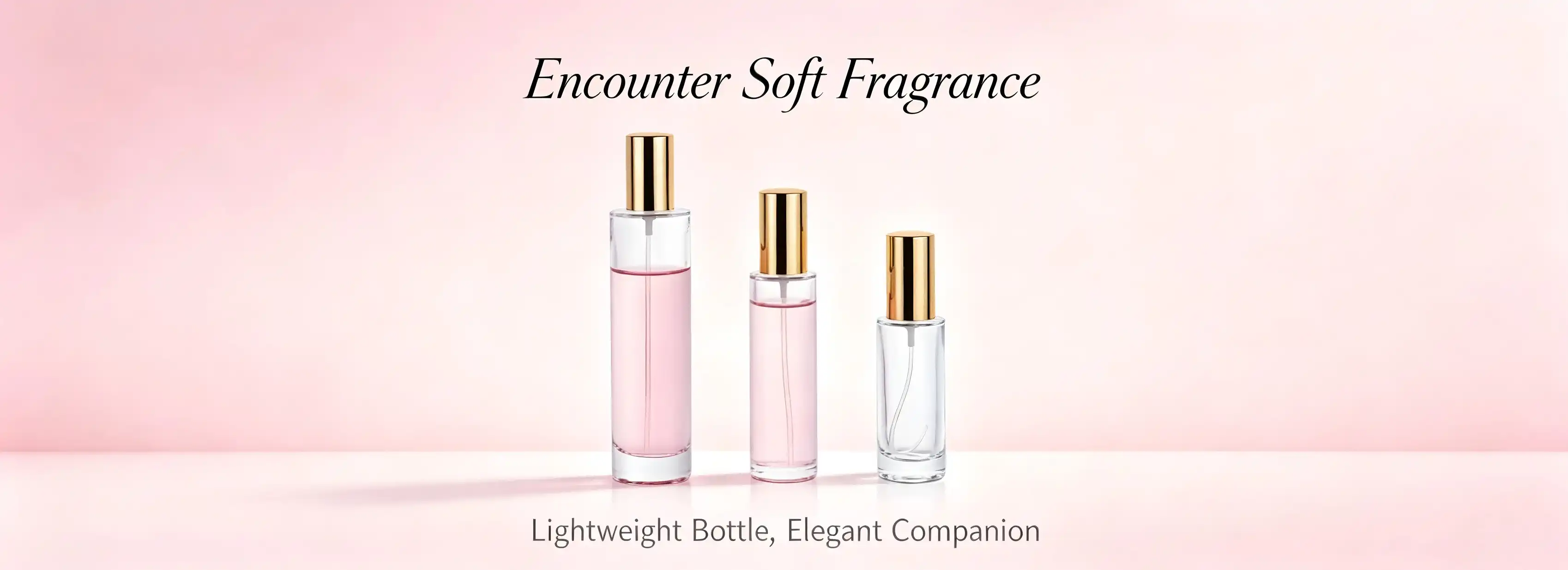
Future Trends and Innovations in Perfume Bottle Design
The fragrance packaging industry is still changing quickly, thanks to the need to be more environmentally friendly and to improve technology. If you know about new trends, you can place your business to take advantage of changing consumer tastes.
Sustainable Materials and Production Methods
Using recycled glass lowers the damage to the earth without changing the quality or look of the product. Post-consumer recycled glass now has the same clarity and stability as new materials. This means that brands can show they care about the environment without sacrificing quality. Lightweighting projects cut down on the thickness of glass in places that aren't needed as much. This saves materials and lowers emissions from transportation. Advanced engineering makes sure that the structure stays strong even though it's lighter, which is good for the environment without lowering performance or quality. Refillable systems are the most environmentally friendly new idea ever. Perfume glass bottles that can be used more than once and have cartridges that can be replaced greatly reduce waste while also opening up possibilities for long-term customer relationships and subscription-based business models.
Smart Technology Integration
Digital atomizers that let users change the spray pattern and dose give them more ways to customize their experience than ever before. These systems can connect to mobile apps that remember what the user likes, keep track of how they're used, and suggest the best ways to use those apps. Closures with sensors built in record openings and environmental conditions, giving information about storage areas and how often they are used. This information helps brands figure out how customers act and find ways to improve their products or come up with new ones that go well with them. Near-field communication chips built into packaging allow for authentication verification. This protects the purity of the brand against counterfeiting and gives customers ways to connect with the brand through their smartphones.
Strategic Implications for B2B Procurement
To respond quickly to these trends, you need flexible purchasing plans and relationships with suppliers that put innovation first. Buyers should not only look at what a potential supplier can do now, but also how much they spend in research, development, and environmentally friendly practices. When you work with makers who are thinking ahead, you can get new technologies before they become standard in your industry. Early adoption gives brands a way to stand out and makes them look like stars in innovation in the eyes of customers.
Conclusion
Perfume bottle design profoundly influences fragrance experience, brand perception, and business success. The right packaging protects delicate compounds, enhances user satisfaction, and communicates brand values that drive purchasing decisions. Strategic procurement of glass bottles with appropriate materials, customization options, and technical specifications creates competitive advantages across diverse market segments. As sustainability and technology reshape consumer expectations, partnering with innovative suppliers who understand these evolving demands ensures your packaging remains relevant and compelling. Thoughtful design investments today build brand equity that delivers returns long into the future.
FAQ
Why does glass material matter for perfume bottles?
Glass provides chemically inert properties that prevent reactions with alcohol-based solvents and essential oils, preserving the original scent profile. Unlike plastic alternatives that may absorb fragrance compounds or leach chemicals into the liquid, high-grade glass maintains formulation integrity throughout the product lifecycle.
How do I ensure my bottles won't leak during shipping?
Verify that suppliers conduct 24-hour inverted leak testing at negative pressure between -0.05MPa and -0.08MPa. Confirm that bottle neck specifications match the gasket hardness of your chosen spray pump. Premium silicone seals create hermetic closures that prevent evaporation and spillage during transit.
What customization options provide the best branding impact?
Hot stamping delivers eye-catching metallic accents that communicate luxury positioning. Inside engraving creates permanent designs resistant to scratching and wear. Frosted finishes provide sophisticated tactile differentiation. The most effective approach combines multiple techniques to create distinctive packaging that reinforces brand identity across visual and tactile dimensions.
What minimum order quantities should I expect?
MOQs vary significantly based on customization complexity. Standard bottles with basic printing may require minimums around 5,000-10,000 units, while custom mold development for unique shapes typically demands 20,000-50,000 pieces to justify tooling investments. Discuss your volume expectations early in supplier conversations to identify partners aligned with your business scale.
Partner with Muzhishi for Premium 30ml Perfume Glass Bottle Solutions
Xuzhou Muzhishi Crafts Co., Ltd. brings two decades of glass manufacturing expertise directly to your procurement needs. As an established 30ml perfume glass bottle manufacturer, we offer comprehensive ODM/OEM services covering design conceptualization through global delivery. Our Type III borosilicate glass bottles provide the chemical stability your formulations demand, while customization capabilities including hot stamping, frosting, screen printing, and inside engraving transform packaging into powerful brand assets. Samples arrive within three to five days, accelerating your product development timeline. Our self-operated import/export operations handle customs clearance, documentation preparation, and logistics coordination, ensuring smooth international shipping that meets compliance requirements across destination markets. Strategic partnerships with regional suppliers reduce raw material costs while maintaining premium quality standards. Contact our team at long@muzhishi.com to discuss your specific requirements and discover how our one-stop glass packaging solutions can elevate your fragrance brand.
References
Robertson, Gordon L. "Glass Packaging for Food and Beverages." Food Packaging: Principles and Practice, Third Edition. CRC Press, 2012.
Rowe, David J. "Chemistry and Technology of Flavors and Fragrances." Blackwell Publishing, 2005.
Calkin, Robert R. and Jellinek, J. Stephan. "Perfumery: Practice and Principles." John Wiley & Sons, 1994.
Soroka, Walter. "Fundamentals of Packaging Technology, Fifth Edition." Institute of Packaging Professionals, 2014.
Lindström, Martin. "Brand Sense: Sensory Secrets Behind the Stuff We Buy." Free Press, 2005.
Marsh, Kenneth and Bugusu, Betty. "Food Packaging—Roles, Materials, and Environmental Issues." Journal of Food Science, Volume 72, Issue 3, 2007.

Our customers’ satisfaction speaks for our quality — contact us to experience the same reliable service.