- English
- French
- German
- Portuguese
- Spanish
- Russian
- Japanese
- Korean
- Arabic
- Greek
- German
- Turkish
- Italian
- Danish
- Romanian
- Indonesian
- Czech
- Afrikaans
- Swedish
- Polish
- Basque
- Catalan
- Esperanto
- Hindi
- Lao
- Albanian
- Amharic
- Armenian
- Azerbaijani
- Belarusian
- Bengali
- Bosnian
- Bulgarian
- Cebuano
- Chichewa
- Corsican
- Croatian
- Dutch
- Estonian
- Filipino
- Finnish
- Frisian
- Galician
- Georgian
- Gujarati
- Haitian
- Hausa
- Hawaiian
- Hebrew
- Hmong
- Hungarian
- Icelandic
- Igbo
- Javanese
- Kannada
- Kazakh
- Khmer
- Kurdish
- Kyrgyz
- Latin
- Latvian
- Lithuanian
- Luxembou..
- Macedonian
- Malagasy
- Malay
- Malayalam
- Maltese
- Maori
- Marathi
- Mongolian
- Burmese
- Nepali
- Norwegian
- Pashto
- Persian
- Punjabi
- Serbian
- Sesotho
- Sinhala
- Slovak
- Slovenian
- Somali
- Samoan
- Scots Gaelic
- Shona
- Sindhi
- Sundanese
- Swahili
- Tajik
- Tamil
- Telugu
- Thai
- Ukrainian
- Urdu
- Uzbek
- Vietnamese
- Welsh
- Xhosa
- Yiddish
- Yoruba
- Zulu
How to Buy High-Quality Glass Wine Bottles?
To buy high-quality glass wine bottles, you need to know about the materials used, the supplier's reputation, the ability to customize, and how to make the processes work smoothly. To be successful at procurement, you need to look at guidelines for glass purity, compliance with certifications, structural integrity tests, and price models based on quantities. Good wine bottle containers keep the quality of the product and improve brand standing in retail, hospitality, and delivery outlets. Buyers should give more weight to makers whose factories are ISO-certified, whose supply chain paperwork is clear, and whose customization services are flexible enough to meet branding needs like engraving logos or specifying custom colors.
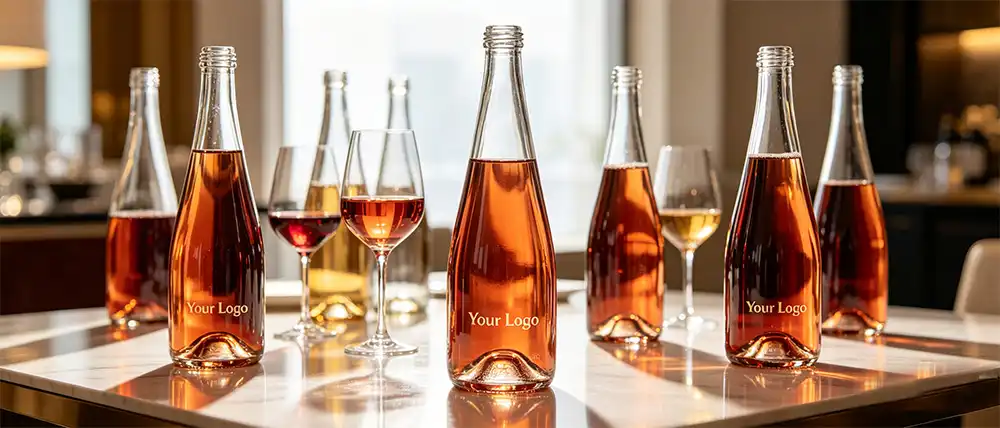

Understanding Glass Wine Bottles and Their Key Characteristics
The cases that wine bottles come in are made to keep the liquid inside safe from environmental damage while also making storage and transporting easier. Soda-lime-silica glass, which is the basic material, is completely chemically neutral, so it doesn't change the taste of the food or cause any other unpleasant reactions that could lower the quality of the food over long periods of time.
Types and Material Composition
Clear flint glass is the clearest type of glass, so people can enjoy the color and brightness of wine. This type has very little iron in it—usually less than 0.02%—so it is optically pure. When it comes to UV protection, amber and antique green options are good choices. Amber glass blocks about 90% of dangerous rays in the 200–450nm wavelength range. These colored choices keep light-struck flaws from making sulfur compounds that are unpleasant in sensitive wine types.
Standard 750ml bottles, which are the standard in the business, have certain dimensions that make them compatible with production lines. Automated filling equipment works well in a variety of production sites thanks to its height of about 28.8 cm and width of about 8.4 cm. When it comes to weight, structural integrity and shipping costs must be balanced. Depending on the wall thickness standards, a normal bottle weighs between 380 and 420 grams.
Quality Indicators and Performance Standards
High-performance wine bottles keep their hydrolytic resistance scores at or above Class HGB1 levels, which means that no minerals will leach out during long-term keeping. This trait is necessary for high-quality old wines that need to be stored for ten years. Thermal shock resistance, or the ability to handle temperature differences of more than 40°C, helps with cold chain operations and processing without causing stress fractures.
Another important criterion is the pressure tolerance, especially for sparkling wine uses. Good glass wine bottles can handle pressures inside that reach 5 bar, which keeps them from breaking completely during secondary fermentation or changes in temperature. When the vertical load capacity is more than 1.5 tons, it is safe to stack pallets in a warehouse, which increases storage density without affecting the stability of the containers.
By understanding these technical details, B2B buyers can make sure that bottle standards match the traits of the wine and the needs of distribution. For controlled aging, red wine bottling operations may focus on oxygen transfer rates, while sparkling wine makers pay more attention to pressure certification. Distributors who focus on exports stress the importance of impact resistance for international shipping, while premium estate wineries stress the importance of aesthetic qualities that support their luxury marketing strategies.
How to Evaluate Glass Wine Bottles Before Purchase (Criteria Screening Approach)
Setting clear requirements that are in line with product features and what the target market wants is the first step in using an effective buying technique. When it comes to bottles, red wine needs different qualities than sparkling wine. For red wine, the bottles need to be able to control the flow of air so that the wine can age slowly, while for sparkling wine, they need to be able to handle high internal pressures.
Core Quality Assessment Metrics
Analysis of the glass's makeup is the basis for judging its quality. Soda-lime-silica mixtures are the best combination for chemical stability and cost-effective production. Buyers should ask for specific composition certificates that list the amounts of iron content, since this has a direct effect on how neutral the color is and how well it transmits UV light. Purity standards get rid of obvious flaws like seeds, stones, or cord marks so that the eye quality is the same from batch to batch.
Weight uniformity is a less direct way to measure how well something was made. Differences of more than 2% between batch samples show that the process controls aren't working well, which could show up as differences in size that hurt the filling line's performance. Spectrophotometric testing is needed to make sure that colors are consistent across big orders. This is especially important for branded bottle programs where visual uniformity helps people recognize the brand.
Supplier Credibility Verification
Portfolios of certifications show how committed a company is to quality control systems. ISO 9001 certification shows that there is a method for controlling quality, and food-contact certifications show that the packing for drinks meets safety rules. Reports from third-party inspection groups like SGS provide independent confirmation of the ability to manufacture and the regularity of quality.
The evaluation of manufacturing knowledge goes beyond just reviewing certifications. Tolerance levels and failure rates are affected by how old the production site is and how advanced the equipment is. When compared to older mechanical systems, suppliers who use modern IS (Individual Section) tools with electrical timing settings offer more consistent sizes. The annual production capacity shows how much the business could grow, which is important for buyers who expect volume growth or seasonal changes in demand.
Packaging and Logistics Considerations
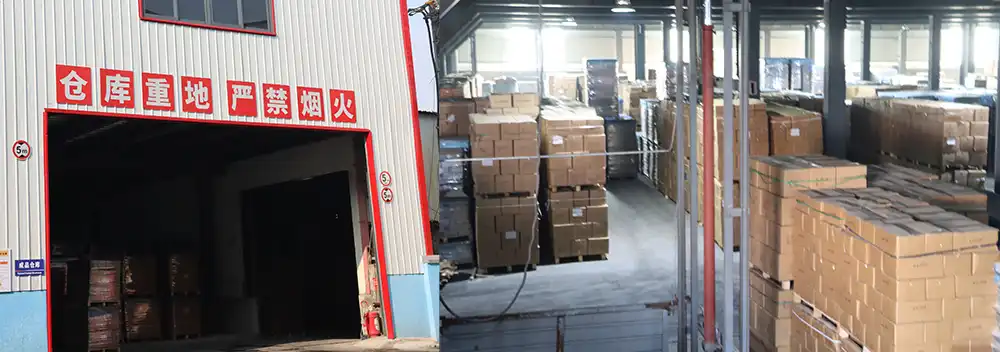
Protective package design has a direct effect on how often things break while being shipped. Quality providers use custom-made cartons with gaps that separate the sections. This keeps the glass from touching each other, which would cause micro-abrasions that weaken the bottle's integrity. Optimized pallet layouts for shipping containers improve load efficiency while reducing stress caused by movement.
Lead time promises need to be carefully thought through, weighing the costs of keeping goods against the risk of running out of it. Standard bottle configurations usually ship in two to three weeks, but special forms that require mold production take six to eight weeks. Minimum order quantities (MOQs) are based on how much it costs to make a product. Lower MOQs give you more freedom, but they usually come with higher prices.
Customization options are a big part of value for buyers who care a lot about brands. Different ways to treat the surface, like hot pressing, screen printing, and etching on the inside, let your brand stand out. Suppliers that offer full decoration services, from initial design advice to production integration, make it easier to run projects and coordinate with multiple suppliers.
Sourcing and Purchasing Glass Wine Bottles for B2B Procurement
Finding and Buying glass wine bottles for Business-to-Business requires a methodical approach that includes digital research, industry networking, and strict due diligence methods for finding and qualifying suppliers.
Supplier Identification Strategies
Online B2B platforms are good for the first round of screening because they collect seller profiles and make them searchable by filtering by capability. Platform verification tools can help buyers confirm that an item is real, but they should also get independent proof. Industry trade shows, especially specialized glass packing shows, let buyers talk directly with manufacturers, which lets buyers try out products and build relationships that are important for long-term partnerships.
Verifying references with current clients gives real information about performance that goes beyond what marketers say. Asking for views of a production plant, either in person or online, shows how complex the manufacturing process is and what kind of quality control systems are in place. Cleaning standards, equipment repair procedures, and training programs for employees are all good ways to tell if an operation is running smoothly.
Pricing and Contract Optimization
Volume-based pricing systems use economies of scale to reward customers who make bigger promises. Knowing the tier levels lets you place smart orders that get the most out of discounts without requiring you to keep too much inventory on hand. Contract terms should include price stability times that protect against changes in raw materials, especially when market prices affect the amount of soda ash and silica that is used.
Negotiating payment terms strikes a balance between the needs of managing source risk and the efficiency of working capital. Letters of credit protect foreign deals and allow for competitive prices that aren't possible with terms of advance payment. Buyers who already have a relationship with a source may be able to negotiate longer payment terms that help them manage their cash flow.
Sustainable Sourcing Considerations
Eco-friendly bottle choices made with recycled glass meet the needs of companies that have to meet sustainability requirements that are becoming more common in buying policies. Post-consumer cullet integration cuts down on the energy needed for freezing processes and keeps trash out of landfills. Certification programs that keep track of the amounts of recycled material make it possible to report on sustainability accurately, which meets ESG disclosure standards.
As we've already said, efforts to make things lighter have environmental benefits that go beyond material reduction. Transportation emission reductions increase equally with weight reductions, making a positive impact on the carbon footprint of delivery networks that can be measured. Life cycle assessment data from forward-thinking suppliers helps companies make decisions that are in line with their climate goals by giving them a way to measure the total environmental effect.
Custom Order Process Management
Design teamwork starts with creating technical specifications that turn the brand's idea into bottle shapes that can be made. Suppliers with a lot of experience offer design advice services that help developers find problems with production early on in the process. Prototype sample, which can be done in three to five days for basic customization, lets you see how the product works before you spend money on production tools.
The economics of mold amortization are reflected in the minimum order numbers for unique designs. Standard customization that involves decorating the surface usually requires lower volume promises than custom bottle forms that need to be made with a special mold. Knowing about these economic factors helps with planning projects and allocating budgets in a sensible way.
Managing the production timeline requires organized communication between the steps of finalizing the design, making the mold, planning the production schedule, and checking the quality. Setting clear goals and keeping an eye on progress stops schedule slippage that leads to launch delays or stock shortages.
At Xuzhou Muzhishi Crafts Co., Ltd., we offer complete wine bottle options by combining twenty years of experience making glasses with a service system that focuses on the customer. Our 750ml bottles come in clear, amber, and unique colors, and they can be treated on the outside in a lot of different ways, such as by hot stamping, engraving on the inside, or screen printing. Our self-operated import-export powers make foreign logistics easier, and dedicated account management makes sure that each project gets the personal attention it needs. Our partnerships with local providers of raw materials save us 10-15% on costs compared to other options on the market, and our ability to do quick sampling (3-5 days) speeds up the development process. ISO 9001 approval and thorough testing procedures make sure that the quality stays the same during large-scale production runs.
Conclusion
To buy good glass wine bottles packing, you need to think about the quality requirements, the supplier's skills, the ability to make changes, and the overall cost. Professionals who are good at buying set clear definitions of what is needed that are in line with the traits of the wine and the company's market positioning strategies. Systematic seller approval processes check for manufacturing knowledge, compliance with certifications, and operating dependability, all of which are important for building long-term relationships. It is possible to make smart choices that support both short-term operating needs and long-term company goals by balancing material performance, sustainability standards, and economic efficiency. Putting money into careful evaluation and building relationships pays off with lower defect rates, a more stable supply chain, and better brand identity.
FAQ
What are typical lead times for customized wine bottle orders?
Standard bottle shapes that have surface customizations like screen printing or labeling usually take two to three weeks from order approval to delivery, as long as the artwork and specs are accepted. Custom bottle forms that need a new mold to be made push back the schedule to 6–8 weeks to include finalizing the design, making the mold, getting approval from samples, and production runs. Rush service choices may cut down on wait times by 30 to 40 percent, but they cost more.
How do I verify food-grade safety certifications?
Manufacturers with a good reputation show proof that they follow food contact rules by showing certification documents from approved testing labs. In the US, packing has to follow FDA rules set out in 21 CFR laws. International sellers should show proof that they meet the standards of the final market by giving certificates. Instead of taking vague claims of compliance, ask for specific test results that show migration testing and material makeup analysis.
What environmental benefits do recyclable wine bottles provide?
Glass can be recovered over and over again without losing any of its quality. Used bottles can be turned into new containers over and over again. About 30% less energy and raw materials are used to make each ton of recovered glass, and the same amount of carbon dioxide is released into the air. The use of recovered materials helps the circular economy and lets companies report on their sustainable efforts in a way that can be measured.
Partner With Muzhishi for Your Premium Wine Bottle Requirements
Xuzhou Muzhishi Crafts Co., Ltd. has been making specialty glasses for twenty years and works with winemakers, wholesalers, and brand companies around the world. Our wide range of 750ml glass wine bottles is made from high-quality materials and can be customized in a lot of ways, such as by hot pressing, engraving on the inside, or screen printing. We know that trusted suppliers do more than just send goods; they also work with you to help your business succeed and meet your brand's goals. Our dedicated account management team gives you personalized advice based on your unique needs, and our self-operated import-export infrastructure makes sure that foreign logistics go smoothly with full documentation support. Strategic partnerships with local providers of materials can save you 10-15% on costs, and our fast sampling service can get you prototypes in 3–5 days, which cuts down on project timelines. Email our team at long@muzhishi.com to talk about your wine bottle supplier needs and to get personalized models that show how well we can make things.
References
1. Wine Packaging Council. (2023). "Technical Standards for Glass Wine Bottles: Material Specifications and Performance Testing." Wine Industry Technical Journal, Volume 45, pp. 78-94.
2. Robertson, G.L. (2021). "Food Packaging: Principles and Practice, Fourth Edition." CRC Press, Chapter 8: Glass Packaging Materials, pp. 201-234.
3. International Organization of Vine and Wine. (2022). "Global Wine Packaging Trends: Sustainability and Consumer Preferences." OIV Statistical Report, pp. 112-128.
4. Kelley, K.M. and Hyde, J. (2020). "Packaging Perceptions and Wine Purchase Decisions: A Consumer Research Study." International Journal of Wine Business Research, Volume 32, Issue 4, pp. 487-503.
5. European Container Glass Federation. (2023). "Glass Recycling and Circular Economy: Environmental Impact Assessment." FEVE Sustainability Report, pp. 23-41.
6. Zhang, Y. and Thompson, M. (2021). "Quality Control in Glass Manufacturing: Statistical Methods and Process Optimization." Journal of Materials Processing Technology, Volume 298, pp. 117-132.

Our customers’ satisfaction speaks for our quality — contact us to experience the same reliable service.