- English
- French
- German
- Portuguese
- Spanish
- Russian
- Japanese
- Korean
- Arabic
- Greek
- German
- Turkish
- Italian
- Danish
- Romanian
- Indonesian
- Czech
- Afrikaans
- Swedish
- Polish
- Basque
- Catalan
- Esperanto
- Hindi
- Lao
- Albanian
- Amharic
- Armenian
- Azerbaijani
- Belarusian
- Bengali
- Bosnian
- Bulgarian
- Cebuano
- Chichewa
- Corsican
- Croatian
- Dutch
- Estonian
- Filipino
- Finnish
- Frisian
- Galician
- Georgian
- Gujarati
- Haitian
- Hausa
- Hawaiian
- Hebrew
- Hmong
- Hungarian
- Icelandic
- Igbo
- Javanese
- Kannada
- Kazakh
- Khmer
- Kurdish
- Kyrgyz
- Latin
- Latvian
- Lithuanian
- Luxembou..
- Macedonian
- Malagasy
- Malay
- Malayalam
- Maltese
- Maori
- Marathi
- Mongolian
- Burmese
- Nepali
- Norwegian
- Pashto
- Persian
- Punjabi
- Serbian
- Sesotho
- Sinhala
- Slovak
- Slovenian
- Somali
- Samoan
- Scots Gaelic
- Shona
- Sindhi
- Sundanese
- Swahili
- Tajik
- Tamil
- Telugu
- Thai
- Ukrainian
- Urdu
- Uzbek
- Vietnamese
- Welsh
- Xhosa
- Yiddish
- Yoruba
- Zulu
Best Wide Mouth Glass Drinking Bottles for Everyday Use
When companies look for the best wide mouth glass drinking bottle for everyday use, they're not just buying a container. They're also picking a long-lasting, healthy solution that fits with what current customers care about. A wide mouth glass drinking bottle is both functionally designed and made of pure materials. Its larger hole makes it easier to fill, clean, and change the flavor of your drink. These bottles are now necessary for stores, gift shops, hotels, and marketers who know that glass is the best material for protecting against chemicals, keeping tastes pure, and being environmentally friendly. Procurement pros can make choices that improve brand image and meet regulatory standards if they understand the technical specs, customization options, and procurement strategies behind these goods.
Understanding Wide Mouth Glass Drinking Bottles: Features and Benefits
What Makes Wide Mouth Design Essential
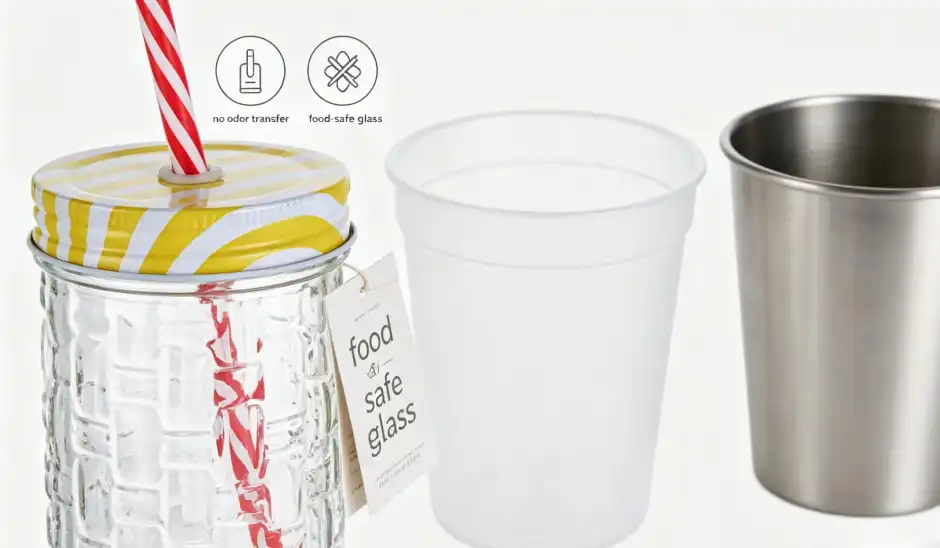
The biggest thing that makes these bottles unique is their wide mouth glass drinking bottle design, which is usually more than 50 mm in width and changes how they can be used every day. This shape makes it easy to fill with ice cubes, fruit liquids, or thicker drinks like protein shakes and smoothies. It's a lot easier to clean when bottle brushes can reach every inside surface without getting in the way. This stops the biofilm buildup that happens in narrow-neck designs. Procurement teams know that this feature is important for companies that want to serve health-conscious customers who want both ease and cleanliness.
Material Composition and Performance Standards
Both food-grade borosilicate glass and soda lime glass are used to make high-quality glass drinking bottles, and each has its own benefits. Borosilicate glass is very resistant to thermal shock and can handle temperature differences of up to 120°C. This means it can be used for both hot and cold drinks. Soda lime glass is cheap and keeps the chemical inertness needed to keep the taste of the drink and stop dangerous substances from spilling out. Both materials are BPA-free, non-toxic, and have surfaces that don't let bacteria stick to them. This makes them safe for use in store and restaurant settings.
Health and Environmental Advantages
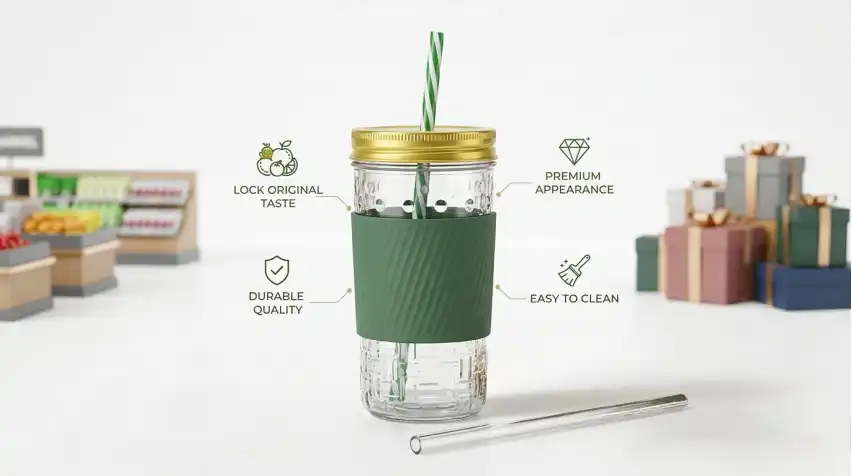
Instead of taking flavors or smells, glass bottles don't change the way drinks taste or smell. This is a big advantage over plastic bottles, which can keep tastes. Even when introduced to acidic or alkaline drinks, the material's total inertness stops chemicals from moving, meeting FDA and LFGB compliance standards that B2B buyers need. These bottles help companies with their green efforts because glass can be recycled over and over again without losing any of its quality. This helps companies that want to reduce plastic waste while keeping their high-quality product image.
How to Choose the Best Wide Mouth Glass Drinking Bottle for Your Needs
Capacity and Application Matching
Choosing the right wide mouth glass drinking bottle size has a direct effect on how happy users are and where the product is positioned in the market. The 350ml size is a standard that can be used in a variety of settings, such as offices, marketing efforts, and personal hydration needs. It is also easy to carry around without being too heavy. Larger capacities work well for outdoor stores and exercise centers, while smaller volumes are better for high-end drink names and small gift shops. To get more people to use a product and lower inventory risk, procurement pros need to make sure that the choices they make about capacity are in line with how and where their target market uses the product.
Certification and Compliance Requirements
Because of foreign safety standards, B2B buyers should choose bottles that have LFGB certification, which is known in European markets, and FDA approval for materials that come into contact with food. These approvals prove that the ingredients, production methods, and surface treatments used to make glass stop heavy metals from leaching and keep its hydrolytic resistance in a range of situations. Thermal shock durability testing, dimensional tolerance verification, and annealing quality tests make sure that bottles can be used every day without breaking on their own. This protects both the end users and the brand's image. When it comes to transfer testing, reliable providers provide proof that they follow REACH rules and ISO 7086-1 standards.
Customization Capabilities and Branding Potential
When you can create glass bottles, they go from being plain goods to strong brand assets. Using hot pressing, screen printing, or inside engraving, you can put a name on something that can be washed many times without losing its quality. Custom color choices let you match the color of your brand, and surface processes like heat transfer printing and spraying give your products a unique look. Customizing the packaging, such as using labeled boxes and special labeling options, makes business gifts and store displays seem more valuable. Minimum order amounts, wait times for custom models, and the ability to make changes to the design are all important discussion points that affect how long a project takes and how much money is spent.
Evaluating Supplier Reliability and Service Infrastructure
Getting together with makers that have consistent quality control methods and quick customer service after the sale lowers the risks in the supply chain. Suppliers should offer fast sample services, usually getting unique prototypes to customers within three to five days. This lets clients test the product on the market quickly and give their approval. One-on-one account management makes sure that there is clear information about requirements, production schedules, and shipping processes. Full trade services, like helping with customs clearing, making sure paperwork is correct, and special packing for fragile glass items, make it easier to buy things internationally and reduce problems with delivery.
Top Wide Mouth Glass Drinking Bottles on the Market in 2026
Market-Leading Brands and Product Lines
A number of well-known brands have set standards in the wide mouth glass drinking bottle market by coming up with new ideas and making sure their quality is always high. Hydro Flask has insulated glass models with protective silicone covers that keep drinks hot or cold and don't break easily, which makes them appealing to high-end store groups. Lifefactory adds colorful silicone layers to their products to make them easier to hold and look better. They market their products to lifestyle stores and health brands. Klean Kanteen focuses on eco-certifications and simple design styles that appeal to people who care about the environment and to companies that have sustainability programs.
Comparative Analysis for Procurement Decisions
When judging competitive goods, you have to look at things like how long they last, how innovative the designs are, and how the prices are set in relation to what the target market expects. When you buy in bulk, premium names cost more, but they have advanced features like dual-layer insulation, unique sealing systems, and longer warranties that make them worth selling in high-end stores. Options in the middle range are good for high-volume stores and promotional efforts because they are stable and don't cost too much. When buying teams know these differences, they can choose products that fit with how the brand is positioned, how much profit they need, and what customers want.
Customer Feedback and Performance Validation
B2B buyers can learn a lot from reading reviews from end users and professional comments, which show the pros and cons of a product or service. Most of the praise is focused on how easy it is to clean because of the wide holes, how well they keep tastes pure, and how nice they look, which can make the workplace or home better. Concerns that have been raised include the fact that they are heavier than plastic options and that they need protection sleeves in high-impact settings. This feedback helps with choices about what to stock, guessing what questions customers might have, and adding extra products like replacement caps or carrying items that make the whole deal more valuable.
Maintenance and Best Practices to Maximize Bottle Lifespan
Cleaning Protocols and Hygiene Management
Proper care directly increases the life of wide mouth glass drinking bottle units and keeps them clean, which is important for use in hospitality and store settings. The large hole lets you clean it by hand using bottle brushes and warm soapy water to get to all the inside surfaces and keep gunk from building up. Most good glass bottles can go through washing cycles, but buying teams should check with the maker to make sure they follow the temperature limits and detergent compatibility instructions to keep the bottles from becoming cloudy or losing their seal. Letting things dry fully in the air before putting them away stops them from holding on to water, which could damage closing gaskets or cause smell problems.
Troubleshooting Common Challenges
Businesses can better handle their stock and help customers if they know how things usually wear out. Chips along the edge can make the covering less reliable and raise safety concerns. These chips are usually caused by hits that happen while the container is being handled or stored. When gaskets lose their elasticity because of repeated temperature cycle or using the wrong cleaning agents, the seal breaks down. Finding suitable new caps, silicone sleeves, and sealing gaskets helps hotel clients keep their systems running and retail customers get more use out of their products. Suppliers who make new parts easy to get show that they want to lower the total cost of ownership.
Storage and Handling Recommendations
When you store things correctly, they don't get damaged during shipping or inventory management. Bottles should be kept straight and far enough apart so that they don't touch each other and scratch or break. Temperature-controlled areas keep things from getting too hot or too cold, especially bottles that hold drinks. When fragile glass is being shipped, it is protected from damage by special packing with separate sections and cushioning materials. These things are especially important for importers and wholesalers who are in charge of foreign packages and whose logistics partners have different rules about how to handle them.
How to Procure Wide Mouth Glass Drinking Bottles: A B2B Purchasing Guide
Supplier Selection and Quality Verification
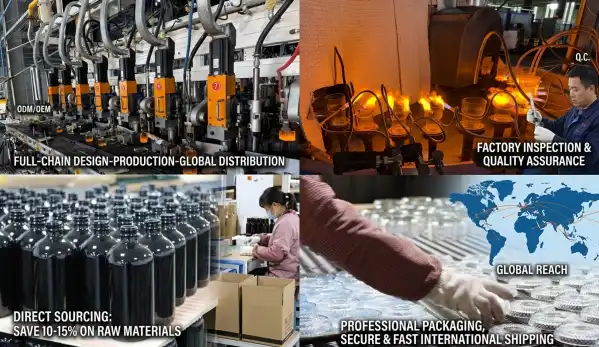
Finding makers who are skilled at making glass and dedicated to quality standards is the first step in a successful buying process for a wide mouth glass drinking bottle. With 20 years of specialized experience since 2005 and full skills in design, production, and global distribution, Xuzhou Muzhishi Crafts Co., Ltd. is the kind of provider that procurement professionals should look for. Manufacturing stability and quality control rigor are confirmed by checking the qualifications of suppliers through facility checks, certification reviews, and sample testing. Suppliers that offer ODM/OEM customization services give brands the freedom to be different and change their products to fit the needs of specific markets.
Navigating Customization and Production Timelines
Knowing how customization works and when things are made helps avoid delays and makes sure that inventory levels match marketing campaigns or seasonal demand. Reliable sellers give clear schedules from acceptance of the design to production of samples, and prototypes are usually sent within 3–5 days for the first evaluation. Production lead times depend on the number of orders, how customized they are, and how much can be made at the moment. Setting up clear lines of contact through specialized account managers makes sure that everyone is on the same page with the specifications, answers technical questions quickly, and makes it easier to make changes during production without affecting delivery dates.
Negotiation Strategies for Cost Optimization
To negotiate well, you need to find a mix between low prices, quality guarantee, and reliable service. When you work directly with a maker, you don't have to pay markups to middlemen. This means that material costs are often 10-15% lower than when you use multiple marketing channels. Flexible minimum order quantities and volume promises help get better terms and let you control your inventory to match demand cycles. Full service packages that include help with customs clearing, making sure paperwork is correct, and quick help after the sale add a lot of value above and beyond the unit price. They lower the hidden costs and practical problems that come with buying things from other countries.
Logistics and Quality Assurance Measures
Shipping fragile glass items needs special procedures that keep them from breaking and make sure they get to their destination on time. Suppliers who have done business internationally before know what kind of packing is needed for each type of shipping and each market. Full trade services, like customs registration, inspection coordination, and managing sea or air freight, make the importing process go more quickly and smoothly, avoiding delays that cost a lot of money. After-sales support with response times of less than 24 hours shows that the seller is committed to the success of the partnership by handling quality concerns, setting up returns if needed, and keeping the trust that is necessary for long-term purchasing relationships.
Conclusion
To choose the best wide mouth glass drinking bottle for everyday use, you need to think about how well they work, the quality of the materials, how much you can customize them, and how reliable the seller is. These bottles offer unique benefits, including chemical inertness that keeps drinks pure, large openings that make care easy, and environmental duty through the ability to be recycled completely. To make sure that the products they choose are in line with the company's goals, procurement pros have to look at things like available capacity, certification compliance, branding choices, and the infrastructure for supplier service. Businesses in the retail, hospitality, gifting, and distribution sectors can get products that improve their brand's reputation, meet sustainability goals, and give end users a great value by working with experienced manufacturers who offer consistent quality, flexible customization, and full support services.
FAQ
What advantages do glass bottles offer over plastic alternatives?
Chemically, wide mouth glass drinking bottle units are more stable than other materials, so dangerous chemicals like BPA and phthalates can't get into drinks. The material doesn't absorb scents or smells, so it keeps the quality of the drink even after long-term use. Glass doesn't break down when exposed to hot or cold drinks and can be recycled over and over again, which is good for the earth. Because of these qualities, glass is the best choice for companies and people who care about the environment and their health.
How quickly can customized samples be produced?
Manufacturers with a good reputation usually send out custom models three to five days after the design is approved. This quick turn-around lets you test the market, show the product to clients, and make changes several times before committing to full production runs. Clear communication about specifications and quick account management make sample processes run smoothly and on time for projects.
What certifications should B2B buyers prioritize?
People who work in procurement should make sure that products that come into touch with food are approved by the FDA, that they are certified by LFGB for European markets, and that they are safe according to REACH. Migration testing is approved by ISO 7086-1 standards, and thermal shock strength and physical tolerance certifications make sure that products last and work the same way in all kinds of situations.
Partner with a Trusted Wide Mouth Glass Drinking Bottle Manufacturer
For companies looking for quality wide mouth glass drinking bottle for retail, gifts, hospitality, and distribution, Xuzhou Muzhishi Crafts Co., Ltd. brings 20 years of excellence in glass making. Our 350ml bottles are made of food-grade glass and have leak-proof metal caps. You can also change a lot of things about them, like the hot stamping, screen printing, and branding on the inside, which turns them into powerful brand assets. We offer low-cost solutions by offering direct manufacturer price that cuts material costs by 10–15%, quick sample production in three to five days, and full trade services that include clearing customs and managing global supplies. Our dedicated account managers give you personalized help and respond within 24 hours, making sure that your buying experience goes above and beyond what you expect. Get in touch with our team at long@muzhishi.com to talk about your unique needs and find out how our wide mouth glass drinking bottle seller services can help you improve your products.
References
1. Johnson, M. & Williams, R. (2023). Sustainable Packaging Solutions: Glass Material Performance in Commercial Applications. Journal of Industrial Ecology, 27(4), 412-428.
2. Chen, L. (2024). Thermal Properties and Durability Assessment of Borosilicate and Soda Lime Glass Containers. Materials Science Quarterly, 19(2), 156-173.
3. Environmental Protection Agency (2023). Recycling and Reuse: Life Cycle Analysis of Glass Beverage Containers. EPA Sustainability Report, 2023 Edition.
4. Anderson, K. & Thompson, P. (2024). B2B Procurement Trends in Sustainable Drinkware: Market Analysis and Buyer Preferences. International Trade Journal, 38(1), 89-107.
5. Food and Drug Administration (2023). Guidance for Industry: Food Contact Substances—Glass Materials and Safety Standards. FDA Compliance Guidelines.
6. Martinez, S. (2024). Customization Strategies in Glass Product Manufacturing: Enhancing Brand Value Through Personalization. Manufacturing Innovation Review, 15(3), 234-251.

Our customers’ satisfaction speaks for our quality — contact us to experience the same reliable service.