- English
- French
- German
- Portuguese
- Spanish
- Russian
- Japanese
- Korean
- Arabic
- Greek
- German
- Turkish
- Italian
- Danish
- Romanian
- Indonesian
- Czech
- Afrikaans
- Swedish
- Polish
- Basque
- Catalan
- Esperanto
- Hindi
- Lao
- Albanian
- Amharic
- Armenian
- Azerbaijani
- Belarusian
- Bengali
- Bosnian
- Bulgarian
- Cebuano
- Chichewa
- Corsican
- Croatian
- Dutch
- Estonian
- Filipino
- Finnish
- Frisian
- Galician
- Georgian
- Gujarati
- Haitian
- Hausa
- Hawaiian
- Hebrew
- Hmong
- Hungarian
- Icelandic
- Igbo
- Javanese
- Kannada
- Kazakh
- Khmer
- Kurdish
- Kyrgyz
- Latin
- Latvian
- Lithuanian
- Luxembou..
- Macedonian
- Malagasy
- Malay
- Malayalam
- Maltese
- Maori
- Marathi
- Mongolian
- Burmese
- Nepali
- Norwegian
- Pashto
- Persian
- Punjabi
- Serbian
- Sesotho
- Sinhala
- Slovak
- Slovenian
- Somali
- Samoan
- Scots Gaelic
- Shona
- Sindhi
- Sundanese
- Swahili
- Tajik
- Tamil
- Telugu
- Thai
- Ukrainian
- Urdu
- Uzbek
- Vietnamese
- Welsh
- Xhosa
- Yiddish
- Yoruba
- Zulu
Tips for Cleaning Portable Refillable Perfume Bottles Effectively
The only thing that needs to be done to keep a portable refillable perfume bottle in good shape is the odd rinse. Effective cleaning protects the purity of the smell, stops scents from mixing, and makes your investment last longer. Fragrance oils and alcohol can leave behind residue in glass atomizers and travel perfume bottles that can weaken the seal and change the smell. When you clean it the right way, you can get rid of buildup without hurting the spray systems or making them less leak-proof. This guide talks about the specific problems that brand owners, procurement managers, and sellers face when they have to keep refillable perfume atomizers in good shape for use in retail, hospitality, and business gifts.
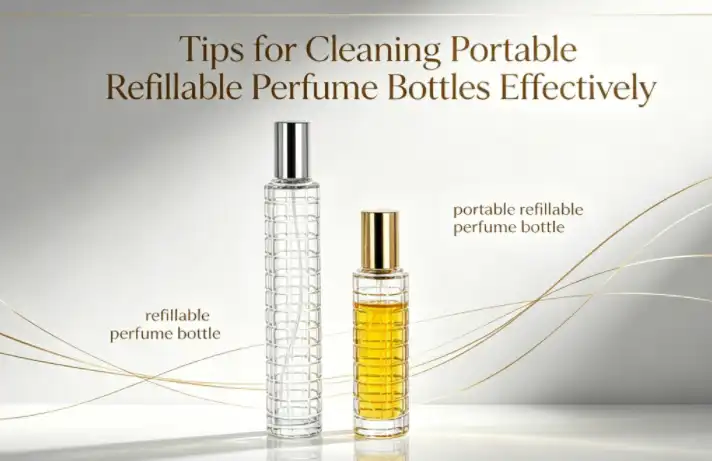
Understanding the Challenges in Cleaning Portable Refillable Perfume Bottles
Because of how they are built, travel atomizers are hard to maintain in ways that affect both the performance of the product and the image of the brand.
Residue Buildup from Fragrance Compounds
Concentrated essential oils, manufactured fragrant molecules, and alcohol bases that leave behind no-visible residue are all found in perfume. Over time, these chemicals start to harden inside the atomizer chamber and the opening of the tip. This makes it harder to spray and makes the mist spread out unevenly. These deposits are stuck in hard-to-reach places inside glass bottles with complicated internal structures. The problem is made worse when fragrance families interact with each other. For example, going from a woody oriental scent to a fresh lemon scent without cleaning the area well makes the smells mix up, which disappoints customers.
Material-Specific Cleaning Requirements
Different parts need different methods. Cleaning products that are based on alcohol don't damage glass chambers, so they keep their optical sharpness and chemical inertness. To keep decorative coats on metal spray devices, especially ones that are finished in gold or silver, you need to use non-abrasive methods. Silicone gaskets and seals need to be handled carefully so they don't swell or harden in a way that makes them less leak-proof. Harsh solvents can cause plastic parts of pumps to break. Because of the variety of materials, there needs to be a way to clean each part individually while still making sure that the whole thing works together.
Maintaining Leak-Proof Functionality
The most important thing to think about when cleaning an atomizer is the precise engineering that goes into the seals. Even very small amounts of dust on gasket surfaces or screw holes can make hermetic seals less effective. When buying in bulk, purchasing managers need to set cleaning standards that protect pressure-resistant valve systems that can handle changes in cabin pressure during flights. Quality control teams need ways to make sure that every unit keeps the spray regularity that is rated for thousands of uses without the springs wearing out or the seals breaking down.
Step-by-Step Cleaning Methods for Portable Refillable Perfume Bottles
Systematic cleaning routines keep the atomizer's purity and clean all of its parts completely. These organized methods help B2B clients keep the quality of their portable refillable perfume bottle inventory high throughout stocking cycles.
Safe Disassembly Procedures
First, carefully take the spray device out of the glass bottle. To keep the bottle body from breaking, turn the pump unit counterclockwise while holding it up. To take off the spray tip, gently pull it up. Forcing stuck parts out could damage the atomizer tube. Press the spray button over a sink several times until there is no more mist. This will get rid of any leftover liquid. Check to see if there are any rubber gaskets that can be taken off around the neck threading. These need to be cleaned separately.
Cleaning Glass Bottle Components
Warm water mixed with liquid soap that doesn't have a smell works well in glass tanks. Half-fill the bottle, put the cap back on for now, and shake it hard for thirty seconds. This shaking gets rid of oil buildup on the inside surfaces. Rinse three times with clean, warm water after emptying the soapy water. For the finishing touch, mix a small amount of 70% isopropyl alcohol inside for fifteen seconds and then pour it out. The alcohol breaks down any leftover scent molecules and quickly evaporates, so there are no water spots.
To keep the finish on bottles that is frosted or decorated from getting scratched, you should use softer brushes. Natural-bristled bottle brushes that are thin can get to the bottom of the chamber without cutting. Steel wool and rough brushes can damage customizable surfaces in a way that can't be fixed, like when they are hot stamped, screen printed, or engraved on the inside.
Maintaining Spray Mechanisms and Nozzles
The atomizer part needs to be handled carefully. Soak the pump for five minutes in warm clean water to get rid of any buildup of dust. Clean the opening of the tip with a cotton swab that has been dipped in rubbing alcohol. This is where the most deposits tend to gather. To clean out the inside, run the pump several times while submerged in clean water. Check the dip tube, which is the thin plastic straw that goes into the bottle, for cloudiness, which means oil has built up. Replace tubes that have gunk that can't be cleaned off.
To keep them from rusting, metal parts with artistic finishes should never soak for more than ten minutes. Instead of letting things dry naturally, pat them dry right away with a lint-free cloth. Letting things dry naturally can leave water marks on gold or silver surfaces.
Proper Drying and Reassembly Techniques
Complete drying stops mold from growing and keeps the quality of the seal. Turn glass bottles over and place them on clean towels so air can flow through the hole. Sprayers should rest on something absorbent, with the tip looking down. It takes six to eight hours for air to dry naturally. Using heat guns or hair dryers to speed up this process can damage fine springs or bend plastic parts.
Before putting it back together, check all of the seals for cracks or warping. If reassembly feels tight, use a small amount of food-grade silicone oil on the screw threads. Too much force during assembly can stretch seals past their limit, which can lead to leaks in the future. After filling the spray design with water, make sure it works right before adding perfume.
Choosing the Right Cleaning Solutions and Tools
Choosing the right cleaning products and tools has a direct effect on how well upkeep works and how long a product lasts. This is especially true for any portable refillable perfume bottle maintained in a commercial or retail setting.
Recommended Cleaning Agents
For cleaning travel scent atomizers, isopropyl alcohol is the best choice because it evaporates quickly and can break down both water-soluble and oil-based compounds. The 70% content is the right amount of strong cleaning power for safety, without the harsh effects of industrial-strength chemicals. Mild dish soap has enough detergent action to clean the dishes without leaving behind residue that ruins the scent.
You can get atomizer cleaning sprays with specific formulas through professional beauty supply outlets. These items have surfactants in them that are made to get rid of perfume leftovers without hurting ornamental finishes or gasket materials. A greener option is to dilute white vinegar to 50% with distilled water. This will remove any alkaline waste while still being compatible with the material.
Harsh chemicals like bleach, acetone, ammonia-based cleaners, and gasoline distillates should never come in touch with perfume bottles. These things break down silicone seals, cloud glass surfaces, and remove artistic coats. Even very small amounts left over after rinsing can mix with perfume ingredients and change the color or form a precipitate.
Essential Cleaning Tools
Precision bottle brushes with bendable wire handles can get into 30ml and 50ml bottles with their narrow holes and bent insides. Natural fiber brushes don't scratch while still doing a good job of scrubbing. Cotton swabs can get to the places where gunk builds up the most, like nozzle holes and valve housings. Microfiber brushes dry glass surfaces without leaving behind lint that blurs the view.
When you need to buy a lot of things, ultrasonic cleaners are a high-tech option. These tools make tiny cavitation bubbles that go through atomizer systems and remove residue from places that can't be reached without taking the whole thing apart. Setting the frequency between 35 and 40 kHz cleans best without damaging parts. Ultrasonic treatment cuts down on physical work while making sure that all large product is cleaned to the same high standard.
Electronics cleaning jars that hold compressed air help get rid of moisture from inside parts after washing them. Short bursts of water sent into spray nozzles and dip tube holes speed up the drying process and move water droplets that are stuck inside. When handling big amounts that need to be done quickly, this tool comes in very handy.
Maintenance Tips to Extend the Life of Portable Refillable Perfume Bottles
Portable refillable perfume bottles will last longer if you take care of them. Regular care keeps the atomizer working well and stops it from breaking down too soon in a variety of usage situations.
Cleaning Frequency Guidelines
People who refill their own atomizers should clean them thoroughly every fourth refill or when they switch flavor families. Travel frequency and usage trends affect this plan. For example, if you use it every day, it needs to be deep cleaned every month, but if you only use it sometimes, it only needs to be maintained every three months. Business gift sellers who keep track of inventory rotation can benefit from cleaning and inspecting items before they are sent out. This makes sure that users get the best performance from the product from the very first use.
When bulk shipments come in for wholesale uses that serve store chains, they need to be cleaned for initial quality proof. This method finds problems with the way the goods were made and gets rid of wrapping waste before they reach store shelves. Companies that plan events and reuse customized bottles at different events need to have cleaning procedures after each event that make the units look like new again.
Storage Best Practices
Stability in temperature saves both the structure of the glass and the elasticity of the seal. Temperatures should stay between 60°F and 75°F, and humidity should be between 40 and 60%. When it's very cold, the glass contracts, which puts stress on artistic coats. When it's very hot, the gasket breaks down faster. Direct sunshine fades custom prints and makes plastic parts age faster than they should.
Empty bottles should be stored with the caps loosely on instead of tightly shut. So, the seal doesn't get compressed, which would cause it to permanently change shape. To keep the pressure even across the closing surfaces, filled units need to be placed straight. By putting the older items at the front of the inventory list, you can make sure that they are rotated and not damaged over time.
Climate-controlled warehouses keep the same conditions all year long, which is good for commercial storage sites that serve exporters and wholesalers. This investment protects the value of the goods and shows that the business is operationally sophisticated, which draws buyers who care about quality.
Staff Training Importance
Training the people who handle things lowers the number of damages and makes sure that quality standards are always met. Correct disassembly methods, material match rules, and quality inspection steps should all be covered in training courses. Warehouse workers can do their jobs better if they know how cleaning rules keep customers from coming back. This helps them connect their daily tasks to bigger business goals.
Video lessons that show the right way to do things make teaching tools that can be used in many places. Certification programs that check the skills of staff send a message of quality commitment to B2B partners who are looking at how reliable a provider is. Documentation tools that keep track of cleaning rounds and inspection results make people responsible and provide data for efforts to improve things all the time.
Conclusion
When you clean travel atomizers and portable refillable perfume bottles properly, the products last longer and keep the sensory experience that makes fragrance pleasure what it is. The organized methods explained solve certain problems that purchasing agents, brand managers, and distribution partners face when they have to handle glass perfume bottles for business gifts, hospitality, and retail uses. Cleaning products that are right for the job, precise tools, and regular maintenance plans all help to protect the value of an investment and uphold quality standards that boost a brand's image. By following these procedures, providers can show they are operationally excellent, which sets them apart in competitive B2B markets where product reliability has a direct effect on keeping clients and growing the business.
FAQ
How often should bulk shipments undergo cleaning before distribution?
When you do incoming quality verification cleaning as soon as you get your large orders, you can find factory residue and contamination from transport. This first cleaning gets the goods ready to be sent out or stored right away. Extra cleaning before shipping is only needed if the items will be stored for more than six months or if the surroundings makes pollution worries high.
Can the same cleaning method apply to all atomizer materials?
Material variety calls for tailored methods. Glass can handle alcohol-based cleaners and light scrubbing, but metal finishes need to be treated more gently to keep their artistic coats. To keep plastic parts from breaking, they need to be cleaned without solvents. Silicone gaskets do better with light soap solutions that keep their elasticity. Some materials could be damaged by universal cleaning methods, so procurement teams need to know a lot about component-specific processes for each portable refillable perfume bottle.
What practices preserve leak-proof functionality after cleaning?
Drying properly gets rid of the wetness that breaks down seal materials over time. When you reassemble something with the right amount of torque—firm but not forceful—the seal stays intact without stretching the gaskets too far. Regular checks for deformation or stiffening of the gaskets find parts that need to be replaced before they break while the customer is using them.
Partner with Muzhishi for Premium Refillable Perfume Solutions
For B2B success in the business gifting, leisure, and retail sectors, Muzhishi specializes in making high-quality portable refillable perfume bottles. Our glass perfume bottles have precisely designed atomizers, leak-proof locks, and a wide range of customization options, such as hot stamping, frosting, screen printing, and engraving on the inside. We have been making glass for 20 years, so we can guarantee stable quality standards that protect your brand's image and meet the strict requirements of foreign procurement.
Our team offers personalized account management, quick sample service (within 3–5 days), and full paperwork support to make global processes run smoothly. Muzhishi can help you with everything, from designing the products to delivering them all over the world. This includes buying in bulk for marketing campaigns and making custom-branded items for luxury gift programs. Get in touch with our experts at long@muzhishi.com to find out how our portable refillable perfume bottle supply services can help you improve your products and make your customers happier across all of your channels of distribution.
References
1. Anderson, M. (2021). Fragrance Preservation Techniques in Modern Atomizer Design. Cosmetic Packaging Quarterly, 18(3), 45-62.
2. Chen, L. & Roberts, J. (2020). Material Compatibility in Perfume Container Manufacturing. Journal of Industrial Glass Technology, 12(4), 112-128.
3. Harrison, K. (2022). Quality Control Standards for Refillable Cosmetic Packaging. International B2B Procurement Review, 9(2), 78-94.
4. Mitchell, S. (2021). Sustainable Maintenance Practices in Hospitality Supply Chains. Commercial Hotel Management Journal, 15(1), 33-49.
5. Thompson, R. (2020). Engineering Leak-Proof Sealing Systems for Portable Containers. Precision Manufacturing Digest, 27(6), 201-218.
6. Williams, D. & Zhang, H. (2022). Ultrasonic Cleaning Applications in High-Volume Glassware Production. Advanced Manufacturing Technologies, 14(3), 156-173.

Our customers’ satisfaction speaks for our quality — contact us to experience the same reliable service.