- English
- French
- German
- Portuguese
- Spanish
- Russian
- Japanese
- Korean
- Arabic
- Greek
- German
- Turkish
- Italian
- Danish
- Romanian
- Indonesian
- Czech
- Afrikaans
- Swedish
- Polish
- Basque
- Catalan
- Esperanto
- Hindi
- Lao
- Albanian
- Amharic
- Armenian
- Azerbaijani
- Belarusian
- Bengali
- Bosnian
- Bulgarian
- Cebuano
- Chichewa
- Corsican
- Croatian
- Dutch
- Estonian
- Filipino
- Finnish
- Frisian
- Galician
- Georgian
- Gujarati
- Haitian
- Hausa
- Hawaiian
- Hebrew
- Hmong
- Hungarian
- Icelandic
- Igbo
- Javanese
- Kannada
- Kazakh
- Khmer
- Kurdish
- Kyrgyz
- Latin
- Latvian
- Lithuanian
- Luxembou..
- Macedonian
- Malagasy
- Malay
- Malayalam
- Maltese
- Maori
- Marathi
- Mongolian
- Burmese
- Nepali
- Norwegian
- Pashto
- Persian
- Punjabi
- Serbian
- Sesotho
- Sinhala
- Slovak
- Slovenian
- Somali
- Samoan
- Scots Gaelic
- Shona
- Sindhi
- Sundanese
- Swahili
- Tajik
- Tamil
- Telugu
- Thai
- Ukrainian
- Urdu
- Uzbek
- Vietnamese
- Welsh
- Xhosa
- Yiddish
- Yoruba
- Zulu
How to Choose the Best Glass Rollers for Essential Oils
Choosing the correct glass rollers for essential oils might be the difference between your product gaining loyal consumers or facing expensive refund claims. For supply chain managers and DTC brand purchasers buying roller bottle packaging in bulk, it’s a choice that extends far beyond esthetics. You want chemical compatibility, leak-proof construction, UV protection and a supplier that can keep pace with your reorder schedule. This article covers all the factors that matter so you can source with confidence and preserve your brand image from the very first shipment.

Understanding Glass Rollers for Essential Oils
Glass roller bottles are an essential container style for oils, serums and fragrances. So to send out the products , a spinning ball is maintained in position by tension in a housing near the neck of the bottle . They protect the formula and provide consumers with a precise and neat manner to administer it.
What Makes Borosilicate Glass the Standard?
Soda-lime glass is not as much of a problem for water as type I borosilicate glass. It will not chemically react with oils that are rich in terpenes like citrus mixes high in limonene. They can degrade conventional polymers over time. When selling blended essential oils, any corporation should ask their source for borosilicate since this is the primary ingredient.
Amber vs. Transparent: UV Protection Matters
The color of the glass is amber which blocks light below 450nm. This light is responsible for the photolysis of oils such as lavender, myrrh and frankincense. If your formula is stable or the packaging is hard to see through, then transparent bottles are a good choice. “If your formula team warns you that oxidation is a risk, you have to use amber,” he says. It helps your items to stay fresh for a longer time and makes customers see your brand better.
Roller Ball Options and Their Trade-offs
The market is mostly made up of three kinds of balls: glass, leather, and stainless steel. When you touch stainless steel, it feels cool, and it keeps acidic oils away well. The smoothest balls to roll are made of glass. Even though the cheapest balls are made of plastic, they can break down when mixed with some oils. When your formulator plans to make a lot of balls, they should first make sure that they will work with the oils. This material comparison is a key consideration when specifying glass bottles for essential oils for different formulations.
Key Criteria for Choosing the Best Glass Rollers
If you want to make this kind of purchase, you need a structured screening process. Making the wrong choice costs more than just the price per unit. Clients will not trust you as much.
Leak-Proof Engineering and Seal Testing
Leaks are the number one cause for one star reviews for essential oils. You should search for the suppliers who test in the range of -0.05MPa to -0.08MPa for vacuum leak and record it down. The current shipping durability standard is a two-seal screw cap with an inner stopper that pulls down on the roller ball while being held.
Filling Line Compatibility and Volume Accuracy
This is extremely near to tolerances for an automated capping line to function with a 10ml roller bottle. Ask your supplier about the size of the bottle and make sure the neck diameter suits your instruments to fill it. Bottles that don’t fit impede production, and increase the risk of anything spilling during capping, something most customers won’t realize until it ruins a launch.
Compliance Documentation
There are requirements in the TSA carry-on regulations and the international cosmetics packaging standards for how you have to register and mark your roller bottles. Suppliers you can trust will offer you all the paperwork you need to follow the requirements. This covers the safety of the items, certificates of origin and company invoices. If you are coming into the U.S. or EU be sure you have the necessary documentation before making a big order. Complete documentation is essential when importing glass rollers for essential oils into regulated markets.
| Evaluation Criterion | Why It Matters | What to Request |
|---|---|---|
| Leak-Proof Seal | Prevents transit damage and customer complaints | Vacuum test report at -0.05MPa |
| Ball Removal Force | Prevents choking hazard and accidental spills | Newton (N) force test results |
| UV Protection (Amber) | Slows oxidation of photosensitive oils | Wavelength filtration spec sheet |
| Chemical Compatibility | Stops oil-material reactions | Immersion compatibility test data |
| Fill Volume Accuracy | Ensures automated line consistency | Dimensional drawing + tolerance spec |
Comparison of Popular Glass Roller Solutions
Not every applicator format suits every product. Understanding where glass rollers outperform alternatives helps you justify the specification to stakeholders.
Glass vs. Plastic Roller Bottles
Plastic roller bottles are cheaper per bottle, but they are a severe danger. High-limonene citrus oils and CBD formulations may leak or cloud in plastic bottles in a matter of weeks. Glass is chemically inert to most kinds of essential oils, therefore there are less formula compatibility difficulties and a better record of on shelf stability. For direct-to-consumer companies, where product evaluations are a crucial driver of repurchase, that difference is enormous. That’s why glass rollers for essential oils are a safer packaging alternative over time, especially for delicate blends.
Glass Rollers vs. Dropper Bottles
Dropper bottles provide for dosage control, but require the use of both hands and a separate surface to dispense. The roller bottles are the most optimal shape for aromatherapy and topical health treatments since they penetrate directly into pulse points.The roller application also introduces a massaging effect to the face serum market, which customers are increasingly asking for, giving the format a practical advantage in premium skincare positioning.
Sustainability Positioning
Glass can be recycled over and over again without losing quality but most plastic packaging deteriorates with every recycling. In North America and Europe, glass roller bottles can deliver on environmental promises that plastic bottles can’t make for companies selling to sustainability-minded consumers. This is becoming a significant concern in procurement as retail buyers and direct-to-consumer customers look at packaging materials.
Practical Guidance on Usage, Maintenance, and Customization
Getting the most from your roller bottle packaging requires attention to both the filling process and the branding opportunity each bottle represents.
Filling and Sealing Best Practices
Fill at room temperature to avoid thermal expansion that can compromise the seal. After filling, perform a 360-degree rotation test on each roller ball to confirm free movement before capping. If your formula has higher viscosity, your supplier should confirm the ball housing clearance tolerances accommodate it — typically ±0.05mm for precision-fit rollers. These filling and tolerance guidelines help ensure consistent performance when working with glass bottles for essential oils.
Customization Options for Brand Differentiation
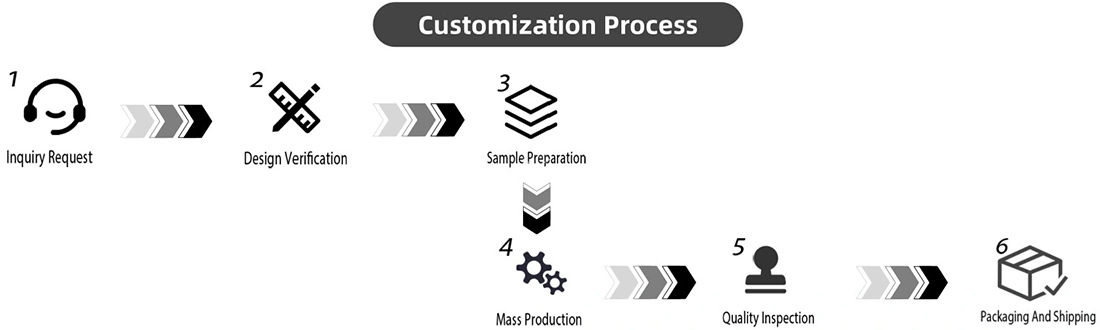
Muzhishi supports a full range of surface treatments that turn a standard roller bottle into a branded asset. Here are the primary customization options available for B2B orders:
- Hot Stamping: Applies a metallic foil finish directly to the bottle surface, producing a premium look that works well for luxury wellness and perfume lines.
- Screen Printing: Deposits ink directly onto glass for full-color logos and text that won't peel like labels, making it the preferred method for high-touch retail products.
- Inside Engraving: Etches branding into the interior of the glass for a distinctive effect visible through transparent bottles, suited for premium positioning.
- Cap Material and Color: Choose from wooden, metal, or plastic caps in gold, silver, white, black, or custom colors to match your visual identity.
These options let brands create a cohesive, shelf-ready product without sourcing from multiple vendors.
| Cap Material | Best For | Key Consideration |
|---|---|---|
| Wooden Cap | Natural / organic brand positioning | Verify humidity resistance to prevent cracking |
| Metal Cap (Gold/Silver) | Luxury and premium product lines | Confirm anodizing consistency across batches |
| Plastic Cap | Cost-sensitive or high-volume SKUs | Check color consistency across reorders |
Samples are available within 3–5 days, which allows your design team to approve finishes before committing to production quantities.
Multi-SKU Management for Seasonal Launches
Managing multiple cap colors, ball types, and bottle volumes across quarterly reorder cycles requires a supplier with organized inventory and fast response times. Confirm your supplier maintains stock of common components and can ship partial replenishment orders on short lead times. An emergency restocking channel is worth negotiating before your first bulk order, not after a stockout.
Where and How to Procure Glass Roller Bottles?
Evaluating Supplier Credibility
Not just promises, but also written test results for quality should be asked for. It is best to find suppliers who can handle their own exports and can clear customs, make commercial invoices, and make certificates of origin. This makes it easier to work together and speeds up the process at US and EU ports. Customers who have bought similar products before and recommendations from other customers are also good signs.
Sample-to-Bulk Procurement Workflow
Most of the time, you can buy roller bottle packaging in this order: sample approval (3–5 days), formula compatibility test, small-batch trial, and then a rolling order every three months. To get qualified for the first time, it takes between 8 and 12 weeks. If you do that first, experienced providers can help you with restocking every month or three months with shorter wait times since they already have your specs on file.
Conclusion
When picking the right roller bottle packaging, you need to make sure that the formula and volume needs of your brand are met by the science of the material, the performance of the seal, and the reliability of the source. Amber UV protection, roller balls that fit perfectly, and leak tests that can be shown are must-haves. You can change things about your packaging, like the color of the cap and the hot stamping, to better show what your brand stands for. Choose a provider that can handle your growing needs for reorders and quick response to rising demand. The review scores your product gets tomorrow will depend on the choice you make today about how to package it. These criteria are essential when selecting glass rollers for essential oils that protect both formula integrity and brand reputation.
FAQ
Are glass roller balls safe for all essential oil types?
The balls are made of safe stainless steel, which helps acidic solutions not rust. You should talk to your formulator to make sure that the plastic balls will work with limonene-containing oils or other solvents that are known to react with regular polymer materials.
How do I prevent roller ball loosening or leakage during shipping?
The best way to do it is with a dual-seal cap design that has an internal plug that keeps the ball under pressure while it is being kept. This design, along with a vacuum leak test at -0.05MPa, shows that the seal won't break under normal shipping conditions. Always ask for test results along with what the seller says.
Can glass roller bottles be reused or recycled?
Because glass can be recycled over and over again without losing any of its quality, brands that care about the environment often choose it. As well, roller bottles can be cleaned and replaced. This makes the product last longer and helps the direct-to-consumer health market trend toward refill program ideas.
What is the typical minimum order quantity for custom roller bottles?
The MOQ is different for every seller and type of customization. Most of the time, you need to order more screen printing or hot stamping than just plain bottles. Talk to your provider early on in the planning process to make sure that the MOQ standards match the amount of inventory you need for launch. This will help you avoid having too much inventory or production delays.
Get Custom Glass Roller Bottle Quotes from Muzhishi
Muzhishi has been packing health and skin care brands around the world in glass roller bottles since 2005. Our company is based in Xuzhou, Jiangsu, and makes pure glass rollers for essential oils. We offer OEM/ODM customization, free samples within 3–5 days, and a special way for customers who buy a lot from us to get more stock quickly. Just email long@muzhishi.com with your needs to get a quote and start looking at samples right away.
References
1. Journal of Essential Oil Research — 2021
2. Packaging Technology and Science — 2020
3. International Journal of Cosmetic Science — 2022
4. United States Pharmacopeia (USP) — Glass Containers for Pharmaceuticals, USP <660> — 2023
5. Cosmetics & Toiletries Magazine — 2022
6. Perfumer & Flavorist — 2021

Our customers’ satisfaction speaks for our quality — contact us to experience the same reliable service.