- English
- French
- German
- Portuguese
- Spanish
- Russian
- Japanese
- Korean
- Arabic
- Greek
- German
- Turkish
- Italian
- Danish
- Romanian
- Indonesian
- Czech
- Afrikaans
- Swedish
- Polish
- Basque
- Catalan
- Esperanto
- Hindi
- Lao
- Albanian
- Amharic
- Armenian
- Azerbaijani
- Belarusian
- Bengali
- Bosnian
- Bulgarian
- Cebuano
- Chichewa
- Corsican
- Croatian
- Dutch
- Estonian
- Filipino
- Finnish
- Frisian
- Galician
- Georgian
- Gujarati
- Haitian
- Hausa
- Hawaiian
- Hebrew
- Hmong
- Hungarian
- Icelandic
- Igbo
- Javanese
- Kannada
- Kazakh
- Khmer
- Kurdish
- Kyrgyz
- Latin
- Latvian
- Lithuanian
- Luxembou..
- Macedonian
- Malagasy
- Malay
- Malayalam
- Maltese
- Maori
- Marathi
- Mongolian
- Burmese
- Nepali
- Norwegian
- Pashto
- Persian
- Punjabi
- Serbian
- Sesotho
- Sinhala
- Slovak
- Slovenian
- Somali
- Samoan
- Scots Gaelic
- Shona
- Sindhi
- Sundanese
- Swahili
- Tajik
- Tamil
- Telugu
- Thai
- Ukrainian
- Urdu
- Uzbek
- Vietnamese
- Welsh
- Xhosa
- Yiddish
- Yoruba
- Zulu
Are wine glass bottles dishwasher safe?
Wine glass bottles, including the 300ml wine glass bottle with drawing, are generally dishwasher safe when manufactured from Type III soda-lime or borosilicate glass. However, the answer depends heavily on the surface decoration applied. Plain glass tolerates machine washing well, but bottles featuring screen printing, hot stamping, or inside engraving may experience decoration degradation under high heat and harsh detergents. For branded packaging where visual integrity matters — such as craft spirits or boutique wine bottles — understanding the limits of dishwasher exposure protects both your product presentation and your brand investment.

Understanding 300ml Wine Glass Bottles with Drawing and Their Materials
What are these bottles made of? How are the labels attached? These are things you should know before you decide if they are safe to wash.
Glass Substrate Types
If you want to hold drinks in a glass bottle, there are two main types: soda-lime glass and borosilicate glass. Soda-lime glass that meets Type III guidelines must be used to package wine and booze. Chemically, it is neutral, so it won't combine with your product. It can also handle small changes in temperature without breaking down. Borosilicate glass is strong and doesn't break easily when the temperature changes a lot, but it's not usually used to make drink bottles.
Decoration Methods and Their Materials
When you work on the surface, “with drawing” can mean a lot of different things. To print on glass, ceramic or polymer-based inks are put on top of it with fire. When metal foil is hot-stamped, it is pressed on with heat and force. You can feel the patterns inside the glass in the wall. What kind of style do you use? How do I fill out the form? In general, how long does it last? Screen printing: ink is put on and then heated in a kiln; high for ceramic ink and moderate for polymer ink; moderate for abrasive detergents; high for mechanical etching inside glass; very high for not being affected by washing; low for stickers and labels; glue is added after production; not dishwasher safe; These decoration methods are key considerations when specifying a 300ml wine glass bottle with drawing for your brand.
| Decoration Method | Application Process | Typical Durability |
|---|---|---|
| Screen Printing | Ink applied, then kiln-fired | High (ceramic ink); Moderate (polymer ink) |
| Hot Stamping | Metallic foil bonded under heat | Moderate — avoid abrasive detergents |
| Inside Engraving | Mechanical etching within glass | Very High — unaffected by washing |
| Sticker / Label | Adhesive applied post-production | Low — not dishwasher safe |
How Materials Influence Dishwasher Safety
If you heat ceramic-ink screen printing above 500°C, it sticks to the glass surface for good and can generally be washed in the machine many times. Tags or inks made from polymers last longer before they wear off. What kind of decorations do they use? When you place your order, that's one of the first things you should ask your service.
Are 300ml Wine Glass Bottles with Drawing Dishwasher Safe?
In short, it depends on the type of washing and how it is used. This list can help you.
Thermal Resistance of the Glass Itself
Most soda-lime glass bottles can handle dishwasher temperatures of up to 65°C (149°F), which is fine for most home and light business loads. When you put a cold bottle right into a hot machine, the heat changes quickly. Heat that stays the same is safer. Make sure the walls of the bottles are all the same thickness and to exact CAD standards. This will make them less likely to break. These thermal and manufacturing guidelines help ensure durability when using glass bottles for wine in dishwasher and commercial settings.
The Role of Ink and Coating Chemistry
The inks that are fired in a ceramic oven are chemically attached to the glass, so they can handle too acidic of dishwasher detergents. On the other hand, polymer inks can become soft and peel off after being heated and washed a lot. The Glass Packaging Institute says that the design's durability after being machine washed is directly related to the fire temperature used during production. Also, you should look at each bottle with a UV-protective cover on its own, since some of them break down when they come in contact with water.
When Hand Washing Is the Smarter Choice
You can wash bottles with names that are hot-stamped, labels that stick on, or stickers that are meant to look nice by hand in warm water with a light, pH-neutral soap. The design will last a lot longer that way. This is very important for fancy liquor bottles or business gift boxes that are only available for a short time, since looks are very important to people.
Comparison: 300ml Decorated vs. Plain Bottles for Procurement
Choosing between a decorated bottle and a plain one involves more than aesthetics. It affects your total cost of ownership, brand positioning, and customer experience.
Durability and Maintenance Differences
Plain glass bottles require minimal care consideration beyond standard breakage prevention. Decorated bottles, particularly those with screen-printed or hot-stamped branding, benefit from defined care protocols — especially if end consumers reuse the bottles. For B2B buyers supplying hospitality or airline services, specifying inside engraving offers a durable branding solution that no washing cycle can remove.
| Feature | Decorated Bottle | Plain Bottle |
|---|---|---|
| Brand Shelf Presence | High — immediate visual impact | Low — relies on label only |
| Washing Restriction | Varies by decoration type | None |
| Reuse Branding Integrity | Depends on decoration method | Label may peel; glass stays intact |
| OEM Customization | Full options available | Limited |
Return on Investment for Branded Packaging
A painted bottle conveys brand recognition up and down the supply chain – from the retail shelf to the consumer’s hand. “This visibility allows craft distilleries and boutique wineries to command price premiums that plain bottles simply cannot justify. The incremental cost of screen printing or hot stamping is typically a tiny percentage of the increase in per-bottle retail margin. The variations suggest that the adorned bottles had a strategic function beyond their esthetic value. They’re a packaging choice with real commercial effect, so procurement teams should look at them in the light of long-term brand objectives, rather than simply upfront cost.
Eco-Friendly Considerations
All decorative and plain glass bottles may be entirely recycled. Bottles with ceramic-fired embellishments, however, may be recycled without separation, but bottles with adhesive labels should have the labels removed to achieve the best recycling effectiveness. To simplify downstream processing, choose ceramic ink printing on your order.
How to Choose the Right 300ml Wine Glass Bottle with Drawing for Your Business?
You need to make sure that the package fits with how you'll fill the bottle, your brand's standards, and where it will be used when you choose the right bottle.
Match the Bottle Specification to Your Filling Line
Most individuals don't check to see whether their capping and filling equipment will fit before they purchase a bottle. A competent person that sells 300ml wine glasses with drawings should be able to provide you with detailed CAD technical drawings. These drawings should indicate the neck finish measurements (T, E, B, and I measures per GPI standards), the tolerances on the body diameters, and the fill-point depth.
Evaluate Glass Quality and Compliance Documentation
Check that the bottles are made of Type III soda-lime glass and have proof that they are safe for food contact, like FDA approval or EU Regulation 1935/2004. This is what you need if you want to bring goods into the US and European markets. These compliance requirements are essential when importing glass bottles for wine into regulated markets.
Assess Supplier MOQ Flexibility and Sample Speed
Craft liquor brands and small farms often need smaller first runs most of the time. Their minimum order quantity is too high for me to conduct business with them. Get actual samples from manufacturers who have a low MOQ and can ship them to you in 3-5 business days. You may try the bottle-filling out at this pace before going into full production.
Best Practices for Caring and Maintaining Decorated Glass Bottles
Proper handling at every stage — from your warehouse to the end consumer — protects your decoration investment.
Cleaning Guidelines by Decoration Type
Here are the recommended cleaning approaches based on surface treatment:
- Ceramic-fired screen printing: Dishwasher safe on normal cycles below 65°C; avoid abrasive scrubbing pads that may scuff the print surface over extended use.
- Hot stamping: Hand wash preferred; if machine washing is required, use a gentle cycle with pH-neutral detergent to preserve foil adhesion.
- Inside engraving: Fully dishwasher safe — the decoration is within the glass wall and unaffected by any washing method.
- Adhesive labels or stickers: Always hand wash; these are not designed for dishwasher exposure and will deteriorate rapidly under heat and moisture.
These guidelines apply whether you are managing inventory at a distillery, supplying hotel miniature bottles, or overseeing gift packaging for corporate clients. Communicating them clearly on your product packaging reduces consumer returns and protects brand perception.
Storage and Handling to Prevent Damage
Store decorated bottles upright in divided cartons to prevent surface contact between bottles. Avoid stacking cartons beyond the manufacturer's recommended weight limit, as base pressure can cause micro-fractures. During transit, adequate inner padding — typically corrugated cell packs — reduces vibration-related chipping on decorated surfaces.
Conclusion
Be careful with the ones that have designs on them if you put them in the dishwasher. It might or might not be safe to wash in a machine if the art is hot-stamped, screen-printed with ceramic fire, or etched on the inside. Craft liquor and small-batch wine brands can ask for long-lasting ways to decorate the bottles so that their visual brand identity is protected for as long as the bottles last. The technical drawings should work with your filling line and be safe for food contact. To make a good packing plan from the first sample to full-scale production, pick a supplier with low minimum order quantities. These considerations are essential when sourcing a 300ml wine glass bottle with drawing for craft and small-batch brands.
FAQ
Are all decorated wine glass bottles dishwasher safe?
Not at all. It depends on how it was made whether it is safe to use in a machine or not. If you wash the screen printing in a machine below 65°C most of the time, it will be fine. Tags and metal that have been hot-stamped should be washed by hand to keep their look.
What does "with drawing" mean for a glass bottle?
A detailed CAD model plans the neck finish, body width, fill point, and any other details that need to be thought of in order to make the bottle. So it works with machines that fill and cap, and the production line doesn't have to stop as often.
Do these bottles comply with FDA and EU food-contact standards?
These glass bottles from Muzhishi are safe for food as long as they don't break any FDA or EU rules (1935/2004). They are made of Type III soda-lime glass. With every sale, a lot of paper work is sent.
Request Your Free Sample from Muzhishi Today
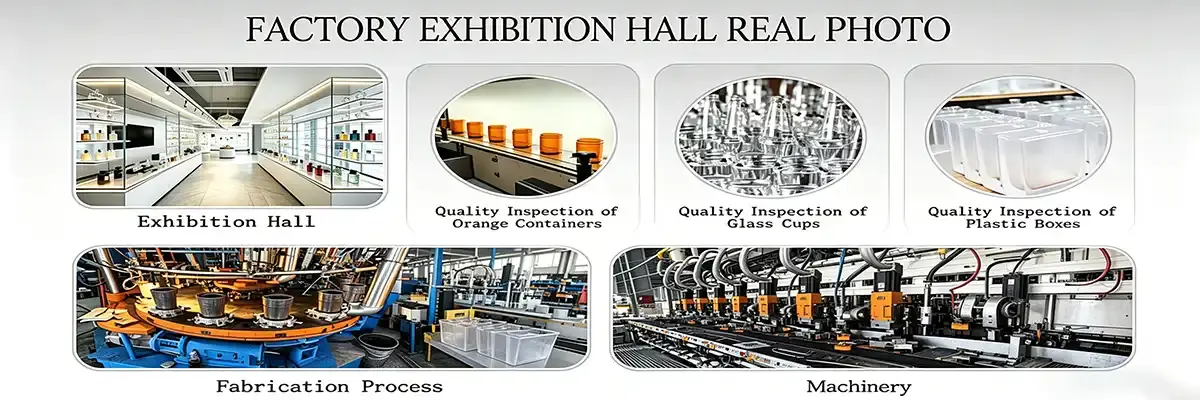
Since 2005, Muzhishi has made good glass lids. We will send you a free 300ml wine glass bottle with a drawing in 3–5 days. We also offer low-MOQ choices and full CAD technical models. For the launch of a craft drink or small wine line, we can put a picture on a 300ml wine glass bottle. Our team is skilled in all kinds of tasks, including making custom screens and hot stamps, as well as export papers and setting up sea freight. You can get a sample or talk about your project right away by emailing us at long@muzhishi.com.
References
1. Glass Packaging Institute. Glass Packaging: Sustainability and Performance Standards. 2022.
2. American Society for Testing and Materials. ASTM C148: Standard Test Methods for Polariscopic Examination of Glass Containers. 2021.
3. U.S. Food and Drug Administration. Guidance for Industry: Food Contact Materials Compliance. 2020.
4. European Commission. Regulation (EC) No 1935/2004 on Materials and Articles Intended to Contact Food. 2004.
5. The Brewers Association. Packaging Quality Manual for Craft Beverage Producers. 2023.
6. Packaging Digest. Decorating Glass: Comparing Screen Printing, Hot Stamping, and Engraving for Beverage Brands. 2022.
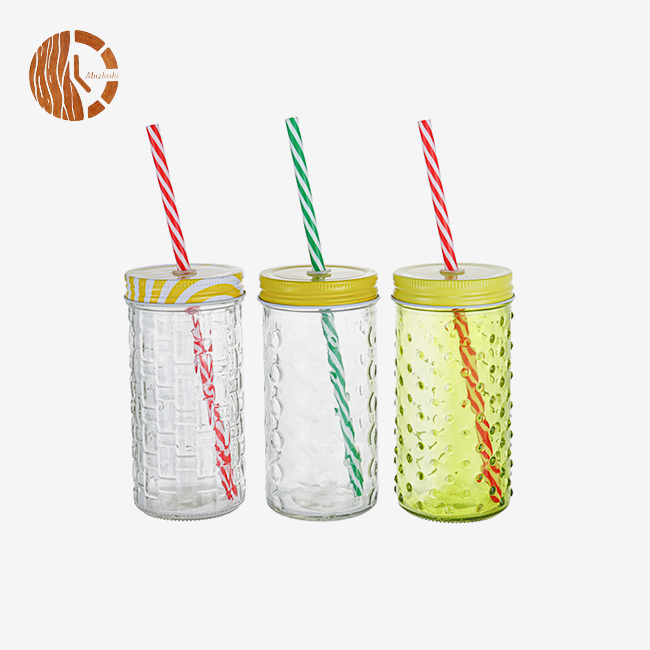
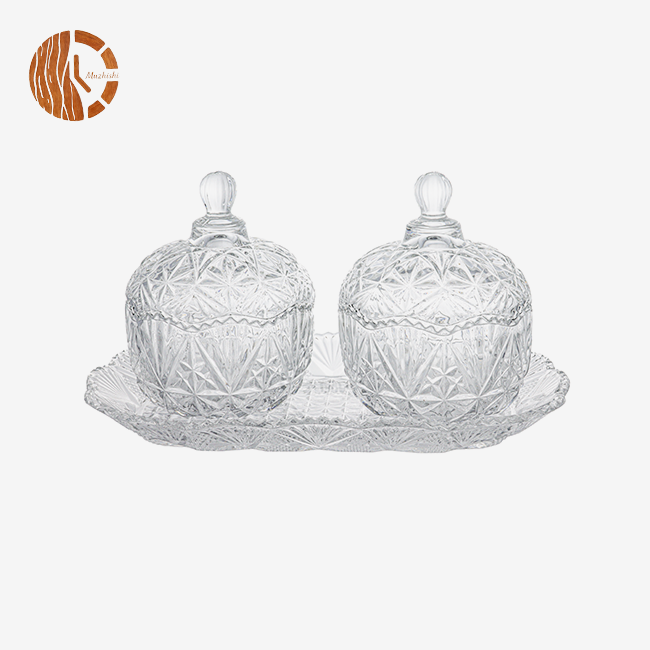
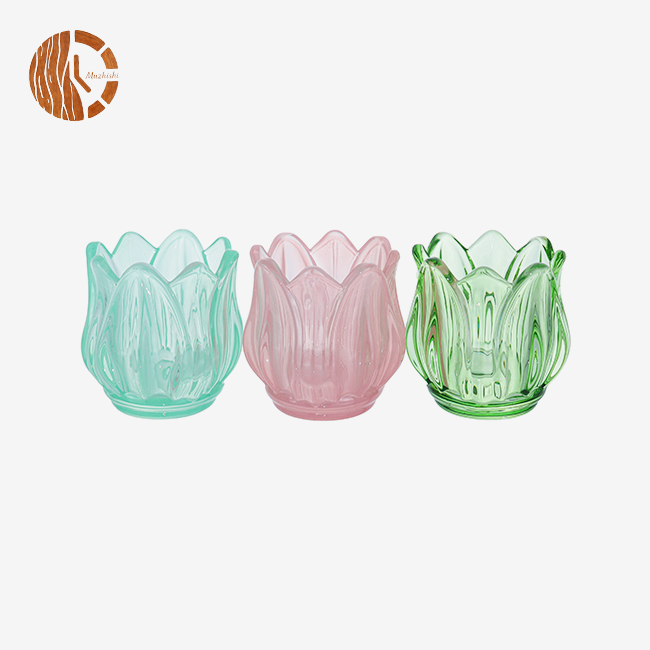

Our customers’ satisfaction speaks for our quality — contact us to experience the same reliable service.