- English
- French
- German
- Portuguese
- Spanish
- Russian
- Japanese
- Korean
- Arabic
- Greek
- German
- Turkish
- Italian
- Danish
- Romanian
- Indonesian
- Czech
- Afrikaans
- Swedish
- Polish
- Basque
- Catalan
- Esperanto
- Hindi
- Lao
- Albanian
- Amharic
- Armenian
- Azerbaijani
- Belarusian
- Bengali
- Bosnian
- Bulgarian
- Cebuano
- Chichewa
- Corsican
- Croatian
- Dutch
- Estonian
- Filipino
- Finnish
- Frisian
- Galician
- Georgian
- Gujarati
- Haitian
- Hausa
- Hawaiian
- Hebrew
- Hmong
- Hungarian
- Icelandic
- Igbo
- Javanese
- Kannada
- Kazakh
- Khmer
- Kurdish
- Kyrgyz
- Latin
- Latvian
- Lithuanian
- Luxembou..
- Macedonian
- Malagasy
- Malay
- Malayalam
- Maltese
- Maori
- Marathi
- Mongolian
- Burmese
- Nepali
- Norwegian
- Pashto
- Persian
- Punjabi
- Serbian
- Sesotho
- Sinhala
- Slovak
- Slovenian
- Somali
- Samoan
- Scots Gaelic
- Shona
- Sindhi
- Sundanese
- Swahili
- Tajik
- Tamil
- Telugu
- Thai
- Ukrainian
- Urdu
- Uzbek
- Vietnamese
- Welsh
- Xhosa
- Yiddish
- Yoruba
- Zulu
How to Choose the Right Metal Jar Lid Size?
To pick the right metal jar lid size, you need to know the exact width of the mouth of the jar and the type of thread finish, such as continuous thread (CT) or lug (twist-off). Multi-size black metal jar lids usually come in sizes between 38 mm and 110 mm, and they must exactly fit the dimensions of your container to ensure an airtight seal. The right size stops leaks, keeps products fresh longer, and cuts down on expensive returns in B2B businesses. It's also important to make sure that the material of the lid fits the type of product, like sour jams or dry spices. This will help keep the product fresh and protect your brand's image.
Understanding the Importance of Choosing the Right Metal Jar Lid Size
It takes a lot more than just measuring to choose the right metal jar lid size. In business-to-business buying, this choice has an immediate effect on the quality of the product, the happiness of the customer, and the speed of operations throughout the whole supply chain.
If a lid doesn't fit right, even by a tiny bit of a millimeter, problems start to pile up quickly. When air gets into the container, it oxidizes and goes bad. When moisture gets in, it changes the texture and taste. Contaminants get inside, which can be dangerous and could lead to legal problems. Customers worry about these issues, products are recalled, and the brand's image is hurt.
Not only does the right lid size protect your products, it also makes the packing process run more smoothly. When machines are filled and capped, compatible lids cut down on downtime. They cut down on the time needed to make changes when moving between product lines. Well-matched seals also make it less likely that you'll have problems with your inventory because you'll be stuck with lids that don't fit your jars.
When it comes to costs, wrong size leads to loss at every level. Products that are sent back cut into profits. Sunk prices are items that have already been used up. Troubleshooting sealing problems takes time and resources away from more useful tasks. When procurement workers understand how these factors affect each other, they can make choices that improve both quality control and bottom-line performance.
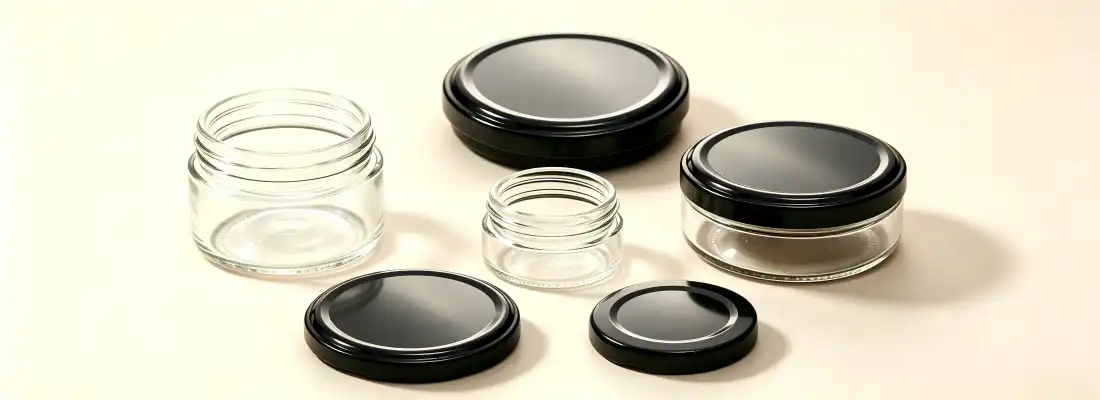
Key Factors to Consider When Selecting Metal Jar Closures
Material Composition and Durability
The material is the first thing that makes a lid good. The standard for metal covers in the business world is food-grade tinplate and aluminum alloy. Tinplate is very chemically stable, so it doesn't mix with acidic foods like pickles, jams, and tomato-based goods. The thickness of the material is usually between 0.16 mm and 0.24 mm. This gives the structure rigidity while still allowing the right amount of freedom for applying pressure.
Alternatives made of aluminum alloy are lighter, which lowers the cost of shipping for big orders. Both materials can be coated with protective layers that keep them from rusting and keep their look over time. At Muzhishi, our caps are made from food-grade tinplate that meets the standards of CE, FDA, SGS, and LFGB. This means that your goods will be safe to touch.
Accurate Diameter and Threading Measurements
When counting jar holes, accuracy is important. Jars with a regular mouth are usually 70 mm in diameter, while jars with a wide mouth are 86 mm or bigger. But there are differences between makers, so it's important to check before buying in bulk.
Another important thing to think about is thread support. For better false evidence, continuous thread designs need to be rotated more than once to lock. Lug finishes have quarter-turn or half-turn systems, which make them easier to use but may make them less secure. The finish on the neck of your jar must exactly match the pattern on the inside of the lid's threading. When there is a mismatch, cross-threading, broken threads, or plugs that aren't fully formed happen.
Digital calipers should be used to measure the width of multi-size black metal jar lid, and thread gauges should be used to check the pitch and depth. Carefully write down these specs, as they will help your provider make closures that fit perfectly.
Sealing Mechanisms and Gasket Types
The seal against the rim of the jar is made by the liner inside your metal lid. Plastisol liners are still the most popular. They soften when heated during filling and stick together tightly when they cool. These covers keep almost no air out, which is very important for keeping sensitive items safe.
PVC-free gaskets are better for the earth and your health, and they still do a good job of closing. Products that need to be sterilized in an autoclave can be made with silicone, which can withstand temperatures up to 121°C for 60 minutes during retort processing. The seal needs to be able to work with the pH level of your product, especially if it is highly acidic and the pH level is below 4.6.
Reusability and Maintenance Considerations
The benefits of operational speed go beyond the initial application. Long-term costs are lower for items that don't need hermetic closing when metal lids with good covers are used more than once. Closures that can be used for more than one thing often work well with cosmetic samples, dry spices, and craft tools.
Maintenance needs depend on the type of finish. It is easier for fingerprints to show up on glossy black finishes than on matte ones, which can be a problem in store settings. Electrophoretic coating and other surface treatments keep cut edges from oxidizing, which stops black spots that look bad and hurt the premium placement. These details affect both how well something works and how nice it looks in different market groups.
Finding lids that really meet your needs is easier if you know about these factors. Putting time and effort into good picking pays off in the form of less waste, better quality products, and happier customers.
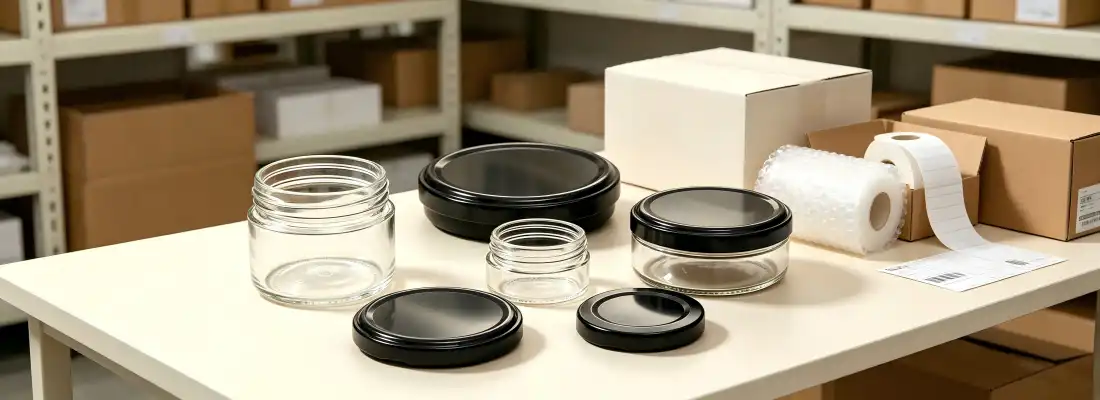
Comparing Metal Closures With Alternative Options
Durability and Sealing Effectiveness
In a number of measured ways, metal lids for jars work better than plastic ones. When put under stress, tinplate covers keep their shape, which keeps seals from being broken when temperatures change. Moving during shipping and packing puts pressure on the rigid design, but it doesn't bend.
Plastic lids are cheaper and lighter, but they tend to break after a while of use and don't work as well when the temperature changes a lot. Over time, they lose their ability to shut faster, especially when they come into contact with oils or acidic substances. Metal options keep working well throughout a product's shelf life, which is why they're the best choice for high-end goods where quality is important.
Environmental Impact and Sustainability
Sustainability factors are becoming more and more important in purchasing decisions. Metal lids are much easier to recycle than plastic ones. Tinplate and aluminum both have recycling rates above 70% around the world. The material keeps its traits even after being recycled many times without losing any of its quality.
More and more regulations are putting limits on plastic covers in many areas. Metal packing is seen as more eco-friendly by consumers, which is in line with companies' sustainability goals. When looking at the whole lifecycle, including being able to be recycled and having lower spoilage rates that keep food from going to trash, the carbon footprint study often favors metal.
Compatibility With Popular Container Types
The market is mostly made up of Mason jars and regular food-grade glass containers, and each has its own rules for how to close it. Multi-size black metal jar lid are usually made of two pieces: bands and flat lids. For non-canning uses, there are also single-piece screw-on caps.
Continuous thread (CT) or twist-off (TO) finishes are often used on commercial food packaging. For regular-mouth jars, the 70-G finish works, and for wide-mouth containers, the 82-RTO finish does the trick. multi-size black metal jar lids from companies like Muzhishi come in diameters ranging from 38mm to 110mm, allowing them to fit both standard and special jars.
By knowing these matching factors, you can avoid making expensive mistakes when you're buying. By asking for samples before committing to big production runs, you can make sure that the closures work as expected with your individual containers.
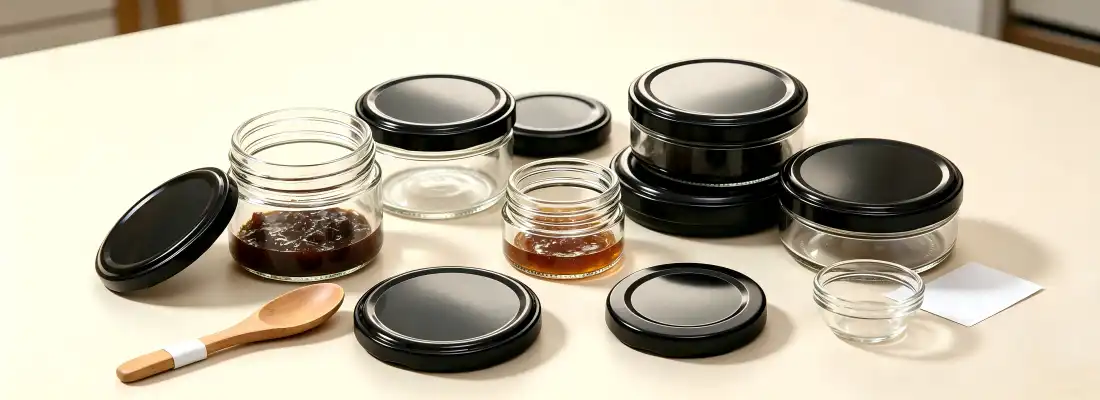
Best Practices for B2B Procurement of Metal Jar Closures
Partnering With Certified Suppliers
Reliability in the supply line starts with choosing the right provider. Look for sellers who have the right licenses to prove that their quality management systems and food safety rules are being followed. ISO 9001 recognition shows that the process is consistently controlled, and FDA approval shows that the materials meet U.S. guidelines for food contact.
Trading businesses can't compete with manufacturers who can do all of their own production. Direct makers are in charge of quality at every step, from choosing the raw materials to checking the finished product. They can react more quickly to changes in specifications and offer technical support for projects that need it. Xuzhou Muzhishi Crafts Co., Ltd. is a good example of this integrated method. They run 10 glass furnaces that can make up to 1 million units per day, so they can reliably meet both small orders and big orders.
Leveraging Customization for Brand Differentiation
In competitive markets, generic packaging makes it harder to recognize a brand. With custom prints, useful closures can be turned into marketing tools. Techniques like high-resolution printing, laser cutting, embossing, and hot pressing make it possible to add logos, text, and patterns that help people remember your brand.
You can change more colors than just shiny or matte black styles. Custom finishing methods let manufacturers match specific brand colors, making sure that all of their products look the same. For this kind of customization, you need to work with providers that offer ODM/OEM services and account management that is committed to helping you with everything from design specs to production.
During the research stages, sample response time is important. When suppliers offer free samples within three to five days, testing and approval cycles can happen quickly. Custom sample production in about 25 days, followed by mass production timelines of 30 days, makes project planning for seasonal starts and marketing campaigns more realistic.
Optimizing Bulk Orders and Negotiation
Cost savings can be found by buying in bulk, but it takes careful planning. When you combine orders from different product lines, you save the most money per unit while also cutting down on process costs. Long-term supply deals keep prices stable and make sure there is enough production capacity during busy times.
Unit prices should not be the only thing that is negotiated. Talk about how to pay, how much you need to order, and how easily you can change your order. Make it clear who is responsible for problems with the quality, damage during transport, and clearing customs. Suppliers who can import and ship goods on their own make international operations easier by taking care of paperwork like packing lists, commercial bills, and certificates of origin.
If you work with makers of multi-size black metal jar lid who have smart ties with suppliers of raw materials, you can get materials for 10 to 15 percent less. These savings show up in your prices without lowering quality, making you more competitive in the areas you want to reach.
Ensuring Supply Chain Reliability
Production that doesn't stop depends on knowing when lids will be available. Check out how your sellers handle their inventory and how long it takes to make things. When manufacturers keep different production lines running and stock similar materials, they can avoid delays.
For foreign business, transportation flexibility is important. Suppliers who offer shipping by sea, plane, and multiple modes of transportation can work with your schedule and price. Full export support, including customs handling, inspection services, and packing that is tailored to shipping needs, makes your work easier.
After-sales help protects you against problems you didn't expect. Suppliers who promise to respond within 24 hours and pay for damage caused by transportation show that they are responsible. This support system keeps your operations safe from problems that could spread through your supply chain and make it hard for customers to keep their promises.
How to Implement Metal Closures in Your Packaging Operations?
Machinery Compatibility and Workflow Integration
The first step to a successful application is to look at the filling and capping tools you already have. Automatic capping tools need to be set to a certain force depending on the type of gasket and lid. When torque isn't applied correctly, either seals aren't full or threads are broken.
Talk to the companies that make the tools you're interested in to find out what the locks you're considering require. Many closing systems can fit different-sized lids by using chucks and time that can be changed. But big changes might mean that equipment needs to be upgraded or retrofitted. Planning these changes for times when output is slower reduces the effect of downtime.
Workflow ordering changes the quality of the results. Hot-fill processes need lids that can survive high temperatures without the seal breaking down. For vacuum-seal operations, the lids must have safety buttons that make it clear if they have been tampered with. The best results will come from matching the lid's specs to the way you fill it.
Quality Control Protocols
When you use systematic inspection methods for multi-size black metal jar lid, you can find problems with goods before they leave your building. An eye test should look for flaws in the finish, make sure the seal is in the right place, and make sure the measurements are correct. A random sample taken during production checks that the torque is applied consistently and that the seal is intact.
The way to test for leaks depends on the type of goods. When testing, a water bath is good for finding big problems, while a vacuum decay test is better for finding small seal flaws. Setting acceptable guidelines based on customer needs and industry standards makes it easy to make decisions about quality.
Documentation techniques help with tracking and making improvements all the time. Keeping track of lot numbers, test results, and rejection rates lets you look at trends in provider performance. This information helps with future purchasing choices and gives proof in case of quality complaints.
Operator Training and Skill Development
Complex equipment doesn't mean much if the people who use it aren't skilled. Training programs should teach people how to handle things properly so that lids and gaskets don't get damaged. Workers need to know how much force is needed, how to spot broken closures, and what to do when closing equipment breaks down.
Cross-training makes sure that output keeps going even when key employees aren't present. Procedures that are written down can be used as guides during training and as quick references during production. Regular training classes go over best practices again and teach workers about new types of closures or changes that can be made to equipment.
Measurable Benefits and Case Examples
When implemented correctly, implementation attempts yield real results. Less product returns directly increase profits and improve the image of the brand. Less downtime due to interface problems means more efficient production capacity with no need for new capital.
When a business that makes drinks switched to precision-engineered metal caps, seal failures dropped by 87% in the first quarter. Buying good lids paid for itself because they cut down on waste and kept recalls from happening. Another company that makes specialty foods improved their production speed by 23% after making changes to their closure specs to better match the capabilities of their capping equipment.
These results show that carefully choosing and implementing a close are not just buying choices, but also strategic investments. Over time, the operational gains add up to long-term benefits in quality and speed that can't be copied.
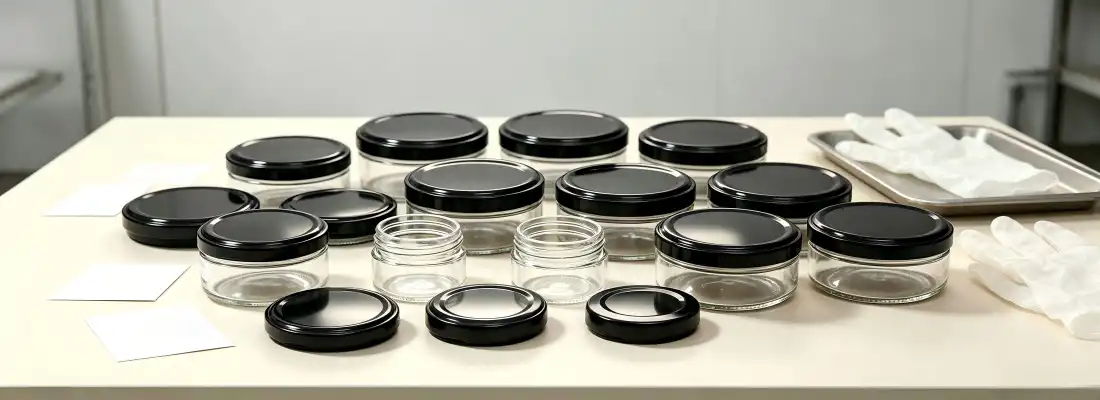
Conclusion
Choosing the right multi-size black metal jar lid size requires both technical know-how and smart buying habits. For packaging to work, it needs to be measured correctly, materials should be chosen based on how the product works, and suppliers should be able to work with customers to make changes. When you know about compatibility standards, quality certifications, and best practices for application, choosing a lid goes from being a simple buy to one that adds value. Investing in good seals pays off by protecting the purity of the product, making operations run more smoothly, and improving how people see the brand. Procurement professionals set up their businesses for long-term quality and customer happiness by giving this choice the careful consideration it needs.
FAQ
What's the difference between continuous thread and lug finishes for jar lids?
Continuous thread (CT) ends need to be rotated more than once to fully engage, which makes them more secure and harder to mess with. For goods that don't need the highest level of security, lug finishes have twist-off devices that can be engaged with a quarter-turn or a half-turn. The type of lid you need depends on the finish on the neck of your jar; they can't be switched out.
Can metal jar lids withstand high-temperature sterilization processes?
Yes, good metal lids with high-temperature Plastisol liners and retort-grade lacquers can be sterilized in an autoclave for an hour at 121°C. For high-heat uses, the coating recipe and sealing material must be made clear. Standard lids might not keep the lock intact in these situations, so check with your seller to make sure.
Are black coatings on metal lids food-safe and BPA-free?
Reputable companies now use BPA-NI (Non-Intent) coats that meet the rules in the EU and California Prop 65. For food safety, the coats go through a lot of tests. Before placing a big order, you should always check certifications like FDA approval and ask for proof of material safety.
How do I prevent oxidation spotting on black metal lid edges?
Post-coating edge-protection methods or electrophoretic coating completely cover the metal that is visible at the rim of professional-grade lids. This stops "black spotting" that happens when wetness gets to cut edges that aren't covered. Good makers include this protection as normal, so the product's look stays the same while it's on the shelf.
Partner With Muzhishi for Your Metal Jar Lid Needs
Every time we work with a multi-size black metal jar lid supplier relationship, Xuzhou Muzhishi Crafts Co., Ltd. brings more than 20 years of experience making things. Our combined production method keeps costs down while meeting quality standards set by CE, FDA, SGS, and LFGB. We can meet the needs of both fast development and large-scale production. Our 10 glass furnaces can each make up to 1 million units per day, and we can send you free samples within 3–5 days. High-resolution printing, laser etching, stamping, and custom color matching with the help of dedicated account managers are some of the customization services we offer. We take care of all the export paperwork, clearing customs, and multimodal shipping to make sure your package gets delivered safely anywhere in the world. Email our team at long@muzhishi.com to talk about your unique needs, get free samples, or find out how our ODM/OEM services can help your packing strategy with certified, reliable closures.
References
Smith, J. & Anderson, K. (2022). Packaging Materials for Food Preservation: Technical Guide for Industrial Applications. Food Science Publishers.
International Organization for Standardization. (2021). ISO 9001:2021 - Quality Management Systems: Requirements for Food Contact Materials. Geneva: ISO Press.
Williams, R. (2023). "Sealing Technology in Metal Closures: Engineering Principles and Performance Testing." Journal of Packaging Technology and Research, 17(3), 245-267.
National Food Safety Commission. (2022). FDA Compliance Guidelines for Metal Food Container Closures. Washington: Government Printing Office.
Chen, L. & Rodriguez, M. (2023). "Comparative Analysis of Metal Versus Plastic Closures in Sustainable Packaging." International Packaging Review, 28(1), 112-134.
Thompson, D. (2021). Supply Chain Management for Food and Beverage Packaging: Best Practices in B2B Procurement. Industrial Press Inc.



Our customers’ satisfaction speaks for our quality — contact us to experience the same reliable service.