- English
- French
- German
- Portuguese
- Spanish
- Russian
- Japanese
- Korean
- Arabic
- Greek
- German
- Turkish
- Italian
- Danish
- Romanian
- Indonesian
- Czech
- Afrikaans
- Swedish
- Polish
- Basque
- Catalan
- Esperanto
- Hindi
- Lao
- Albanian
- Amharic
- Armenian
- Azerbaijani
- Belarusian
- Bengali
- Bosnian
- Bulgarian
- Cebuano
- Chichewa
- Corsican
- Croatian
- Dutch
- Estonian
- Filipino
- Finnish
- Frisian
- Galician
- Georgian
- Gujarati
- Haitian
- Hausa
- Hawaiian
- Hebrew
- Hmong
- Hungarian
- Icelandic
- Igbo
- Javanese
- Kannada
- Kazakh
- Khmer
- Kurdish
- Kyrgyz
- Latin
- Latvian
- Lithuanian
- Luxembou..
- Macedonian
- Malagasy
- Malay
- Malayalam
- Maltese
- Maori
- Marathi
- Mongolian
- Burmese
- Nepali
- Norwegian
- Pashto
- Persian
- Punjabi
- Serbian
- Sesotho
- Sinhala
- Slovak
- Slovenian
- Somali
- Samoan
- Scots Gaelic
- Shona
- Sindhi
- Sundanese
- Swahili
- Tajik
- Tamil
- Telugu
- Thai
- Ukrainian
- Urdu
- Uzbek
- Vietnamese
- Welsh
- Xhosa
- Yiddish
- Yoruba
- Zulu
How to Clean and Reuse a Candle Jar
You can clean and reuse candle jars more often than you think, which is easy to do and good for your business. People don't throw away their premium cylinder glass candle jar when it goes down; they keep it because it can be used for other things. First, any extra wax is removed using either cold water or freezing. Next, the area is cleaned thoroughly with mild soap and germ-killing chemicals are applied. In addition to lowering costs, this method fits with the growing demand for sustainability in the market right now. Reusable glass containers show that your brand cares about the earth and save money on disposal fees and raw material costs.
Understanding Cylinder Glass Candle Jars and Their Reusability
Why Glass Candle Vessels Matter in Modern Commerce?
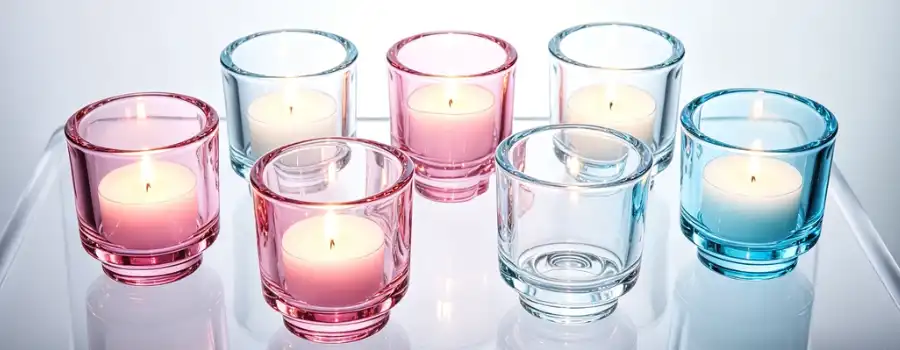
There are good reasons why the glass candle case has become the standard. The thermal performance of these straight-sided vessels is consistent, which curved options can't match. When you look at the structure of a good glass jar, you'll see that the walls are all the same thickness, which spreads the heat evenly while it burns. This engineering stops the annoying tunneling effect that wastes expensive wax mixtures and makes customers unhappy. Professional makers like how the clear walls show off the artisanal work, and the stable base lowers the risk of damage in busy public places like hotels and restaurants.
Economic Benefits of Jar Recovery Programs
When you reuse glass products, your costs change in important ways. For every jar you find, you don't have to buy new packing, which directly increases your profits. Not only will you save money on raw materials, but you'll also save money on shipping and waste disposal fees when you order less new merchandise. Think about the fact that a properly taken care of glass vessel can handle three to five refill rounds without losing its strength. Premium jars like the 315ml straight-sided design from Muzhishi are especially valuable because they last a long time. At 486.4g and 8.9cm tall, they are strong enough to handle being handled over and over in production settings.
Environmental Credentials That Attract Modern Buyers
More and more, your customers are judging suppliers based on how well they treat the earth. Most developed markets have facilities for recycling glass, but reusing glass is even better for the environment. When you start programs to recycle jars, you're following the ideals of the circular economy, which are supported by corporate purchasing departments. Cleaning out and refilling used containers uses a lot less energy than melting down glass scrap and making new goods. When procurement teams look at supplier sustainability records and environmental compliance paperwork, this difference is important.
Step-by-Step Guide: How to Clean Cylinder Glass Candle Jars Efficiently?
Wax Removal Techniques for Industrial Settings
When cleaning in bulk, you need to use a methodical approach that strikes a balance between speed and care. Putting jars in professional freezers for 24 hours causes the wax to shrink and pop out in solid chunks. This method works especially well for large batches. This method keeps the glass's perfect clarity without breaking it. The hot water bath method, on the other hand, works best for glass candle jars with tough leftovers. Putting containers in water that is 70 to 80°C melts any wax that is still there. The wax then comes to the top, making it easy to skim. Both ways can be used with different kinds of wax, such as soy blends, paraffin, and beeswax compounds.
Sanitization Protocols for Commercial Reuse
After the wax is taken off, your refilled goods must be properly cleaned to make sure they meet safety standards. Food-safe dish soap should be mixed with warm water, and soft-bristled brushes should be used to scrub all the inside areas well. Pay close attention to the bottom of the glass candle jar because that's where fragrance oils can build up. Rinse with hot water until there is no more soapy water left on the surface. Any cleaning agents that are left behind can make it hard for new wax to stick or mess up the flavor profiles. Commercial dishwashers are more efficient for businesses that process hundreds of jars every week, but hand-washing is better for controlling the quality of unique items that have custom finishes like screen printing or frost treatments.
Drying and Storage Best Practices
Leaving water in cleaned jars causes a lot of problems. Droplets of water can damage the wick of a refilled candle and make it burn unevenly. Also, glass surfaces can become cloudy and less clear after being wet for a long time. Inverted jars should be left to dry for 48 hours on clean racks in temperature-controlled areas. This will make sure that all the liquid evaporates. To speed up this process safely, some makers use low-temperature warming cabinets. Keep dried dishes in places that aren't dusty and out of direct sunlight, which can heat up the glass and damage its structure. With the right storing, the high-end look that supports higher prices in competitive markets can be kept.
Reuse and Recycling Options for Cylinder Glass Candle Jars
Refilling Strategies for Candle Production Lines
When it comes to refilling, straight-sided glass containers are best because their uniform diameter makes automatic pouring systems easier to use. Professional-grade vessels have a mouth opening that is 7.4 cm wide and 9.9 cm high, so normal wick tabs and centering devices can be used without any changes. When planning refill operations, make sure that the recovered jars can still withstand heat shock. Any tiny cracks in the glass could make future burn cycles less safe. Visual inspection in bright light and light hitting to listen for changes in sound that show structural weakness should both be part of the testing process. If these checks are passed, the jars will work just like new goods, but they will save you a lot of money.
Alternative Commercial Applications Beyond Candles
Creative reuse makes your goods more useful and gives you new ways to make money. Quality glass containers are great for gift packaging in the hotel and retail industries because they have clear walls and are heavy. Hotels use pretty jars to hold bathroom items, and restaurants use them to serve condiments and decorate the tables. Companies that sell corporate gifts like how changeable surfaces can support brand messaging through hot stamping or inside engraving. These methods can turn plain containers into memorable promotional items. The 315ml size is good for portion-controlled foods, bath salts, and artisanal loose-leaf tea, which can help you sell more to people who already buy from you.
Supporting Circular Supply Chains Through Vendor Partnerships
Working with companies that are committed to sustainable methods makes the difference you make for the environment even bigger. When you buy from suppliers with glass candle jar return programs, you're creating closed-loop systems where your used inventory is used to make new products. This deal lowers the carbon impact of both parties and could help them get green business certifications that give them an edge in the market. When looking at possible partners, you should look at how they get their materials, how much energy their factories use, and how they set up their logistics networks to reduce the amount of pollution caused by transportation. All of these things together show whether your buying strategy really helps you reach your sustainability goals or just sends out empty environmental messages.
Choosing the Right Cylinder Glass Candle Jar for Reuse and Sustainability
Material Quality Indicators That Predict Longevity
Not all glass cases can handle being used over and over again. Superior vessels have consistent wall thickness that can be measured with a caliper. For home candles, the wall thickness is usually between 2.5 and 4 mm, and for business uses, it's usually between 4 and 6 mm. Thermal shock resistance is based on the annealing process used during production. This is controlled cooling that reduces internal stress. When annealed correctly, glass can handle temperature differences between 40°C and 60°C without breaking, which is necessary for safe refilling. Carefully look at the base; a heavy bottom makes the fire stable and keeps the flame from touching the top during the last stages of the burn. Value-engineered products are different from high-end goods made to last longer because they have these technical specs.
Customization Capabilities That Enhance Brand Value
Standard containers can become brand ambassadors with a variety of decoration choices. Screen printing makes graphics that last through many washes, and frosting methods make sophisticated matte textures that set premium product lines apart. Inside engraving keeps artistic elements from getting damaged during reuse, so the product's look stays good over many generations. When looking for ships for programs that focus on sustainability, choose suppliers that offer full customization services that can adapt to changing business needs. Being able to change sizes, colors, and decorative treatments without having to place a minimum order gives you the freedom you need to see how the market reacts to new ideas.
Logistics Considerations for Bulk Glass Procurement
Transportation costs are a big part of the cost of buying glass containers. Because each unit weighs 486.4g, shipping costs add up quickly when you buy a lot of things. Strategic buyers arrange consolidated shipments that include more than one SKU to get the best freight rates while keeping a wide range of items in stock. Specifications for packaging are very important. For example, palletized loads with safe dividers keep items from breaking, which could damage whole shipments. Make sure your seller knows how to ship things internationally, including how to fill out the right customs forms and follow the rules for importing goods in the countries you want to reach. Xuzhou Muzhishi Crafts takes care of all of the logistics, like clearing customs and giving both sea and air shipping options that can be adjusted to fit your delivery schedule and budget.

Cylinder Glass Candle Jar Safety and Maintenance Tips for Long-Term Use
Inspection Protocols for Quality Assurance
Reusing jars should be checked often to protect your brand's image and keep your customers safe. Set up a regular review process that looks for three major problems. If a jar has cracks, even tiny ones, they can't be used again because the cracks can spread in strange ways when heated. If there are chips along the edge, it could hurt someone and the lid won't seal properly. Even though surface scratches aren't as dangerous, they look bad and can hold germs during cleaning. Teach the people who work in production to spot these flaws while they're cleaning, and set clear criteria for rejection that put safety first without creating too much waste.
Temperature Management During Production
When jars are refilled, heat contact shortens their useful life. Warming the containers up to 45–50°C before dumping lowers the thermal shock that happens when hot wax is added. This keeps stress from building up over time. Keep a close eye on the pour temperatures—wax that is hotter than what the maker recommends can weaken the glass over time. Instead of putting full jars in drafty areas or places where the temperature changes quickly, let them cool down slowly in places where the temperature stays the same. These safety measures make it possible to reuse the item for longer and keep its structural integrity, which is important for safe customer use.
Protective Accessories That Extend Useful Life
There are more uses for fitted lids than just finishing off the look. Covers made of metal or wood and rubber keep the scent fresh while they are being stored and shipped, and they keep dust from getting into cleaned cylinder glass candle jars. These add-ons also give you more places to put images and product information for branding purposes. When choosing lids for reuse programs, make sure they are the right size—differences of just 1 mm can make it impossible to seal properly. Professional containers come in standard sizes that make it easier to find accessories. For example, you can buy lids separately without having to worry about fit problems between batches of production.
Conclusion
Implementing systematic cleaning and reuse programs for glass candle containers delivers measurable benefits across your operation. The process transforms finished products into valuable assets rather than disposal liabilities. By adopting proven removal techniques, maintaining rigorous sanitization standards, and conducting thorough quality inspections, you'll recover containers that perform identically to new inventory while substantially reducing procurement expenses. The environmental advantages strengthen your market positioning as sustainability becomes a procurement prerequisite. Quality straight-sided vessels like the 315ml professional-grade containers withstand multiple cycles while maintaining the aesthetic excellence your brand requires. Strategic partnerships with manufacturers offering customization flexibility and logistics expertise enable scalable reuse initiatives that grow alongside your business.
FAQ
How many times can commercial operations safely reuse glass candle jars?
Professional-grade containers typically support three to five refill cycles when properly maintained. This estimate assumes thorough cleaning between uses, careful inspection for structural defects, and adherence to appropriate pour temperatures. Jars showing any cracks, chips, or significant scratching should be retired from service regardless of cycle count. The actual reuse frequency depends on handling practices, thermal stress during production, and storage conditions between cycles.
What cleaning agents work best for large-scale jar processing?
Food-grade dish soaps formulated without harsh abrasives provide effective cleaning without damaging glass surfaces or leaving residues that interfere with wax adhesion. Avoid chlorine-based bleaches that can etch glass and petroleum-based solvents that may react with fragrance oils in subsequent candle batches. Warm water combined with mild detergent removes most residues, while white vinegar solutions address stubborn fragrance oil deposits. Commercial operations benefit from establishing standardized cleaning protocols that balance effectiveness with cost control.
Which jar sizes optimize both customer appeal and reuse efficiency?
The 315ml capacity offers versatile applications across residential and commercial contexts. This volume provides 40-60 hour burn times with proper wick sizing, delivering substantial value that encourages customers to retain empty jars for personal reuse. The 9.9cm diameter accommodates standard decorative elements while maintaining stability on varied surfaces. Smaller vessels under 200ml often lack the visual impact justifying premium pricing, while containers exceeding 500ml become cumbersome for many reuse applications and increase shipping costs disproportionately.
Partner with Muzhishi for Premium Glass Candle Jar Solutions
Xuzhou Muzhishi Crafts specializes in manufacturing durable, reuse-optimized glass candle vessels for businesses prioritizing sustainability and cost efficiency. Our 315ml cylinder glass candle jar supplier capabilities include comprehensive customization—from hot stamping and frosting to inside engraving and screen printing—enabling your brand vision to come alive on every container. With 20 years of glass crafting expertise, we deliver consistent quality that withstands multiple production cycles while maintaining the optical clarity and structural integrity your customers expect. We provide free samples within 3-5 days, complete customs documentation support, and flexible packaging solutions tailored to your logistics requirements. Contact our team at long@muzhishi.com to discuss how our one-stop service model supports your procurement goals and sustainability commitments. Let's build a more environmentally responsible supply chain together.
References
1. Glass Packaging Institute. (2022). "Lifecycle Assessment of Glass Container Manufacturing and Recycling Processes." Environmental Impact Studies in Materials Science.
2. American Society for Testing and Materials. (2021). "ASTM F2179 Standard Specification for Annealed Soda-Lime-Silicate Glass Containers." Material Standards and Testing Protocols.
3. National Candle Association. (2023). "Best Practices for Commercial Candle Production: Safety, Quality, and Sustainability Guidelines." Industry Standards Manual.
4. Sustainable Packaging Coalition. (2022). "Circular Economy Strategies for Consumer Goods Packaging." Green Procurement Research Report.
5. Journal of Cleaner Production. (2021). "Economic and Environmental Analysis of Reusable Packaging Systems in Consumer Markets." Academic Research Quarterly, Volume 287.
6. International Standards Organization. (2020). "ISO 7458: Glass Container Thermal Shock Resistance Testing Methods." Technical Specifications for Packaging Materials.

Our customers’ satisfaction speaks for our quality — contact us to experience the same reliable service.