- English
- French
- German
- Portuguese
- Spanish
- Russian
- Japanese
- Korean
- Arabic
- Greek
- German
- Turkish
- Italian
- Danish
- Romanian
- Indonesian
- Czech
- Afrikaans
- Swedish
- Polish
- Basque
- Catalan
- Esperanto
- Hindi
- Lao
- Albanian
- Amharic
- Armenian
- Azerbaijani
- Belarusian
- Bengali
- Bosnian
- Bulgarian
- Cebuano
- Chichewa
- Corsican
- Croatian
- Dutch
- Estonian
- Filipino
- Finnish
- Frisian
- Galician
- Georgian
- Gujarati
- Haitian
- Hausa
- Hawaiian
- Hebrew
- Hmong
- Hungarian
- Icelandic
- Igbo
- Javanese
- Kannada
- Kazakh
- Khmer
- Kurdish
- Kyrgyz
- Latin
- Latvian
- Lithuanian
- Luxembou..
- Macedonian
- Malagasy
- Malay
- Malayalam
- Maltese
- Maori
- Marathi
- Mongolian
- Burmese
- Nepali
- Norwegian
- Pashto
- Persian
- Punjabi
- Serbian
- Sesotho
- Sinhala
- Slovak
- Slovenian
- Somali
- Samoan
- Scots Gaelic
- Shona
- Sindhi
- Sundanese
- Swahili
- Tajik
- Tamil
- Telugu
- Thai
- Ukrainian
- Urdu
- Uzbek
- Vietnamese
- Welsh
- Xhosa
- Yiddish
- Yoruba
- Zulu
How to Customize Cosmetic Cream Jars?
To customise cosmetic cream jars, you have to choose the materials, set the design parameters, pick the decoration method (such as screen printing or hot pressing), and work with experienced makers who know the rules. The process is based on making wrapping that protects the purity of the formulation while also showing off the brand. If a business wants to offer high-end skincare packing, glass face cream jars are the best choice because they are chemically stable, can be recycled, and look great. Knowing how customisation works helps buying teams find containers that meet both style goals and practical needs.
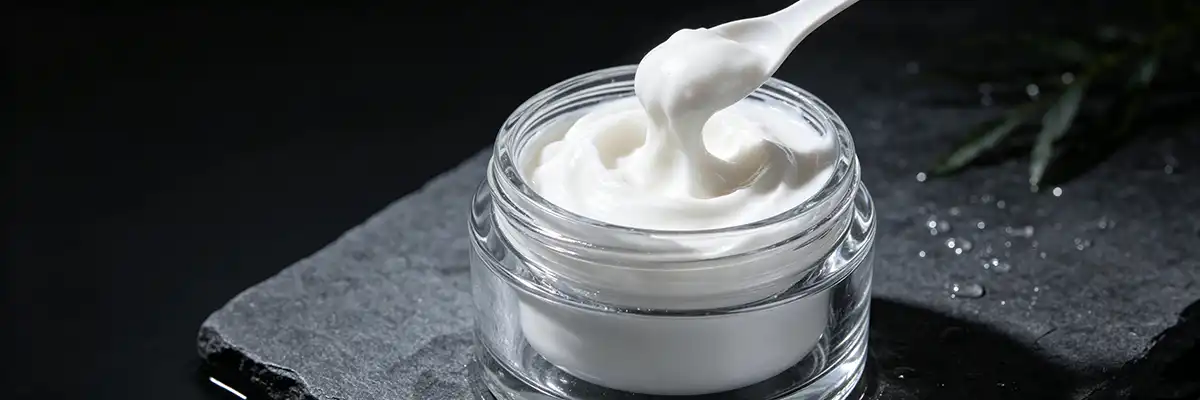
Understanding Glass Face Cream Jars and Their Customization Potential
Material Varieties and Their Applications
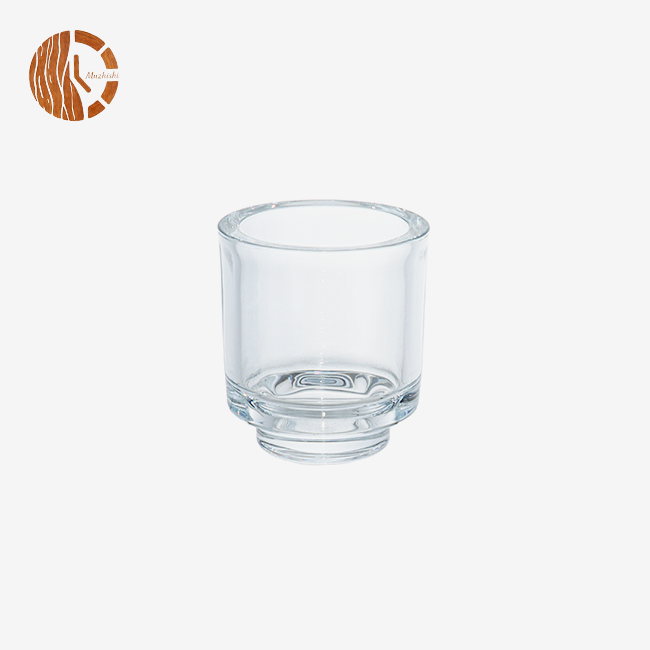
Glass cases for cosmetics come in a number of different types, each with its own set of performance benefits. Soda-lime glass is the most popular because it is cheap and can handle most chemical formulas. Borosilicate glass isn't used as much in makeup packing, but it's better at withstanding thermal shock, which is good for products that need to be hot-filled. Different shades of amber and blue naturally block UV rays, which keeps light-sensitive ingredients like retinol and vitamin C from breaking down. Frosted glass solutions make things feel different and let more light through, which is good for both function and style.
Choice of materials has a direct effect on the stability of the mixture. Glass is very chemically inert, so ingredients can't react with the packing surfaces. This is very important for recipes that don't need preservatives or are very active. Because glass isn't porous, you don't have to worry about flammable compounds or air leaking out, which can make a product less effective over time.
Evolution of Glass Containers in Cosmetic Packaging
The way the cosmetics industry uses glass packing shows how the industry as a whole is moving toward being more environmentally friendly and high-end. From the 1960s to the 1990s, plastic was the most common type of packing because it was easier to make. But these days, brands are turning back to glass because it is better for the environment and is associated with luxury. Sustainability study shows that glass is recycled a lot more than plastic, and the quality of the material stays the same through an endless number of cycles. This closed-loop possibility fits with companies' efforts to protect the earth and customers' wants for responsible packing.
Customization Elements That Define Brand Identity
Standard crates can be turned into brand assets through customisation. Different jar shapes, from simple cylinders to unique geometric shapes, make them easy to spot on busy store shelves. Different types of closure systems, from simple screw caps to complex pump devices, can change how users feel and how much they think something is worth. Surface finishing methods like hot stamping, screen printing, and internal engraving make it possible to present a name clearly while keeping the purity of the container.
Customising colours goes beyond the basic clear and orange choices. Custom colouring makes unique colourways that support brand colour schemes and make products stand out more. These changes work well together. For example, a brand could use frosted glass, gold hot stamping, and custom-colored caps to make packaging that stands out and allows them to charge higher prices.
How to Choose the Right Glass Cream Jar Material and Design for Your Products
Glass Versus Plastic: A Technical Comparison
The argument over whether glass or plastic is better has many performance aspects. Glass is a perfect buffer against oxygen and wetness, which helps keep formulations stable for active ingredients that are sensitive. Chemical stability makes sure that plasticisers and other additives don't leak into the formulas of products, which is more of a worry when the products are marketed as organic or clean. Glass can handle the sterilisation processes needed for medical-grade skin care products, making it suitable for clinical marketing outlets.
Glass is a much better choice for the environment. If thrown away, the material breaks down totally, but plastic stays in environments for hundreds of years. Glass recycling infrastructure is still better developed around the world, and how people feel about environment affects their buying choices across all age groups. The credibility of brand messages depends on how well environmental claims match up with the choices made for packing.
Wall Construction: Single Versus Double
The air gap between the inner and outer sides of double-wall glass forms thermal insulation that protects temperature-sensitive formulas. This style also communicates a high level of quality by providing a luxurious feel and visual depth. Single-wall construction saves money while keeping all of glass's natural benefits. This makes it a good choice for brands that need to balance quality with limited budgets.
Specifications for thickness affect both how long something will last and how much it weighs when shipping it internationally. Freight costs are higher for heavier containers, but they look more solid, which is why they are priced higher. Lightweight designs cut down on transportation costs, but they might lower the perceived value of the product. For a glass face cream jar, this is a tradeoff that needs to be carefully considered based on distribution routes and what the target market wants.
Closure System Selection
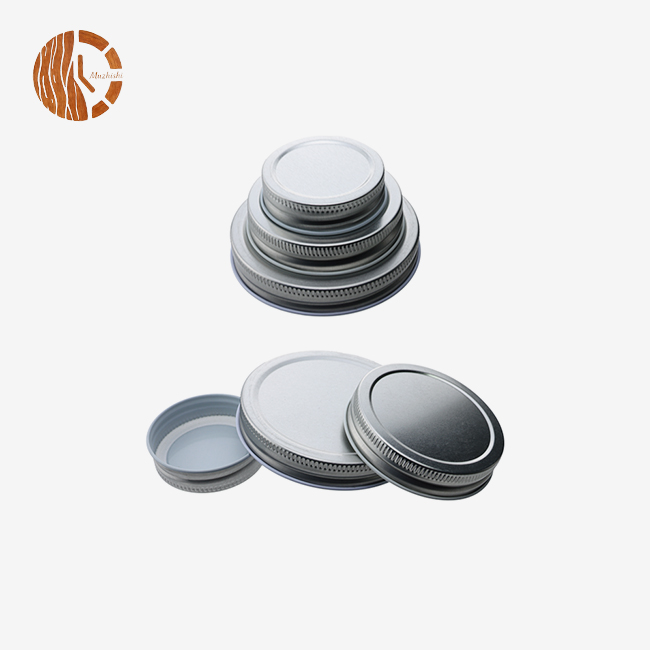
Closure technology has a direct effect on how well products last and how happy users are with them. Screw caps that don't let air in and have silicone sleeve sections stop oxidation in recipes that are easily damaged by air. Pump dispensers keep your hands clean by avoiding direct touch with the product. They also give you control over how much you use, which is especially useful for professional skincare. Dropper systems are good for using serums in situations where exact amounts need to be applied.
Technical testing is needed to see if the viscosity of the mixture and the machinery of the dispenser are compatible. Pump methods that are made for lighter creams don't work well with thick butters and oils. Material compatibility testing makes sure that the closure parts won't react chemically with the materials in the mixture over the expected shelf life periods.
Capacity Optimization for Procurement Efficiency
Choice of volume strikes a balance between formulation cost, usage length, and worth as seen by the user. Standard sizes of 60ml and 62ml work well for face treatments where concentrated formulas work well in small amounts. Eye creams and spot treatments work well in smaller sizes (15ml to 30ml), while body creams and mass-market products work better in larger sizes (100ml to 120ml).
The price of bulk purchases goes down a lot when you place a lot of orders, but your storage and capital needs have to match your sales pace estimates. Overestimating numbers locks up working capital in inventory, while underestimating creates the risk of running out of stock, which can damage relationships with retailers.
Step-by-Step Process to Customize Your Glass Cosmetic Cream Jars
Defining Packaging Objectives and Brand Requirements
Customisation starts with laying out clear package goals that are in line with the brand's strategy. Value-conscious brands try to be as cost-effective as possible without sacrificing usefulness, while premium brands focus on looks and feel that support their higher prices. Depending on where the brand is in the market, simple design or fancy decorations may work better for its character.
Compliance rules are different depending on where the goods are sold. In the US, makeup packaging is regulated by the FDA. In the EU, on the other hand, labelling rules are different. Understanding the standards that apply stops expensive redesigns and delays in entering the market. Writing down these factors makes clear specs that make talking to suppliers easier.
Decoration Technique Selection
Screen printing puts ink directly on glass, making pictures that last even after being handled and being exposed to the elements. This method works well for bold designs with solid colour areas, but it doesn't work well for photos or gradient effects. When glittery or coloured foil is hot stamped onto glass, it makes highlights that reflect light and catch it in a big way. The process works really well for logos and writing parts that need to look great.
Laser technology is used for interior engraving to make frosted patterns inside thick glass. This makes faint brand lines that won't wear off easily. Digital printing lets you print full-color photos directly on glass, which can handle complex images but costs more to make because it needs UV-curing processes. When choosing the right methods, you have to think about how they will look, how long they will last, and your budget.
Supplier Partnership Development
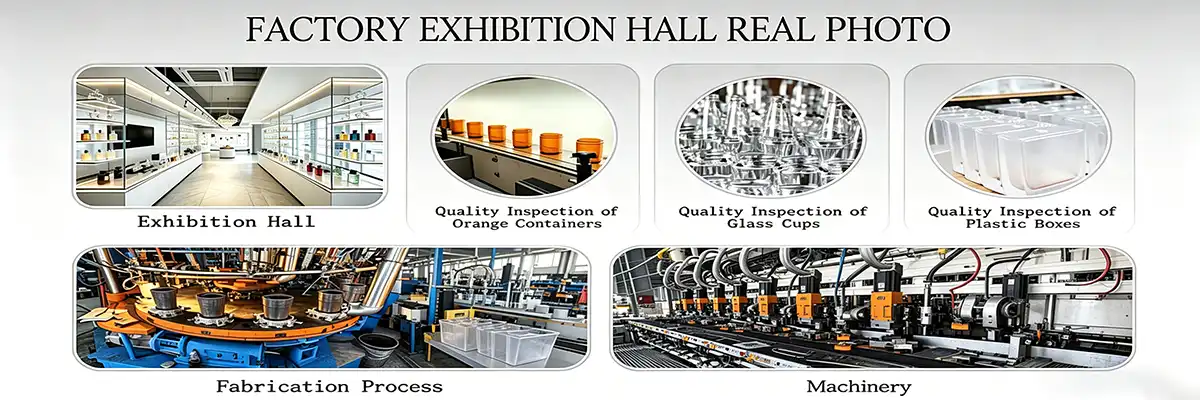
Reliable providers show they can make things by having the right certifications, being open about their production facilities, and giving you client references. Manufacturers with twenty years of experience, like Muzhishi, offer a full range of services, including design advice, prototyping, production, and managing transportation. Sample production times of three to five days allow for quick changes to designs without having to wait for longer development processes.
Minimum order numbers show the limits of how efficiently a product can be made. Smaller MOQs are good for market testing and small names, but the cost per unit is usually higher. Price advantages become available with bigger contracts, but they require more cash and storage facilities. Protecting against market instability means negotiating terms that strike a balance between promises to volume and flexibility clauses.
Quality Assurance Protocols
Strict inspection methods protect against flaws that hurt a brand's image. Testing for hydrolytic resistance makes sure that the chemicals in glass are stable when they are exposed to different pH levels. Testing the crates' mechanical strength makes sure they can handle being moved around during shipping and use by customers. Cap torque testing proves that closing methods keep the integrity of the seal over time.
Sustainability certificates check claims that glass face cream jar can be recycled and manufactures use environmentally friendly methods. Third-party checks back up what suppliers say about where materials come from and how they are made. As environmental marketing claims are looked at more closely by regulators, the proof that these badges are real becomes more important.
Procurement Strategies for Bulk Buying Customized Glass Cream Jars
Manufacturer Evaluation Criteria
To find trusted manufacturing partners, you need to do a thorough evaluation of many factors. The production ability of a company shows whether it can grow with the business without lowering quality. Some types of certification, like ISO standards and industry-specific badges, show that a process is mature and that a pledge to quality is made. Testimonials from clients and case studies show that similar projects have been completed successfully.
Lead times and the difficulty of planning are affected by where they happen. Manufacturers in Jiangsu, China, like Muzhishi, can save ten to fifteen percent on material costs compared to other regions thanks to well-established glass production facilities and ecosystems of component suppliers. Having ties with local suppliers lets you keep an inventory of popular materials, which speeds up shipping times for time-sensitive launches.
Negotiation Tactics for Favorable Terms
Total cost of ownership (TCO) is an important part of effective purchase discussion that goes beyond unit price. Payment terms, how tooling costs are split, and guarantee terms all have a big effect on how much money is made. When you commit to a volume that will be used in more than one production run, you can often get better price and better insight into your production plans, which makes everything run more smoothly.
To handle lead times well, you need to know about production schedule cycles and limits on capability. Costs can be optimised by planning ahead instead of rushing to meet deadlines. Setting up framework deals with chosen sellers makes the buying process more reliable. This lowers transaction costs and helps people work together, which is helpful when there are supply disruptions.
Custom Printing and Private Labeling Advantages
In busy markets where formulation alone isn't enough to make a difference, proprietary design helps set goods apart. Custom painting turns plain containers into brand assets that stand out on the shelf and explain charging more. Private labelling lets brand owners get into new markets quickly without having to build expensive manufacturing facilities. They can use their suppliers' skills while still keeping control of their brand.
Decorations that are easy to change with the seasons and limited edition items that get people excited about shopping can be used. Being able to change images without spending a lot of money helps marketing efforts that update how a brand looks without having to redesign the whole package. In customer markets that change quickly, where following trends affects market share, this flexibility becomes a competitive edge.
Sustainability as Procurement Criterion
As business responsibility commitments get stronger, environmental concerns become more important in buying choices. Glass packaging fits with the ideas of a circle economy because it can be recycled over and over again without losing any of its quality. Suppliers' environmental practices, like where they get their energy and how they handle trash, show larger sustainability promises that stakeholders look closely at.
Material sourcing documentation that is clear lets brands back up environmental marketing promises that customers will believe. Suppliers who offer full lifecycle reviews and carbon impact data help brands tell stories that set them apart in markets where people buy things because they care about the environment. As rules around environmental claims get stricter around the world, this paperwork becomes more important than ever.
Conclusion
When you customise glass face cream jars, you have to balance your desire for good looks with the need to make them work well, your budget, and your commitment to being environmentally friendly. Glass containers have material benefits that keep the purity of the recipe and support positioning the brand as a premium one while also being environmentally friendly. For customisation to work, you need to carefully choose the materials, be clear about the design, work with your suppliers strategically, and make sure the quality is high. When procurement experts learn these skills, they can get packaging that serves as strategic brand assets instead of just holding goods. Putting money into proper customisation pays off in better brand recognition, better product performance, and agreement with market values that value sustainability and quality over just cost-effectiveness.
FAQ
What environmental advantages does glass packaging offer compared to plastic alternatives?
Plastic recycling usually lowers the quality of the material with each turn, but glass can be recycled over and over again without losing any of its quality. If you throw away glass, it breaks down fully, so you don't have to worry about the microplastic waste that comes with plastic breaking down. Manufacturing methods for recycled glass use a lot less energy than making new plastic, which lowers carbon footprints. Consumer impression studies show that glass packing improves the environmental trustworthiness of a brand more than plastic alternatives, even bio-plastics, whose disposal infrastructure is still not fully developed in most markets.
Can small brands access custom printing services, or do minimum orders prohibit entry?
Reliable makers set MOQ levels that work with different business sizes. Large orders get the best prices, but new names can easily start working with known suppliers to see how the market reacts to them. Sample sales and smaller production runs make it possible to build a business without needing a lot of money. Digital printing methods have lower setup costs than traditional screen printing, which makes it easier to do small runs. When brands talk to suppliers, they should talk about expected sales and growth paths. Manufacturers are more likely to accept smaller initial orders if they are sure the relationship will last.
What procedures ensure reusable glass jars maintain hygiene and product safety?
The right way to clean something is to wash it in hot water with a light detergent, rinse it well to get rid of any leftover soap, and let it dry completely in the air before using it again. Microbes can't get on things that have been sterilised by cooking them or running them through a washing cycle. It is still important to check jars for cracks or chips that could let germs in, since broken containers need to be thrown away. People shouldn't reuse jars for recipes that are very different from what was originally inside them, because residual ingredient interactions could make new goods less safe. These steps make it safe to refill jars, extend the life of packing, and help reach sustainability goals.
Transform Your Brand with Premium Glass Face Cream Jar Solutions from Muzhishi
Xuzhou Muzhishi Crafts Co., Ltd. offers full customisation services for buying glass face cream jars. They have been making products for 20 years and have quick customer service and low prices. Our Jiangsu facility has everything from initial design advice to global shipping coordination. This makes it easier for home decor brands, gift companies, retail chains, event planners, hospitality businesses, and international wholesalers to buy things. We keep popular materials in stock to cut down on wait times, and we offer full ODM/OEM customisation, such as hot stamping, screen printing, and engraving on the inside. Our 60ml and 62ml capacities can meet a wide range of recipe needs with amber, clear, or unique colour requirements. Having relationships with local suppliers lowers the cost of materials, and our account managers give each client individual care with reaction times of less than twenty-four hours. Samples can be made in three to five days, which shortens the time it takes to get your goods to market. As a well-known company that sells glass face cream jars, we take care of all the export paperwork, which makes sure that foreign packages go through customs without any problems. Get in touch with our team at long@muzhishi.com to talk about how quality glass packing can help your brand stand out and improve the performance of your products.
References
1. Marsh, K. and Bugusu, B. (2007). "Food Packaging—Roles, Materials, and Environmental Issues," Journal of Food Science, Vol. 72, Issue 3, pp. R39-R55.
2. Robertson, G.L. (2016). Food Packaging: Principles and Practice, Third Edition. CRC Press, Boca Raton, Florida.
3. Emblem, A. and Emblem, H. (2012). Packaging Technology: Fundamentals, Materials and Processes. Woodhead Publishing, Cambridge, United Kingdom.
4. Soroka, W. (2009). Fundamentals of Packaging Technology, Fourth Edition. Institute of Packaging Professionals, Naperville, Illinois.
5. Twede, D. and Goddard, R. (2016). Packaging Sustainability: Tools, Systems and Strategies for Innovative Package Design. DEStech Publications, Lancaster, Pennsylvania.
6. Yam, K.L. (2009). The Wiley Encyclopedia of Packaging Technology, Third Edition. John Wiley & Sons, Hoboken, New Jersey.

Our customers’ satisfaction speaks for our quality — contact us to experience the same reliable service.