- English
- French
- German
- Portuguese
- Spanish
- Russian
- Japanese
- Korean
- Arabic
- Greek
- German
- Turkish
- Italian
- Danish
- Romanian
- Indonesian
- Czech
- Afrikaans
- Swedish
- Polish
- Basque
- Catalan
- Esperanto
- Hindi
- Lao
- Albanian
- Amharic
- Armenian
- Azerbaijani
- Belarusian
- Bengali
- Bosnian
- Bulgarian
- Cebuano
- Chichewa
- Corsican
- Croatian
- Dutch
- Estonian
- Filipino
- Finnish
- Frisian
- Galician
- Georgian
- Gujarati
- Haitian
- Hausa
- Hawaiian
- Hebrew
- Hmong
- Hungarian
- Icelandic
- Igbo
- Javanese
- Kannada
- Kazakh
- Khmer
- Kurdish
- Kyrgyz
- Latin
- Latvian
- Lithuanian
- Luxembou..
- Macedonian
- Malagasy
- Malay
- Malayalam
- Maltese
- Maori
- Marathi
- Mongolian
- Burmese
- Nepali
- Norwegian
- Pashto
- Persian
- Punjabi
- Serbian
- Sesotho
- Sinhala
- Slovak
- Slovenian
- Somali
- Samoan
- Scots Gaelic
- Shona
- Sindhi
- Sundanese
- Swahili
- Tajik
- Tamil
- Telugu
- Thai
- Ukrainian
- Urdu
- Uzbek
- Vietnamese
- Welsh
- Xhosa
- Yiddish
- Yoruba
- Zulu
Common Storage Mistakes for Essential Oil Bottles
Many procurement managers often underestimate the importance of proper storage conditions for essential oils. Improper handling of small essential oil bottles, whether purchased in bulk or through custom manufacturing, can lead to product degradation over time. Common issues such as oxidation, leakage, and customer complaints are frequently linked to preventable storage and handling errors. These typically include exposure to direct sunlight, inadequate temperature control, use of incompatible container materials, and insufficient sealing systems. Such factors can compromise product integrity, increase return rates, and negatively affect long-term brand perception. For B2B buyers in industries such as home décor, gifting, retail, event planning, hospitality, and distribution, understanding these risks is essential, as product stability directly influences customer satisfaction and repeat business.

Understanding Common Storage Mistakes for Small Essential Oil Bottles
Glass bottles are very important for the aromatherapy, makeup, and personal care businesses because they keep volatile plant chemicals safe. When storing small essential oil bottles, you need to pay more attention than with bigger containers. Because oils are smaller, they are more likely to be damaged by things in the surroundings that speed up the breakdown process. Photochemical processes are set off by light and break down therapeutic substances. Heat speeds up the drying process and changes the way molecules are arranged. Oxygen from the air causes fresh oils to go bad, which is called oxidation. Moisture pollution makes germs grow and weakens the medicine.
Material Selection Errors
A lot of the time, buying teams choose packaging based only on how it looks or how much it costs, without thinking about how well it works with chemicals. Not every type of glass is as safe as the others. Standard soda-lime glass used for decorations doesn't block UV light as well as amber or cobalt-tinted borosilicate glass. Plastic options are less expensive and lighter, but they let air pass through and can react chemically with some oil compounds, especially those that come from citrus fruits and contain limonene. The International Journal of Aromatherapy released research that shows amber glass stops about 90% of harmful UV rays between 200 and 450nm wavelengths. This means that amber glass containers keep food fresh for a much longer time than clear containers.
Businesses that put beginning cost saves ahead of material quality end up spending more in the long run because of higher spoilage rates and customer complaints. A small essential oil bottle made of high-quality borosilicate glass keeps the oil stable for a lot longer than cheaper options, so your investment is protected all the way through the supply chain.
Environmental Control Failures
Changes in temperature are another common storage mistake. Essential oils don't change much in temperature between 15°C and 25°C (59°F and 77°F), but the temperature in many buildings changes a lot from day to night or from season to season. Heat speeds up the breaking down of molecules. Studies show that a 10°C rise in temperature can double the rate of chemistry breakdown. On the other hand, freezing weather can change the viscosity of oil and cause stress cracks in glass.
When designing a building, lighting conditions are not given enough thought. Fluorescent lights give off UV energy that breaks down photosensitive chemicals over time, even through amber glass. Direct sunlight coming in through warehouse windows makes hot spots that focus heat on certain parts of your inventory. This makes your stock age unevenly.
Controlling humidity is often forgotten completely. Glass roller bottles are a great barrier for protection, but water can damage labels, rust metal roller balls, and cause mould to grow around cap threads. When the relative humidity is above 60%, condensation forms, which damages the appearance of the product and the integrity of the seal.
Sealing and Closure Mistakes
Even the most carefully made 12ml glass bottle is useless if it doesn't have a good way to close it. Three sealing mistakes have been seen over and over again in different delivery methods. When the thread standards on the caps and bottles don't match, tiny holes appear that let toxic chemicals escape. When caps are too tight, they can break glass threads or damage plastic seals. When caps are too loose, they let air flow, which breaks down oils.
The material of the cap is more important than most people think. Standard plastic caps work fine for most uses, but closed containers for oils with a lot of monoterpenes, like citrus or pine oils, need special chemical-resistant caps. The seal is made by the gasket material inside the cap. Over time, low-quality gaskets harden and lose their ability to close.
Adding more complications are roller ball systems. The easiest application is with glass balls, but they can stick if the oils harden. Stainless steel balls don't react with chemicals, but some mixtures may cause them to rust. Plastic wheels are the most resistant to chemicals, but they might not feel as high-end. By matching the ball type to the oil mixture, you can avoid pouring problems that make users angry.
Root Causes and Consequences of Incorrect Essential Oil Bottle Storage
Every storage mistake has a widespread cause that procurement pros need to think about and plan how to fix. Protocols that aren't always followed across storage sites lead to differences in quality that confuse customers and make managing goods harder. When your warehouse in California and your distribution center in Texas use different methods, it's hard to tell what the quality of the goods will be.
Knowledge Gaps in Essential Oil Chemistry
A lot of people decide what to buy without really knowing how essential oils work scientifically. People who know how to buy most things might not realise that essential oils are made up of many volatile organic molecules, each with its own stable profile. Peppermint oil oxidises in a different way than lavender oil. Woody oils, like sandalwood or cedarwood, break down more slowly than citrus oils.
Because people don't know enough about different product lines, there aren't any storage options that work well for all of them. A purchasing manager might buy the same clear glass boxes for all of the essential oils in a collection. This person might not know that photosensitive oils like bergamot and lemon need amber containers, while stable oils like patchouli can handle clear glass with the right environmental controls.
Budget-Driven Compromises
Buyers often choose cheaper packing options without fully considering the costs that will happen later because they need to save money. It's possible that a clear small essential oil bottle costs a little less than an amber one, but the shorter shelf life and higher rate of spoiling can quickly wipe out any savings. When gift shops or event planners order handmade bottles for seasonal campaigns, they sometimes choose materials based only on how much they cost up front, not how well they store over time.
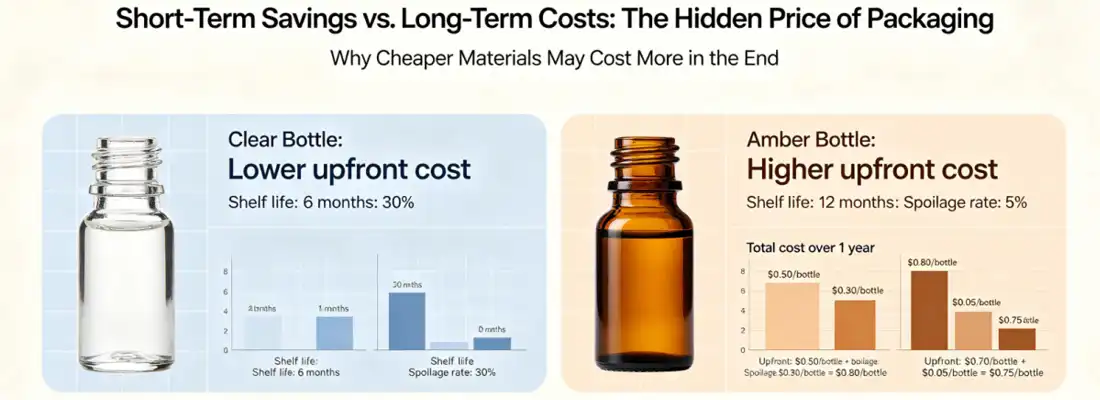
The effects show up in every part of your business. Customers are unhappy with oxidised oils because they lose their pleasant smell and healing qualities. Leaky packages damage the goods around them and make it harder to complete orders. The number of returns goes up when the packing isn't good. According to data from the industry, returns due to bad packaging cost stores between 2 and 4 percent of their total sales income. When customers get shoddy goods, it hurts your brand's image, which makes them less likely to trust you again and buy from you again.
Customers in the hospitality industry who buy aromatherapy products for spas or hotels become very aware of inconsistent quality. If a resort's oil starts to break down in the middle of the season, guests will have instant problems and the resort may have to switch providers, which will cost them a lot of money.
Principles and Best Practices for Storing Small Essential Oil Bottles Properly
Controlling the surroundings is the first step in making good storage plans. Keeping temperatures steady between 15°C and 25°C protects the chemistry of oil without having to use cooling, which can lead to problems with humidity. Distributors who deal with large amounts should invest in climate-controlled holding areas just for their essential oil supplies.
Optimal Material Selection
Choosing the right materials for bottles is the first step in storing them correctly. Dark glass, especially amber or cobalt blue borosilicate glass, protects better from UV light and doesn't react with chemicals. Muzhishi makes small essential oil bottles out of high-quality borosilicate glass, which is very stable at high temperatures and stops chemicals from leaking into the oil, which lowers its purity. The square base shape keeps the bottle from rolling over, which can happen with circular bottles in a warehouse.
The choice of material goes beyond the bottle itself. The materials used to make caps must not react chemically with oil vapours. Good seals are made with high-quality plastic caps that have special gasket layers inside them. Metal caps look great, but they need coats on the inside to keep metal from coming into direct touch with oil, which can speed up oxidation processes.
When it comes to materials, the following things will help your supply chain's storage work better:
- Amber borosilicate glass: Blocks harmful UV rays and is stable at high temperatures and resistant to chemicals. It can be used with almost all types of essential oils, which is why aromatherapy dealers and health brands choose it.
- Cobalt blue glass: Provides some UV protection and makes products look better when they're displayed in stores. It works well for stable oil mixtures where brand looks are important for gift and premium product buyers.
- Clear glass with UV coating: Lets you see the product clearly and protects it from photochemical damage. This is good for stores where customers want to see the colour and clarity of the product before they buy it.
- Chemical-resistant closures: Specialised cap liners keep vital oil vapours from breaking down seal materials, so they stay leak-proof for longer periods of time, which is important for importers who have to meet foreign shipping deadlines.
These decisions about materials have a direct effect on your operating costs. According to tests done across different distribution channels, amber glass containers have an average shelf life that is 40 to 60 percent longer than clear containers when stored in the same way. This longer stability window cuts down on waste and improves the efficiency of inventory turnover for groups that buy seasonal supplies for hotels or event planners who stock up for wedding season.
Sealing and Closure Protocols
Three things that are bad for the security of essential oils are air contact, moisture entry, and volatile compound evaporation. Setting up uniform application procedures is just as important as choosing good closures. Leaks and damage to containers can be avoided by teaching warehouse workers how to put on caps with the right amount of torque—tight enough to squeeze the gasket seal but not so hard that the threads crack.
Pay close attention to roller ball systems. The ball needs to fit properly into its case, with just the right amount of pressure to keep it from leaking but also enough room to roll easily during use. The smoothest experience is with glass roller balls, but oils need to stay liquid at storage settings. Steel balls can handle changes in temperature better and don't stick to oils that tend to crystallise. Plastic roller balls work best with citrus-based formulas that are harsh on chemicals.
Warehouse Management Systems
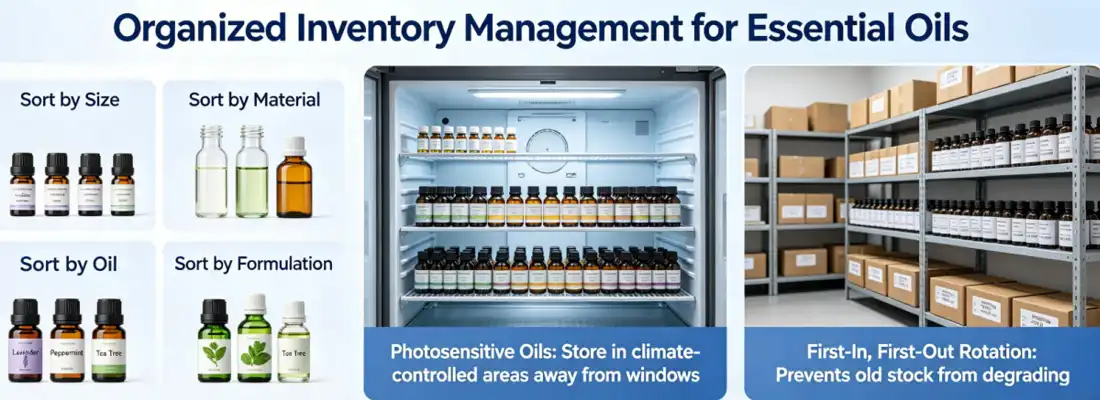
Keeping an organised inventory keeps the quality of the products and makes operations run more smoothly. Targeted storing methods can be used by sorting stock by small essential oil bottle size, material type, and oil formulation. Photosensitive oils that are kept in climate-controlled areas away from windows stay effective for longer. First-in, first-out rotation methods keep old stock from getting worse than what is considered okay for quality.
Traceability standards are becoming more important for regulatory compliance and quality checks. Clear labelling systems with batch numbers, fill dates, and recommended use timelines help meet these needs. When e-commerce platforms or store chains buy goods, they expect detailed product paperwork that shows how the goods were handled properly throughout the supply chain.
Carefully think about how to clean objects that can be used again and again. Glass bottles can be used over and over, which is good for brands that care about the environment, but they need to be cleaned very well after each use. Old oils can get into new fills and make them smell bad and change the way chemicals react in unpredictable ways. Specialised cleaners that get rid of oil leftovers without leaving behind soap residues keep the integrity of the container even after multiple uses.
FAQ
What bottle material works best for bulk essential oil orders?
Borosilicate glass that is amber works best for most essential oil uses. This material stops about 90% of UV radiation that is dangerous and is very stable at both high and low temperatures. The 12ml glass roller bottles from companies like Muzhishi are made of quality borosilicate, which keeps chemicals from leaking out and keeps the oil pure for longer periods of time. Bulk orders benefit from uniform material quality, which lowers variation across big production runs. This makes it easier for wholesalers and store chains to keep track of their inventory.
How can we prevent leakage during shipping?
Several things need to be taken into account to stop leakage. The first line of defence is good closures with gasket covers that are properly squeezed. Bottles should be filled to the right level. Leaving just a little headroom prevents leaking during transport, but leaving enough room stops pressure from temperature changes. Impacts that could open caps are absorbed by secondary packing made of cushioning materials. By testing the closing torque specs, you can be sure that caps are not too tight (which could damage the threads) or too loose (which could let air leak out). Working with providers who know a lot about export handling can help you find shipping holes before they cause problems with fulfilment.
What storage conditions maximize shelf life?
Essential oils are most stable when they are between 15°C and 25°C and when the relative humidity is less than 60%. Even with UV-protective amber glass, photochemical breakdown can't happen in dark storage that isn't in direct sunlight. Stay away from changes in temperature that speed up the breakdown of chemicals. Importers who are in charge of foreign handling use temperature-controlled containers for ocean freight to keep their goods fresh during longer shipping times. Proper storage conditions can increase shelf life by 40–60% compared to unmanaged settings. This has a direct effect on how quickly material is turned over and cuts down on waste.
Partner with Muzhishi for Premium Essential Oil Packaging Solutions
Xuzhou Muzhishi Crafts Co., Ltd. has been making glass products for 20 years and can help you with your essential oil packing problems. Our 12ml glass roller bottles are made of high-quality borosilicate glass and have clever design features like square bases that keep them from rolling over and cap colours that can be changed between gold, silver, white, and black. We work with companies that make home decor, gifts, retail chains, event planners, hospitality businesses, and foreign distributors who need trusted small essential oil bottle suppliers.
We can customise everything, from hot pressing and screen printing to engraving on the inside and making unique labels that make your brand look better. Samples are sent out within 3–5 days, so you can check the quality before committing to full production. Our Xuzhou facility takes advantage of the local supply chain benefits that cut costs by 10–15 percent while keeping strict quality standards that include checking for accuracy in measurements, testing for leak resistance, and checking for chemical inertness. We take care of all the export paperwork and processes, and our after-sales service responds within 24 hours. Find out how our customisable glass bottles can keep the quality of your essential oils safe from the storage to the customer. Email our team at long@muzhishi.com or go to mzsglass.com to get catalogues of our products and talk about bulk buying choices that fit your needs.
References
1. Tisserand, R. and Young, R. (2014). Essential Oil Safety: A Guide for Health Care Professionals. Churchill Livingstone Elsevier, Edinburgh, UK.
2. Bowles, E.J. (2003). The Chemistry of Aromatherapeutic Oils. Allen & Unwin, Crows Nest, NSW, Australia.
3. Turek, C. and Stintzing, F.C. (2013). Stability of Essential Oils: A Review. Comprehensive Reviews in Food Science and Food Safety, 12(1), 40-53.
4. Steuer, B., Schulz, H., and Lager, E. (2001). Classification and Analysis of Citrus Oils by NIR Spectroscopy. Food Chemistry, 72(1), 113-117.
5. Pappas, R.S. (2017). The Essential Oil Truth: The Facts Without the Hype. Essential Oil University Publishing, Indianapolis, Indiana.
6. Schnaubelt, K. (1999). Medical Aromatherapy: Healing with Essential Oils. Frog Books, Berkeley, California.

Our customers’ satisfaction speaks for our quality — contact us to experience the same reliable service.