- English
- French
- German
- Portuguese
- Spanish
- Russian
- Japanese
- Korean
- Arabic
- Greek
- German
- Turkish
- Italian
- Danish
- Romanian
- Indonesian
- Czech
- Afrikaans
- Swedish
- Polish
- Basque
- Catalan
- Esperanto
- Hindi
- Lao
- Albanian
- Amharic
- Armenian
- Azerbaijani
- Belarusian
- Bengali
- Bosnian
- Bulgarian
- Cebuano
- Chichewa
- Corsican
- Croatian
- Dutch
- Estonian
- Filipino
- Finnish
- Frisian
- Galician
- Georgian
- Gujarati
- Haitian
- Hausa
- Hawaiian
- Hebrew
- Hmong
- Hungarian
- Icelandic
- Igbo
- Javanese
- Kannada
- Kazakh
- Khmer
- Kurdish
- Kyrgyz
- Latin
- Latvian
- Lithuanian
- Luxembou..
- Macedonian
- Malagasy
- Malay
- Malayalam
- Maltese
- Maori
- Marathi
- Mongolian
- Burmese
- Nepali
- Norwegian
- Pashto
- Persian
- Punjabi
- Serbian
- Sesotho
- Sinhala
- Slovak
- Slovenian
- Somali
- Samoan
- Scots Gaelic
- Shona
- Sindhi
- Sundanese
- Swahili
- Tajik
- Tamil
- Telugu
- Thai
- Ukrainian
- Urdu
- Uzbek
- Vietnamese
- Welsh
- Xhosa
- Yiddish
- Yoruba
- Zulu
Is Black Matte Glass Packaging Recyclable? A Sustainability Guide
Yes, black matte glass packaging is recyclable, though it requires specific handling considerations. The Black Matte Glass Pump Bottle, widely used for luxury skincare, lotions, and essential oils, presents both opportunities and challenges in sustainable packaging. While glass itself is infinitely recyclable without quality loss, the dark pigmentation and matte coating demand attention from procurement professionals navigating environmental compliance. Understanding these nuances helps businesses balance premium aesthetics with responsible waste management strategies that resonate with eco-conscious consumers.

Understanding Black Matte Glass Packaging
Black matte glass wrapping is now a standard way to show off high-end products in the aromatherapy, personal care, and makeup industries. This choice of material isn't just for looks; it also serves important functional purposes that keep formulations safe and extend shelf life.
Composition and Manufacturing Process
Soda-lime glass is the base of black matte glass. It was chosen because it is a good mix of being cheap and long-lasting. Cobalt or iron oxides are mixed into the molten glass during the production process. This gives the glass its dark colour that stops dangerous UV wavelengths between 200nm and 400nm. Photosensitive ingredients like retinol and vitamin C need this protection to keep them from oxidising, which lowers the effectiveness of the product.
Either acid-etching or spray coating can be used to get the matte finish. Acid-etching makes tiny bumps on the surface that let light pass through naturally. Spray-coating uses special chemicals that cure in UV light to give the pencil a 3H hardness grade. This extra coating keeps the item from getting scratched while it's being shipped and gives it a unique non-slip surface that makes using it more enjoyable.
Functional Benefits for B2B Procurement
Purchasing managers are giving more and more weight to black matte glass because it actually works better and looks better. The substance has Class HGB1 hydrolytic resistance, which means that mixtures with different pH levels won't break down the container's integrity over long periods of storage. This chemical inertness gets rid of any worries about phthalate or BPA movement, which is very important for brands that want to appeal to health-conscious people.
Thermal stability lets hot-filling processes happen without changing the structure, which works for production lines that need high temperatures for thick creams or cleaning procedures. The 250ml size works well for both retail and hospitality uses, like beauty subscriptions and amenity programs at small hotels. With pump systems that can be used over 3,000 times and dose accuracy within ±5%, these containers work well for as long as they are used.
The Muzhishi 250ml type (CP-L-007) is a perfect example of these ideas because it is precisely measured at 11.8cm tall, 6.5cm wide, and 200g heavy, which is the perfect mix between solid feel and shipping efficiency. When pouring liquid soap, hand wash, or skin toners, the non-reactive glass keeps the formulation pure. This is important because ingredient stability directly affects customer happiness in these situations.
Is Black Matte Glass Packaging Recyclable?
When brands are trying to tell stories about ecology and meet regulations in different countries, the question of whether something can be recycled is very important. The system for recovering glass works well in both North America and Europe, but coloured and coated types need special handling care.
Challenges in the Recycling Stream
Optical sorting technology, which looks at how light bounces off of containers to figure out what they are made of, is used in municipal recycling centers. Clear and light-colored glass reflect light in a predictable way, which lets machines quickly separate it. Black glass absorbs light instead of reflecting it, which can throw off sensors that are set up to work with clear glass streams. While this doesn't mean the material can't be recycled, black glass may have to go through hand sorting steps or special processing pathways.
Modern organic frosted finishes for Black Matte Glass Pump Bottle don't harm recovered glass because the matte layer usually burns off during the cullet melting process, which happens at temperatures above 1,500°C. Integrated pump systems, which are made up of plastic dip tubes, metal springs, and rubber covers, must be taken apart before they can be recycled. When different materials are used in the same product unit, they can cause pressure points that need to be explained to the end user and taken apart in the right way.
Regulatory Landscape and Certifications
When doing business across borders, B2B clients have to deal with different rules about how to recycle packaging. The Packaging and Packaging Waste Directive of the European Union sets recovery goals and recycling rates for each type of material. Glass is usually collected more than 70% of the time. Different parts of North America have different markets. For example, California's Extended Producer Responsibility (EPR) laws make it very hard to make products without a lot of recycled material.
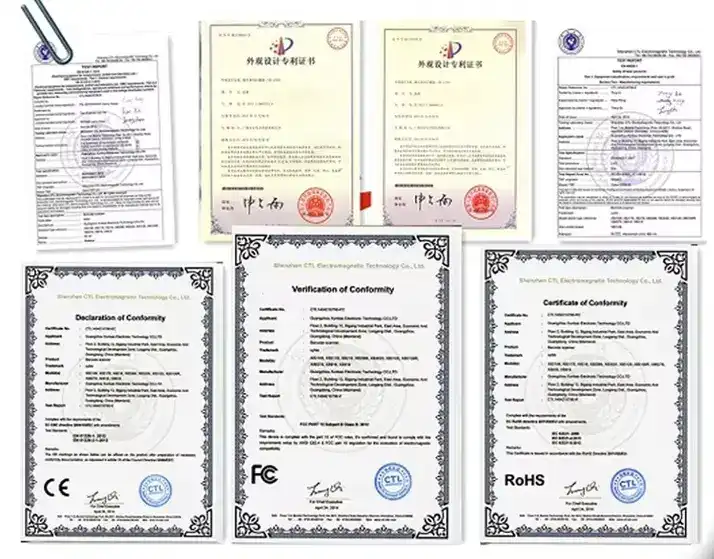
Third-party approvals make it easier to prove compliance by giving you a way to do so. Cradle to Cradle approval checks the health of the materials and their ability to be recycled throughout the lifecycle of a product. The Glass Packaging Institute, on the other hand, has recycling guides for coloured and covered varieties. Partnering with makers who keep records of everything from where the raw materials come from to how they are processed at the end of their useful life improves transparency in green marketing and makes it easier to do your research.
Sustainability Advantages of Choosing Black Matte Glass Pump Bottles
When looking at different types of packaging, black matte glass has strong environmental benefits that go beyond just being single-use. These benefits are in line with the circular economy ideas that corporate sustainability officers and supply chain strategists are putting more and more emphasis on.
Durability and Reuse Potential
Glass containers don't break down when they are cleaned and refilled over and over again, while plastic containers get rigid or pick up scents after multiple uses. Black Matte Glass Pump Bottles are strong, and they can be refilled through programs that drastically cut down on single-use packaging trash. Hotels with refillable toiletry programs say that guests are happier than 80% of the time when expensive glass containers are used instead of single-use plastic ones.
The longer lifespan pays off in lifespan assessments (LCAs) that figure out the total environmental effect from getting the raw materials to throwing them away. Although making glass takes more energy at first than making plastic, the fact that glass lasts longer changes this equation over time. Studies that compared two types of 250ml containers found that glass had a smaller overall carbon footprint after five refills, which is an easy number to reach in both catering and retail situations.
Sustainable Manufacturing Practices
To reduce their environmental impact, major glass manufacturers are using more and more renewable energy sources and recycled cullet. Adding 30% repurposed glass lowers the melting point and the amount of energy needed while keeping the structure strong and the clarity of the vision. Muzhishi's Jiangsu plant takes advantage of the benefits of the local supply chain by working with nearby glass sheet suppliers to cut down on transportation emissions by 10-15 percent compared to models that use faraway suppliers.
Customisation options, such as hot stamping, inside engraving, and screen printing, let brands stand out without sacrificing their environmental credentials. Instead of using sticky stickers that make recycling harder, these decorating methods put lasting marks directly on glass surfaces. The method meets both the aesthetic needs for premium positioning and the practical needs for clean recycling streams.
Water-based coatings and low-VOC (volatile organic compound) finishing methods make output even less harmful to the earth. As part of Muzhishi's quality control procedures, ASTM D3359 cross-cut tape tests are used to make sure that the coating's adhesion can withstand chemical exposure from alcohol-based cleaners and formulation ingredients. This keeps the coating from failing too soon, which could make it less recyclable.
Best Practices for Handling and Disposing of Black Matte Glass Pump Bottles
To get the most out of sustainability, you need to follow the right handling procedures throughout the duration of a product. Through procurement specifications, user education, and end-of-life infrastructure partnerships, business-to-business buyers can have an impact on environmental performance.
Preparation for Recycling
Disassembling mixed-material parts is the first step in proper planning. Plastic dip tubes, metal springs, and rubber gaskets can be taken out of glass bottles by twisting or pulling on the pump mechanisms. This depends on the form of the seal. Rinsing containers gets rid of any leftover product that could affect later batches of recycling, but for most local programs, full sterilisation isn't needed.
Category managers in retail chains can set up take-back programs that collect used containers in one place so they can be processed all at once. This uses economies of scale to make recycling more efficient. Event planners and wedding planners who buy themed decorations can benefit from rental or return programs that let containers go to more than one event before they are recycled. This makes the use-phase last longer.
Refill and Reuse Program Development
Branded refill programs turn single-use packaging into long-lasting assets that build stronger relationships with customers. Cosmetic companies say that between 15% and 30% of their core customers take part in refill programs, and that those customers have a 40% higher term value because they use the programs more than once. The Black Matte Glass Pump Bottle is perfect for these programs because it looks nice and lasts a long time. Customers see value in keeping beautiful containers.
Implementation needs teamwork across all operations, from making sure that the formula works with refill dispensers to keeping track of the packages that have been returned. E-commerce platforms can help with mail-back programs by providing pre-paid shipping stamps, and physical stores can set up refill spots that make shopping more fun. Buyers in the hospitality industry might set up closed-loop systems so that water bottles can go from guest rooms to centrally sterilised areas and back again.
Partnering with Certified Recyclers
Working with specialised glass recyclers makes sure that coloured and coated containers are processed in the best way possible. These facilities keep optical sorting calibrations that are specific to dark glass streams and work at rates that make it cost-effective to mix black glass. Take-back agreements can be worked out between corporate procurement teams and recyclers. This sets up clear chains of custody that support sustainability reporting and third-party verification.
Coordinating reverse logistics that combine return shipments is helpful for distributor networks that buy glass containers from companies like Muzhishi. Container ships that bring finished goods to markets can also bring back recycled materials. This cuts down on trash from empty legs and makes recycling easier and cheaper.
Comparing Black Matte Glass Pump Bottles to Other Packaging Options
To make smart purchasing choices, you need to compare different types of materials and think about how they work, how long they last, how much they cost, and how the market sees them.
Material Performance Comparison
Clear glass is easy to recycle through standard city programs, but it doesn't block UV rays, which is needed for photosensitive materials. Brands that use retinol or natural extracts that break down in light have trouble keeping their products stable in clear cases, and they often need to use extra packing that wastes more materials.
Whether made of PET, HDPE, or PP, plastic pump bottles are easy to ship because they are light and less likely to break while being transported. However, plastic has lower barrier properties that let oxygen pass through, which shortens the shelf life of some formulations. Chemical leaching worries are lessened with food-grade plastics, but they are still touchy for positioning natural and organic brands. In the US, only about 29% of plastic containers are recycled, which is much lower than the 40% rate for glass containers. Also, the quality of plastic gets worse with each recycling cycle.
Clear glass that has been frosted or scratched gives average UV protection and is easy to recycle, but it doesn't have the unique look or feel of black matte finishes. In stores with a lot of competition, frosted glass isn't enough to set apart premium brands that want to be seen as high-end.
Pump Mechanism Considerations
The dispensing part has a big effect on the general green performance. Plastic pump systems are the most popular because they are cheaper, but they may break before the container's end of life because they aren't very durable. Stainless steel spring mechanisms and glass marble check valves last longer and can be recycled better, but they cost more per unit.
Muzhishi's pumps are tested over 3,000 times to make sure they work reliably during normal product use cycles. Precision dosing, which can range from 0.12ml to 2.0ml based on the orifice specs, cuts down on product waste and makes sure that the user has a uniform experience. Buyers who care about the environment should look at both the reliability of the pump and the material of the container. Glass bottles that would otherwise work should not be thrown away because the pump breaks down too soon.
Total Cost of Ownership Analysis
Costs per unit are higher for glass cases than for plastic ones, but gaps are smaller when you look at the whole picture. The heavier glass makes transportation more expensive, but optimised pallet configurations and manufacturing in nearby areas lessen the effects. Muzhishi's position in Xuzhou makes it easier to reach Asian markets while keeping ocean freight rates low to North American and European ports.
Breakage rates are used to figure out the total cost, and if the supply chain is run well, damage rates can be kept below 2% with good packaging design. Damage prevention starts with choosing the right packaging materials, the best way to ship them, and the right way to handle them in the warehouse. Sample evaluation programs, like Muzhishi's free sample offer with shipping in 3–5 days, let buyers see if the packing is right before they commit to large orders.
Brand value often justifies the higher prices of premium materials for Black Matte Glass Pump Bottle by making them seem better and creating good links with the brand. Sixty percent of people who buy beauty products are ready to pay an extra 10 to 15 percent for products that are packaged in a way that is good for the environment. This means that glass cases can be profitable if they are placed correctly, even if the margins are negative.
Conclusion
As long as the right steps are taken, black matte glass packing, especially in pump bottle forms, can be recycled and still work perfectly. Because the material can be recycled over and over again and has a long life, it is a better choice than plastic alternatives for brands that care about the environment. Problems with visual sorting and separating parts need to be fixed, but they can still be dealt with by educating users and working together with recyclers. When purchasing professionals have to balance the need for good looks, the need to protect products, and their duty to protect the environment, black matte glass meets all of these needs at the same time. The key is to think about the whole lifetime of packaging, from how it is made to how it is recycled at the end of its useful life. This will turn packaging from a throwaway necessity into an asset for the circular economy.
FAQ
Can municipal recycling programs accept black matte glass bottles?
Most roadside programs will take coloured glass, even black matte finishes, but the speed at which it is processed ranges from facility to facility. Checking your area's recycling rules will make sure you get rid of things the right way, since some places mix all glass colours together and others sort them by colour. The matte coating is burnt off when the glass melts, so it doesn't affect the quality of the recycled glass.
How should pump mechanisms be prepared for recycling?
Before they can be recycled, pumps need to be separated from glass bottles. To remove the pump system, twist or pull it off, and then recycle the plastic parts in the right way. Metal springs inside pumps can usually be recycled, but rubber gaskets go to regular trash unless there is a special recycling center nearby.
What eco-friendly customization options exist for matte glass bottles?
Direct decoration methods, such as hot stamping, inside engraving, and screen printing, get rid of the need for sticky labels that make recycling harder. Low-VOC finishes and coatings that are water-based are better for the environment and last longer. Using mineral-based pigments for custom colour matching keeps heavy metals out, which meets both aesthetic needs and environmental concerns.
Partner with Muzhishi for Sustainable Black Matte Glass Pump Bottle Solutions
Xuzhou Muzhishi Crafts Co., Ltd. has been making glass products for 20 years and can help brands that want high-quality, eco-friendly packing. Our Black Matte Glass Pump Bottle is fully recyclable and comes in a 250ml size that is perfect for skincare, liquid soap, and aromatherapy. It protects against UV light, chemicals, and has a beautiful design. As a dedicated Black Matte Glass Pump Bottle supplier, we offer full customisation options, such as hot stamping, inside engraving, and custom capacity options. We also offer ODM/OEM services that are in line with your brand's values and commitment to the environment. Samples are sent out within 3–5 days, and our one-on-one account managers make sure that contact is smooth throughout the whole process. Get in touch with long@muzhishi.com to talk about how our eco-friendly glass options can help your products meet strict recycling requirements.

References
1. Glass Packaging Institute. "Glass Recycling Facts and Statistics." Industry Report on Glass Recovery Rates and Processing Methods, 2023.
2. European Commission. "Packaging and Packaging Waste Directive: Implementation Guidance for Colored and Coated Glass Containers." Environmental Policy Documentation, 2022.
3. Sustainable Packaging Coalition. "Lifecycle Assessment Methodology for Premium Glass Containers in Personal Care Applications." Research Publication on Environmental Impact Analysis, 2023.
4. American Society for Testing and Materials. "ASTM D3359: Standard Test Methods for Rating Adhesion by Tape Test." Technical Standards for Coating Performance, 2021.
5. Environmental Protection Agency. "Municipal Solid Waste Recycling: Glass Processing and Optical Sorting Technologies." Technical Guidance Document, 2023.
6. Journal of Cleaner Production. "Circular Economy Applications in Cosmetic Packaging: Comparative Analysis of Glass Versus Plastic Containers." Academic Research Article on Packaging Sustainability, 2022.

Our customers’ satisfaction speaks for our quality — contact us to experience the same reliable service.