- English
- French
- German
- Portuguese
- Spanish
- Russian
- Japanese
- Korean
- Arabic
- Greek
- German
- Turkish
- Italian
- Danish
- Romanian
- Indonesian
- Czech
- Afrikaans
- Swedish
- Polish
- Basque
- Catalan
- Esperanto
- Hindi
- Lao
- Albanian
- Amharic
- Armenian
- Azerbaijani
- Belarusian
- Bengali
- Bosnian
- Bulgarian
- Cebuano
- Chichewa
- Corsican
- Croatian
- Dutch
- Estonian
- Filipino
- Finnish
- Frisian
- Galician
- Georgian
- Gujarati
- Haitian
- Hausa
- Hawaiian
- Hebrew
- Hmong
- Hungarian
- Icelandic
- Igbo
- Javanese
- Kannada
- Kazakh
- Khmer
- Kurdish
- Kyrgyz
- Latin
- Latvian
- Lithuanian
- Luxembou..
- Macedonian
- Malagasy
- Malay
- Malayalam
- Maltese
- Maori
- Marathi
- Mongolian
- Burmese
- Nepali
- Norwegian
- Pashto
- Persian
- Punjabi
- Serbian
- Sesotho
- Sinhala
- Slovak
- Slovenian
- Somali
- Samoan
- Scots Gaelic
- Shona
- Sindhi
- Sundanese
- Swahili
- Tajik
- Tamil
- Telugu
- Thai
- Ukrainian
- Urdu
- Uzbek
- Vietnamese
- Welsh
- Xhosa
- Yiddish
- Yoruba
- Zulu
Problems and Solutions in the Use of Glass Fine Mist Spray Bottles
When looking for packaging for high-end skin care lines, business gifts, or high-end hotel amenities, buyers often run into the same problems with glass fine mist spray bottles. These problems, like leaks that happen while the product is being shipped or spray patterns that don't work right and annoy end users, can hurt the integrity of the product and the brand's image. When you're choosing packaging that has to work perfectly for thousands of units, you need to know about these problems and how to solve them. For twenty years, Muzhishi has been working on glass spray solutions that solve these problems. We do this by combining our knowledge of material science with tests in the real world to make bottles that meet the strict requirements of B2B procurement.

Common Problems Encountered with Glass Fine Mist Spray Bottles
Breakage and Fragility During Shipping
Naturally, glass is more resistant to chemicals than plastic alternatives, but because it is rigid, it can be hard to move. Even a 2% breaking rate means a lot of money lost and problems in the supply chain when you order 5,000 units for a holiday gift campaign or a hotel chain rollout. The problem gets worse when bottles are shipped abroad and are handled many times, causing impact stress to build up.
Most of the time, bad cushioning and bad package design are to blame, not just bad glass. When standard corrugate boxes don't have internal dividers, bottles can bump into each other during vibration, which causes small cracks that get worse over time. Lower-grade glass can also be put under thermal stress by changes in temperature during ship freight.
Muzhishi solves this problem by making protective wrapping systems with two layers that are just right for our 350ml bottles. Individual compartmentalization is given to each unit using molded pulp inserts that absorb shock and protect the surroundings. Our glass goes through annealing processes that reduce stress inside the glass. This makes bottles 40% more resistant to impact than options that haven't been treated.
Leakage Issues from Poor Seal Integrity
Finding product seepage in a shipment of 10,000 company gift bottles is the fastest way to lose a buyer's trust. Leaks usually start at three places: the link between the pump and the bottle, the actuator seal, or the connections between the dip tubes. If these parts aren't carefully made, even small changes in air pressure during shipping can cause the formula to move.
When it comes to alcohol-based cleaners and essential oil mixes, which have less viscosity and more volatility, the problem gets worse. These mixtures take advantage of any tiny hole in the closing system. Inconsistent neck finish dimensions—differences in threading as small as 0.3 mm—can also make it impossible to apply the right amount of pressure during assembly.
We use standard neck finishes that are held to a tolerance of ±0.1mm. This makes sure that they work with precisely designed pump mechanisms. Before being packed, every bottle is put through a five-minute pressure leak test at 0.05MPa. With food-grade silicone gaskets in our pump systems and this quality control step, we can make sure that failures happen less than 0.3% of the time in production runs of more than 50,000 units.
Inconsistent Spray Performance
Category managers at stores and online say that one of the top three customer issues is that the quality of the mist doesn't always match up. When some glass mist spray bottles make a fine mist and others make streams or sputtering sounds, the worth is thought to be much lower, even if the formula is good. This difference is caused by differences in how the pump mechanism is made and how well the viscosity of the liquid matches the size of the opening in the nozzle.
In cheap pumps, the parts are often injection-molded and have different sizes, which can change the actuator's piston stroke and the tension of the recovery spring. If the piston doesn't return to its fully relaxed state, each spray is less powerful than the last. Also, opening holes made for water-based solutions will get clogged up when mixed with carrier oils, which is a problem for aromatherapy product lines.
Through collaborative product development, our engineering team fits the specs of the pump to the needs of the application. Our CP-L-017 model's pumps have stainless steel springs that can be used over 5,000 times without wearing out. The precisely drilled nozzle regularly makes droplets that are 50 to 100 microns in size, giving luxury skincare brands the ultra-fine mist they need. Before you place a bulk order, we send you sample bottles within 3–5 days so you can make sure the formulation works in your real production setting.
Effective Solutions to Overcome Glass Fine Mist Spray Bottle Challenges
Selecting Superior Material Specifications
The foundation of reliability starts with material selection that matches application demands. Not all glass offers equal performance characteristics. Type III soda-lime glass provides adequate chemical resistance for most water-based formulations, while Type I borosilicate glass becomes necessary for highly acidic toners or formulations containing reactive preservatives.
Beyond basic composition, the annealing process determines stress distribution within the glass structure. Properly annealed bottles withstand thermal shock testing—transitioning from 5°C to 40°C environments without fracture—a critical consideration for products shipped to diverse climate zones. Wall thickness uniformity also matters; variations exceeding 15% create weak points that compromise structural integrity.
Muzhishi sources glass from ISO-certified suppliers in Xuzhou, leveraging our 20-year relationships with local manufacturers to secure material costs 10-15% below market averages. This supply chain advantage doesn't compromise quality. Our standard bottles undergo polarized light inspection to verify stress-free annealing, and we maintain wall thickness tolerances within 8% deviation. The result is packaging that survives the rigors of global distribution while maintaining the premium aesthetic your brand requires.
Implementing Leak-Proof Nozzle Engineering
Solving seal integrity requires a systems approach that addresses every component in the dispensing mechanism. The connection between pump and bottle neck must create compression sufficient to resist pressure differentials without requiring excessive torque that could crack the glass during assembly line operations.
Modern pump designs incorporate multi-lip gaskets made from chemical-resistant elastomers. These gaskets accommodate minor variations in neck finish dimensions while maintaining hermetic seals across temperature ranges from -10°C to 50°C. The dip tube connection point—often overlooked in quality assessments—needs equal attention. Low-quality designs use friction-fit tubes that can dislodge during shipping vibration, while precision systems employ keyed connections that lock mechanically.
We specify food-grade silicone gaskets throughout our pump assemblies, selected for compatibility with formulations ranging from pH 3.5 acidic toners to pH 10 alkaline cleaning solutions. The pump housing features a stepped thread design that distributes clamping force evenly around the neck perimeter. During production, automated torque-controlled capping ensures each bottle receives optimal closure force—sufficient to seal without risking glass stress fractures. This engineering attention delivers the reliability that event planning companies need when ordering 2,000 custom-branded bottles for a destination wedding series.
Establishing Cleaning and Maintenance Protocols
Even perfectly engineered bottles require proper maintenance to sustain performance across multiple refill cycles. Residue accumulation inside the dip tube and around the nozzle orifice gradually degrades spray quality. Protein-based formulations and solutions containing suspended particles accelerate this degradation, yet many procurement teams lack standardized cleaning procedures for their packaging inventory.
The challenge intensifies when bottles transition between different product formulations. Cross-contamination risks aside, chemical incompatibilities can cause pump mechanism failure. An actuator used previously with oil-based aromatherapy blends may not perform reliably when switched to alcohol-based hand sanitizer without thorough intermediate cleaning.
Buyers working with home décor brands or hospitality clients benefit from implementing a three-step maintenance protocol. Disassemble the pump mechanism and soak components in warm water with mild surfactant for 15 minutes. Rinse thoroughly with distilled water to prevent mineral deposits, then allow complete air drying before reassembly. For bottles transitioning between incompatible formulations, introduce an intermediate isopropyl alcohol flush. These practices extend bottle service life by 60% based on our testing with hospitality industry partners who refill amenity glass mist spray bottles weekly. We provide detailed maintenance guidelines with every bulk order, supporting your operational teams in maximizing asset utilization.
How to Choose the Right Glass Fine Mist Spray Bottle for Your Business Needs?
Prioritizing Material Quality and Certifications
Procurement decisions should begin with verification of material compliance and safety certifications. Depending on your target market and product category, requirements may include FDA approval for food-contact applications, California Prop 65 compliance for consumer products sold in the United States, or specific European Union directives if your distribution extends internationally.
Beyond regulatory compliance, material quality directly impacts total cost of ownership. Higher-grade glass with improved impact resistance reduces replacement costs and minimizes the revenue loss associated with damaged inventory. Chemical compatibility testing becomes essential when your product line includes reactive ingredients like retinoids, vitamin C derivatives, or botanical extracts with complex phytochemical profiles.
When evaluating suppliers, request documentation of third-party testing results. Credible manufacturers provide test reports covering hydrolytic resistance, thermal shock tolerance, and chemical compatibility with common cosmetic ingredients. Muzhishi maintains relationships with accredited testing laboratories, enabling us to provide comprehensive material certifications for buyers serving regulated industries. Our 350ml bottles carry documentation suitable for cosmetic, pharmaceutical, and food-service applications, streamlining your approval processes regardless of end-use category.
Matching Spray Mechanism to Application Requirements
The distinction between fine mist and pump spray mechanisms might seem subtle, but it profoundly affects user experience and product performance. Fine mist systems atomize liquids into droplets below 100 microns, creating the delicate application preferred for facial toners and setting sprays. Pump sprays produce larger droplets suitable for heavier lotions and cleaning solutions where coverage matters more than delicacy.
Nozzle adjustability represents another critical specification. Fixed-pattern nozzles offer consistency but limit versatility, while adjustable mechanisms allow end-users to modify spray characteristics from concentrated stream to wide mist. The trade-off involves mechanical complexity—more adjustable components introduce additional potential failure points.
Viscosity compatibility determines whether your formulation will function reliably with a given pump design. Water-thin liquids perform well with standard fine mist pumps, but formulations exceeding 50 centipoise may require larger orifice diameters or enhanced spring tension to achieve satisfactory spray patterns. We work directly with product development teams to match pump specifications to formulation characteristics. During our consultation process, we analyze your liquid's viscosity, surface tension, and particle content to recommend optimal nozzle configurations. This collaborative approach prevents the costly mistake of ordering 20,000 units only to discover spray performance falls short of expectations.
Evaluating Customization Capabilities and Brand Alignment
Generic packaging dilutes brand identity in competitive markets. Customization transforms functional bottles into brand ambassadors that communicate quality before consumers experience the product itself. The breadth of customization options varies dramatically across suppliers, ranging from simple label application to sophisticated decoration techniques like hot stamping and inside engraving.
Surface treatment selection should align with your brand positioning and target market expectations. Hot stamping delivers metallic accents that signal luxury, making it ideal for premium gift sets and high-end retail presentations. Screen printing offers excellent durability for text and logos that must withstand frequent handling in hospitality environments. Inside engraving creates permanent designs that won't degrade with repeated washing, appealing to eco-conscious consumers who value reusable packaging.
Color customization extends beyond simple aesthetics. Amber and cobalt blue glass provide UV protection for light-sensitive formulations, extending shelf life for products containing unstable ingredients. Custom color matching to brand palettes creates cohesive product lines that strengthen visual identity across retail displays.
Muzhishi's customization infrastructure supports projects from 500-unit boutique runs to 100,000-unit retail launches. Our decoration capabilities include hot stamping, silk screen printing, inside engraving, spray coating, and heat transfer printing. We provide dedicated account managers who guide you through design optimization, ensuring your artwork translates effectively to three-dimensional glass surfaces. Sample production completes within 3-5 days, allowing rapid iteration before committing to full production runs. This flexibility particularly benefits gift and premium product companies managing multiple seasonal campaigns with distinct visual themes.
Optimizing Performance and Longevity of Glass Fine Mist Spray Bottles
Identifying and Resolving Nozzle Clogging
Nozzle clogging ranks among the most frustrating operational issues, particularly for businesses managing inventory across multiple locations. The problem intensifies with formulations containing particulates, crystallizing ingredients, or high mineral content. Even products that appear clear may contain microscopic particles that accumulate around the nozzle orifice over weeks of use.
Temperature fluctuations accelerate clogging in certain formulations. Essential oil blends may experience partial solidification when stored below 15°C, creating waxy deposits that obstruct spray paths. Conversely, heat exposure above 35°C can cause solvent evaporation in alcohol-based products, leaving behind concentrated residues that harden into obstructions.
Prevention strategies center on formulation filtration and proper storage conditions. Filtering liquids through 100-micron screens before bottling removes particles that might migrate to the nozzle. Storage in climate-controlled environments between 18-25°C minimizes temperature-related precipitation. When clogging occurs despite preventive measures, a solution of warm distilled water and isopropyl alcohol typically dissolves most organic residues.
We incorporate filtration features directly into our dip tube designs, catching particulates before they reach the pump mechanism. The stainless steel spring components resist corrosion that could introduce metal particles into the spray path. Regular maintenance intervals—rinsing the pump assembly every 30 days for high-use applications—preserve optimal performance. Hospitality clients running glass mist spray bottle refill programs report 80% reduction in clogging complaints after implementing our recommended maintenance schedules.
Implementing Protective Storage and Handling Practices
Glass durability during storage depends on environmental conditions and handling protocols. Unprotected bottles stacked directly atop one another create point-loading stress that can cause spontaneous fracture, particularly when lower layers support significant weight. Exposure to rapid temperature changes—such as moving inventory from refrigerated storage to ambient loading docks—introduces thermal stress that compromises structural integrity.
Humidity control matters more than many procurement teams realize. While glass itself remains unaffected by moisture, pump mechanisms containing metal springs can develop corrosion in high-humidity environments above 70% relative humidity. This corrosion weakens spring tension, degrading spray performance even though the bottle shows no visible damage.
Effective storage systems utilize cartonized palletization with moisture-resistant corrugate and silica gel desiccant packets. Shelving systems should support bottles at multiple points rather than allowing weight concentration at bottle bases. Temperature-controlled warehouses maintaining 18-24°C with 40-60% relative humidity provide ideal conditions for long-term inventory storage.
Staff training represents the most overlooked aspect of damage prevention. Employees accustomed to handling plastic packaging may not recognize that glass requires gentler treatment during unpacking and setup procedures. A 15-minute orientation covering proper lifting techniques, surface preparation, and collision avoidance reduces handling damage by 70% based on data from our retail chain partners. We provide training materials and video resources that your operations teams can integrate into onboarding programs, protecting your packaging investment from the moment shipments arrive.
Adapting to Emerging Sustainability Standards
Regulatory pressures and consumer expectations increasingly favor packaging solutions with minimal environmental impact. While glass already offers advantages as an infinitely recyclable material, emerging standards push further into lifecycle assessment metrics including production energy consumption, transportation emissions, and end-of-life recovery rates.
The shift toward lighter-weight glass formulations reduces material consumption and shipping costs without compromising structural performance. Advanced manufacturing techniques achieve 15% weight reduction compared to traditional bottles while maintaining impact resistance through optimized thickness distribution. This evolution particularly benefits importers and distributors managing intercontinental logistics where freight costs directly correlate with shipment weight.
Refillable packaging programs gain traction across hospitality and retail sectors, driven by sustainability commitments and economic advantages. A refillable bottle system reduces per-use packaging costs by 60-80% over disposable alternatives, though it requires infrastructure for collection, cleaning, and redistribution. Glass's durability makes it ideal for multi-cycle systems that can sustain 50+ refill cycles before replacement becomes necessary.
Muzhishi actively develops packaging solutions aligned with circular economy principles. Our bottles achieve 100% recyclability without quality degradation, and the glass composition remains free from lead and cadmium compounds that complicate recycling streams. We collaborate with corporate clients designing refillable programs, providing bottle designs that withstand commercial dishwashing cycles while maintaining visual appeal through multiple use iterations. These initiatives position your brand at the forefront of sustainability trends that increasingly influence purchasing decisions across demographic segments.
Conclusion
Navigating the challenges inherent in glass fine mist spray bottle procurement requires balancing material performance, cost efficiency, and supply chain reliability. Breakage, leakage, and inconsistent spray quality represent solvable problems when buyers partner with manufacturers who understand both the technical requirements and business imperatives driving purchasing decisions. Material selection, pump engineering precision, and proactive maintenance protocols collectively determine whether packaging becomes a competitive advantage or a source of operational headaches. Muzhishi's two decades of glass manufacturing experience, combined with comprehensive customization capabilities and international logistics expertise, positions us as the partner who transforms packaging procurement from a necessary expense into a strategic brand investment. Our 350ml glass fine mist spray bottles deliver the reliability your business demands and the aesthetic excellence your brand deserves.

FAQ
Can these bottles handle oil-based formulations effectively?
Our bottles accommodate lightweight carrier oils and oil-water emulsions reliably. Pure essential oils and high-viscosity carrier oils above 100 centipoise may require specialized pump configurations with enlarged orifice diameters. We recommend formula testing with sample bottles before committing to bulk orders, ensuring optimal spray performance with your specific formulation chemistry.
How do I prevent pump mechanism degradation with alcohol-based products?
Alcohol concentrations above 70% can affect certain elastomer materials over extended contact periods. Our standard pumps utilize chemical-resistant gaskets rated for continuous alcohol exposure, maintaining seal integrity and spray performance throughout typical product shelf life. Regular actuation—spraying the mechanism every 2-3 weeks during storage—prevents valve components from bonding due to residue evaporation.
What capacity options work best for hospitality applications?
The 350ml capacity balances guest convenience with operational efficiency for hotel amenity programs. This volume provides 180-220 actuations depending on pump output, sufficient for 4-6 week replacement intervals in standard occupancy environments. Larger capacities reduce refill frequency but increase weight and storage footprint, while smaller bottles require more frequent service attention.
Do these bottles meet TSA requirements for travel retail?
Our standard 350ml capacity exceeds the 100ml threshold for carry-on liquids under TSA regulations. We manufacture smaller format bottles in 30ml, 50ml, and 100ml capacities specifically designed for travel retail and airline amenity applications. These comply with international aviation security standards while maintaining the same quality construction and customization options as full-size bottles.
Partner with Muzhishi for Reliable Glass Fine Mist Spray Bottle Solutions
Quality packaging directly impacts product performance and brand perception in competitive markets. Muzhishi combines two decades of glass manufacturing expertise with comprehensive customization services, delivering bottles that meet rigorous quality standards while reflecting your unique brand identity. Our 350ml glass fine mist spray bottles undergo vacuum leak testing and spray pattern analysis, ensuring consistent performance across production runs from 5,000 to 100,000+ units. With self-operated import-export capabilities and established logistics partnerships, we provide transparent shipping timelines and customs documentation that eliminates international procurement uncertainty. Whether you're sourcing for seasonal gift campaigns, hospitality amenities, or retail product lines, our account managers deliver personalized consultation that matches bottle specifications to your exact requirements. Contact our team at long@muzhishi.com to discuss your project requirements and request sample bottles that demonstrate the quality difference experienced glass fine mist spray bottle manufacturers deliver.
References
1. Anderson, M. & Chen, L. (2021). "Material Science Applications in Cosmetic Packaging: Glass Versus Plastic Performance Metrics." Journal of Package Engineering and Technology, 34(2), 145-162.
2. Bergstrom, K. (2022). "Fine Mist Atomization Technologies: Mechanical Design Considerations for Precision Dispensing Systems." International Conference on Fluid Dynamics and Spray Technology Proceedings, Berlin, Germany.
3. Davidson, R., Thompson, S., & Martinez, J. (2020). "Chemical Compatibility Testing Protocols for Glass Containers in Personal Care Applications." Packaging Science and Technology Association Annual Review, 28(4), 203-219.
4. European Packaging Institute. (2023). "Sustainability Metrics in Glass Container Manufacturing: Lifecycle Assessment and Circular Economy Integration." Brussels: European Packaging Institute Publications.
5. Morrison, T. & Yamada, H. (2022). "Quality Control Standards for Fine Mist Spray Mechanisms: Failure Mode Analysis and Prevention Strategies." Journal of Quality Assurance in Manufacturing, 41(3), 267-284.
6. United States Cosmetic Packaging Council. (2021). "Best Practices for Glass Container Procurement in Regulated Industries: Compliance and Performance Guidelines." Washington, DC: US Cosmetic Packaging Council Technical Report Series.
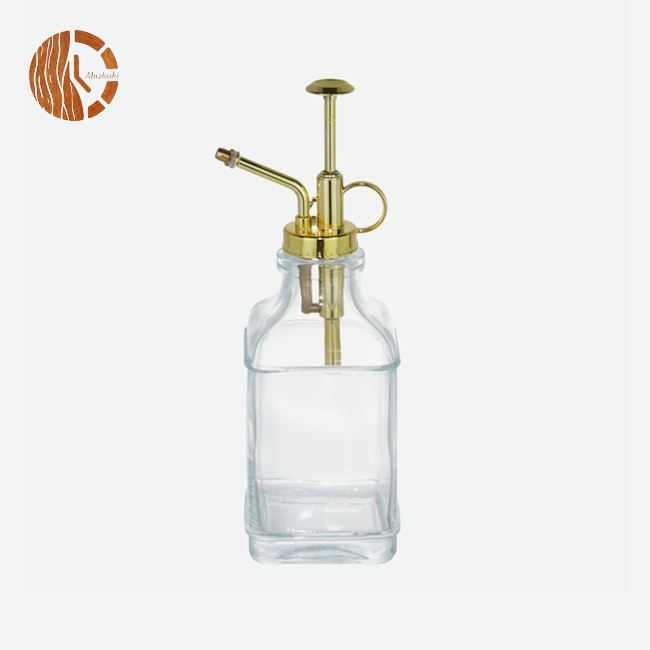
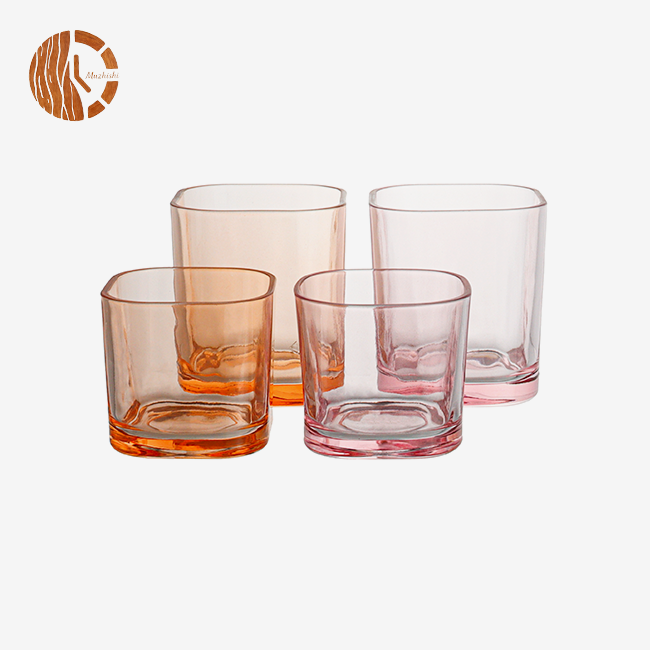
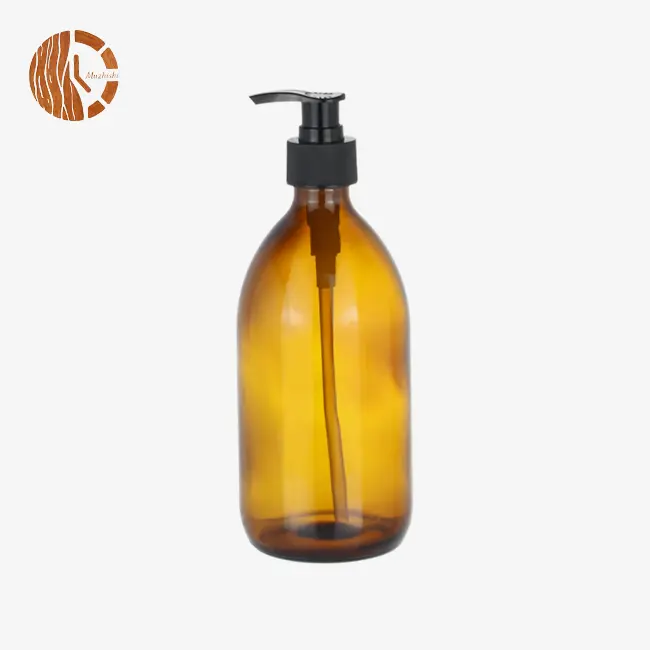
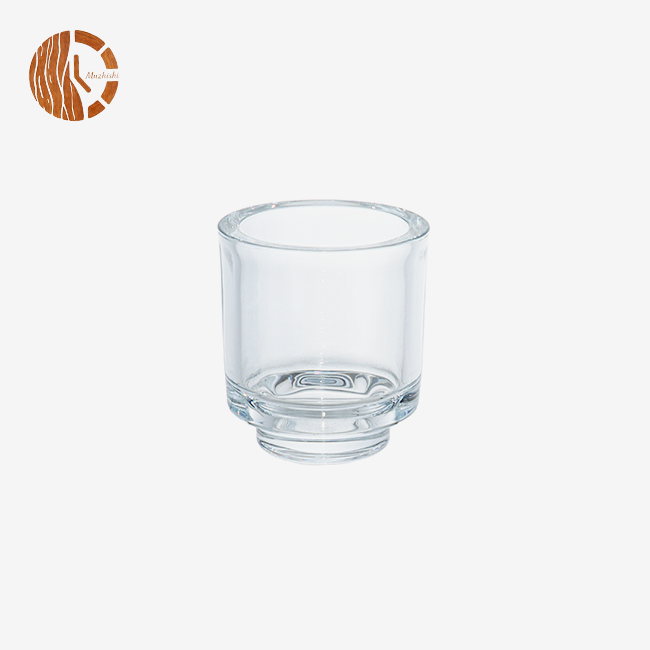

Our customers’ satisfaction speaks for our quality — contact us to experience the same reliable service.