- English
- French
- German
- Portuguese
- Spanish
- Russian
- Japanese
- Korean
- Arabic
- Greek
- German
- Turkish
- Italian
- Danish
- Romanian
- Indonesian
- Czech
- Afrikaans
- Swedish
- Polish
- Basque
- Catalan
- Esperanto
- Hindi
- Lao
- Albanian
- Amharic
- Armenian
- Azerbaijani
- Belarusian
- Bengali
- Bosnian
- Bulgarian
- Cebuano
- Chichewa
- Corsican
- Croatian
- Dutch
- Estonian
- Filipino
- Finnish
- Frisian
- Galician
- Georgian
- Gujarati
- Haitian
- Hausa
- Hawaiian
- Hebrew
- Hmong
- Hungarian
- Icelandic
- Igbo
- Javanese
- Kannada
- Kazakh
- Khmer
- Kurdish
- Kyrgyz
- Latin
- Latvian
- Lithuanian
- Luxembou..
- Macedonian
- Malagasy
- Malay
- Malayalam
- Maltese
- Maori
- Marathi
- Mongolian
- Burmese
- Nepali
- Norwegian
- Pashto
- Persian
- Punjabi
- Serbian
- Sesotho
- Sinhala
- Slovak
- Slovenian
- Somali
- Samoan
- Scots Gaelic
- Shona
- Sindhi
- Sundanese
- Swahili
- Tajik
- Tamil
- Telugu
- Thai
- Ukrainian
- Urdu
- Uzbek
- Vietnamese
- Welsh
- Xhosa
- Yiddish
- Yoruba
- Zulu
Top 10 Good Cosmetic Jars for Perfume Brands in 2026
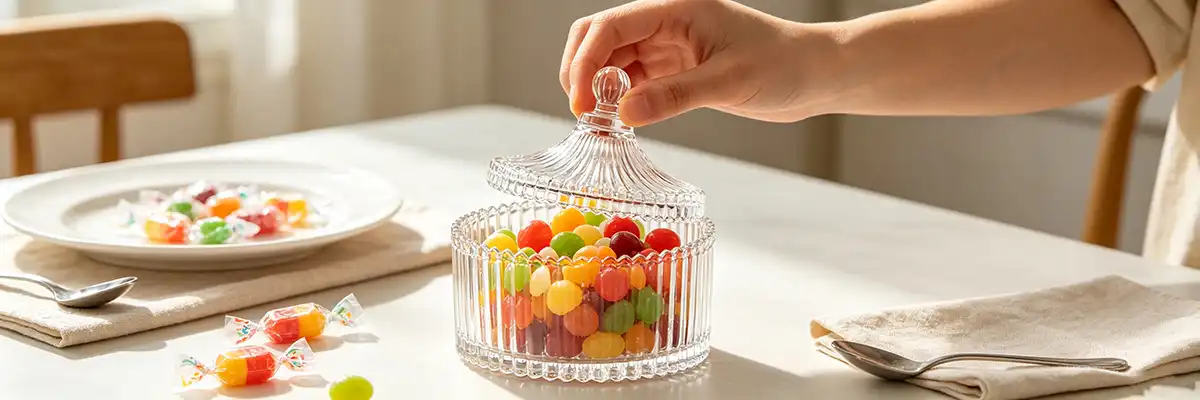
When selecting packaging for high-end fragrances, cosmetic jars have emerged as an innovative alternative to traditional bottles, particularly for solid perfumes, balm-based scents, and luxury fragrance creams. The right jar protects delicate formulations while reinforcing brand identity through visual appeal and tactile experience. Our curated list of top-performing cosmetic jars for perfume brands in 2026 prioritizes airtight sealing, material safety, aesthetic versatility, and sustainability credentials—essential factors that resonate with today's conscious consumers and procurement professionals seeking reliable packaging partners for their fragrance lines.
Introduction
There is a lot of competition in the perfume market, and brands are under more and more pressure to stand out. The package of a perfume brand speaks volumes about its values. Cosmetic jars have a direct effect on how long scents last, how attractive they look on the shelf, and how environmentally friendly they are. In 2026, the packaging industry is moving toward solutions that combine traditional artistry with new materials. These solutions should meet both functional needs and changing customer standards about sustainability.
We know that people who work in procurement have to think about a lot of different things, such as whether the materials they use are compatible with fragrance compounds, whether they can be scaled up or down for different production volumes, and whether they meet the certification requirements for international markets. This guide combines lessons from material science, design trends, and useful buying strategies to help brand managers and sourcing teams make smart choices that improve product lines and keep budgets in check.
Recent studies on the packaging industry show that biodegradable polymers have grown their market share by 23% since 2023, which shows that the fragrance packaging landscape has changed a lot. At the same time, luxury brands say that premium glass jars make products seem 17% more valuable than standard packing. This shows how important these choices are for placing the brand and competing in the market.
Understanding Cosmetic Jars for Perfume Brands
Material Selection and Fragrance Preservation
There are three main types of materials used to make cosmetic jars. Each has its own benefits for preserving scents and promoting a brand. Glass cream jars, especially those made of high-borosilicate glass, are better at resisting chemicals and don't react with fragrance compounds, so the scent stays the same for longer. This material is very thermally stable, meaning that it keeps its shape at temperatures ranging from -20°C to 150°C. This is very important for shipping goods to different climate zones.
PET and PP cream jars are lighter options that are also very resistant to impact. They save about 30% on shipping costs compared to glass jars while still having good barrier qualities for oil-based perfume products. Because they are clear and have a lot of depth, acrylic double-wall jars have a high-end look that makes them popular in the luxury market. All of the materials we use are certified by the FDA and LFGB to be BPA-free. This means that they can be safely mixed with cosmetics without worrying about chemical migration.
Airtight Sealing Technologies
Sealing systems of cosmetic jars that stop oxidation and evaporation are very important for keeping volatile smell chemicals fresh. Modern jars have multi-component closure systems that combine inner sealing gaskets with threaded outer caps. This makes sure that the jar doesn't leak, even when the pressure changes during air freight. Tamper-evident bands add extra security to retail distribution, which helps protect brands and lets customers know that the product is real.
Size Optimization for Product Lines
The most perfume a cosmetic jar can hold varies from 15ml for solid perfumes that are good for traveling to 100ml for high-end cream perfumes that you use at home. The most popular sizes are 30ml and 50ml, which are in the middle and offer the best mix between product life and portability. Choosing the right size affects both the cost of making each unit and how much people think a product is worth. Smaller formats make it easier to try new products, while larger formats improve brand loyalty thru longer engagement times.
Top 10 Good Cosmetic Jars for Perfume Brands in 2026
To choose packaging that works well in terms of functionality, style, and environmental friendliness, you need to carefully consider all of your choices. Based on our expert review, we've come up with ten outstanding solutions that meet a range of practical needs and brand positioning strategies.
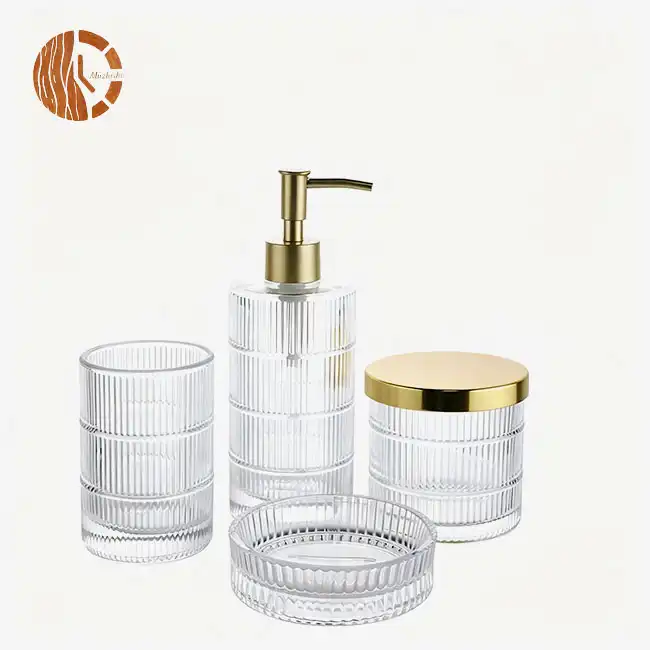
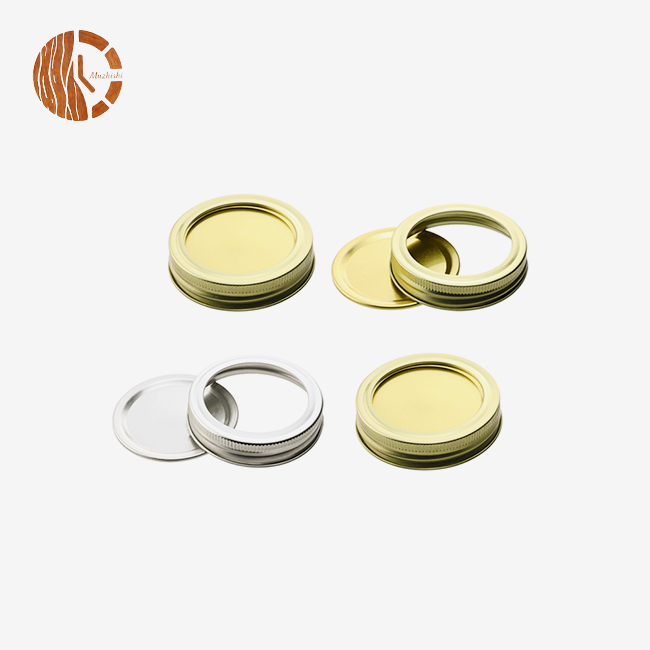
For names that care most about keeping the scent inside, high-borosilicate glass jars with metal screw caps are the best choice. This mixture provides pharmaceutical-grade containment that can be used for concentrated perfume recipes. The low temperature expansion coefficient of the material stops micro-cracks that weaken sealing over time. The crystal clarity brings out the color of the product, and the weighted feel effectively communicates the luxury positioning.
Amber glass jars protect photosensitive scent ingredients from UV light, which extends the shelf life by stopping light wavelengths between 280nm and 450nm that break down organic molecules. This useful solution helps natural perfume brands that use essential oils that break down easily in light, cutting down on formulation degradation rates by up to 60% compared to clear containers.
Because they are diffusely translucent, frosted glass jars have a classy look that makes them stand out on store tables where there are a lot of other items. The etched surface adheres better to screen printing and hot stamping for decoration than smooth glass, so it can be used for detailed marking uses without sacrificing the high-end look.
Layered construction of acrylic double-wall jars adds architectural depth, creating visual depth that stands out in competitive display settings. The air gap between the walls protects temperature-sensitive formulations with mild insulation, and the shatter-resistant properties make it safer for hospitality and event settings where breaking is more likely to happen.
Recyclable PET cosmetic jars meet the need for sustainability without sacrificing clarity or design freedom. New developments in PET barrier technology now make it possible for solid perfumes to transmit oxygen at rates similar to glass. This makes this option viable for eco-friendly brands wanting to send a credible message about the environment. The lower carbon impact of the material during production—about 40% less CO2 emissions than glass production—makes it more environmentally friendly.
PP cream jars with inner sealing disks are resistant to chemicals across the whole pH range. This makes them perfect for testing new fragrances with unusual base compounds. The material can be opened many times without breaking down, which supports refillable packing strategies that support the circular economy principles that customers who care about the environment are increasingly demanding.
Bamboo-lid glass jars combine natural looks with practical use, making them a good choice for brands that value organic branding and artisanal workmanship. The renewable bamboo part cuts down on the use of petroleum-based plastics and provides better resistance to moisture than standard wood treatments, so the structure stays strong even when stored in damp conditions.
Modern design trends prefer clean lines and understated grace, which goes well with minimalist cylindrical jars with matte finishes. The simple design makes shipping more efficient while allowing a range of branding methods, from hot foil stamping to applying paper labels. This means that yearly product changes can be made without having to change the tools.
Hexagonal glass jars add a geometric touch that keeps them from rolling around while they're being used and give them a unique look on the shelf. The angular surfaces change shape when light hits them, creating visual interest without any extra decoration. This is a cheap way to make a premium presentation that lowers the cost of finishing each unit.
Customizable OEM jars with raised logos of good cosmetic jar for perfume build branding right into the structure of the container, making it easy to recognize the brand even after the label is removed or worn off. This method works especially well for corporate gifts because the long-lasting packaging helps people remember the brand even after the scent wears off, so the marketing effect lasts longer than the initial purchase.
These different choices meet different needs in terms of positioning for luxury, lowering costs, environmental responsibility, and unique design. Checking a supplier's skills by looking at certifications, production samples, and references makes sure that the partnership is reliable, which is important for making sure that quality is the same across all production runs.
How to Choose the Best Cosmetic Jar for Your Perfume Brand?
Aligning Material Choice with Brand Strategy
Luxury perfume brands that want to appeal to high-end customers can benefit from investing in glass cosmetic jars, which show quality thru their heavy weight and clear appearance. The higher material cost—usually 40–60% more than plastic alternatives—directly leads to a higher perceived value, which supports pricing tactics that use higher prices. On the other hand, new brands that care more about breaking into new markets than making the most of their profit margins find that plastic jars allow them to offer cheap prices while still meeting quality standards for preserving fragrances.
Production Volume Considerations
Minimum order quantities are very different depending on the type of material and level of customization. For example, for standard plastic jars, they are only 3,000 units, but for custom glass molds, they are 10,000 units. Startups should compare the costs of keeping inventory with bulk discount structures, keeping in mind that large original orders tie up capital that could be better used for marketing efforts that bring in more money. Cost savings are made possible by consolidated annual contracts that secure capacity during peak production times and negotiate price cuts based on volume for well-known brands with predictable demand patterns.
Compatibility Testing Protocols
Depending on the amount of alcohol, essential oils, and pH, fragrance mixtures react with container materials in different ways. To make sure that two products are compatible, they are stored in candidate jars that are exposed to high temperatures and UV light, which speed up the aging process and make the products last longer in a shorter amount of time. Monitoring for changes in color, seal integrity, and smell helps avoid expensive refunds and damage to the brand. Usually, testing methods need 90 days of review before full production promises are made.
Emerging Trends in Cosmetic Jar Design for Perfume Brands in 2026
Sustainability Innovation Reshaping Standards
More and more people are criticizing traditional packing methods for creating single-use trash. For example, cosmetic jars add about 120 billion pieces to the world's waste sources every year. Modern brands are now the first to use refillable jar systems with long-lasting main containers and cheap refill pouches. This cuts down on the amount of packaging used each time by up to 85% and builds customer loyalty thru repeat purchases. When designing these programs, it's important to make sure that the refill methods meet cleanliness standards and are still easy for people to use.
New developments in biodegradable polymers make materials that break down in industrial composting facilities. However, because of performance issues, these materials can only be used for products that need to last a shorter time. PLA-based jars made from reusable plant sources work well as barriers for solid perfumes that will be used within a year. This makes brands look like environmental leaders who are ready to give up some material benefits for the sake of sustainability.
Smart Packaging Integration
Putting NFC chips and QR codes in cosmetic jars turns them into engaging brand touchpoints that let users verify their identity, keep track of their usage, and connect directly with the brand thru their smartphones. Luxury brands use these technologies to stop fakes and collect useful information about how people use their products that helps them make new ones. The technology integration adds only a small amount to the cost per unit—usually less than 5% for simple implementations—but makes the product stand out in markets where useful innovation drives buying decisions.
Minimalist Design Philosophies
Visual complexity gives way to simple beauty that values the quality of the materials over fancy decorations. This change is in line with larger trends in the luxury market, where picky buyers see simplicity as a sign of trust in the quality of the product, not a sign of tight budgets. Clean lettering, lots of white space on labels, and monochromatic color schemes are common features of award-winning package designs. This means that procurement requirements tend to favor containers that look good on their own and don't need much finishing.
Procurement Guide: Buying Wholesale Cosmetic Jars for Perfume Brands
Global Sourcing Strategy Development
There are trade-offs between unit prices, quality consistency, and the complexity of the supply chain when choosing a geographic provider. Chinese manufacturers usually have 20–35% lower prices than European manufacturers. They also have a well-established export system that makes container shipping and customs paperwork go smoothly. The United States suppliers are closer, which cuts down on lead times and makes it easier to check quality by visiting the facilities. However, the higher cost of labor means that production costs are higher.
OEM and ODM Partnership Models
Original Equipment Manufacturing agreements let brands choose the exact sizes, materials, and finishes of the cosmetic jars they want while also using the supplier's knowledge to make production more efficient. For well-known brands with clear package ideas that are looking for partners to carry them out, this method works well. Original Design Manufacturing ties make suppliers work with you as partners, adding design ideas and new materials. This is especially helpful for new brands that don't have their own packaging experts but want to stand out in the market.
Quality Verification and Certification
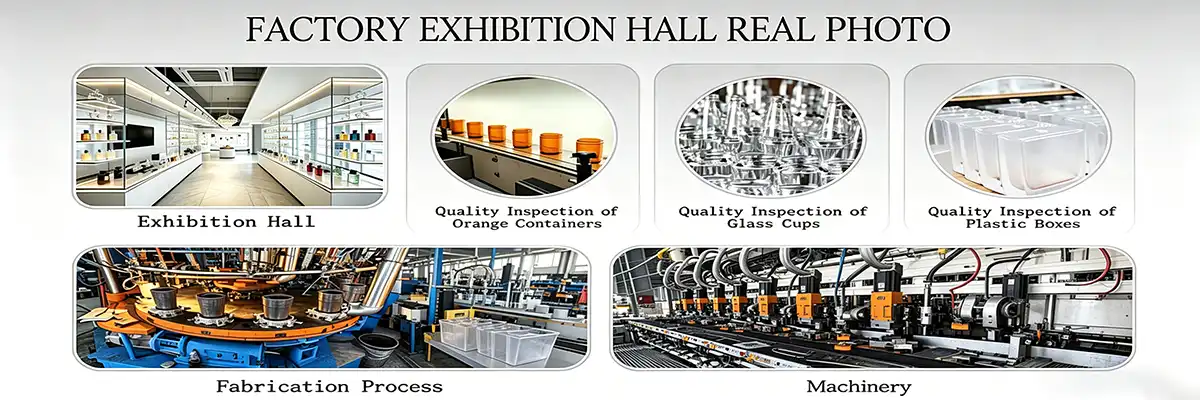
As part of a thorough source screening process, production standards such as ISO 9001 quality management systems and ISO 22716 cosmetic jars manufacturer GMP compliance are looked at. When you look at a sample, you should check for consistency in dimensions, even closing torque, and material certificates that back up the stated specs. Third-party inspection services make sure that everything is correct before releasing a large package. This keeps quality from slipping, which can hurt a brand's image and cause expensive rework costs.
Logistics and Payment Structures
When you buy something from another country, the shipping terms, payment security, and customs rules become more complicated. Once crates leave the port of origin, FOB price systems put the shipping responsibility and risk on the buyers, which means they need to work with a freight forwarder and a customs broker. DDP terms make budgeting easier by giving you a price that covers everything, but they usually cost more because the supplier is taking on more risk. Letters of credit are a type of payment tool that balances the need for seller security with the buyer's risk of losing money during long periods of production and transit.
To build trusting relationships with suppliers, you need clear rules for communication, reasonable standards for delivery times, and regular order trends that make production scheduling easier. When you have a long-term relationship, you can make changes and get priority scheduling for capacity during times of high demand, when customers who buy generic goods have to wait for backorders.
Conclusion
Cosmetic jars selection for perfume brands demands strategic thinking that balances immediate cost considerations against long-term brand-building goals. In 2026, there is an unmatched range of materials, options for sustainability, and customization options for packaging. These are all resources that procurement professionals must use in a way that is clear and in line with the organization's goals. Whether the goal is to place a product as a luxury item using high-quality glass solutions or to make a product more accessible to a wider market by using cost-effective plastic options, making smart decisions based on knowledge of material science and building relationships with suppliers is what leads to success.
FAQ
What jar materials best preserve perfume quality?
High-borosilicate glass is the best way to preserve things because it is completely chemically neutral and has great barrier qualities that stop oxidation and the evaporation of volatile compounds. When properly sealed, this material will always keep the scent intact. For perfumes and balms that don't change much, BPA-free PP and PET cosmetic jars offer good protection at a lower weight and cost. They work especially well for products that will be used within 18 months, when extreme barrier performance isn't needed.
How do brands ensure sustainability in jar packaging?
Choose the right materials, make designs that last, and plan for how to dispose of things when they're no longer useful. Glass and PET can be recycled using existing waste management systems, and reusable designs make main containers last longer by letting them be used more than once. Biodegradable plastics can be used in composting, but they aren't widely used yet because they are hard to find and don't work well. Consumer trust is an important part of green marketing, and certification disclosure is a clear way to show environmental attributes.
Can cosmetic jars be customized for brand identity?
Customization options are very broad and include embossed logos, custom color matching, unique closure designs, and unique shapes made by mold development. Custom casting usually has a minimum order quantity of 10,000 units, and wait times that are 60 to 90 days longer than normal production. The costs depend on how complicated the design is. For example, simple name embossing adds only a small premium, but completely custom forms require a large mold investment that must be spread out over many production runs.
Partner with Muzhishi for Premium Cosmetic Jar Solutions
Xuzhou Muzhishi Crafts Co., Ltd. has been making glass jars for twenty years and can help perfume brands by offering full OEM and ODM design services that are suited to your brand's vision. Our range of materials includes high-borosilicate glass cream jars, BPA-free PET options, and PP options. All of these are certified to FDA and LFGB standards, which means they are safe for direct product contact in the cosmetics industry. As an experienced cosmetic jars manufacturer, we offer rapid prototyping and have samples ready in 3–5 days. This lets you speed up the product development process, which is important for competitive market launches.
Our vertical integration with local providers in Xuzhou lowers the cost of raw materials while keeping quality control high throughout production. This gives us cost savings that we can pass on to our clients without lowering performance standards. Self-operated import and export features make international operations easier, and expert teams prepare the necessary paperwork for quick customs clearance in all markets around the world. Dedicated account managers offer quick support; questions are answered within 24 hours with answers that cover technical details, the possibility of modification, and the process of purchasing.
Contact our team at long@muzhishi.com to talk about your perfume package needs, look into different material choices that will work with your formula, and come up with unique jar designs that will help your brand stand out. You can look thru our full catalog of products at mzsglass.com and find out how our production skills fit in with your 2026 package strategy.
References
1. Global Cosmetic Packaging Market Analysis: Sustainability Trends and Material Innovation 2024-2026, International Packaging Research Institute, 2025.
2. Fragrance Preservation in Contemporary Cosmetic Containers: Material Science and Barrier Property Evaluation, Journal of Cosmetic Science, Volume 76, 2025.
3. Consumer Perception Studies on Luxury Packaging: The Role of Material Selection in Brand Value Communication, Marketing Science Quarterly, 2024.
4. Regulatory Compliance Standards for Cosmetic Primary Packaging in North American and European Markets, Cosmetic Industry Regulatory Handbook, 2025.
5. Supply Chain Optimization Strategies for B2B Cosmetic Packaging Procurement, International Trade and Logistics Review, 2024.
6. Emerging Technologies in Smart Packaging Applications for Premium Beauty Products, Packaging Innovation Journal, Volume 32, 2025.

Our customers’ satisfaction speaks for our quality — contact us to experience the same reliable service.