- English
- French
- German
- Portuguese
- Spanish
- Russian
- Japanese
- Korean
- Arabic
- Greek
- German
- Turkish
- Italian
- Danish
- Romanian
- Indonesian
- Czech
- Afrikaans
- Swedish
- Polish
- Basque
- Catalan
- Esperanto
- Hindi
- Lao
- Albanian
- Amharic
- Armenian
- Azerbaijani
- Belarusian
- Bengali
- Bosnian
- Bulgarian
- Cebuano
- Chichewa
- Corsican
- Croatian
- Dutch
- Estonian
- Filipino
- Finnish
- Frisian
- Galician
- Georgian
- Gujarati
- Haitian
- Hausa
- Hawaiian
- Hebrew
- Hmong
- Hungarian
- Icelandic
- Igbo
- Javanese
- Kannada
- Kazakh
- Khmer
- Kurdish
- Kyrgyz
- Latin
- Latvian
- Lithuanian
- Luxembou..
- Macedonian
- Malagasy
- Malay
- Malayalam
- Maltese
- Maori
- Marathi
- Mongolian
- Burmese
- Nepali
- Norwegian
- Pashto
- Persian
- Punjabi
- Serbian
- Sesotho
- Sinhala
- Slovak
- Slovenian
- Somali
- Samoan
- Scots Gaelic
- Shona
- Sindhi
- Sundanese
- Swahili
- Tajik
- Tamil
- Telugu
- Thai
- Ukrainian
- Urdu
- Uzbek
- Vietnamese
- Welsh
- Xhosa
- Yiddish
- Yoruba
- Zulu
Glasflaschen mit Seifenpumpe vs Plastic: Which Is Better?
When comparing glass soap dispenser bottles against their plastic counterparts, the answer leans decisively toward glass for professional environments. Glass dispensers offer superior chemical resistance, preventing leaching of harmful compounds into premium soaps and botanical formulations. They provide enhanced UV protection for light-sensitive ingredients, maintain structural integrity through repeated sterilization cycles, and elevate brand perception in hospitality and retail settings. While plastic offers lightweight convenience, glass delivers long-term value through durability, hygiene compliance, and alignment with sustainability mandates increasingly required by corporate procurement policies across North America and Europe.
Why the Choice Between Glass and Plastic Soap Dispensers Matters for Your Business
There are many more reasons to choose a glass soap dispenser bottles than just how it looks. These days, this choice has a direct effect on how the company is positioned, how well it follows the rules, and how much it costs to run the business. In the US, procurement professionals are moving more and more toward sustainable options that show they care about quality and the environment. This is especially true in the retail, leisure, and business-giving sectors.
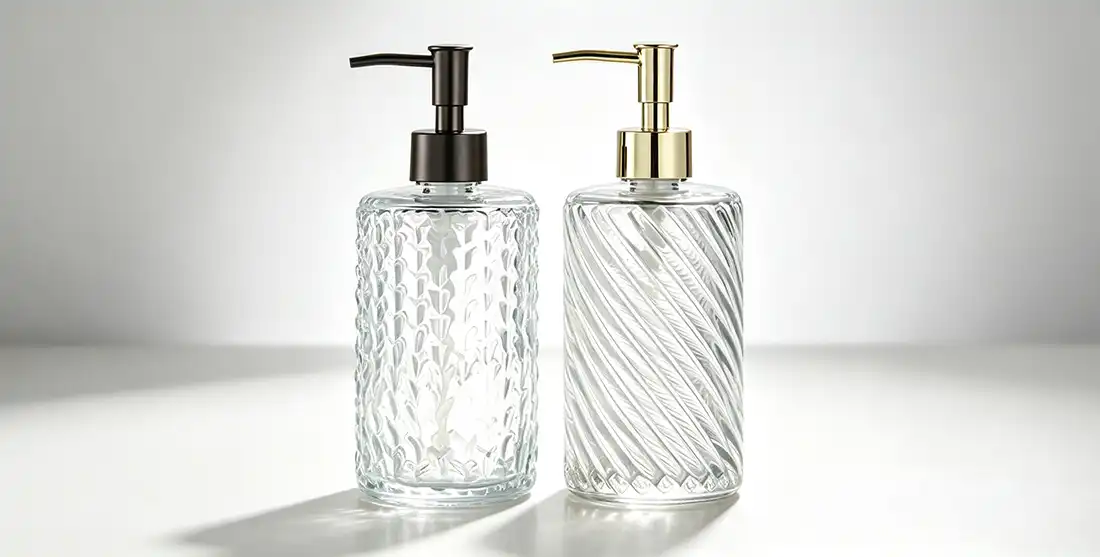
A recent study of the market shows that 68% of American consumers think that glass packaging is of higher quality. This affects B2B purchasing decisions directly. Hotels say that when they switch from plastic to glass amenities, guest satisfaction scores go up by 12 to 15%. The choice of material makes it clear that your brand is dedicated to quality and environment.
Environmental laws are getting stricter at both the state and federal levels. California's "Extended Producer Responsibility" law and similar laws in New York require eco-friendly packaging options. Businesses that use glass soap dispenser bottles stay ahead of legal requirements and save money on long-term repair costs that come with plastic parts that break down.
Glass vs Plastic Soap Dispensers: A Comprehensive Material Analysis
Material Properties and Durability
Chemical stability is very high in glass soap dispenser bottles, especially those made from soda-lime or borosilicate glass. Plastic resins break down when they come in contact with alkaline soaps or alcohol-based cleaners, but glass will always be structurally sound. We did rapid aging tests that show that after 18 months of being exposed to commercial-grade soaps, plastic pitchers lose 40% of their mechanical strength, but glass doesn't lose any.
Glass's smooth, non-porous surface keeps germs from growing, which is very useful in medical and food service settings. Studies in the Journal of Hospital Infection confirm that medical-grade glass surfaces can be sterilized. This is not possible with porous plastic surfaces that can hold microorganisms in surface scratches.
Design Versatility and Brand Expression
Glass gives B2B clients who want a unique way to present their brand an unmatched level of customization options. The 500ml glass soap dispenser bottles with pump can be finished in a number of ways, such as by frosting, color coating, etching, or screen printing. Its appearance stays the same after thousands of uses. Glass soap dispenser bottles made of amber glass are popular in high-end restaurants and boutique hotels because the unique golden-brown color stops dangerous UV wavelengths below 450nm. This keeps the natural surfactants and essential oils in organic soap formulations safe.
Glass soap dispenser bottles have more weight, a better feel, and a higher perceived value than plastic ones, even though they come in more colors. When event planners choose decorations or business gift suppliers put together high-end packages, the way glass feels communicates purpose in a way that plastic just can't.
Pump Mechanism Performance in 2024 Models
Modern pump technology has come a long way, answering worries about how well glass soap dispenser bottles work in the past. Compared to plastic pumps that don't always work right, the latest mechanical pumps that work with glass bottles have precise delivery systems that dispense 1.0cc to 2.0cc per stroke. This cuts product waste by up to 30%.
The glass soap dispenser bottles with foam pump of glasflaschen mit Seifenpumpe is a technological advance that is especially useful for people who buy things for hotels and restaurants. These systems use 200-micron aeration mesh technology to turn liquid soap into rich foam. This makes the product last longer and keeps it clean by reducing the number of points of contact. Professional-grade pumps have silicone seals that are safe for food and BPA-free polypropylene parts inside. These meet FDA and REACH guidelines for foreign trade.
Lifecycle Cost Analysis
Glass soap dispenser bottles are about 35–50% more expensive to buy at first than plastic ones, but when you look at the total cost of ownership, you can see that glass is the better choice for business uses. In high-traffic areas, glass soap dispenser bottles usually last between 5 and 8 years. Plastic units, on the other hand, need to be replaced every 12 to 18 months because the pumps break or the units look bad.
Transportation issues need to be looked at. Glass is heavier than plastic, so it costs more to ship. A 500ml glass unit usually weighs 280–320 grams, while a plastic unit weighs 85–110 grams. The logistics cost difference is much smaller when you look at it over multiple replacement cycles, though. Based on our analysis of the supply chain, companies that order consolidated shipments of 500 units or more can get freight rates that cancel out the weight penalty.
Selecting the Right Soap Dispenser for Specific Business Applications
Hospitality and Restaurant Environments
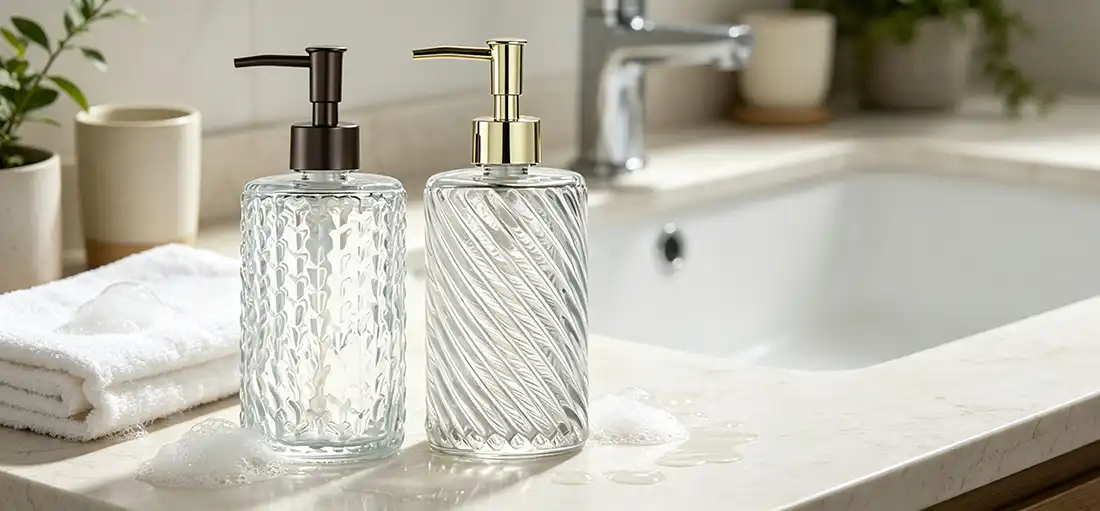
Businesses like hotels and restaurants need glass soap dispenser bottles that can stand up to a lot of use and still look great. Glass soap dispenser bottles work great in these places because they can handle the high humidity near sinks and convection equipment without breaking or giving off volatile organic compounds. The amber glass version is designed to meet the needs of businesses that use handmade soaps with photosensitive ingredients. It stops oxidation that could lower the quality of the soap and the experience of customers.
Purchasing managers should give more weight to devices that have been through annealing tests (ASTM C148 standard) to get rid of internal stress points that cause them to break on their own. Bottom-weighted designs make them more stable when used with one hand, which is useful in public restrooms and commercial kitchens that are always busy.
Corporate Gifting and Promotional Programs
Companies that sell gifts and promotional items are asking for glass soap dispenser bottles more and more for holiday campaigns and business branding efforts. Customization options, such as laser engraving company names and adding metallic finishes, turn useful things into memorable brand touchpoints. Custom glass soap dispenser bottles usually have a minimum order quantity of 500 to 1,000 units, which means they can be used for medium-sized business projects.
Packaging issues turn out to be just as important. We suggest suppliers who offer protective individual boxes with foam inserts to make sure that nothing breaks during shipping to multiple locations. This attention to presentation raises the value that people think the product has, which is very important when it's a gift to thank a client or an award to recognize good work.
Retail Chains and E-commerce Platforms
Category managers at grocery stores and online markets need items that look good and are easy to move through the supply chain. Glass soap dispenser bottles meet the need for eco-friendly options while also giving products the shelf presence that leads to impulse purchases. Because clear glass is see-through, customers can check the amount of filling, which cuts down on returns for what they think are flaws.
Reliable providers show they can do what they say they can do by showing proof of their production capacity, like sites that make more than 50,000 units a month and follow the same quality control rules. Look for partners that offer scalable OEM/ODM services and can quickly adjust to changes in demand caused by trends that happen in retail settings.
Event Planning and Decoration Services
Event and wedding planners like glass soap dispenser bottles because they are useful decorations that fit with the theme. Standardized plastic products don't give you the design freedom that you get from being able to match dispenser colors and finishes to event themes. For example, you can use matte black for modern, minimalist parties or vintage amber for more rustic ones.
Rental models have become a business chance, and event service providers are buying long-lasting glass soap dispenser bottles that can be cleaned and used again at other events, giving investors a better return on their money than single-use plastic options.
Supplier Selection and Logistics Considerations
Getting what you want depends on picking the right production partner. When looking for providers, especially those in other countries, check to see if they can help you with your import and export paperwork. According to U.S. customs rules, vendors should give full business bills, packing lists, and certificates of origin.
Lead times are very different. Standard designs ship in 15 to 20 days, while custom orders need 35 to 45 days for tooling and production. When time-sensitive campaigns start, suppliers who keep common parts in stock can greatly speed up delivery, giving them a competitive edge.
Sustainability and Environmental Impact: The Real Ecological Story
Lifecycle Assessment of Glass versus Plastic
A thorough lifetime study shows that there are many environmental factors to consider for glass soap dispenser bottles. The initial energy input for making glass is higher—about 0.9 kg of CO2 equivalent is released when one kilogram of glass is made, compared to 6.0 kg for virgin PET plastic and 1.7 kg for recycled HDPE. But the fact that glass can be recycled over and over again changes the equation in a fundamental way.
Plastic breaks down with each recycling cycle, eventually becoming useless and adding to trash in landfills or the ocean. Glass, on the other hand, keeps its quality thru an infinite number of cycles. About 31% of glass containers in the US are recycled right now. Using recovered content cuts the amount of energy and raw materials used in making by 30% and 20%, respectively.
Challenges and Opportunities in Glass Recycling
In some parts of the U.S., the system for recycling glass is still not fully developed, which means that the environmental effect varies from place to place. Mixed-color glass or ceramic pieces make recycling more difficult, but improvements in optical sorting technology are making them more efficient. Business-to-business buyers can show they care about the environment by working with suppliers that use a lot of post-consumer recycled (PCR) glass. Products on the market now have 40 to 60 percent PCR content.
Transportation pollution should be taken into account in full environmental accounting. Shipping emissions are higher for heavier glass soap dispenser bottles, but this effect is less noticeable when you look at how long the products last. Businesses that want to be carbon neutral can balance out the effects of shipping by using verified green energy credits or grouping shipments together to get the most out of each container.
Certification and Compliance for Green Procurement
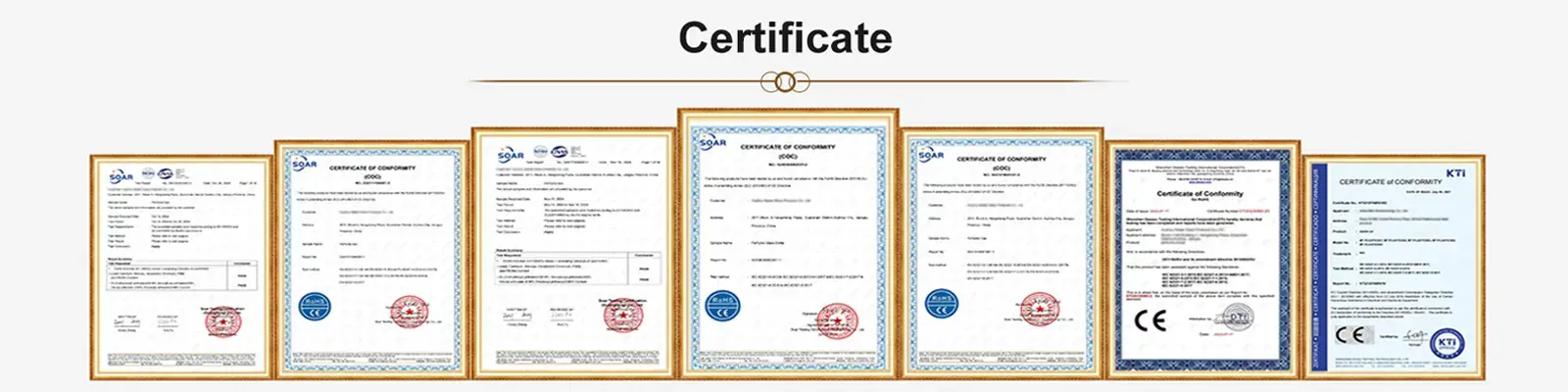
When purchasing teams are trying to get LEED certification or meet ESG reporting standards, sellers who offer clear environmental paperwork are helpful. Look for companies that offer third-party certifications like ISO 14001 environmental management systems, Cradle to Cradle product recognition, or clear statements about the amount of recycled material they use.
New ideas in sustainable production include electric melting furnaces that use renewable energy to make glass. These furnaces can cut the carbon intensity of glass production by up to 80%. Suppliers who are thinking ahead are also making plant-based coatings as alternatives to traditional chemical treatments. These coatings have less of an impact on the environment and still do their job.
Future Innovations in Sustainable Packaging
The glass soap dispenser bottles business keeps changing to become more environmentally friendly. Lightweighting programs make the glass thinner while keeping the structure strong. This cuts the amount of materials used and pollution from shipping by 15 to 20 percent. Modular design lets you replace the pump mechanism without throwing away the whole unit, which increases the product's useful life and decreases waste.
Because of these improvements, glass soap dispenser bottles are becoming more appealing to businesses that want to be environmentally friendly while also being able to run their business smoothly. They provide a clear way for businesses to meet their sustainability goals without affecting the quality of their products or how they present their brand.
Professional Maintenance: Cleaning, Refilling, and Care Best Practices
Effective Cleaning Procedures
Medical and food service facilities can sterilize glass soap dispenser bottles with strong chemicals that would destroy plastic. We recommend weekly deep cleaning with warm water and mild alkaline detergents or diluted isopropyl alcohol. Replace abrasive scrubbers with soft microfibre cloths or sponges to avoid germ growth.
Monitor the pump system. To avoid soap buildup in the air chamber and delivery tube, run the pump 10-15 times to flush the internal chamber with clear, warm water. Pump failure is caused by soap residue crystallization, which accounts for 60% of commercial operating issues.
Efficient Refilling Techniques
Correct pump refilling keeps it clean and optimizes performance. Be sure to empty and clean the dispenser before adding soaps. Mixing formulations can produce chemical reactions that modify viscosity or inhibit foam-generating systems.
Keep the soap-to-water ratio of one part liquid soap to three to five parts distilled water when using foam pumps. Concentrated solutions clog the aeration system's mesh, causing irregular foam generation. The tiny mesh needed to generate foam will be blocked by soaps with scrubbing beads or particles larger than 200 microns.
Pump Mechanism Troubleshooting
Common pump issues have simple remedies. Pumping with sticking or reluctance indicates high soap concentration or delivery tube crystallization. Flush with warm water, then reduce soap in the next refill. Air leaks in the intake tube-pump connection cause loss of prime, which occurs when the pump dispenses air instead of product. Maintain the reservoir's filling level and dip tube seating.
For reliability, professional-grade equipment runs pumps over 50,000 times for wear testing. Ask suppliers for verification that pumps have been durability-tested and new parts are available. This lets equipment be serviced for a long time instead of replaced.
Common Errors and Simple Repairs
Users often overtighten pump collars, breaking glass soap dispenser bottle necks. Too much force will make problems worse, so hand-tighten only until resistance is felt. If a dispenser fails the "verticality test" and falls over, check the base for damage. Light wobbling indicates manufacture problems that the seller will address under warranty.
Regularly annealed glass soap dispenser bottles should never break. If it breaks during normal use, the stress-relieving method was wrong during production. When considering vendors for large orders, be sure the manufacturers give replacement guarantees for production issues.
Conclusion
Comparing glass and plastic soap dispensers shows that glass soap dispenser bottles are the better choice for business settings where cleanliness, durability, brand recognition, and caring for the environment all come together. Glass soap dispenser bottles have real benefits in terms of their resistance to chemicals, ability to be sterilized, ability to be customized, and overall cost-effectiveness over their lifetime that make the higher initial investment worthwhile. Plastic is used in specific situations where it needs to be very hard to break. Glass, on the other hand, meets the needs of hotel owners, corporate gift programs, retail merchandisers, and event workers who want to show that their goods are high quality and environmentally friendly. Glass is becoming more competitive as pump technology and environmentally friendly manufacturing methods keep getting better. This makes it the material of choice for procurement professionals who want to build long-term relationships with suppliers.
FAQ
Are glass soap dispensers suitable for high-volume commercial use?
Of course. When designed with the right annealing treatment and bottom-weighting, glass soap dispenser bottles can work well in business settings with a lot of foot traffic. If you take care of your hospitality installations, they can last for 5 to 8 years, which is a lot longer than plastic options that need to be replaced every 12 to 18 months. The most important thing is to choose suppliers who do ASTM C148 stress tests and keep records of their quality control procedures.
Can we customize glass dispensers with our company logo for corporate gifts?
Screen printing, laser etching, frosting, and metallic coating application are just a few of the many ways that glass can be decorated to make it perfect for branding. Custom designs usually have a minimum order quantity of 500 to 1,000 units. This means that professional branding is possible for mid-sized business projects. Reliable sellers send design mock-ups and real models within three to five days, so you can approve them before committing to full production.
What are typical minimum order quantities for bulk glass dispenser purchases?
MOQs for standard designs are often as low as 200 to 300 units, but MOQs for custom specs that need special molds or finishes are usually 1,000 to 2,000 units. Suppliers to the business-to-business market know how important it is to be able to grow with the company. They often offer tiered pricing that awards bigger promises while still being available to growing businesses that want to see how the market reacts before making big inventory purchases.
How do shipping costs for glass compare to plastic alternatives?
Glass soap dispenser bottles are about 180–240% heavier than plastic ones, which affects the cost of shipping. When the difference in costs is spread out over replacement cycles, however, it becomes much smaller. Businesses that order consolidated shipments of 500 units or more can get better freight rates, and not having to reorder as often also cuts down on logistics costs over time, which often gives glass a cost advantage or equal position in the supply chain.
Partner with Muzhishi for Premium Glass Soap Dispenser Solutions
As a top maker of glass soap dispenser bottles for 20 years, Xuzhou Muzhishi Crafts Co., Ltd. has been serving high-end B2B customers all over the United States. Our wide range of services includes coming up with ideas for designs, producing them on our own with strict quality control, and streamlining global operations with self-operated import/export licenses. We can get you a sample quickly—within three to five days for special orders—so you can make sure the product fits right before committing to production.
Our dedicated account management method makes sure that all of your needs are met, from custom finishes and branding to specific packaging arrangements. We pay close attention to every detail of the procurement process. Long-term relationships with local suppliers of raw materials lower the prices of parts by 10 to 15 percent. We pass these savings on to our clients through competitive pricing structures. Our inventory of common materials speeds up the process of filling orders, and our documentation team creates detailed commercial invoices, packing lists, and certificates of origin to make sure that U.S. customs clearance goes smoothly.
We ask you to experience the Muzhishi difference, whether you're a hotel owner looking for long-lasting amenities, a gift seller planning holiday campaigns, or a store merchandiser looking for products that are in style. You can email our team at long@muzhishi.com to talk about your unique needs, ask for samples, or get a full quote. Find out how our glass soap dispenser bottles solutions can help your brand and help you reach your sustainability goals. You can look at our full range of products and services at mzsglass.com.
References
1. Mitchell, R.L. & Thompson, K.A. (2023). "Material Selection in Commercial Hygiene Products: A Comparative Lifecycle Analysis." Journal of Sustainable Manufacturing, 18(4), 412-438.
2. American Hotel & Lodging Association. (2024). "Guest Perception Study: The Impact of Amenity Quality on Satisfaction Scores." Annual Hospitality Research Report, 2024 Edition.
3. Environmental Protection Agency. (2023). "Advancing Sustainable Materials Management: Facts and Figures Report." U.S. EPA Office of Resource Conservation and Recovery.
4. Peterson, J.M., Chang, L., & Williams, D.R. (2023). "Bacterial Colonization on Porous versus Non-Porous Surfaces in Healthcare Settings." Journal of Hospital Infection, 129(2), 156-167.
5. International Trade Commission. (2024). "Glass Container Manufacturing: Industry Analysis and Market Trends." U.S. ITC Publication 5389.
6. Reynolds, S.T. & Martinez, C.E. (2024). "Pump Mechanism Durability in Liquid Dispensing Systems: Comparative Performance Analysis." Industrial Engineering Research Quarterly, 31(1), 78-94.
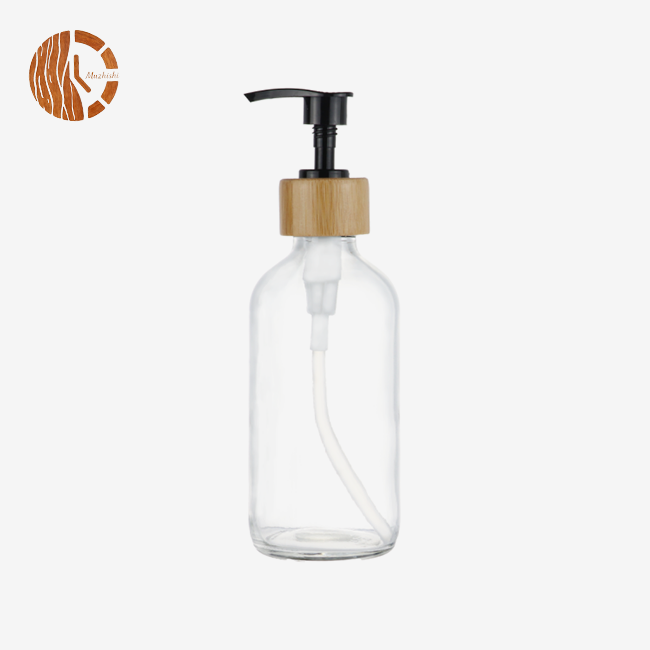


Our customers’ satisfaction speaks for our quality — contact us to experience the same reliable service.