- English
- French
- German
- Portuguese
- Spanish
- Russian
- Japanese
- Korean
- Arabic
- Greek
- German
- Turkish
- Italian
- Danish
- Romanian
- Indonesian
- Czech
- Afrikaans
- Swedish
- Polish
- Basque
- Catalan
- Esperanto
- Hindi
- Lao
- Albanian
- Amharic
- Armenian
- Azerbaijani
- Belarusian
- Bengali
- Bosnian
- Bulgarian
- Cebuano
- Chichewa
- Corsican
- Croatian
- Dutch
- Estonian
- Filipino
- Finnish
- Frisian
- Galician
- Georgian
- Gujarati
- Haitian
- Hausa
- Hawaiian
- Hebrew
- Hmong
- Hungarian
- Icelandic
- Igbo
- Javanese
- Kannada
- Kazakh
- Khmer
- Kurdish
- Kyrgyz
- Latin
- Latvian
- Lithuanian
- Luxembou..
- Macedonian
- Malagasy
- Malay
- Malayalam
- Maltese
- Maori
- Marathi
- Mongolian
- Burmese
- Nepali
- Norwegian
- Pashto
- Persian
- Punjabi
- Serbian
- Sesotho
- Sinhala
- Slovak
- Slovenian
- Somali
- Samoan
- Scots Gaelic
- Shona
- Sindhi
- Sundanese
- Swahili
- Tajik
- Tamil
- Telugu
- Thai
- Ukrainian
- Urdu
- Uzbek
- Vietnamese
- Welsh
- Xhosa
- Yiddish
- Yoruba
- Zulu
Top Roller Bottle Options for Essential Oils and More
When sourcing packaging for essential oil products, the container itself is as critical as the formula inside. Glass rollers for essential oils have become the preferred choice among DTC wellness brands, aromatherapy suppliers, and cosmetic manufacturers — and for good reason. This guide walks through everything procurement managers need to evaluate: material science, roller ball mechanics, customization depth, and supplier reliability. Whether you manage quarterly restocks or are launching a new SKU lineup, understanding your roller bottle options protects your formulas, your brand reputation, and your bottom line.

Understanding Glass Roller Bottles: Why Material Matters?
Most people who work in the supply chain know that essential oils must be packaged in a way that doesn't harm them. Over time, citrus-based oils that are high in limonene break down regular plastics very quickly, causing microbe contamination and formula instability. That risk is completely gone with borosilicate glass.
The Science Behind Borosilicate Glass
Type I borosilicate glass is the standard for pharmaceutical-grade packaging because it has a hydrolytic resistance rating. Because it is made of inert substances, it doesn't let ions move or react chemically with terpene-rich blends or let volatile organic compounds pass through. This material stability directly protects the formula integrity from production to end use for brands that sell oils with frankincense, citrus, or CBD in them.
Amber vs. Clear: UV Protection Compared
Light waves below 450nm are blocked by amber glass, which keeps photosensitive chemicals from breaking down. Clear glass doesn't block UV rays, but it works well for recipes that are meant to look good and where color is important. The choice isn't based on style; it's based on the recipe. A facial serum with lavender and a roll-on perfume with citrus have different light sensitivity profiles, so they should be packed in different ways.
| Glass Type | UV Filtration | Best For |
|---|---|---|
| Amber Borosilicate | Wavelengths less than 450nm | CBD, frankincense, and citrus oils |
| Clear Borosilicate | None | Serums and perfumes that don't change color |
| Customized Coating | Variable | Brand-specific UV requirements |
Top Roller Bottle Configurations: Materials, Sizes, and Features
The 10ml roller bottle with glass rollers for essential oils is the standard for carrying essential oils and serums with you. It's small enough to pass through TSA security, but heavy enough to carry a full retail price. But "10ml glass roller" can mean a huge range of quality levels, based on how the roller ball, cap, and seal are made.
This is what every buying team needs to decide about before they can start sampling:
- Roller ball material: Stainless steel feels cool on the skin and doesn't rust when acidic oils hit it. Glass balls roll the serums with the smoothest movement and work best with thick serums. Plastic balls are cheaper, but they don't work chemically with concentrated essential oil blends — a very important fact that some buyers don't realize until they get complaints from customers.
- Cap material and finish: Wooden caps have a natural, high-end look, but they need consistent quality control from the supplier to keep them from cracking or changing color between production batches. Metal caps, like gold or silver metal ones, make things last longer and look more uniform. Plastic caps are a cost-effective way to cover a lot of SKUs.
- Seal integrity: The most reliable way to stop leaks when the air pressure changes is to use a dual-seal screw cap with an internal plug that presses downward on the roller ball case. This is necessary for air freight and e-commerce distribution.
These choices about configuration add to each other. A premium unit that doesn't leak and blocks UV rays is made up of a stainless steel ball with a gold aluminum cap and amber borosilicate glass. One of the easiest ways to avoid quality issues in this area is to use the right ball material for the recipe.
| Component | Options Available | Key Consideration |
|---|---|---|
| Roller Ball | Steel, Glass, Plastic | Chemical agreement with the type of oil |
| Cap Material | Wood, Metal, Plastic | Consistency in appearance and durability |
| Cap Color | Gold, Silver, Black, White, Custom | Alignment of brand visual identity |
| Bottle Color | Amber, Clear, Custom | UV protection requirement |
How to Select the Right Roller Bottle Supplier: Procurement Guidelines
Comparing unit prices is not enough to choose a supplier for a packaging part such as glass bottles for essential oils that you will be ordering again and again. The real cost of choosing the wrong supplier shows up in complaints about leaks, caps that aren't the same color across batches, and emergency restock delays that stop your fulfillment cycle.
Leakage Testing Standards You Should Require
Any reputable roller bottle maker should be able to show proof of vacuum leakage tests, especially tests done on completed units at -0.05MPa to -0.08MPa. Testing the ball removal force (in Newtons) makes sure that the roller housing is safe enough to keep the ball from coming loose by chance while it's being handled in a store. By asking for these test reports before committing to a production order, you can tell the difference between suppliers who are reliable and those who don't care about fitment tolerances.
Customization Depth and Sample Lead Time
Flexibility from suppliers is a big plus for direct-to-consumer brands that have to handle a lot of different SKUs with different cap colors and print treatments. Getting samples within 3–5 business days makes the decision-making process much faster. Samples can be used to test roller smoothness, cap fit, and print adhesive before a production run. Hot stamping, screen printing, inside engraving, and heat transfer printing are all surface treatment choices that you should think about. Each one is good for a different brand's look and different production numbers.
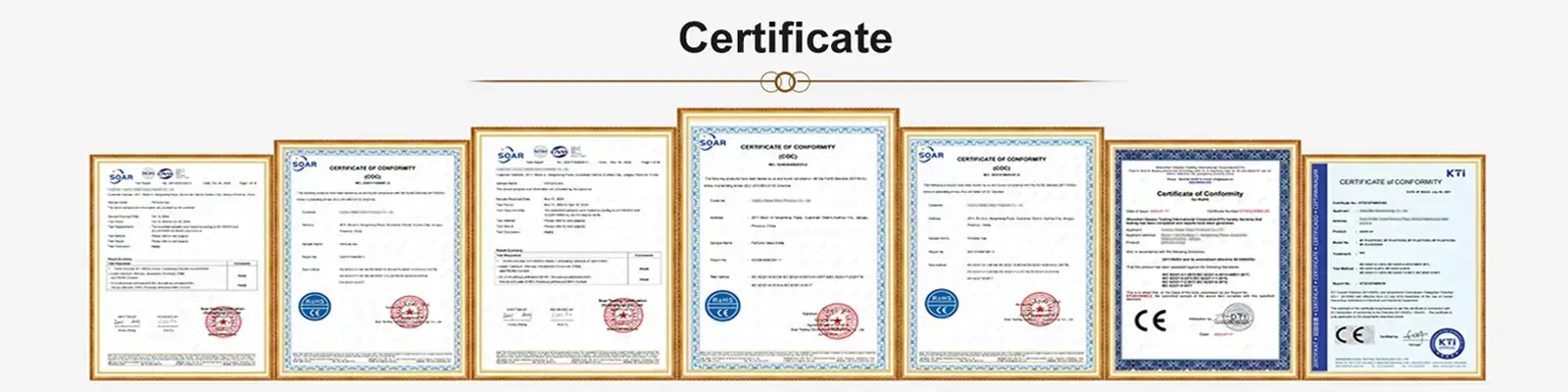
Compliance Documentation
Cosmetics sold in North America and Europe must come with packaging that can be tracked. With each production batch, procurement teams should ask for certificates of origin, data on the safety of the materials, and relevant compliance declarations for glass rollers for essential oils. For brands that sell in stores or online, TSA-compliant paperwork for 10ml packages is also needed for marketing materials that customers see.
Market Trends Shaping Roller Bottle Procurement in 2025
Grand View Research says that the global essential oil market was worth about $9.6 billion in 2023 and is still growing at a rate of about 8% per year. Because of this growth, direct-to-consumer (DTC) aromatherapy and skin care brands are having to compete more in the internet and store shelves, where differentiating their packages can help them make more sales.
To show that they are high-end, brands are using roller assemblies made of a mix of materials, such as amber borosilicate glass with matte black aluminum caps or natural wood finishes. At the same time, supply chain managers are pushing suppliers for shorter reorder cycles and dedicated emergency restock channels. This is because successful direct-to-consumer (DTC) operations use a high-frequency, low-buffer purchasing model. More and more people are choosing glass roller bottle suppliers that can handle rolling orders every three months and quick restocking over those that need long lead times for each batch.
Practical Applications: Where Glass Roller Bottles Perform Best
As useful delivery methods, roller bottles can be used for a number of different product types, each with their own specific performance needs. To keep serum from pooling, a facial serum roller needs a smooth glass ball that fits perfectly. A pulse-point perfume roller focuses on controlled dosage and a high-end cap look. Chemical inertness is the most important thing for a medicinal aromatherapy mix.
When brands choose a "essential oil roller" instead of a roller configuration that fits the application, they consistently get better user experience scores and fewer returns. The choice of wrapping tells you a lot about the quality of the product before you even look at the recipe.
Conclusion
Choosing the right roller bottle involves formulation, logistics, and brand all at the same time. The foundations must include borosilicate glass, precisely designed glass rollers for essential oils, and a seal architecture that has been tried for leaks. Beyond that, how well the relationship works for your brand depends on how much customization the seller allows and how quickly they can restock when you need it. With written quality standards and tested compatibility, getting the setup right the first time saves both your product and your customer relationships.
FAQ
What kind of roller ball material works best with essential oils of citrus fruits?
High-limonene citrus oils can be mixed with both stainless steel and glass roller balls. Plastic balls, especially normal PE balls, break down when they come into touch with concentrated citrus blends for a long time. This can make the recipe less pure. For broad-spectrum essential oil SKUs, stainless steel is the better choice.
How do I verify that a roller bottle is genuinely leakproof?
Ask the manufacturer for proof of a vacuum leakage test. Test subjects who could be trusted put together units to -0.05MPa to -0.08MPa. Ask for ball removal force test data as well. This will make sure that the roller case doesn't come loose during shipping or handling at the store.
What kinds of customizing options are there for large orders?
Hot stamping, screen printing, engraving on the inside, heat transfer printing, and custom spray coating are all standard options. Each SKU can have its own cap color, bottle color, and roller ball type. Packaging options, such as outer boxes with logos, can also be changed based on the needs of the order.
In general, how long does the sampling process take?
Within 3–5 business days, you can usually get samples that show how the roller ball fits, how the cap matches, and how the surface is printed. Testing for content compatibility before a full production run usually takes more time during the initial procurement cycle.
Are 10ml roller bottles okay with TSA?
It's legal to bring on airplanes because it holds 10ml, which is less than the 3.4oz (100ml) of liquid that the TSA allows in carry-on things. Brands that say their products are good for traveling should make sure this is written on the package.
Partner With Muzhishi — Your Trusted Glass Roller Bottle Manufacturer
Since 2005, Muzhishi has provided health and cosmetic brands around the world with precise roller packing. You can get our 10ml borosilicate glass roller bottles in amber, clear, or unique shapes. They come with steel, glass, or plastic roller balls and a variety of cap materials and styles. For known accounts, we offer free samples, leakage tests with written reports, and emergency restocking routes. Visit mzsglass.com or email our team at long@muzhishi.com to get a custom quote and start the sampling process right away.

References
1. Grand View Research. Essential Oils Market Size, Share & Trends Analysis Report. 2024.
2. United States Pharmacopeia. USP <660> Containers — Glass. USP–NF, 2023.
3. Packaging Digest. Trends in Cosmetic Packaging: Sustainability and Customization. 2024.
4. Journal of Cosmetic Science. Chemical Compatibility of Packaging Materials with Essential Oil Formulations. 2022.
5. Cosmetics & Toiletries. Packaging Innovation in the Aromatherapy and Skincare Segment. 2023.
6. Drug and Cosmetic Industry. Glass vs. Plastic Packaging: Stability Considerations for Topical Oil Formulations. 2021.

Our customers’ satisfaction speaks for our quality — contact us to experience the same reliable service.