- English
- French
- German
- Portuguese
- Spanish
- Russian
- Japanese
- Korean
- Arabic
- Greek
- German
- Turkish
- Italian
- Danish
- Romanian
- Indonesian
- Czech
- Afrikaans
- Swedish
- Polish
- Basque
- Catalan
- Esperanto
- Hindi
- Lao
- Albanian
- Amharic
- Armenian
- Azerbaijani
- Belarusian
- Bengali
- Bosnian
- Bulgarian
- Cebuano
- Chichewa
- Corsican
- Croatian
- Dutch
- Estonian
- Filipino
- Finnish
- Frisian
- Galician
- Georgian
- Gujarati
- Haitian
- Hausa
- Hawaiian
- Hebrew
- Hmong
- Hungarian
- Icelandic
- Igbo
- Javanese
- Kannada
- Kazakh
- Khmer
- Kurdish
- Kyrgyz
- Latin
- Latvian
- Lithuanian
- Luxembou..
- Macedonian
- Malagasy
- Malay
- Malayalam
- Maltese
- Maori
- Marathi
- Mongolian
- Burmese
- Nepali
- Norwegian
- Pashto
- Persian
- Punjabi
- Serbian
- Sesotho
- Sinhala
- Slovak
- Slovenian
- Somali
- Samoan
- Scots Gaelic
- Shona
- Sindhi
- Sundanese
- Swahili
- Tajik
- Tamil
- Telugu
- Thai
- Ukrainian
- Urdu
- Uzbek
- Vietnamese
- Welsh
- Xhosa
- Yiddish
- Yoruba
- Zulu
Can you reuse wine glass bottles?
You can reuse wine glass bottles — and when those bottles are precision-engineered, the answer becomes even more compelling. A well-made 300ml wine glass bottle with drawing is built from chemically inert, Type III soda-lime glass that resists flavor transfer and withstands repeated cleaning cycles. Unlike flimsy single-use containers, these bottles carry exact CAD-specified tolerances, meaning every neck finish and base dimension remains consistent across batches. For craft spirits founders and boutique winemakers, reusing such bottles is not just an environmental choice — it is a strategic packaging asset.

Understanding 300ml Wine Glass Bottles with Drawing
What "With Drawing" Actually Means
When used to describe drink packages, "with drawing" does not just mean decorative art. It means that the bottle comes with a full set of engineering plans, including limits for the neck finish (T, E, I, and H measurements according to GPI/BCMI standards), the body's oval shape, the verticality deviation (≤0.5mm per 100mm height), and the fill-point depth. This paperwork is what allows a bottle to work with automated filling lines without stopping them.
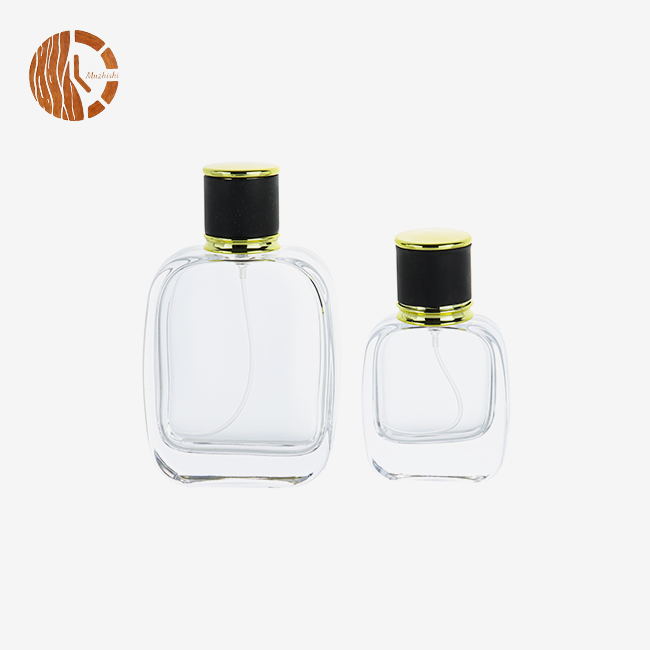
The FP-W-027 type from Muzhishi is 27.7 cm tall, 7.3 cm wide, and weighs 509.5g. These numbers are not just guesses; they can be repeated within a ±2% volume tolerance in every production run. This was proven by testing the overflow capacity.
Material Composition and Glass Grade
This bottle is made by Muzhishi from high-quality soda-lime glass that meets Type III glass standards. These standards set the bar for chemical balance in food contact glass. The material can handle temperature shocks up to ¥T 40°C, which means it can be used for cold storage and pasteurization as long as the technical model shows the right wall thickness.
| Specification | Detail |
|---|---|
| Model Number | FP-W-027 |
| Capacity | 300ml |
| Height | 27.7 cm |
| Diameter | 7.3 cm |
| Weight | 509.5g |
| Sealing Type | Screw Cap |
| Glass Standard | Type III Soda-Lime |
| Origin | Jiangsu, China |
How to Reuse and Care for 300ml Wine Glass Bottles with Drawing?
Cleaning Without Compromising the Surface Treatment
You can reuse a painted glass bottle such as a 300ml wine glass bottle with drawing as long as the design stays on the surface after being washed several times. Screen-printed logos that are fired at high temperatures stick to the glass surface directly and do well in industrial washing cycles. But hot-stamped foil finishes need to be washed by hand with gentle soaps to keep the metal's structure. When patterns are carved on the inside of glass, there is no risk of surface coating because the texture is built into the glass itself.
This is a useful cleaning protocol for business-to-business (B2B) transactions. Rinse right away after dumping to keep leftovers from sticking. Use a pH-neutral detergent that is safe for food-contact glass to clean it. Dry upside down on a clean rack that is out of direct sunlight. Before refilling, make sure the neck finish and closing thread are visible.
Storage and Handling Best Practices
If you store these bottles properly, they can be used many more times. To keep the aluminum screw-cap thread from deforming, store it straight on stable shelves. Keep the temperature in the room between 5°C and 35°C. Do not stack more than two layers of bottles without protective dividers because the 509.5g weight per unit puts pressure on the lower bottles.
Benefits of Reusing 300ml Wine Glass Bottles with Drawing for B2B Clients
Sustainability used to be a business buzzword, but now it's a requirement for buying things. The Glass Packaging Institute says that glass can be recycled over and over again without losing any of its quality. This is something that neither plastic nor composite packaging can say. For craft spirits brands trying to break into the U.S. market, where buyers care about sustainability, a reusable glass bottle is both a statement for the environment and a way to make more money.
Here are the core advantages that make reuse a viable B2B strategy:
- Brand equity preservation: Custom screen printing, hot stamping, and inside engraving on a 300ml wine glass bottle with drawing turn every refill into a brand touchpoint, protecting brand equity. The bottle itself becomes a treasure, which keeps customers coming back even after the contents are gone.
- Cost efficiency over production cycles: Reusing bottles lowers the cost of packaging each unit across batches. This increasing savings makes the margin on limited-edition sales much better for small distilleries that buy 2,000 to 20,000 units a year.
- Versatility across product lines: Whiskey, gin, rum, tequila, or a small-batch dessert wine can all be stored in the same bottle. Its vacuum-filling-compatible structure keeps it from imploding during runs of fizzy or sparkling drinks, which makes it useful for more than one SKU.
Comparing 300ml Wine Glass Bottles with Drawing vs. Other Packaging Options
People who work in procurement often compare illustrated 300ml glass to plain bottles, bigger sizes, and other materials. The table below shows where each choice really shines.
| Packaging Type | Visual Impact | Filling Line Compatibility | Reusability | Brand Customization |
|---|---|---|---|---|
| 300ml wine glass bottle with drawing | High | High-speed CAD-checked | Excellent | Full |
| Plain 300ml glass | Poor | Standard | Good | Few |
| 750ml standard wine bottle | Standard | Good | Moderate | Moderate |
| PET plastic bottle | Good | Bad | Low | High |
When it comes to business, the 300ml size is very important. It's big enough to give you a full tasting experience but small enough to fit in gift boxes, airplane kitchen carts, and hotel minibars. Unlike 50ml miniatures, it holds enough to make the premium label investment worth it. Unlike 750ml bottles, it moves faster through gift displays in stores and encourages people to try it before they buy it.
Another choice axis is whether to use a wine bottle stopper or a screw-cap closing. The FP-W-027's aluminum screw cap makes the sealing consistent, which is very important for high-proof spirits where cork taint or oxidation risks are not acceptable. Corks keep the look of tradition, but they add some variation that automated filling lines have to deal with by moving more slowly.
Procurement Guide: Buying 300ml Wine Glass Bottles with Drawing in Bulk
Evaluating Supplier Qualifications
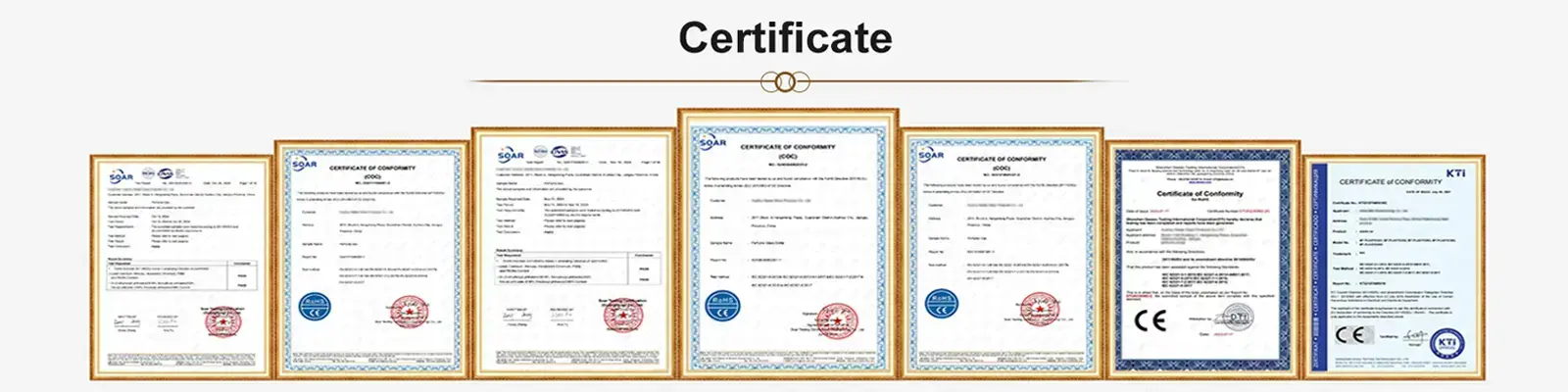
Food-contact compliance documentation from reputable suppliers of custom glass bottles is in line with FDA rules and EU Regulation 1935/2004. Before you invest in mold, make sure you have these papers. Make sure the seller gives you real CAD plans and not just pictures of the products. Also, make sure that the size information fits the centering bell and capping head specs on your filling machine.
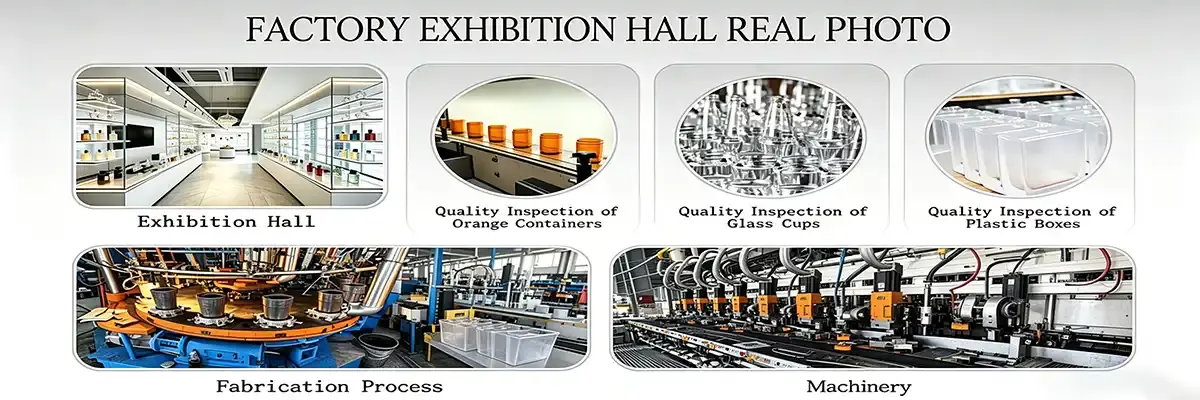
Since it was founded in 2005 in Xuzhou, Jiangsu, Muzhishi has been able to buy and ship goods on its own. Their professional team makes full sets of business invoices, packing lists, and certificates of origin that are tailored to the customs rules of the target country.
MOQ, Lead Times, and Sampling
Small-batch buying is not a compromise; it is a real need. Initial orders can be accommodated by Muzhishi, which can handle craft distillery launch volumes, and samples are sent within 3–5 days for free, which is in line with the short launch windows that most independent spirits brands have. The finalization of the drawing process for a custom mold takes about 15 days, and mass production takes another 20 to 30 days.
Customization capabilities available on the FP-W-027 platform include hot stamping, silk screen printing, engraving on the inside, using custom colors, adding stickers or labels, and making custom packing boxes. Whether it's sea freight or air express, transportation methods change based on what the buyer wants.
Conclusion
Reusing wine glass bottles is useful, good for the environment, and smart business, as long as the bottles are made with the exact measurements needed for repeated filling and closing. The rightly described 300ml wine glass bottle with drawing is a valuable piece of packaging for craft spirits and boutique wines because it works regularly on the filling line, lasts through multiple use cycles, and keeps the brand's identity through all surface treatment options. With 20 years of experience making glass products, Muzhishi is a reliable partner for brands that need more than just a standard bottle. They also offer rapid prototyping and full compliance documentation.
FAQ
Are decorated glass bottles safe for food and beverage reuse?
Yes. Type III soda-lime glass bottles are chemically inert, which means that the glass doesn't leach chemicals into the contents. Decorations that are screen-printed or hot-stamped on the outside do not touch the drink. Because no coating is put on the inside wall, inside-engraved finishes don't do anything. Always make sure that the supplier you're buying from has FDA or EU 1935/2004 food-contact compliance certificates.
What is the typical MOQ for a custom 300ml bottle?
MOQ changes depending on the seller and the level of customization. Craft distilleries can use small number sizes for starting out with Muzhishi, which makes it available to independent brands releasing their first SKU.
How durable are screen-printed logos through repeated washing?
Screen printing that is heated in a kiln sticks to the glass surface and works well in commercial dishwasher cycles. When removing hot-stamped metal finishes, be more gentle. No matter how you clean them, inside-engraved patterns will not break down.
How accurate is the 300ml volume across production batches?
Muzhishi keeps a volume tolerance of ±2% by checking the overflow capacity and following the fill-point depth specs shown on the engineering model.
Can the same bottle work for both still wine and spirits?
Yes. The FP-W-027 can be used with liqueurs, whiskey, tequila, gin, rum, wine, and vodka. The aluminum screw cap consistently seals both high-proof and standard-proof materials.
Request a Free Sample from Muzhishi — Your Trusted 300ml Wine Glass Bottle With Drawing Supplier
For 20 years, Muzhishi has provided high-quality glass packaging to beverage brands in North America, Europe, and other places. You can email our team at long@muzhishi.com or go to mzsglass.com to ask for a free sample of the FP-W-027 and get full CAD technical drawings within 3–5 days. Whether you need a small trial run or a scaled bulk order, we match your timeline and brand vision.
References
1. Glass Packaging Institute. Sustainability Report: Glass as a Permanent Material. Glass Packaging Institute, 2022.
2. American Society for Testing and Materials. ASTM C148: Standard Test Methods for Polariscopic Examination of Glass Containers. ASTM International, 2021.
3. European Commission. Regulation (EC) No 1935/2004 on Materials and Articles Intended to Contact Food. Official Journal of the European Union, 2004.
4. U.S. Food and Drug Administration. Guidance for Industry: Packaging and Labeling for Glass Containers in Food Applications. FDA, 2020.
5. Packaging Digest Editorial Staff. Trends in Craft Spirits Packaging: Small Batch, Big Impact. Packaging Digest, 2023.
6. Wine & Spirits Wholesalers of America. 2023 Industry Overview: Packaging Innovation in Beverage Alcohol. WSWA, 2023.


Our customers’ satisfaction speaks for our quality — contact us to experience the same reliable service.