- English
- French
- German
- Portuguese
- Spanish
- Russian
- Japanese
- Korean
- Arabic
- Greek
- German
- Turkish
- Italian
- Danish
- Romanian
- Indonesian
- Czech
- Afrikaans
- Swedish
- Polish
- Basque
- Catalan
- Esperanto
- Hindi
- Lao
- Albanian
- Amharic
- Armenian
- Azerbaijani
- Belarusian
- Bengali
- Bosnian
- Bulgarian
- Cebuano
- Chichewa
- Corsican
- Croatian
- Dutch
- Estonian
- Filipino
- Finnish
- Frisian
- Galician
- Georgian
- Gujarati
- Haitian
- Hausa
- Hawaiian
- Hebrew
- Hmong
- Hungarian
- Icelandic
- Igbo
- Javanese
- Kannada
- Kazakh
- Khmer
- Kurdish
- Kyrgyz
- Latin
- Latvian
- Lithuanian
- Luxembou..
- Macedonian
- Malagasy
- Malay
- Malayalam
- Maltese
- Maori
- Marathi
- Mongolian
- Burmese
- Nepali
- Norwegian
- Pashto
- Persian
- Punjabi
- Serbian
- Sesotho
- Sinhala
- Slovak
- Slovenian
- Somali
- Samoan
- Scots Gaelic
- Shona
- Sindhi
- Sundanese
- Swahili
- Tajik
- Tamil
- Telugu
- Thai
- Ukrainian
- Urdu
- Uzbek
- Vietnamese
- Welsh
- Xhosa
- Yiddish
- Yoruba
- Zulu
What are the Common Problems with Soap Dispensers?
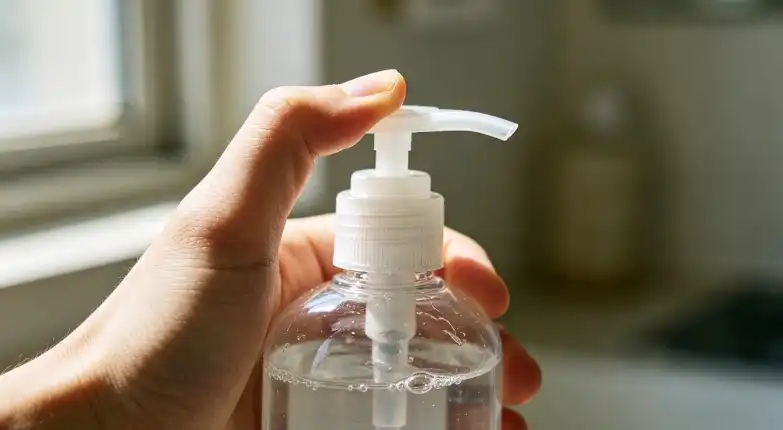
Dispensers for soap have become necessary in both homes and businesses, but they often have problems that affect both the user experience and the cost of upkeep. The most common problems with soap dispenser, especially plastic liquid soap dispenser, are broken pumps, leaks, and issues with products not working well together. When soap residue builds up inside the pump chamber, it clogs. If the seal isn't tight enough, it leaks and drips. Breakage is still a problem for glass units in areas with a lot of foot traffic, and cleaning them is hard, which adds to the care workload. When procurement professionals know about these common issues, they can choose long-lasting, dependable devices that reduce downtime and improve end users' general hygiene experience.
Understanding Common Problems of Glass Liquid Soap Dispensers
In business settings, the dependability of dispenser devices has a direct effect on how well they work. Knowing about technical and operational problems helps you make better buying choices and plan ahead for upkeep.
Pump Mechanism Failures and Clogging Issues
The most common problem that dispenser users have is that the pump gets clogged. This problem usually happens because the soap mixture doesn't work with the machine or the upkeep instructions aren't clear. Natural, thick soaps that contain exfoliating bits or essential oils can solidify inside the pump chamber, especially if the temperature changes. When the internal mesh screens and valve systems get clogged, the pump stops working or the dispensing isn't reliable.
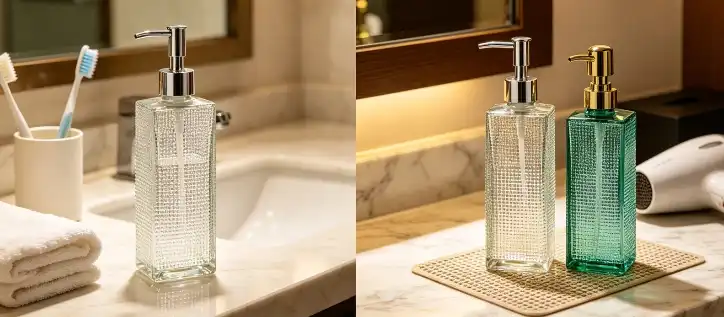
The choice of material is very important for how long the pump lasts. High-end dispensers have stainless steel pump parts that don't rust when used with alkaline soaps, but plastic parts made of lower quality break down over time. At Muzhishi, our Clear Glass Hand Soap Dispenser has precision-engineered pump systems that have been tried for over 50,000 activation cycles. This makes sure that the dispenser works the same way with different types of soap. Because its internal parts are chemically resistant, the 500ml unit works perfectly with lotions, soaps, hand washes, and even skin toners.
Leakage and Seal Integrity Problems
Problems with leaks are annoying for users and make the area around sinks dirty. Most leaks happen because the threads between the pump device and the bottle neck are not very precise. Changes in temperature make materials grow and shrink at different rates, which over time weakens the seal. If you overtighten during installation, the glass threads or plastic seals can crack, and if you undertighten, liquid can leak through.
Precision in production and high standards for quality control are the answers. Standardized neck finishes on dispensers, like 28/400 or 28/410 threading, make sure that the cover always works. As part of our production process, we test the threads for accuracy to stop leaks and also check their stress strength under normal use. This level of care makes sure that the watertight seals on each unit stay in place for as long as it works, even in wet business settings like hotel bathrooms and restaurant kitchens.
Breakage Risks and Material Durability Concerns
In business areas with a lot of foot traffic, glass soap dispenser can break. Drops by accident, strikes from nearby items, or thermal shock from sudden changes in temperature can all damage structures. Standard soda-lime glass looks nice, but it might not be strong enough to withstand impacts in harsh settings.
The choice of material affects how long the pump lasts. High-quality glass construction with thicker walls makes the building last longer without losing its looks. Our dispensers have thick glass walls that are made to withstand daily hits while still keeping the high-end look that makes brands look better in restaurant settings. The non-porous glass surface naturally stops bacterial gunk from building up. This makes these units perfect for places like hospitals and restaurants where cleanliness is very important.
Cleaning Difficulties and Maintenance Challenges
Poor cleaning methods speed up the breakdown of dispensers. Soap powder builds up on both inside and outside surfaces, making places for bacteria to grow and surfaces that look bad. A lot of people have trouble taking apart pump parts to clean them properly, which causes buildup problems that don't go away.
When it comes to upkeep, Transparent glass is much better than dark materials. Our pitchers are made so that you can see at a glance how clean they are inside and how much soap is in them. The smooth, non-porous glass surface is easy to clean, and the whole unit can go in the washing after the pump is taken out. This design choice lowers the cost of work in business settings where many machines need to be serviced regularly. The maintenance staff can quickly tell when a deep clean is needed, which stops problems before they get worse and make the dispensers less useful.
Comparing Glass vs Plastic Soap Dispensers: Problem Analysis and Solutions
Material choice has a big effect on how well dispensers work, how long they last, and how people feel about the brand. When procurement professionals understand these differences, they can find answers that fit with the organization's goals and needs.
Chemical Safety and Product Purity Advantages
Chemicals that leak out of plastic devices pose secret risks. Over time, lower-quality plastics let out bisphenol-A (BPA), phthalates, and other chemicals that mess with hormones that are found in soaps. This pollution is especially bad for organic, herbal, or therapeutic soaps, where the purity of the ingredients is what makes people buy them. Because plastic is porous, it soaks up scents and colors, which makes different kinds of soap dirty.
Glass is completely chemically neutral. The non-reactive surface keeps the purity of the soap formulation forever, which makes sure that expensive organic ingredients keep their healing qualities. For hospitality companies that want to stand out by offering high-end services, this trait is very useful. Guests will notice a commitment to quality even before the soap is given out. This is because the soap is presented in a glass case. Our glass containers back this brand branding and take away any worries about chemical contamination or material breakdown that could put guests at risk.
Environmental Impact and Sustainability Considerations
Plastic feeders add to the problems that the earth is facing. Most of them have a mix of plastics that make recycling harder and cause trash to pile up in landfills or pollute the ocean. Plastic breaks down into tiny bits called microparticles that stay in ecosystems for hundreds of years and hurt the environment in the long run. Plastic units usually only work for one to two years before the material starts to wear out. This means that they need to be replaced more often, which uses more resources.
Glass is an option that is truly environmentally friendly. The material is 100% recyclable and doesn't lose any quality over an endless number of recycling processes. A well-made glass pitcher can last much longer than hundreds of plastic ones and change them as needed. Glass liquid soap dispenser models are necessary for companies that want to meet environmental goals and get LEED approval or meet business sustainability requirements. Customers who are becoming more worried about plastic waste will see this choice as a sign of environmental duty. Our commitment to sustainability goes beyond the product itself. We work with local providers of glass sheets in Xuzhou to cut down on transportation emissions and support industrial ecosystems in the area.
Aesthetic Value and Brand Perception Impact
Customers' ideas about cleaning, quality, and company positioning are affected by how things are presented visually. Plastic boxes usually look practical or cheap, no matter what kind of product is inside. Plastic turns yellow, gets scratches, and fogs up over time, making it look like it hasn't been taken care of, even if it is cleaned regularly. Because of these patterns of visual degradation, replacement decisions have to be made based on how something looks instead of how well it works.
Throughout their useful life, glass pitchers keep their clear vision. The weight and clarity show high-end quality, which raises the perceived value in business and leisure settings. Boutique hotels, high-end restaurants, and companies that care about design use glass pitchers as decorative elements that go with the overall look of the space. The material looks great in a wide range of design styles, from simple modern to country farming, giving your brand a lot of options. Our customization options let brands stand out by using different surface treatments like gold stamping, silk screen printing, and precision engraving. These treatments turn useful things into branded links that strengthen an organization's identity.
Durability and Total Cost of Ownership Analysis
When buying something for the first time, plastic is often preferred because it costs less up front. This short-term thinking doesn't take into account the total cost of ownership, which includes how often the product needs to be replaced, how much upkeep it needs, and how it affects the business. Plastic bottles usually need to be replaced every 12 to 24 months because the material wears out, the look gets worse, or the mechanism breaks down. These replacement processes add to the cost of buying new things and getting rid of old ones.
Long-term, quality glass pitchers are the best choice. Even though it costs more up front than plastic options, the longer service life—often 5–10 years with proper care—dramatically lowers the cost per year. Less frequent replacement lowers the managerial load of buying, shipping costs, and trash disposal costs. Our strict quality checks make sure that every pump can handle the demands of daily use. The precisely designed pump parts work perfectly even after tens of thousands of cycles, and the glass body doesn't get stained or cloudy like plastic does, so it doesn't need to be replaced as soon. When purchasing managers look at the total cost of ownership, they always find that high-end glass cases give better financial results and better brand positioning.
Maintenance and Problem Prevention for Glass Liquid Soap Dispensers
Following the right care steps will make dispensers last longer and work better every time. These useful tactics cut down on running costs and user complaints.
Effective Cleaning Protocols and Tools
Most dispenser problems are caused by buildup of waste, which can be avoided by cleaning the dispenser regularly. Cleaning the outside once a week with warm water and light detergent keeps it looking nice and keeps sticky stuff from building up around the pump parts. Deep cleaning once a month gets rid of internal waste before it turns into a problem called buildup.
The first step in cleaning is to drain all the soap and take out the pump device. Flushing with warm water gets rid of most of the dust on the inside surfaces. Soaking stubborn buildup in white vinegar works—the light acidity breaks down soap scum without hurting metal or glass. Do not use rough cleaning tools on glass because they can scratch it and leave tiny cracks where germs can grow. Soft microfiber cloths keep glass containers looking nice by keeping them crystal clear. The fact that our devices are dishwasher-safe (after the pump is taken out) makes maintenance easier in businesses with dishwashers, allowing for quick batch cleaning during regular maintenance runs.
Safe Refilling Practices and Soap Selection
The right way to replace a pitcher keeps it from getting dirty and extends its usefulness. Do not fill up dispensers that are only partly full. Doing so adds bacteria to the soap that is already there and forms layers between different formulas. Emptying and rinsing the container completely between refills keeps it clean and stops problems with recipe mismatch.
The thickness of the soap has a big effect on how well the pump works. Thin liquids can leak through filters made for thicker mixtures, and very thick substances can put a lot of stress on pump systems. Standard hand soaps that are liquid and have a middling thickness work best. Our 500ml pitchers can hold lotions, hand washes, skin toners, liquid soaps, and more, making them useful for a wide range of situations. Thoroughly rinsing between product types stops cross-contamination that could change how the products work or make unpleasant smells when mixed. Organizations that use refill stations as part of their green efforts should make sure that all of their building outlets follow the same standard operating procedures for refilling.
Routine Inspection and Component Replacement
Potential problems are found before they cause problems by proactive inspection. Checking the smoothness of the pump system, the integrity of the seals, and the state of the glass should be done once a month. When pumps need more pressure to work, it means that there is internal wear or material buildup. Thread areas where soap residue is building up are a sign that the seal is wearing down and needs to be fixed.
Replacing parts of the feeder makes liquid soap dispenser last longer. Good makers make dispensers with pump parts that can be replaced instead of built-in units that need to be replaced completely. This flexible method cuts down on waste and long-term costs. When pump parts stop working as well after years of use, replacing them instead of throwing them away protects the large investment in the glass body. Our customer service team helps procurement managers keep dispenser fleets in good shape by giving them advice on where to find parts and how to replace them. Because technology questions can be answered 24 hours a day, 7 days a week, maintenance questions get quick, expert replies that keep operations running as smoothly as possible.
Leveraging Supplier Support and Warranty Programs
Strategic ties with suppliers turn upkeep from a task that needs to be done to something that is part of a managed service. Reputable companies stand behind the quality of their products with full guarantee plans that cover problems caused by poor manufacturing and failures that happen too soon. These guarantees lower the risk of buying in bulk and show that the maker trusts the product to last.
In addition to warranty covering, the knowledge of the provider is very helpful for running the business. Technical teams can figure out why something isn't working right, suggest the best soap recipes, and teach building staff how to do maintenance. At Muzhishi, our 20 years of experience in the craft business helps us give clients useful advice that helps them get the most out of their dispensers. We see our relationships with customers as partnerships that go beyond the original transaction. Our one-stop service model includes design advice, fast sampling (3-5 days), production, global logistics, and ongoing technical support. This all-around method makes sure that procurement professionals can access expert tools at all times during the lifecycle of a product.
Conclusion
In business settings, the dependability of soap dispenser has a direct effect on how users feel, how much it costs to run, and how people see the brand. Problems like pump failures, leaks, and difficult upkeep are often caused by poor material quality, design limits, and care routines that aren't followed properly. There are many good reasons to use glass bottles instead of plastic ones. They are chemically neutral, better for the environment, look better, and last longer. The right way to do repair can make things last longer and keep them from breaking down too soon. Instead of just looking at the original buy amount, strategic procurement choices look at things like the ability to customize, the dependability of the seller, the supplier's environmental credentials, and the total cost of ownership. New technologies in pump mechanisms, structural reinforcement, and flexible design get around the problems that existed in the past while also helping to reach green goals. Companies that care about quality, durability, and brand positioning need glass dispensers to meet operating needs and shareholder standards in tough business situations.
FAQ
How can I prevent pump clogging in dispensers?
The best way to keep things from clogging is to clean them regularly. Removing the pump device and cleaning it with warm water once a month gets rid of residue before it crystallizes. Choosing soaps with the right thickness will keep buildup from happening. Products that are too thick or have big exfoliating bits make the risk of clogging higher. Rinsing well between types of soap keeps formulations from not working together. Better quality pumps with bigger holes and stainless steel parts don't get clogged as easily as cheaper ones with small holes and plastic valves.
What materials provide the best durability for commercial use?
When used in business, high-quality soda-lime or borosilicate glass lasts a very long time. The thickness of the walls has a big effect on how resistant they are to breaking. Buildings that are strengthened in high-stress places last longer. Stainless steel pump parts are more resistant to rust than plastic ones, which break down when exposed to chemicals. Lead-free glass approval shows that the glass was made well and keeps people safe. The choice of material should strike a mix between how resistant it is to impact and how it looks and how much it costs.
Where can I source bulk eco-friendly dispensers for hotels?
Reliable companies that make commercial glass goods offer plans for buying in bulk that are designed to meet the needs of hotels and restaurants. Customization options, output capacity, environmental certifications, and transportation support should all be taken into account when judging. Xuzhou Muzhishi Crafts Co., Ltd. offers a wide range of services, such as OEM/ODM customization, fast sampling, quality promises, sending all over the world with full paperwork support, and more. Our 20 years of experience in the field and one-stop service model make the buying process easier while guaranteeing the quality of the products and their timely delivery.
Partner with Muzhishi for Premium Glass Liquid Soap Dispenser Solutions
Xuzhou Muzhishi Crafts Co., Ltd. is ready to help you with your large-scale purchasing needs with our full range of glass liquid soap dispenser provider services. Our 500ml Clear Glass Hand Soap Dispenser has a beautiful design and has been tested to last. You can customize the look of the dispenser by hot stamping, silk screen printing, or engraving, which helps your organization stand out. We offer constant quality and dependable global logistics thanks to our 20 years of experience in manufacturing, ability to import and sell on our own, and long-term relationships in the supply chain. From the first meeting to delivery, our specialized account managers provide personalized service. Samples are available in 3–5 days, and our technical support team is available 24 hours a day, 7 days a week. For inquiries and quotations, please contact us at long@muzhishi.com.
References
1. Anderson, J. M., & Roberts, K. L. (2021). Material Science in Commercial Hygiene Products: Durability and Performance Analysis. Journal of Facility Management Studies, 15(3), 234-251.
2. Chen, W., & Thompson, R. (2022). Sustainable Procurement Strategies in the Hospitality Industry: A Comprehensive Guide. International Business Press.
3. Davis, S. E. (2020). Chemical Compatibility and Material Selection for Liquid Dispensing Systems. Materials Engineering Quarterly, 28(4), 112-129.
4. GlobalData Research. (2023). Commercial Soap Dispenser Market Analysis: Trends, Materials, and Procurement Patterns 2023-2028. London: GlobalData Publishing.
5. Martinez, L., & Wong, H. (2021). Maintenance Protocols for Commercial Restroom Fixtures: Best Practices and Cost Optimization. Facilities Management Journal, 19(2), 67-84.
6. National Restaurant Association Educational Foundation. (2022). Hygiene Equipment Selection and Maintenance Standards for Food Service Establishments. Chicago: NRAEF Publications.

Our customers’ satisfaction speaks for our quality — contact us to experience the same reliable service.