- English
- French
- German
- Portuguese
- Spanish
- Russian
- Japanese
- Korean
- Arabic
- Greek
- German
- Turkish
- Italian
- Danish
- Romanian
- Indonesian
- Czech
- Afrikaans
- Swedish
- Polish
- Basque
- Catalan
- Esperanto
- Hindi
- Lao
- Albanian
- Amharic
- Armenian
- Azerbaijani
- Belarusian
- Bengali
- Bosnian
- Bulgarian
- Cebuano
- Chichewa
- Corsican
- Croatian
- Dutch
- Estonian
- Filipino
- Finnish
- Frisian
- Galician
- Georgian
- Gujarati
- Haitian
- Hausa
- Hawaiian
- Hebrew
- Hmong
- Hungarian
- Icelandic
- Igbo
- Javanese
- Kannada
- Kazakh
- Khmer
- Kurdish
- Kyrgyz
- Latin
- Latvian
- Lithuanian
- Luxembou..
- Macedonian
- Malagasy
- Malay
- Malayalam
- Maltese
- Maori
- Marathi
- Mongolian
- Burmese
- Nepali
- Norwegian
- Pashto
- Persian
- Punjabi
- Serbian
- Sesotho
- Sinhala
- Slovak
- Slovenian
- Somali
- Samoan
- Scots Gaelic
- Shona
- Sindhi
- Sundanese
- Swahili
- Tajik
- Tamil
- Telugu
- Thai
- Ukrainian
- Urdu
- Uzbek
- Vietnamese
- Welsh
- Xhosa
- Yiddish
- Yoruba
- Zulu
The Benefits of Glass Jars for Skin Care Containers and Why We Use Them
Glass cream jars have become the standard for beauty packages because they protect delicate formulas better than any other material and make the brand look better. The chemically inert surface of these cases keeps the strength of the ingredients inside, stopping reactions that would lower the effectiveness of the product. In addition to being useful, they send a message of quality and care for the earth to picky customers. Choosing the right container is important for both the purity of the product and the happiness of the customer, whether you're packaging anti-aging serums or organic moisturizers. As more high-end, eco-friendly packaging has come out, glass has become the material of choice for brands that want to stand out in crowded markets.
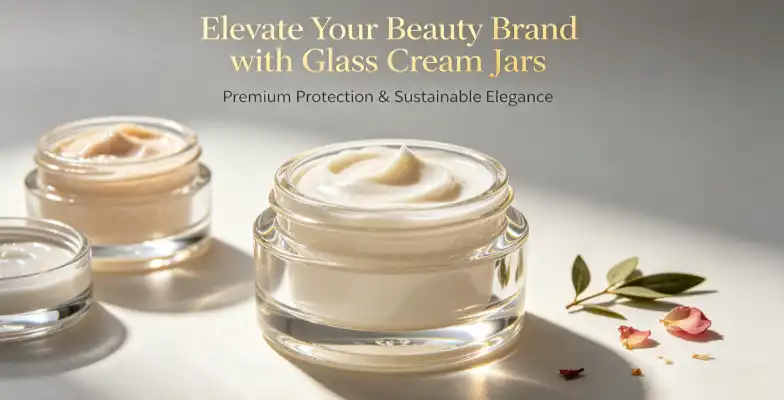
Understanding Glass Cream Jars: Features and Advantages
Chemical Stability and Product Preservation
Glass cream jars are very resistant to chemicals, which keeps sensitive skin care products safe. The non-porous surface keeps ingredients from absorbing germs and getting contaminated, unlike plastic options. Active ingredients like retinol, vitamin C, and plant extracts keep their healing qualities throughout the whole life of the product. This steadiness is especially helpful for organic and preservative-free products that need the container to stay whole. Its hydrolytic resistance class HGB1 scores show that it works better when the pH level and temperature change.
Because quality glass is thermally stable, it can be used for hot-filling processes without changing its shape. Neck finishes that were carefully planned and manufactured ensure airtight seals that keep gas out. These technical requirements are in line with international standards for cosmetic packaging, which gives both makers and consumers peace of mind. Testing regularly shows that these choices have longer shelf lives than polymer-based ones, which cuts down on waste and increases customer value.
Customization Options for Brand Differentiation
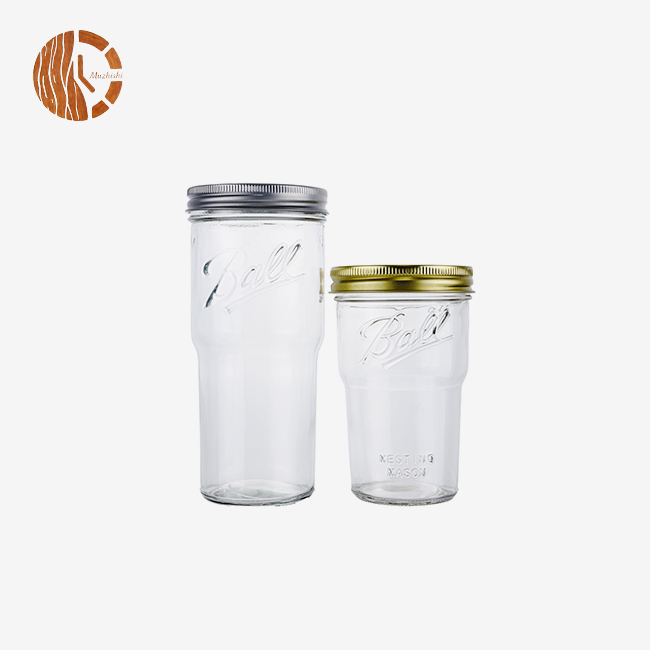
Modern glass packaging can be customized in a lot of ways, which helps brands stand out. Some surface treatments are hot stamping for shiny details, silk screen printing for detailed graphics, and engraving on the inside for long-lasting branding. Muzhishi's Clear Glass Cream Jars With Lids come in 30ml and 50ml sizes, so they can hold a wide range of product amounts while still looking beautiful.
In addition to basic clear, you can choose from amber for UV protection and fully personalized colors that match brand palettes. The cylinder shape looks classic and is very stable, and lids made of different materials go well with general design themes. With these customized options, brands can make their products stand out on store shelves in a way that appeals to their target audience. Account managers work directly with clients to make prototypes and send samples to be tested and improved within 3-5 days.
Environmental Benefits and Recyclability
Glass is much more environmentally friendly than synthetic materials. Because glass is made from sand, soda ash, and limestone, which are all easily accessible, it doesn't use any oil-based materials, which are bad for the earth. Because the material can be recycled over and over again, it supports circular economy models without losing quality. Recovered glass melts at lower temperatures than new glass, which means that about 30% less energy is used during the recycling process.
More and more, consumers want packaging that is good for the environment and shows what the brand stands for. Glass cases show that you care about the world while still doing their job. This benefit meets two needs at once: the need for sustainable options in the market and the need for more stringent rules. Purchasing managers know that buying packaging that can be recycled boosts a company's social duty and appeals to people who care about the environment.
Comparing Glass Cream Jars with Plastic Alternatives
Durability and Safety Considerations
In many ways, the structural stability of glass cream bottles is better than that of plastic. Glass doesn't change size when the temperature changes, so it doesn't warp and make the seal less effective. Controlling the wall width makes the impact resistance better, which protects the goods while they are being handled and moved. Glass doesn't have any phthalates or BPA chemicals that could get into formulations like some plastics do. This means that sensitive skin goods don't have to worry about health issues.
Medical-grade skin treatments gain a lot from the fact that glass packaging doesn't mix with other things. In clinical settings, containers need to be able to survive strict cleaning procedures without breaking down. Glass meets these needs while keeping the purity of the medicinal ingredients. Lab tests show that there isn't much leaching, which is important for keeping the formulation pure for therapeutic success.
Long-Term Value and Brand Perception
When it comes to upfront costs, glass packaging is more expensive than plastic choices. However, a full value review shows that there are strong benefits. Long-term storage cuts down on returns and customer complaints about formulas that have gone bad. The premium look raises the image of the brand and lets price points represent differences in quality.
Studies on how people think about things constantly link glass packaging with wealth and effectiveness. The heavy weight sends a message of value, making opening enjoyable experiences that lead to return purchases. Customers can see right through clear cases and directly judge the texture and quality of the product, which builds trust through visual clarity. These benefits that can't be seen or touched can be measured as market advantages in competitive skin care industries.
How to Maintain and Decorate Glass Cream Jars?
Cleaning and Sterilization Best Practices
Keeping cleanliness standards high during the filling process protects both the quality of the product and the safety of the customer. High-temperature washing or autoclave treatment are common ways to sterilize things. These methods kill microbes without damaging the glass cream jars. Water spots that aren't attractive can be avoided by drying things the right way. Before loading activities start, quality control checks to make sure the area is clean.
Brands that care about the environment are becoming more interested in refillable container solutions. Teaching people how to clean products properly between uses increases the life of products and supports environmental messages. Plastics may cloud or break down over time, but glass can be washed over and over with strong solvents. Customers who care about the environment will like zero-waste business models that are supported by this longevity.
Decoration Techniques for Enhanced Appeal
Modern ways of decorating turn plain containers into branded items. Metallic foils that catch light are used in hot stamping to give products an expensive look on the shelf. Screen printing lets you make pictures with many colors that are perfectly aligned and last a long time. Photographs and color effects can be used with heat transfer methods. Depending on the difficulty of the plan and the number of items being made, each method has its own benefits.
The decorations you choose should fit in with your brand's overall goals and what your target audience expects. Clean beauty brands that stress openness do well with minimalist designs, while luxury brands like more complex ones. As part of Muzhishi's full customization services, they offer complete package solutions with labels, stickers, and display boxes that all match. Every time a customer interacts with a brand, from the first time they see it to the day they use it, strategic decoration supports the brand's personality.
Sustainable Practices and Recycling of Glass Cream Jars
Circular Economy Benefits
Because it can be recycled in a closed loop, the glass cream bottle is a great example of the circular economy. Collection methods get used containers back after they have been sorted, crushed, and melted. It's easy for recycled cullet to be added to new production runs without affecting performance. This process can be repeated forever, which is very different from plastics, which break down after a certain number of recycle rounds.
Post-consumer recycled material is becoming more and more important to manufacturers when making new goods. Xuzhou Muzhishi's smart relationships with local providers improve the flow of materials, which lowers the pollution caused by transportation and helps the economies of the surrounding areas. These benefits in the supply chain lead to cost savings of 10 to 15 percent while also helping to reach sustainability goals. Procurement workers like providers whose business practices show they care about the environment.
Consumer Education and Brand Messaging
Effective communication about sustainability improves the image of a company and keeps customers coming back. Making recycling directions clear on boxes encourages people to throw things away in the right way. Marketing tools that talk about the benefits of glass teach people about the environmental choices that are built into their buying decisions. Audiences that are becoming less trusting believe that which is clear about where materials come from and how they affect the environment over their whole life.
Because of their durability and high quality, glass objects can be used as a way to communicate. Customers often reuse pretty jars for storage or decoration, which keeps the brand visible after the product has been used. This extra use supports good brand associations while cutting down on waste. When designing thoughtful packing, the main purpose as well as possible future uses are taken into account.
Procuring Glass Cream Jars: A Guide for B2B Buyers
Supplier Evaluation Criteria
A careful evaluation of the seller is the first step to successful procurement of the glass cream jar. Manufacturers should show the right certifications, like ISO quality management standards and comply with cosmetic packaging rules. Verification of production capacity makes sure that the volume needs can be met during busy times. Asking for site audits or inspection reports from a third party makes production conditions clear.
Inventory control and cash flow are affected by minimum order quantities (MOQs). With flexible MOQs that combine efficiency with customer needs, Muzhishi can handle different production sizes. Keeping common materials in stock speeds up the process compared to fully unique orders. During initial meetings, account managers make sure that clients have clear standards about lead times, payment terms, and logistics plans.
Customization and Sample Development
Differentiating a product depends on its ability to be customized in a way that fits with the brand's goals. In addition to basic printing, comprehensive services include changing the size of items, making custom covers, and coordinating packing systems. Clear specs keep people from misunderstanding each other, which can cause expensive changes. Technical sketches and samples of materials make it easier for the design purpose and the production reality to match up.
Sample creation is a step of critical review. Getting actual samples within 3-5 days lets you test them out before committing to large-scale production. Testing models with real recipes shows problems with compatibility and finds ways to make things better. Iterative refinement makes sure that finished goods meet both useful and aesthetic standards. This joint method lowers the risks that come with releasing new packaging.
Logistics and Quality Assurance
Damage can't happen during shipping if the items are in protective packaging. This is especially important for fragile glass items. When it comes to shipping, suppliers should use the right padding materials and box sizes. For international transfers, you need to know how to fill out customs forms and follow rules. Muzhishi's self-operated import and export features make these processes easier and offer full help from production to delivery.
Quality assurance includes more than just manufacturing. It also includes methods for accepting inspections. Buyers should check the uniformity of wall thickness, closing alignment, and painting accuracy when the item is delivered. Setting clear acceptance standards and defect thresholds guards against quality problems that slow down production. After-sales support with reaction times of less than 24 hours takes care of problems quickly, which helps keep good relationships with suppliers.
Conclusion
Glass cream jars are the best way to package skin care products because they are useful, look good, and are eco-friendly. Their chemical stability keeps the purity of the recipe while promoting a high-end brand. Glass is more durable, safer, and better for the earth than plastic alternatives, so the original investment is worth it. Customization lets brands show themselves in unique ways across a wide range of market groups. Recycling methods that are good for the environment and people's morals are in line with the circular economy. To make a good purchase, you need to carefully evaluate suppliers, put a focus on their ability to customize, and pay close attention to business details. When brands spend money on good glass packing, they stand out in crowded shops and show they care about the environment at the same time.
FAQ
What makes glass better than plastic for skincare packaging?
The glass cream jar doesn't react with chemicals, so ingredients don't mix or get contaminated. Compounds like phthalates can leak out of plastic cases and change the purity of the recipe, especially for acidic or oil-based goods. Glass keeps its shape when temperatures change, and it protects better from UV rays when amber levels change. Because the material is impermeable, air can't get in and break down the active ingredients. Glass is better than plastic options because it looks better and can be recycled without harming the environment.
How do I pick the right size glass container?
The type of product, how often it will be used, and the tastes of the target market all affect the choice of container. Eye creams and other specialty treatments usually come in 30ml amounts, which are the right size for applying to sensitive areas. Face moisturizers and body creams usually need 50ml sizes that are a good mix between usage and shelf life. Researching consumers and looking at the competition help people decide on the best size. Before committing to large-scale production, functional testing with real formulas is done on samples.
Can glass jars accommodate custom branding elements?
Hot stamping, screen printing, engraving on the inside, and heat transfer decoration are all types of full customization. Brand names are unique when logos, custom colors, and special finishes are used. Labels that match, presentation boxes, and protective wrapping are all part of full package options. Technical skills allow for a wide range of design difficulties, from simple looks to complicated images. Dedicated account managers guide the development of specifications, making sure that they can be manufactured while still achieving creative goals.
Partner with Muzhishi for Premium Glass Cream Jar Solutions
Xuzhou Muzhishi Crafts Co., Ltd. brings 20 years of specialized expertise to cosmetic packaging manufacturing. Our Clear Glass Cream Jars With Lids deliver the chemical stability, aesthetic appeal, and customization options your skincare brand demands. We maintain strict quality standards through controlled production processes and comprehensive testing protocols. Strategic supply chain partnerships reduce costs by 10-15% while maintaining material availability for faster delivery schedules. Dedicated account managers provide personalized support from design consultation through after-sales service. Contact our team at long@muzhishi.com to discuss your project requirements. As a trusted glass cream jar supplier, we deliver samples within 3-5 days and offer flexible customization for emerging and established brands.
References
1. Journal of Cosmetic Science, "Chemical Compatibility of Packaging Materials with Skincare Formulations," Vol. 68, 2017, pp. 243-256.
2. Smith, Jennifer L., Sustainable Packaging Design for the Beauty Industry, Green Publishing House, 2019.
3. International Journal of Cosmetic Science, "Impact of Container Material on Product Stability and Consumer Perception," Vol. 41, 2019, pp. 127-138.
4. Thompson, Robert and Chen, Li, Glass Manufacturing and Recycling Technologies, Materials Science Press, 2020.
5. Packaging Technology and Science, "Comparative Analysis of Glass versus Plastic Containers for Cosmetic Applications," Vol. 33, 2020, pp. 89-104.
6. Martinez, Sofia, Premium Packaging Strategies in the Global Cosmetics Market, Brand Innovation Institute, 2021.
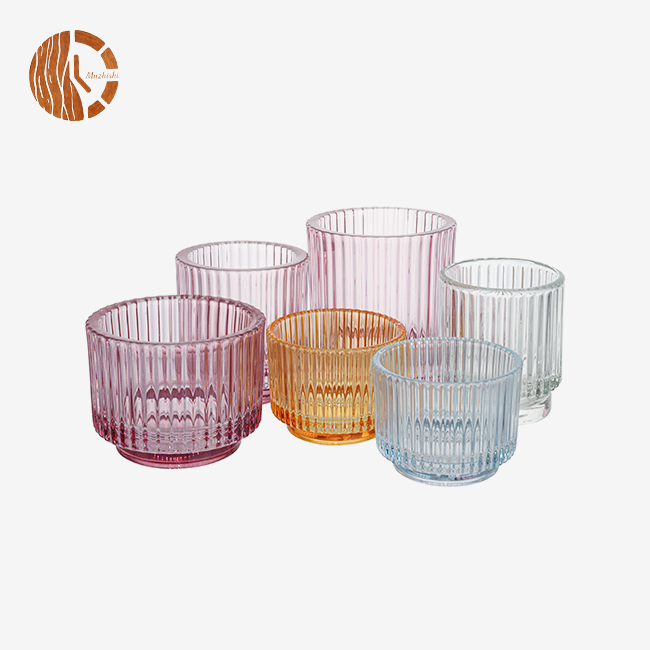
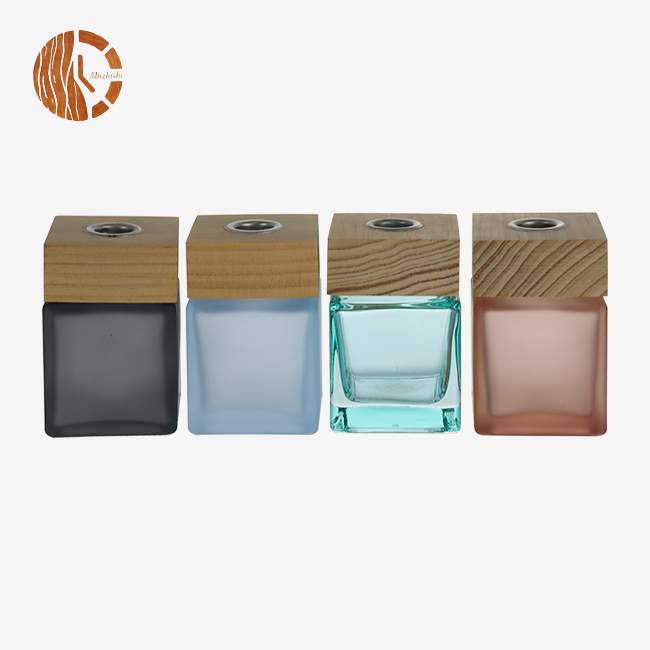
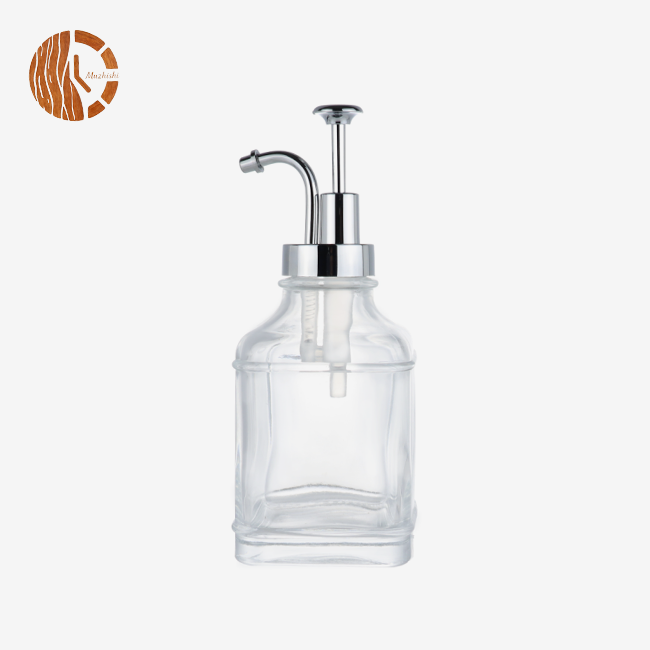

Our customers’ satisfaction speaks for our quality — contact us to experience the same reliable service.