- English
- French
- German
- Portuguese
- Spanish
- Russian
- Japanese
- Korean
- Arabic
- Greek
- German
- Turkish
- Italian
- Danish
- Romanian
- Indonesian
- Czech
- Afrikaans
- Swedish
- Polish
- Basque
- Catalan
- Esperanto
- Hindi
- Lao
- Albanian
- Amharic
- Armenian
- Azerbaijani
- Belarusian
- Bengali
- Bosnian
- Bulgarian
- Cebuano
- Chichewa
- Corsican
- Croatian
- Dutch
- Estonian
- Filipino
- Finnish
- Frisian
- Galician
- Georgian
- Gujarati
- Haitian
- Hausa
- Hawaiian
- Hebrew
- Hmong
- Hungarian
- Icelandic
- Igbo
- Javanese
- Kannada
- Kazakh
- Khmer
- Kurdish
- Kyrgyz
- Latin
- Latvian
- Lithuanian
- Luxembou..
- Macedonian
- Malagasy
- Malay
- Malayalam
- Maltese
- Maori
- Marathi
- Mongolian
- Burmese
- Nepali
- Norwegian
- Pashto
- Persian
- Punjabi
- Serbian
- Sesotho
- Sinhala
- Slovak
- Slovenian
- Somali
- Samoan
- Scots Gaelic
- Shona
- Sindhi
- Sundanese
- Swahili
- Tajik
- Tamil
- Telugu
- Thai
- Ukrainian
- Urdu
- Uzbek
- Vietnamese
- Welsh
- Xhosa
- Yiddish
- Yoruba
- Zulu
What Makes Roller Bottles Ideal for Essential Oils?
Essential Oil Glass Roller Bottles have changed the way people and companies use massage and skin care products. The glass in these special cases is combined with precise roller ball mechanisms to make an ideal delivery system that keeps the oil's integrity while allowing controlled, mess-free pouring. The protected area keeps oxidation and pollution from happening, and the rolling application method makes sure that the right amount is used and that the right areas are treated. To make your product successful in a competitive market, you need to know what makes these bottles different, whether you're looking for small wellness brands or bulk sales methods.
Understanding Essential Oil Glass Roller Bottles
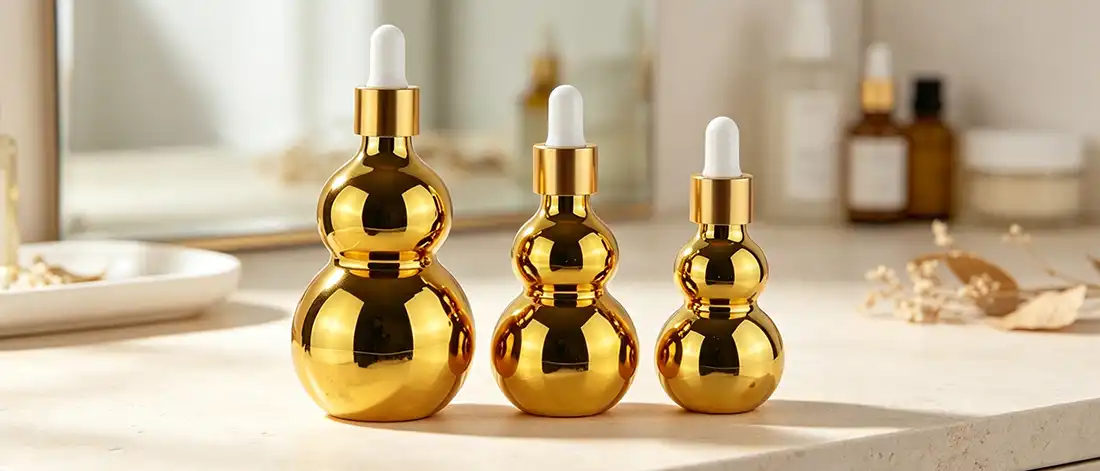
The way roller bottles are put together shows why they're the standard way to package essential oils. The glass vessel, the roller ball assembly, and the safe closing system are the three most important parts of each container that all work together. The glass body usually holds between 5ml and 50ml, but we also have unique choices, like our Gourd Shaped Clear Essential Oil Glass Roller Bottles, that can hold 50ml for recipes that will be used for a long time.
Construction and Design Elements
Because it doesn't combine with anything else, glass is used as the base element. Glass is completely neutral, while plastic containers can react chemically with the terpenes and aldehydes in essential oils. This keeps the scent profile from changing and makes sure that the therapeutic chemicals stay stable over time. Borosilicate glass, which is used in high-end models, can handle heat stress during filling and changes in temperature during shipping.
The system that moves the spinning balls is what makes these containers work. Glass, stainless steel (304 or 316 grade), and high-density plastics are some of the materials that balls are made of. Stainless steel balls are great for thicker carrier oil mixes that contain castor or blended coconut oil because they have a smooth glide and last longer. There is no chance of metal ions escaping with glass balls, so they are better for high-acid citrus blends with lemon or grapefruit essential oils.
Practical Usage and Storage Methods
The right way to fill a product makes it last longer and stops it from breaking down too quickly. The inner diameter of the bottle neck must exactly match the inner diameter of the fitment housing. In large sales, leaks are most often caused by tolerance mismatches. To avoid expensive quality problems when buying from suppliers, make sure you ask for detailed models that show how the product will fit on the glass.
The way oil is stored has a direct effect on how long it lasts. Clear glass patterns show off the beauty of the product beautifully, but they don't block UV light. These work best for items that are eaten quickly or kept in extra packaging, like branded boxes. Alternatives to amber glass protect against light, which extends shelf life in stores that keep items on show for long periods of time.
Key Features that Make Roller Bottles Ideal for Essential Oils
The success of essential oil packaging depends on the choice of material. When you look at chemical resistance, ecology, and user experience factors that affect buying choices, it's clear that glass is better than plastic options.
Superior Material Composition and Durability
When strong essential oils are used as natural solvents, they don't break down glass. Terpenes like limonene can cause low-quality plastics to crack under external stress. This can cause housings to break and leak while they are being used. For roller housings that don't break down when exposed to oil all the time, good providers use High-Density Polyethylene (HDPE) or certain types of Polypropylene (PP).
The hydrolytic strength of quality glass in essential oil glass roller bottles makes sure that the dimensions stay the same even when formulas contain water. This stops the tiny cracks that weaken containers while they're being shipped or stored in a building. As part of our manufacturing process, polariscope checks find leftover thermal stress in glass. This helps us find bottles that haven't been properly annealed and are likely to break on their own.
Advanced Sealing and Leak-Proof Technologies
Vacuum leak testing is the best way to make sure that roller bottles are of high quality. Units that have been put together are tested in a room at -0.06MPa to -0.08MPa for 5 to 10 minutes, which simulates changes in air transport pressure. This strict procedure makes sure that there is no leakage during foreign shipping or retail sites at high elevations.
It takes a lot of technical skill to make the interference fit between the roller body and the bottle neck. Measurements of insertion force make sure that housings fit securely enough so that they don't pop out during use and are still compatible with automatic capping machines. Testing with an extraction force shows that the unit can handle normal handling loads without coming apart.
Customization Flexibility for Brand Differentiation
The ability to change sizes lets formulations be improved based on where the product is positioned. 5ml and 10ml travel sizes are good for pulse-point uses and store sampler programs. Mid-range 15ml bottles are easy to carry and seem like good value. Therapeutic massage oils and high-frequency health routines can be used with bigger 50 ml sizes, like our Gourd-Shaped design.
Customising the way useful packaging looks can turn it into powerful branding tools. You can choose from hot pressing, screen printing, lettering on the inside, and clear finish options. Cap colours like gold, silver, white, and black help make sure that the brand's personality is carried out consistently across all product lines. Custom label and sticker uses let you personalize smaller production runs without spending a lot of money, while direct printing is best for large orders that need to last as long as possible.
Cleaning, Maintenance, and Safety Tips for Essential Oil Roller Bottles
Keeping containers clean stops cross-contamination and protects the quality of the product. This is especially important for companies that offer refill services or for customers who are moving between oil blends. Following the right steps will make bottles last longer and protect the brand's image.
Effective Cleaning Procedures
Taking apart the roller hub and cap parts is the first step in a thorough rinse. Using warm water and light dish soap that doesn't have any scents will get rid of oil residues without leaving behind any chemical signs. Avoiding harsh chemicals keeps the seal intact and stops the plastic case from breaking down.
Isopropyl alcohol (70% strength) cleans bottles even more when they are switching from one type of oil to another. This step is especially important when going from strong scents that last a long time, like cinnamon or cedar, to light floral notes. Complete air-drying stops wetness from building up, which could affect later runs of oil. When clean towels are dried upside down, they drain better, and less dust gets exposed.
Safety Precautions and Proper Handling
Essential oils are made up of concentrated plant chemicals that can make people allergic or sensitive to them. End users are protected when new formulas are tested on small patches of skin before they are used all over. Giving clear directions on how to use goods lowers the risk of liability and raises customer satisfaction.
Roller ball application of essential oil glass roller Bottles stops spills and limits dose, but it's still important to store things correctly. When bottles are not in use, keeping them straight stops fitment stress and possible leaks. Keeping products out of direct sunlight and heat sources helps them keep their healing qualities and last longer.
DIY Blend Guidelines for Product Development
To make custom mixtures, you need to know how to dilute essential oils. For safe external use, essential oils should usually be mixed with carrier oils at a strength of 2% to 3%. About 10 to 15 drops of essential oil should be mixed with 50 milliliters of a carrier oil like jojoba, sweet almond, or MCT oil.
By layering scent traits, you can make more complicated smell experiences. Base notes (like cedarwood and vetiver) last a long time, middle notes (like lavender and geranium) make up the heart, and top notes (like citrus and peppermint) make an instant impression. When successful blends move from test runs to commercial production, they can be easily copied and scaled up if the formulations are written down.
Comparing Roller Bottle Options to Make Informed Procurement Decisions
Looking at different types of roller bottles helps procurement teams make sure that the package they choose fits with how the product is positioned, the people they want to sell it to, and their business needs. Strategic selection strikes a mix between quality, looks, and cost-effectiveness.
Material and Ball Type Considerations
Glass bottles are more chemically stable than plastic ones, which is why they cost more because they are seen as more expensive. The weight of the material gives off an air of quality that plastic can't match, which helps with luxury branding strategies. Environmental sustainability is becoming more and more important in buying choices. Glass's endless recyclability appeals to eco-conscious customers, which is driving market growth.
Roller balls made of stainless steel make things last longer and improve the user experience by distributing products smoothly and consistently. People who want medicinal benefits beyond aromatherapy like the cooling feeling metal gives them. Plastic balls lower the cost of production, but they may show wear patterns after a while, which could affect how people feel about a brand when they want to buy it again.
Aesthetic Options and Brand Positioning
Clear glass shows off the openness of a product, showing customers that it is pure and of high quality. This choice works great for mixtures that have plant ingredients that can be seen, like gold flakes or floating dried flower petals in carrier oils. The openness supports real stories, which are becoming more and more important to people who buy health products.
The stylish look of frosted glass products is enhanced by their ability to partially block light. This answer is a good compromise for brands that want to look good while also caring about the environment. Amber glass blocks the most UV rays, so it's the best choice for light-sensitive products that will be on show for a long time or in full sunlight.
Bulk Purchasing and Travel-Sized Options
When buying glass boxes, promises to buy in bulk have a big effect on unit costs. When you place a bulk order of 5,000 to 10,000 units, you can get better prices that help your profit margins. Breakage limits for professionals who use wall dividers and shrink-wrapped pallets are usually less than 2%.
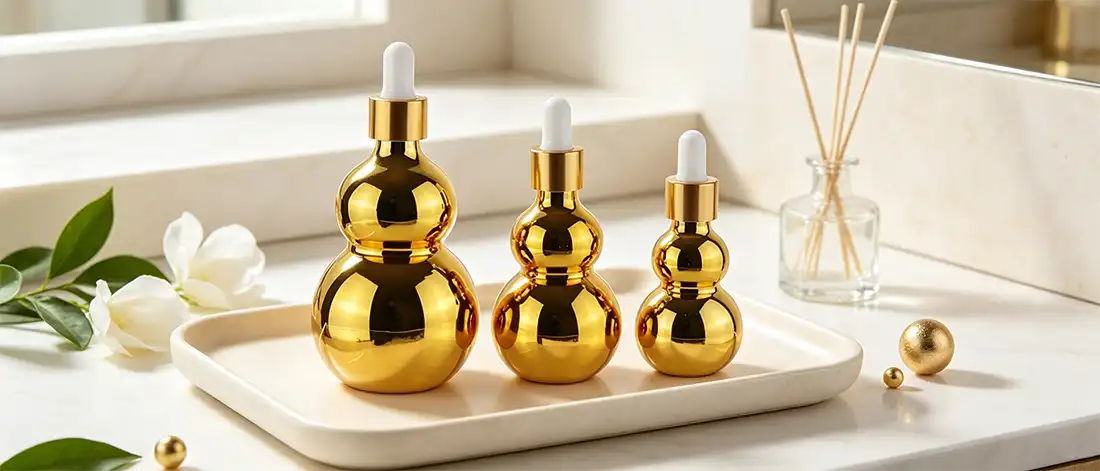
Travel-sized bottles meet the growing need for health products that can be taken with you. TSA-compliant quantities are good for people who travel a lot, and sampler sizes are good for store trial programs. The practical shape of our gourd-shaped design keeps it from rolling around on flat surfaces. This stops the annoying rolling of round bottles on hotel nightstands or aeroplane tray tables.
Strategic Procurement: Buying and Customizing Essential Oil Glass Roller Bottles
Product quality, shipping dependability, and long-term business success of Essential Oil Glass Roller Bottles are all affected by how well sourcing relationships work. Finding sellers with a wide range of skills makes processes run more smoothly and improves your company's competitive position.
Selecting Reliable Manufacturing Partners
The first step in evaluating a supplier is to check their production ability. Established companies like Xuzhou Muzhishi Crafts Co., Ltd. have been making glass products for 20 years, so they can guarantee the same high quality for big orders. Self-operated import/export rights get rid of the hassles of middlemen, making foreign buying easier.
The ability to provide technical paperwork shows how sophisticated the seller is. Manufacturers who give thorough specs like neck finish measurements, wall thickness limits, and annealing processes show that they care about quality. Samples let you try something out before committing to a large order, and reputable suppliers give samples away for free to approved buyers.
Customization Capabilities and Branding Integration
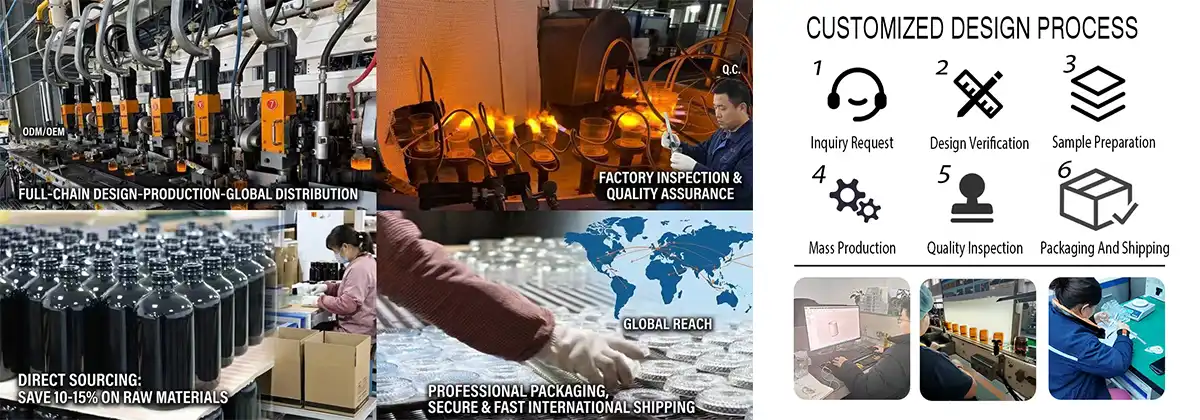
With OEM/ODM services, plain packages can be turned into unique company assets. Full-process customization includes design help, testing (which usually takes three to five days), production, and coordinating the packing. Personalized needs for branding, colors, and special finishes are taken care of throughout production processes by dedicated account management.
The choice of printing technology affects how long something lasts and how nice it looks. For large runs, screen printing is a great way to get vivid colors that stick well. Hot pressing creates high-end metallic finishes that project a sense of wealth. Engraving on the inside makes a lasting mark that won't wear off from handling and cleaning.
Quality Verification and Compliance Standards
Verification of certification keeps buying teams safe from legal risks. RoHS approval proves that manufacturing methods don't use heavy metals, and FDA GRAS guidelines prove that material compositions are safe for food. For beneficial product uses, USP pharmaceutical-grade glass has to meet strict quality standards.
Fitment insertion/extraction force testing, ball rotation glide verification, and vacuum leak testing should all be part of quality control methods. These tests should be done on statistically valid sample numbers. AQL (Acceptable Quality Limit) standards usually aim for 2.5 for big flaws and don't allow any leakage fails. These thorough checks keep consumers from getting faulty products, which could lead to expensive refunds and damage to the brand.
Conclusion
When choosing the right roller bottles, you have to think about technical specs, how they look, and how to get them. Chemical stability and environmental standards are becoming more and more important to customers who care about these things. In competitive markets, the ability to customise helps brands stand out, and quality assurance procedures protect image and reduce risk. Strategic relationships with experienced makers make it easier to find suppliers, cut costs by optimising the supply chain, and respond quickly to changes in the market. The Gourd-Shaped Clear Essential Oil Glass Roller Bottles are a great example of how thoughtful design can combine usefulness with unique visual appeal to make package solutions that improve both how people see the product and how they use it.
FAQ
What bottle size works best for skincare applications?
For face serums and focused treatments, 10ml bottles work best, while 15ml bottles are better for body application products. The 50 ml Gourd-Shaped version is for massage therapists and high-frequency health exercises that need more of it.
Are roller bottles safe for all essential oil types?
Almost all essential oils can be put in glass bottles that are fitted with the right materials. Glass roller balls or 316-grade stainless steel are best for high-acid citrus oils because they don't rust. HDPE or certain types of PP that are resistant to terpene solvents must be used for building products.
How do you ensure leak-proof performance during shipping?
Professional suppliers test in vacuum chambers with negative pressure that mimic changes in altitude that happen during air travel. Leaks can be stopped by using wall dividers and good-fitting engineering when packing. Less risk is involved when test results and tolerance requirements are asked for before large orders are made.
Can essential oils be kept safe in clear glass bottles?
Clear glass is good for things that are eaten quickly or kept in extra packaging. Amber glass blocks UV rays, which is good for light-sensitive formulas. Material choice should be based on how the product will be stored and how long it is expected to last.
What customization options support brand differentiation?
Cap colours (gold, silver, white, and black), printing methods (screen printing, hot pressing, and cutting), bottle finishes (clear, frosted), and unique shapes like gourd designs can all be fully customised. Any budget can use labels, stickers, and personalised packing boxes to add to their branding options.
Partner with Muzhishi for Premium Essential Oil Glass Roller Bottles
Xuzhou Muzhishi Crafts Co., Ltd. offers complete packing options and has been making glass products for twenty years. Our all-in-one service plan includes design help, fast prototyping, mass production, and managing supplies around the world. As a reputable company that sells essential oil glass roller bottles, we work together with local suppliers of raw materials to keep costs down by 10 to 15 percent while maintaining high quality throughout all production runs. Our self-service customs processing and preparation of compliant paperwork make foreign shipping to more than 30 countries easier. Email our team at long@muzhishi.com to get free samples, prices that are specific to your needs, and technical specs that are made to fit your product line. At mzsglass.com, you can see our whole selection.
References
1. National Association for Holistic Aromatherapy. (2021). Essential Oil Safety and Dilution Guidelines for Topical Application. NAHA Education Standards.
2. Journal of Essential Oil Research. (2020). Chemical Stability of Citrus Essential Oils in Various Container Materials: A Comparative Study. Vol. 32, Issue 4.
3. Packaging Technology and Science. (2019). Leak Prevention in Roll-On Dispensing Systems: Engineering Tolerances and Quality Control Protocols. Vol. 32, Issue 6.
4. International Journal of Cosmetic Science. (2021). Consumer Perception of Glass versus Plastic Packaging in Premium Skincare Products. Vol. 43, Issue 2.
5. Glass Packaging Institute. (2022). Sustainability and Recyclability Standards for Cosmetic Glass Containers. Technical Report Series.
6. American Society for Testing and Materials. (2020). ASTM F2095-Standard Test Method for Pressure Decay Leak Test for Flexible Packages with and without Restraining Plates. ASTM International Standards.

Our customers’ satisfaction speaks for our quality — contact us to experience the same reliable service.