- English
- French
- German
- Portuguese
- Spanish
- Russian
- Japanese
- Korean
- Arabic
- Greek
- German
- Turkish
- Italian
- Danish
- Romanian
- Indonesian
- Czech
- Afrikaans
- Swedish
- Polish
- Basque
- Catalan
- Esperanto
- Hindi
- Lao
- Albanian
- Amharic
- Armenian
- Azerbaijani
- Belarusian
- Bengali
- Bosnian
- Bulgarian
- Cebuano
- Chichewa
- Corsican
- Croatian
- Dutch
- Estonian
- Filipino
- Finnish
- Frisian
- Galician
- Georgian
- Gujarati
- Haitian
- Hausa
- Hawaiian
- Hebrew
- Hmong
- Hungarian
- Icelandic
- Igbo
- Javanese
- Kannada
- Kazakh
- Khmer
- Kurdish
- Kyrgyz
- Latin
- Latvian
- Lithuanian
- Luxembou..
- Macedonian
- Malagasy
- Malay
- Malayalam
- Maltese
- Maori
- Marathi
- Mongolian
- Burmese
- Nepali
- Norwegian
- Pashto
- Persian
- Punjabi
- Serbian
- Sesotho
- Sinhala
- Slovak
- Slovenian
- Somali
- Samoan
- Scots Gaelic
- Shona
- Sindhi
- Sundanese
- Swahili
- Tajik
- Tamil
- Telugu
- Thai
- Ukrainian
- Urdu
- Uzbek
- Vietnamese
- Welsh
- Xhosa
- Yiddish
- Yoruba
- Zulu
Where to Buy Soap Dispensers: Finding a Reliable Supplier
Finding the right place to purchase high-quality soap dispensers hinges on identifying suppliers who balance production expertise with responsive service. Whether you operate a boutique hotel, manage procurement for a retail chain, or serve as an importer, sourcing reliable glass soap dispensers requires careful evaluation of manufacturing capabilities, customization flexibility, and supply chain stability. We'll guide you through proven channels and evaluation criteria to streamline your search and secure partnerships that enhance your product lineup while maintaining cost efficiency and quality standards.
Understanding the Importance of Choosing the Right Soap Dispenser Supplier
Finding a reliable supplier does more than just help you keep your inventory safe; it affects how your whole business runs. In business-to-business purchasing, the dependability of your suppliers directly affects whether your shelves stay filled during busy times or whether the bathrooms in your hotel baths keep their fancy look without any problems.
Supply Chain Stability and Product Quality
A reliable manufacturing partner will make sure that delivery times are always the same and match your inventory cycles. When I worked with category managers at retail chains, they always told me that one shipment that is late can cause a lot of lost sales and unhappy customers. Quality providers have strict testing procedures that make sure every glass dispenser meets the standards for sturdiness and functionality. This regularity will help you build a better image with your customers and cut down on returns and waste.
Compliance and Certification Standards
Different markets have different rules about glassware and bathroom accessories, especially when it comes to lead levels and food-safe certificates. Reliable suppliers give you paperwork, like RoHS compliance, REACH certifications, and material safety data sheets, that keeps your company safe from fines and legal problems. When it comes to healthcare facilities or LEED-certified business buildings where strict material standards must be met, these qualifications really matter.
Brand Reputation and Customer Satisfaction
The performance of your supplier becomes an important part of your brand's identity. When wedding event planners buy custom amber glass pitchers, they expect the designs to be carried out perfectly and the items to be delivered on time. Problems with service or quality make your business look bad, no matter where the fault came from. Building long-term relationships with suppliers based on openness and responsibility can help you protect your marketplace and your customers' trust.
Types of Soap Dispensers and Their Procurement Considerations
Knowing the differences between products helps you make better buying decisions that meet the needs of your target market. The landscape of soap dispensers is full of different choices, each of which serves a different functional and esthetic purpose.
Manual Versus Automatic Dispensers
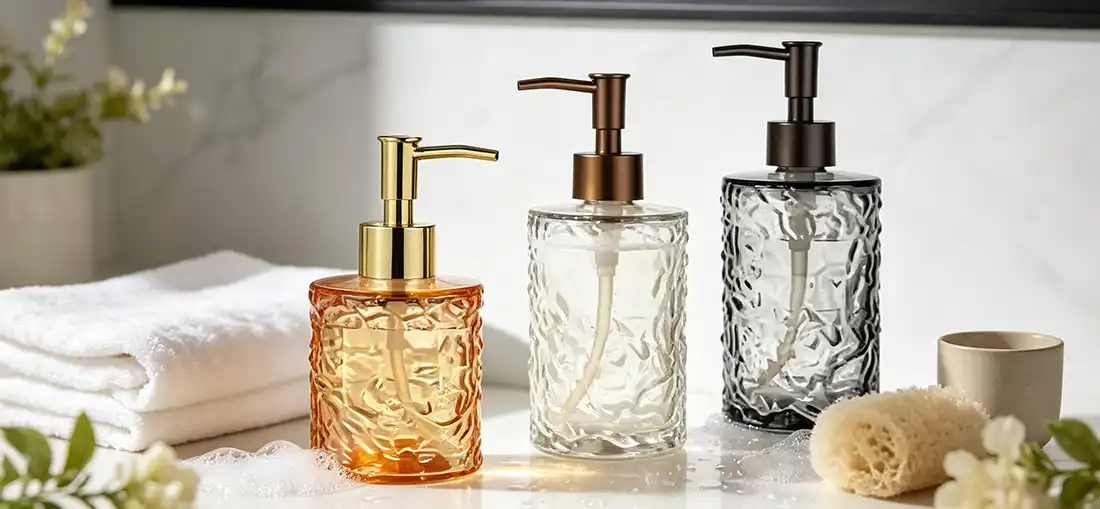
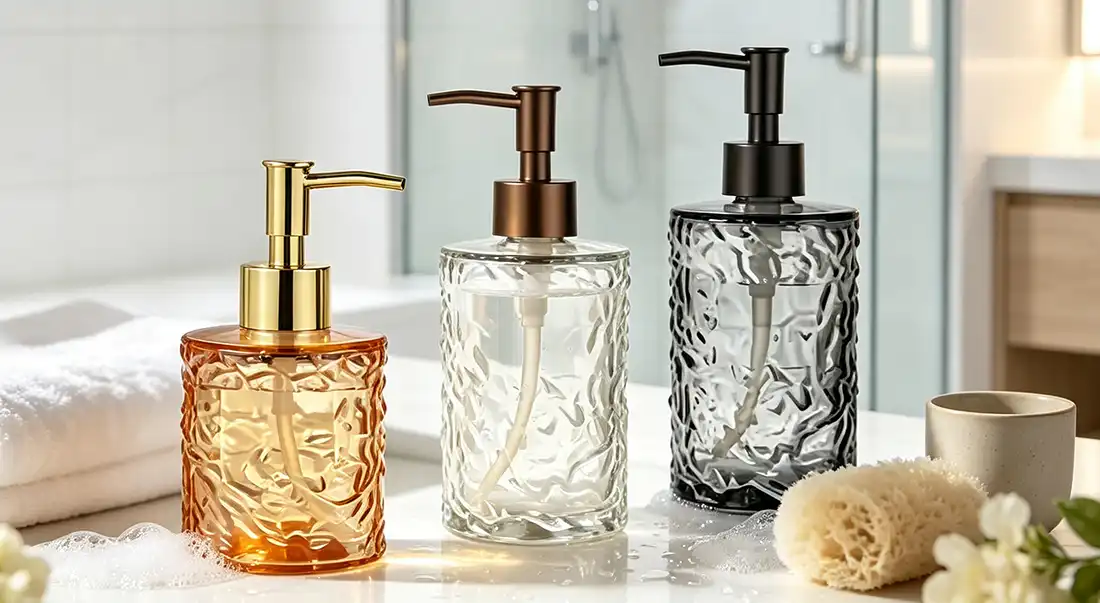
Manual pump devices are still popular in homes and hotels because they are easy to use and look nice. The 350ml glass hand soap dispenser with pump is a great example of this type of product because it feels great in your hand and is made of glass, not plastic. These units work well in the bathrooms of high-end hotel guests, where style and environmental friendliness are important to the brand. On the other hand, automatic touchless models are most common in public bathrooms and healthcare facilities with a lot of foot traffic, where cleanliness rules require little to no surface contact. When making a purchase decision, you should think about how hard it will be to maintain, how much power it will need, and the end user's environment.
Material Options and Durability
Soap dispensers made of glass last longer than those made of plastic, especially those made from borosilicate or soda-lime glass. Amber glass hand soap dispensers solve a major problem with preservation by stopping UV wavelengths below 450nm. This keeps natural surfactants and essential oils in plant soap formulas from breaking down due to light. When your clients sell organic or high-end personal care items that cost more, this technical benefit is important. Clear glass hand soap dispensers make it easy to keep track of goods and keep the soap's inert, non-leaching qualities, which make it last longer than soap in regular plastic dispensers.
Specialized Features and Customization
High-viscosity liquids, like thick Castile soaps, can be pumped with adjustable pump mechanisms that offer useful customization options. Professional-grade dispensers have internal valves with a high output (usually 2.0 ml per pump) that are meant to keep them from getting clogged. The 500ml glass hand soap dispenser with pump works well for zero-waste retail refill stations because it holds more soap, so it doesn't need to be refilled as often, and the glass body is strong enough to be cleaned many times between different liquids. OEM buyers should look for suppliers that offer a range of branding options, such as etched logos and custom color tinting, so that their products can stand out in crowded markets.
How to Evaluate and Select Soap Dispenser Suppliers?
Careful screening of suppliers is what separates successful procurement partnerships from mistakes that cost a lot of money. A structured review system helps you be neutral when judging skills.
Production Capacity and Scalability
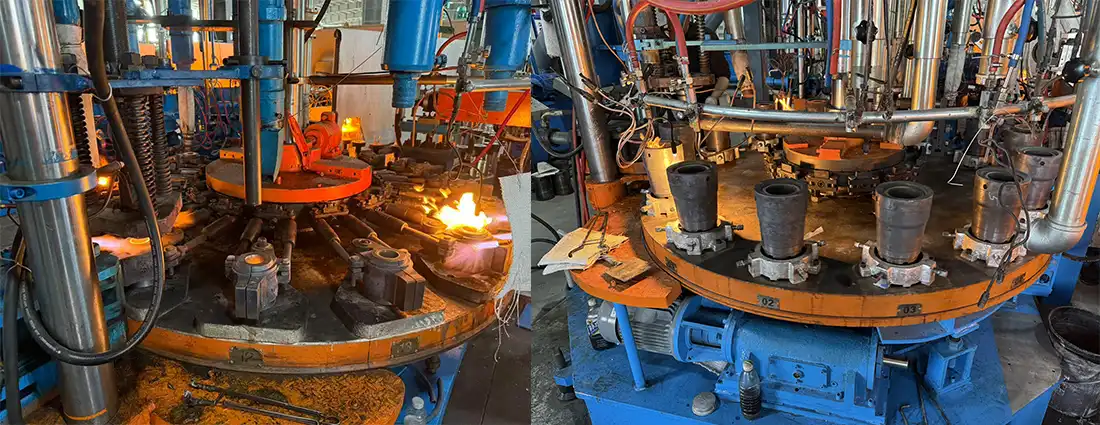
Check with possible suppliers to see if they can meet your present and future volume needs. If your provider can only handle small batches of production, they might not be able to handle the extra orders that come in during the holidays. When you audit a supplier, I suggest that you look at the relationships they have with local suppliers of raw materials. Manufacturers that have long-term partnerships with local suppliers of glass sheets usually get better prices and shorter lead times. This supply chain benefit is shown by the glass production cluster in Xuzhou, where many producers have direct ties with material companies. This often lowers the cost of raw materials by 10 to 15 percent.
Quality Assurance and Testing Protocols
Ask for more details about how quality control works. Reliable providers do multiple stages of checks, such as checking the annealing of the glass and stress testing the pump device. Find out how many defects they have and how you can return items. Suppliers who offer tempered or specialized annealing processes follow safety rules that are necessary for business installations. Material certificates that say your glass melts don't contain any heavy metals protect you from liability, especially if you're selling goods for food service or children's facilities.
Pricing Models and Total Cost Analysis
Unit price doesn't tell the whole story when it comes to money. Look at the total arrived costs, which include shipping, customs fees, and any costs that might come up because of poor quality. Tiered pricing is often possible with bulk buy deals, but your inventory turnover rate needs to be in line with your minimum order amounts so that your cash flow doesn't get strained. Transparent suppliers give detailed quotes that break down the costs of materials, labor, custom design tools, and packaging. This lets retailers figure out their margins accurately and set competitive prices.
Certifications and Sustainability Commitments
In addition to following the rules, green standards are becoming more and more important in buying decisions, especially for hotel and business buyers who want to help the environment. Green building certifications and corporate social responsibility requirements are met by suppliers who show programs to reduce waste, packaging that can be recycled, and production methods that use less energy. These things help you stand out in the market when you're trying to attract eco-friendly customers.
Where to Buy Soap Dispensers: Trusted Channels and Marketplaces
When you strategically use sourcing channels for soap dispenser, you can balance saving money on costs with improving service quality and transaction security.
Direct Manufacturer Relationships
When you buy directly from manufacturers, you avoid the markups that come from middlemen. This means that you get the best prices for large orders. This method works well for importers and store groups that already have established transportation and quality control teams. With the ability to import and export goods on their own and full documentation support, manufacturers like Muzhishi make it easier to do business across borders by taking care of customs reports, inspection coordination, and compliance paperwork. Direct relationships also make it easier to work together on more customized projects, from coming up with the first design ideas to testing prototypes, which responsive suppliers can usually finish in three to five days.
Distributors and Wholesalers
Buyers who need smaller amounts or a wider range of products can benefit from the services these middlemen provide. Distributors keep stock close to home, which cuts down on delivery times and lets customers reorder without having to meet large minimum order quantities. This channel is great for event planners who need a wide range of themed decorations or for hospitality groups who need to set up different properties with different design themes. There are some downsides, like higher unit costs and less customization options compared to manufacturer-direct arrangements.
OEM Partnerships and Private Labeling
Through exclusive designs and unique formulations, original equipment manufacturer partnerships help brands stand out. ODM suppliers handle the whole development process, from concept ideas to production-ready tools. This makes them perfect for gift companies putting out seasonal collections or stores making their own brand product lines. For OEM partnerships to work, suppliers need to have specialized account managers who can make sure that your specifications are followed when making final goods and that your intellectual property rights are protected.
B2B Online Marketplaces
Platforms that focus on bulk orders offer tools for finding suppliers, security for transactions, and coordination of logistics. These marketplaces bring together verified manufacturers, so you can compare prices from different sellers. Use features that check suppliers' business licenses, production certifications, and transaction histories. Secure payment escrow services lower the risk of scams during the provider trials that come first. But platform fees and communication problems can make it harder to handle complicated customization projects that would be easier to do by working directly with the maker.
Optimizing Your Procurement Process for Soap Dispensers
Systematic purchasing practices that cut down on cycle times while keeping an eye on quality lead to efficiency gains.
Effective Supplier Communication
Requests for Quotations (RFQs) that are very detailed keep soap dispenser projects from getting derailed by misunderstandings. List the materials that must be used, the allowed variations in size, the specs for the pump mechanism, the required packaging, and the shipping dates. When you ask for unique designs, include reference pictures and technical plans. Clear communication sets reasonable goals and lets you figure out the costs correctly. Respondent suppliers who assign dedicated account managers make it easier for people to work together, especially when dealing with language barriers or time zone issues in international transactions.
Sample Evaluation and Testing
Never commit to full production until you've carefully looked over samples. Check the thickness of the glass, how well the pump works after being used many times, and whether the finish meets the standards of your brand. Test dispensers with your real soap recipes—changes in thickness can affect how well the pump works, and some ingredients may react strangely with metal parts. Suppliers who are sure of their products' quality accept strict testing and use feedback to make changes to their production.
Contract Terms and Risk Mitigation
Protect your interests by making agreements that are very clear about things like quality standards, late payment penalties, payment terms, and how to settle disagreements. Set out who has the right to check and how problems will be fixed. When you share your own ideas, make sure there are protections for intellectual property. Well-structured contracts set up systems for responsibility that improve seller performance and give buyers a way to get their money back if problems arise.
Logistics and Inventory Management
Plan your deliveries around your warehouse's space and your sales projections to get the most out of your cash flow. Suppliers who have done business with other countries before can handle shipping paperwork like commercial invoices, packing lists, and certificates of origin, which makes sure that customs clearance goes smoothly. Setting up safety stock levels protects against disruptions in supply and keeps costs down by avoiding carrying too much inventory. Regularly talking about production schedules lets people make changes before they're needed when demand changes.
Long-Term Relationship Building
Strategic partnerships produce benefits for ongoing growth that go beyond simple transactions. Set up regular performance reviews that look at quality measures, how reliable delivery is, and how response is. Share comments from the market to help suppliers make goods that meet changing customer tastes. Suppliers who care about your success will often give you early access to new designs or materials and prioritize your orders when they can't meet demand. This approach of working together creates advantages over competitors that are hard for them to copy.
Conclusion
Finding the right source for soap dispensers requires balancing a number of factors, such as the seller's ability to produce, guaranty quality, allow customization, and be reliable in the supply chain. Whether you want the UV protection of amber glass dispensers to keep natural soaps fresh, the larger capacity of 500ml units for refill stations, or the clear glass models' attractiveness, the supplier you choose affects how well the product works and how happy your customers are. Your business is set up for long-term success in competitive markets if you use strict evaluation methods, choose channels strategically, and make sure your purchasing practices are at their best. Building partnerships with manufacturers that show technical know-how, good communication, and a history of dependability is the key to long-term growth and operating greatness.
FAQ
What criteria matter most when selecting an automatic soap dispenser supplier?
What are the most important things to look for in an automatic soap dispenser supplier? Give more weight to suppliers who can show strong quality control systems, especially when it comes to how reliable sensors are and how well batteries work. Check to see how much experience they have with touchless technology and how often installations that get a lot of use fail. For business uses, it's important that electronic parts meet certification requirements and waterproof rates. To see how well it works in the real world, ask for case studies from deployment settings that are similar to yours.
How can I ensure hygiene compliance for commercial applications?
Choose dispensers made of non-porous materials like glass and 304-grade stainless steel that won't break down under harsh cleaning methods. Make sure that providers give you material safety paperwork that says the glass body can handle commercial washing cycles and that the pump mechanisms can handle alkaline soap residues that cause corrosion. Tempered glass meets safety standards for public areas and lowers the risk of being sued for broken glass.
What customization options exist for bulk orders?
Reliable suppliers offer a wide range of branding options, such as laser engraving logos, custom color tinting, custom pump designs, and unique packaging. Customization has different minimum order amounts, but for basic name application, they start around 1,000 units and go up for unique mold development. By sampling prototypes, you can make changes before committing to full production, which makes sure that the final products exactly match your needs.
Ready to Source Premium Soap Dispenser Manufacturer Solutions?
It is Muzhishi's specialty to make glass hand soap dispensers that are both highly functional and esthetically pleasing. Our factory in Xuzhou uses 20 years of experience in the craft business to make amber, clear, and custom-tinted glass pitchers that meet strict quality standards. We support ODM/OEM partnerships with fast prototyping (samples are ready in 3–5 days) and dedicated account management to make sure that the finished products match your brand's vision. Our long-term partnerships with local suppliers of materials help us keep costs low while maintaining the highest standards of glass quality. Plus, our ability to import and export glass on our own makes international logistics easier and comes with full documentation support. Our team provides dependable supply chain solutions and quick after-sales support, whether you're furnishing high-end hotel rooms, starting an eco-friendly store, or increasing your wholesale selection. Email us at long@muzhishi.com to talk about your buying needs or to get our product list. Please go to mzsglass.com to see all of our glass dispenser choices that are made for tough industrial use.
References
1. Johnson, M. & Williams, R. (2022). Strategic Procurement in the Hospitality Industry: Best Practices for Vendor Selection. Commercial Purchasing Quarterly, 38(2), 45-67.
2. Chen, L. (2021). Glass Manufacturing Technologies and Material Science Applications. International Journal of Industrial Materials, 15(4), 112-128.
3. Peterson, A. (2023). Supply Chain Risk Management for Retail Buyers. New York: Business Press International.
4. Garcia, S. & Thompson, K. (2022). Sustainability Standards in Commercial Building Materials. Green Construction Review, 29(3), 78-94.
5. United States Environmental Protection Agency. (2023). Safer Chemical Ingredients List: Materials for Consumer Products. Washington, DC: EPA Office of Chemical Safety.
6. Roberts, D. (2021). B2B E-Commerce Platforms: Evaluation Framework for International Trade. Global Trade Journal, 44(1), 33-51.
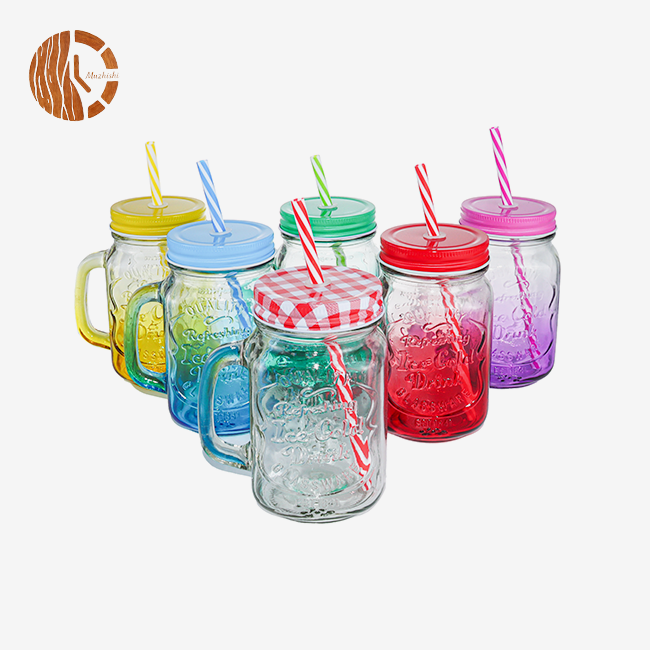
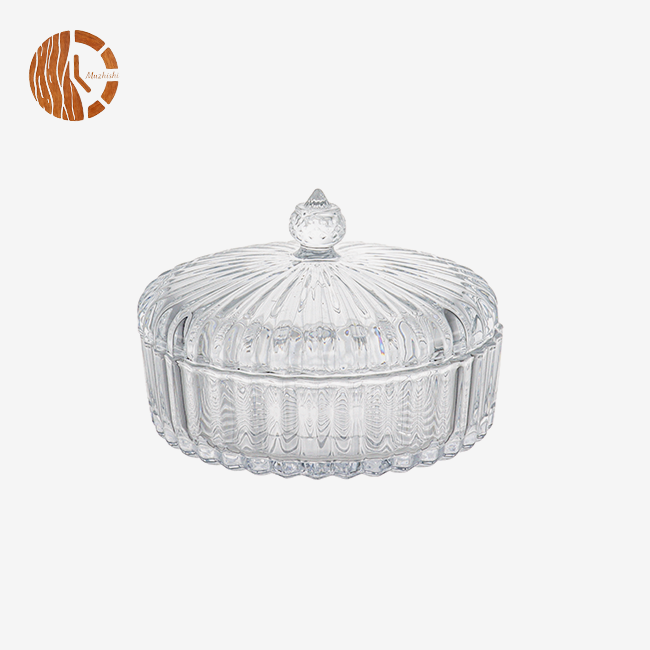

Our customers’ satisfaction speaks for our quality — contact us to experience the same reliable service.