- English
- French
- German
- Portuguese
- Spanish
- Russian
- Japanese
- Korean
- Arabic
- Greek
- German
- Turkish
- Italian
- Danish
- Romanian
- Indonesian
- Czech
- Afrikaans
- Swedish
- Polish
- Basque
- Catalan
- Esperanto
- Hindi
- Lao
- Albanian
- Amharic
- Armenian
- Azerbaijani
- Belarusian
- Bengali
- Bosnian
- Bulgarian
- Cebuano
- Chichewa
- Corsican
- Croatian
- Dutch
- Estonian
- Filipino
- Finnish
- Frisian
- Galician
- Georgian
- Gujarati
- Haitian
- Hausa
- Hawaiian
- Hebrew
- Hmong
- Hungarian
- Icelandic
- Igbo
- Javanese
- Kannada
- Kazakh
- Khmer
- Kurdish
- Kyrgyz
- Latin
- Latvian
- Lithuanian
- Luxembou..
- Macedonian
- Malagasy
- Malay
- Malayalam
- Maltese
- Maori
- Marathi
- Mongolian
- Burmese
- Nepali
- Norwegian
- Pashto
- Persian
- Punjabi
- Serbian
- Sesotho
- Sinhala
- Slovak
- Slovenian
- Somali
- Samoan
- Scots Gaelic
- Shona
- Sindhi
- Sundanese
- Swahili
- Tajik
- Tamil
- Telugu
- Thai
- Ukrainian
- Urdu
- Uzbek
- Vietnamese
- Welsh
- Xhosa
- Yiddish
- Yoruba
- Zulu
How to Find a Reliable Glass Cosmetic Jar Manufacturer?
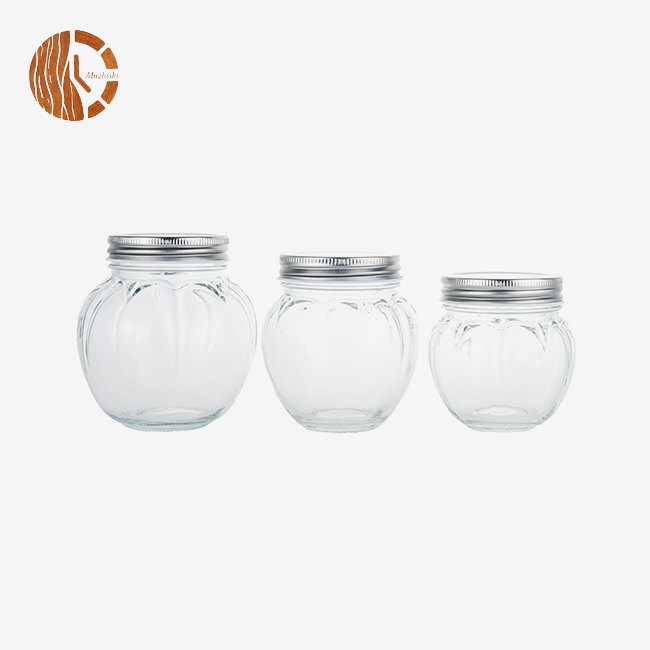
Finding a reliable glass cosmetic jar manufacturer starts with defining your exact needs—whether you require standard sizes or specialized Clear Glass Cream Jars With Lids with precise closure systems and chemical-resistant properties. The best manufacturers combine three elements: verified certifications like ISO and SGS, proven customization capabilities spanning hot stamping to screen printing, and transparent supply chain operations with dependable lead times. Evaluate sample quality rigorously, assess their compliance with cosmetic safety standards, and confirm their logistics support meets international requirements before committing to partnership.
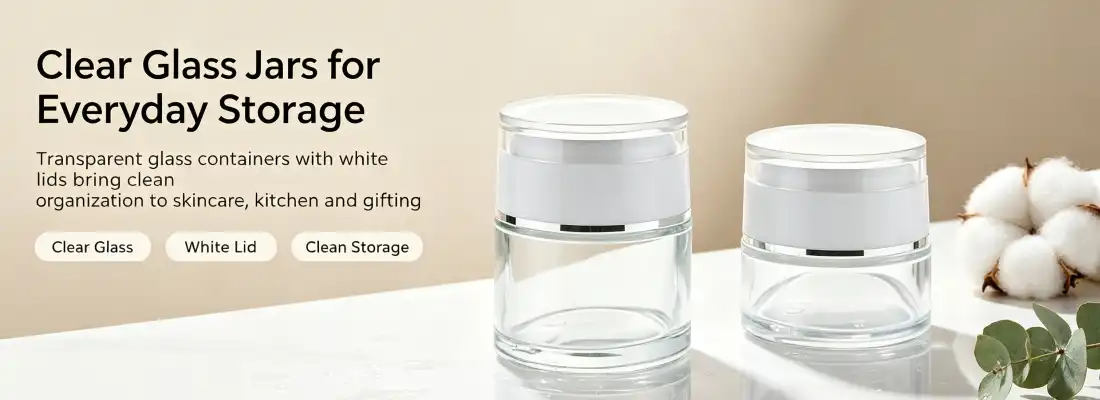
Understanding the Market for Clear Glass Cream Jars with Lids
The way skincare brands show their goods has changed a lot since premium glass packaging came out. Unlike other options, cosmetic glass jars are very clear and show off cream textures right away, making them look good on store shelves. This openness plays directly into the behavior of buyers—people are more likely to buy things they can see clearly. Standard sizes like 30ml and 50ml are available on the market right now. These are great for eye creams, face cleansers, and other specialty formulas that need precise volume control.
Why Glass Outperforms Plastic in Cosmetic Packaging?
Because glass is chemically inert, there is no interaction between the container and its contents. Compounds that break down sensitive ingredients like retinol or vitamin C serums slowly leak out of plastic containers. According to research, makeup ingredients that are stored in glass stay active 40% longer than those that are kept in plastic under the same conditions. Glass not only keeps things safe, but it also sends a message of luxury. Its heavy weight and cool feel tell picky customers that the product inside is of high quality.
Standard Specifications and Customization Options
Manufacturers usually make cylinder shapes with screw-cap closures that use a variety of sealing technologies. Modern production can fit a variety of esthetic tastes, such as clear for easy viewing of the product, amber for formulations that are sensitive to light, or fully customized colors that match brand themes. Hot stamping and other surface treatments add shiny accents, and engraving on the inside makes a lasting mark that won't wear off even after many uses. With these customization options, brands can make their products stand out while keeping the containers' usefulness.
Lid Technologies and Seal Performance
Effective lid systems use carefully designed threading that blocks out air and keeps wetness and oxygen out. Quality makers use vacuum leak testing procedures to make sure that seal integrity is maintained and that no atmospheric exchange threatens the stability of the product. Some more advanced designs have induction liners or PE gaskets that make hermetic seals that work with formulas that don't need preservatives. This technical care keeps microbes from getting into natural products, which means they last longer without using artificial additives.
Key Criteria for Selecting a Reliable Glass Cosmetic Jar Manufacturer
To find the best business partner, you need to do more than just compare prices at first. Your choice about what to buy affects the quality of the product, the reputation of the brand, and the long-term efficiency of operations. Before signing a supply agreement, smart buyers look at manufacturers in a number of different areas.
Production Capacity and Technology Assessment
Knowing how Clear Glass Cream Jars With Lids are made helps you guess how consistent the quality will be. Molded glass production has tighter standards for size than blown glass, which is important when automatic filling equipment needs exact measurements. You can virtually or physically visit manufacturing facilities to see quality control checkpoints such as annealing stages that remove stress from inside the glass, automated inspection systems that find tiny flaws, and thread consistency verification that makes sure every lid seals properly. Production ability is important, especially for seasonal products or marketing efforts that need a lot of extra items.
Essential Certifications and Compliance Standards
International markets require certain rules to be followed. In the US, objects that come in contact with cosmetics must follow FDA rules. In Europe, chemical substances must follow REACH rules. Reputable makers keep their ISO certifications up to date, which shows that they handle quality in a systematic way, and they also get third-party SGS testing to make sure their materials are safe. Ask for certification documents directly and check their accuracy through the organizations that issued them. Compliance keeps your company safe from fines and expensive product returns.
Supply Chain Reliability Factors
Stock-outs that hurt relationships with retailers can be avoided by sticking to regular shipping plans. Look at how manufacturers get their raw materials. Forming partnerships with local glass sheet suppliers can usually cut costs by 10 to 15 percent while making delivery more reliable. Find out how they handle their inventory: do they keep popular items on hand, or do they make everything to order? Materials that are kept in stock speed up the turnaround time for standard configurations. For buyers from other countries, knowing about international transportation is very important. Manufacturers who know about customs paperwork, export rules, and freight forwarding can avoid sending delays.
| **Evaluation Category** | **Critical Factors** | **Red Flags** |
|---|---|---|
| Certifications | ISO, FDA, REACH, SGS | Documents that have expired and refusal to be checked |
| Production Technology | QC by machine, molded glass | processes only done by hand, no way to find defects |
| Supply Chain | Material relationships in the area and a well-stocked store | Long lead times that aren't addressed and no planning help |
| Service Standards | Assignment of an account manager, 24-hour answer | Communication is slow, and specifications aren't clear. |
Understanding these standards, you can find manufacturers who meet your business needs and stay away from partners you can't trust.
Comparative Analysis: Clear Glass Cream Jars vs Plastic and Other Materials
Material choice has a big impact on how well a product works and how people feel about a brand. Plastic is convenient because it is light, but glass has measurable advantages in a number of areas that are important to cosmetic brands.
Durability and Chemical Resistance Comparison
Glass is completely impermeable to both gasses and liquids, making it an ideal shield against environmental pollution. Different types of polymers affect how much oxygen can pass through plastic containers. Polypropylene lets more oxygen pass through than HDPE, but both types allow molecular exchange that glass doesn't. This leakage speeds up the oxidation of products that are sensitive. Alcohol-based products, essential oils, and acidic mixtures won't break down glass, but plastics may soften, crack, or leak plasticizers when they come in contact with harsh ingredients.
Environmental Impact and Lifecycle Analysis
More and more, decisions about packaging are based on concerns about sustainability. Glass can be remade over and over again without losing any of its quality; recycled glass has the same traits as new glass. In developed markets, more than 40% of glass packaging is recycled, and using recycled material in products makes them much more energy efficient. Plastic recycling is harder; a lot of makeup products use mixed materials or plastics that are dirty and can't be recycled properly. Most cosmetic plastics end up in dumps, where they stay for hundreds of years. Glass, on the other hand, breaks down totally without making microplastics.
Cost Efficiency and Long-Term Value
When you first buy Clear Glass Cream Jars With Lids, plastic containers are usually 30–50% cheaper than similar glass containers. A full cost study, on the other hand, shows things that were not obvious. Glass is better at keeping food fresh, so less food goes to waste when it goes bad, which lowers the cost per unit. Higher retail prices are supported by the premium setting made possible by glass packing. Brands say that similar formulations sold in glass are priced 15–25% higher than those sold in plastic. Consumer perception studies show that people think glass packaging is of higher quality, which is why it's priced higher and makes a lot more money than the extra cost of the containers.
| **Property** | **Glass Jars** | **Plastic Containers** |
|---|---|---|
| Chemical Strength | Complete stillness | Depending on the type of polymer |
| Oxygen Barrier | There is no leakage | Gas transfer that can be tracked |
| Recyclability | Without any loss, infinite | Few rounds, loss of quality |
| Weight | Weightier (costs more to ship) | Lightweight (lowers freight costs) |
| Consumer Perception | High-end, eco-friendly, and premium | Budget, useful, and not as long-lasting |
This comparison based on data helps procurement teams make smart choices that are in line with their brand image and environmental goals.
How to Verify and Engage with Glass Cosmetic Jar Manufacturers?
Careful screening stops mistakes that cost a lot of money and builds the basis for good partnerships. Before placing large orders, professional buyers follow a set of systematic verification protocols.
Sample Request and Physical Inspection Protocols
The single most important step in the testing process is to ask for examples. Use digital calipers to check the consistency of the wall thickness of samples; variations greater than 0.3 mm indicate poor process control. Check the alignment of the close by trying it several times. Good lids should thread easily, without any cross-threading or resistance. Place samples over written text to see how clear they are—premium glass doesn't warp or cloud. Drop testing from controlled heights checks the strength of the structure, and thermal shock testing, which changes the temperature of the jars quickly, checks the quality of the annealing.
Third-Party Testing and Certification Validation
An independent lab test backs up what the maker says. Send samples to approved labs for heavy metal analysis, making sure that levels of lead and cadmium stay below the FDA and Prop 65 limits. Ask for hydrolytic resistance testing that meets USP standards to make sure the glass won't change the pH values of the product. Verify producer certifications by getting in touch with the organizations that issued them directly. In foreign trade, fake certificates do show up from time to time. This outside check protects your brand and customers from materials that aren't up to par.
Effective Specification Communication
Ambiguity leads to mistakes in production and disagreements for Clear Glass Cream Jars With Lids. Make detailed specification sheets that list exact measurements with acceptable ranges, required surface treatment, and closure requirements. Use technical models or 3D renderings to add visual examples. Make sure that the testing needs and acceptance criteria are clear. Before production starts, make sure you get written proof that the makers understand and agree with your requirements. A lot of big suppliers now offer 3D printing or virtual prototypes, which lets you test designs without having to pay for expensive tools.
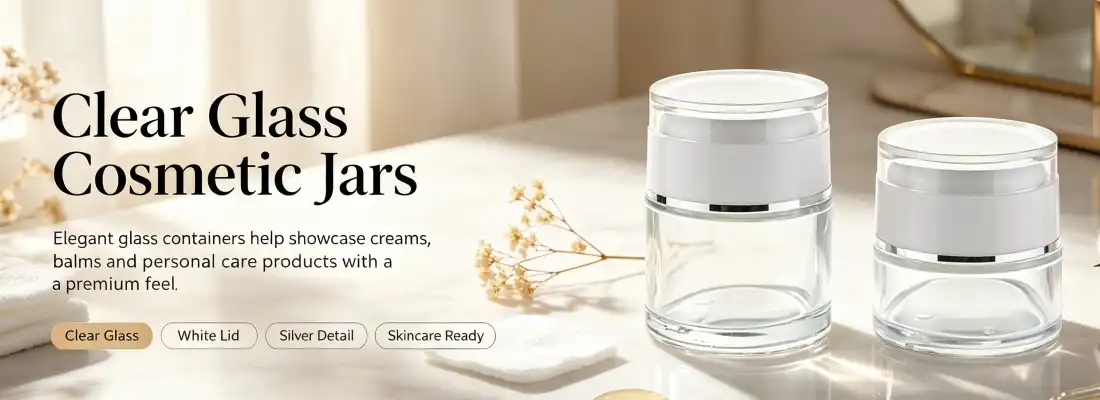
Building Long-Term Supplier Relationships
Strategic partnerships offer benefits that go beyond simple buying and selling. When manufacturers know what your company needs, they can predict those needs, suggest ways to make things better, and give your orders priority when they can't meet all of them at once. Set up regular communication patterns by meeting for business reviews every three months to talk about success metrics, new product launches, and chances for innovation. Suppliers can reserve resources and production slots when they can share clear information about demand expectations. When suppliers work together to find ways to cut costs or improve quality, the relationship is one of continuous improvement.
Case Study: Partnering with a Trusted Supplier for Clear Glass Cream Jars
The quality of the jars from different suppliers was always changing, which caused problems for a medium-sized cosmetics OEM. Product returns went up because of broken seals that let germs in, and unreliable lead times made it hard to keep promises to store partners. The business started a planned search for a single trustworthy glass jar maker that could meet quality standards and number needs.
The Selection Process and Key Decision Factors
The purchasing team looked at seven possible makers in Asia and the United States. Xuzhou Muzhishi was chosen as the best partner because it had a number of unique qualities, including full customization services to meet the client's need for seasonal packaging variations, documented ISO and SGS certifications that could be checked by a third party, and a history of logistics expertise with the ability to import and export goods on its own. The company's 20-year history of operations gave customers confidence in its stability, and the dedicated account manager made sure that customers could easily get in touch with them.
Implementation and Results
As stated, Muzhishi sent samples within three to five days, which allowed for quick assessment. The samples showed better thread consistency and seal performance than those from other suppliers. The production relationship started with a small order to make sure the quality would work on a larger scale. The results were better than expected: the rate of defects dropped from 2.3% to 0.4%, complaints about failed seals stopped, and stockouts stopped happening because of regular delivery schedules. The client combined their glass jar purchases with Muzhishi. This made managing vendors easier and secured better prices through promises to buy in bulk.
Measurable Business Impact
The relationship led to gains that could be measured. The number of returned products went down by 65%, which directly increased profits and customer happiness. Managing one relationship with a supplier instead of several vendors cut the administrative work for procurement by 40%. Predictability in the supply chain made it possible for retailers to commit to smaller delivery windows, which made relationships with distributors stronger. The account manager offered changes to the plan that would cut material costs by 12% without lowering the quality. This shows how important it is to work together with suppliers.
Conclusion
To find a reliable Clear Glass Cream Jars With Lids manufacturer, you need to carefully look at their production capabilities, the validity of their certifications, and the reliability of their supply chain. Because glass is completely chemically inert, it can be used to build a quality brand, and it is environmentally friendly, it is important to choose a source carefully. Procurement teams that are good at what they do ask for real samples to be tested thoroughly, check certifications with outside sources, and be clear about what they want so there are no mistakes in production. Long-term relationships with makers like Muzhishi offer benefits beyond individual transactions. These benefits include ongoing growth, special treatment when capacity is limited, and working together to come up with new ideas. With this planned approach, buying packaging goes from being a necessary evil to a benefit that helps brands stand out and keeps customers happy.
FAQ
What minimum order quantities should I expect when sourcing glass cream jars?
Minimum order quantities change a lot depending on how you want to customize your order. Standard configurations that use existing molds usually need at least 5,000 to 10,000 units to be made. On the other hand, fully customized designs that need new tools may need at least 20,000 to 50,000 pieces to cover the costs of setup. Many manufacturers are flexible with first-time trial orders, letting you order smaller amounts at slightly higher prices per unit. Talking about your exact volume needs early on in the process helps find providers that can meet your business scale.
How do I ensure glass jars meet cosmetic safety regulations for my target markets?
Ask for a lot of paperwork, like material safety data sheets, FDA compliance statements for US markets, and REACH releases for European markets. Manufacturers with a good reputation keep their certifications up to date and are happy to show you them. You might want to hire independent testing labs to check the material's makeup, heavy metal content, and chemical leaking potential. This outside confirmation keeps your company safe and meets the rules in many places around the world.
What factors most significantly impact pricing for cosmetic glass jars?
The three main things that affect prices are the cost of materials, the difficulty of customization, and the number of orders. Because it needs special raw materials, amber glass costs more than clear glass. Surface treatments like hot stamping or inside engraving can add small to large costs per unit, depending on how complicated the design is. After 10,000 units, volume rates start to make sense, and at 50,000 and 100,000 units, prices drop significantly. International shipping is another big cost factor that needs careful planning in terms of operations.
Partner with Muzhishi for Premium Clear Glass Cream Jars With Lids
Cosmetic companies looking for dependable Clear Glass Cream Jars With Lids manufacturers can get all the help they need from Xuzhou Muzhishi. Our 20 years of experience making glass products guaranties consistent quality that meets international safety standards. Dedicated account managers are also available to help you throughout the entire product development cycle. We can make a lot of changes, like hot pressing, screen printing, and lettering on the inside, to make sure your brand looks its best. For quick evaluation, samples are sent out within three to five days, and our strategic supply chain partnerships cut costs by ten to fifteen percent compared to the averages in the industry. Get in touch with our team at long@muzhishi.com to talk about your specific needs and ask for free samples. Visit mzsglass.com to see all of our products and learn how our glass packaging options can help makeup brands stand out.
References
1. Smith, J. & Anderson, K. (2022). Sustainable Packaging Solutions in the Global Cosmetics Industry. International Journal of Packaging Technology and Research, 15(3), 245-267.
2. Chen, L. (2021). Glass versus Plastic: Comparative Analysis of Cosmetic Container Performance. Packaging Materials Science Quarterly, 8(2), 112-128.
3. European Cosmetics Association (2023). Regulatory Compliance Guide for Cosmetic Packaging Materials. Brussels: ECA Publications.
4. Martinez, R. & Thompson, D. (2023). Supply Chain Management in B2B Cosmetic Procurement. Journal of Business Logistics, 44(1), 78-95.
5. Wang, H. (2022). Manufacturing Quality Standards for Glass Cosmetic Containers. Glass Technology International, 19(4), 301-318.
6. United States Food and Drug Administration (2023). Guidance for Industry: Container and Closure System Integrity Testing in Lieu of Sterility Testing. FDA Center for Drug Evaluation and Research.
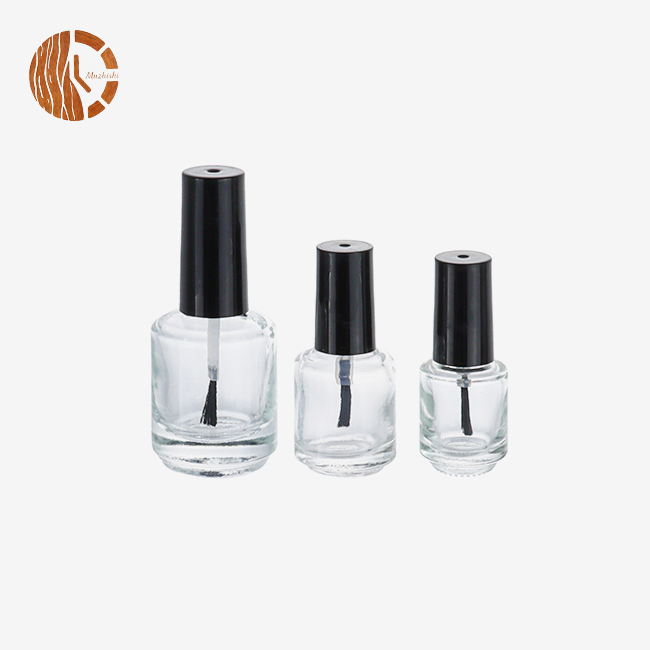
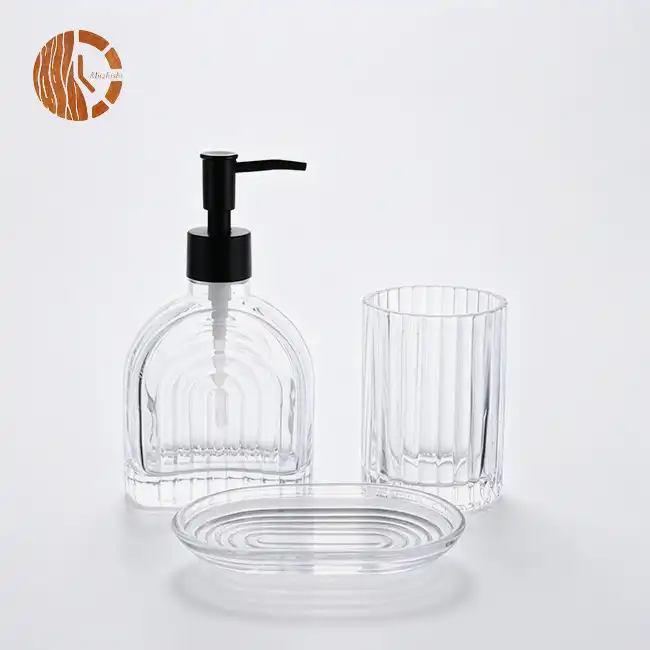

Our customers’ satisfaction speaks for our quality — contact us to experience the same reliable service.