- English
- French
- German
- Portuguese
- Spanish
- Russian
- Japanese
- Korean
- Arabic
- Greek
- German
- Turkish
- Italian
- Danish
- Romanian
- Indonesian
- Czech
- Afrikaans
- Swedish
- Polish
- Basque
- Catalan
- Esperanto
- Hindi
- Lao
- Albanian
- Amharic
- Armenian
- Azerbaijani
- Belarusian
- Bengali
- Bosnian
- Bulgarian
- Cebuano
- Chichewa
- Corsican
- Croatian
- Dutch
- Estonian
- Filipino
- Finnish
- Frisian
- Galician
- Georgian
- Gujarati
- Haitian
- Hausa
- Hawaiian
- Hebrew
- Hmong
- Hungarian
- Icelandic
- Igbo
- Javanese
- Kannada
- Kazakh
- Khmer
- Kurdish
- Kyrgyz
- Latin
- Latvian
- Lithuanian
- Luxembou..
- Macedonian
- Malagasy
- Malay
- Malayalam
- Maltese
- Maori
- Marathi
- Mongolian
- Burmese
- Nepali
- Norwegian
- Pashto
- Persian
- Punjabi
- Serbian
- Sesotho
- Sinhala
- Slovak
- Slovenian
- Somali
- Samoan
- Scots Gaelic
- Shona
- Sindhi
- Sundanese
- Swahili
- Tajik
- Tamil
- Telugu
- Thai
- Ukrainian
- Urdu
- Uzbek
- Vietnamese
- Welsh
- Xhosa
- Yiddish
- Yoruba
- Zulu
Wine Glass Bottles: A B2B Guide to Choosing the Right Supplier
If you choose the right supplier for glass wine bottles, your line of products can go from average to outstanding. Your packaging partner has a direct effect on how people see your brand, how efficiently you run your business, and how much money you make. This is true whether you're a home decor brand putting together seasonal collections, a workplace gift supplier planning end-of-year campaigns, or a hospitality buyer making sure guests have a great time. The 750ml glass wine bottle is still the standard in the business. It's the perfect size for premium wines, spirits, and displays. Quality bottles protect against UV light better, don't react with chemicals, and look better, which makes your product stand out in crowded markets. This detailed guide shows you how to choose the right suppliers, how to evaluate them, and how to buy things so that you can make partnerships that help your business grow and meet sustainability standards.
Understanding Glass Wine Bottles and Their Importance
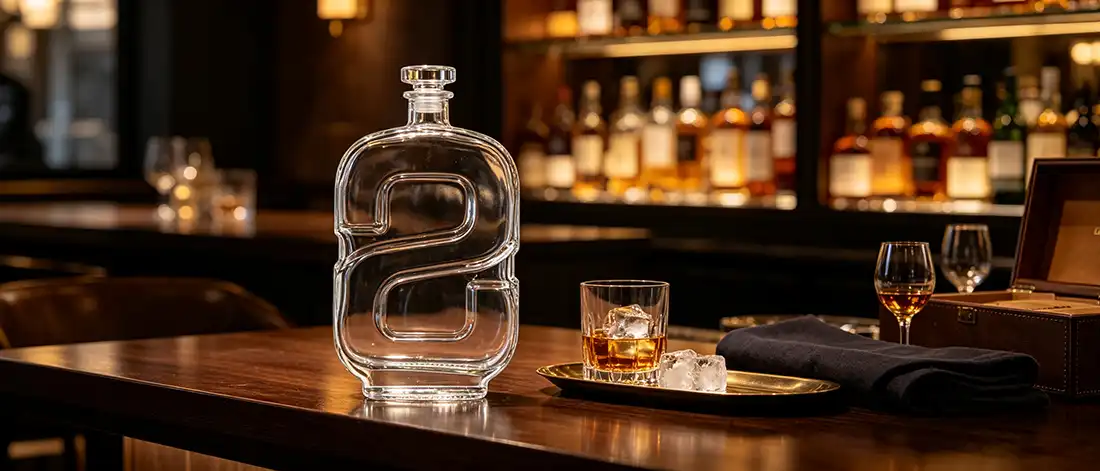
Glass is still the best material for brands that care about quality, even though there have been many changes in wine packing over the years. The normal 750ml size comes from the way trade used to work, and it's still the right size for a single meal while wines age. There are many different types of glass wine bottles, each with its own weight, colour, and thickness. Each is used for a different reason to brand the wine and keep it fresh.
Material Composition and Quality Standards
Glass used in current wine bottles is made of soda-lime-silica, which doesn't react with anything. This chemical balance makes sure that the container and ingredients don't change the taste of your product. Minerals can't leak out of good bottles for a long time because they have a hydrolytic resistance Class HGB1 rating. This is very important for expensive wines that are meant to be stored, because even small amounts of pollution can make them less valuable.
The raw materials are melted at temperatures above 1,500°C. Either the blow-and-blow or press-and-blow method is then used to make the bottles. When they make something, good makers use both hot-end and cold-end coatings. As you move and handle glass, hot-end tin oxide treatment makes the surfaces stronger, and cold-end polyethylene coats keep them from getting scratched. Your operational costs will go down because of these technical features because they cut down on the number of breaks.
Why Does Glass Outperform Alternative Materials?
In several ways, metal and plastic don't work as well as glass. Air can't get into wine through glass at all, which is important for keeping its quality over months or years. Plastic walls slowly let oxygen through, but glass walls stay vacuum-tight when they are closed with the right hardware. Keeps things fresh longer, which is great for stores that need to keep track of their stock and restaurants and bars that need to keep their wine rooms in good shape.
When people decide what to buy, sustainability is becoming more and more important. The circular economy has many benefits for people who care about the environment. One of these is that glass can be recycled over and over again without losing any of its quality. When cullet (recycled glass) is used in production instead of new goods, up to 30% less furnace energy is needed. Businesses that put together events and sell gifts can use this story about sustainability to make their brands look better and meet their CSR goals.
Key Factors in Choosing the Right Glass Wine Bottles for Your Business
There are a lot of technical, financial, and practical things that procurement experts have to think about when they choose glass wine bottle suppliers for glass wine bottles. Having a structured review approach helps you make these choices in a planned way.
Matching Bottle Specifications to Product Requirements
Different kinds of drinks need different parts on the bottle. Red wines are usually kept in amber or antique green glass, which is darker and blocks 90% of UV light in the 200–450nm range. Flaws that are hit by light and make smelly sulphurous substances are stopped by this defence. People often use clear flint glass to show off the colour of white wines and other clear drinks, but it needs to be handled with care while it's being stored.
Weight changes both the cost of shipping and how people see an object. 750ml bottles usually weigh between 380g and 520g, but this can change based on how thick the glass is and how complicated the design is. Heavy bottles not only show that they cost more, but they also make shipping costs much higher for large orders. Importers and distributors need to carefully think about this trade-off when they order container loads, since a 100g weight difference can mean big price changes.
Evaluating Supplier Reliability and Certifications
Professional service providers are different from bad ones because they are consistent in how they make things. It is important for good makers to keep their measurements within ±0.5mm. This means that their products can be used with automated bottling lines that can fill more than 10,000 bottles an hour. As little as one change can stop production, batches can be turned down, and delivery times can be missed. For example, you could ask for statistical process control charts and records of the number of defects.
One way to be sure that a supplier has the right skills is to look at their certifications. The ISO 9001 quality management certification shows that processes are managed in a planned way. The ISO 14001 environmental certification shows that business practices are good for the environment. Buyers in the hospitality business and for high-end brands can be sure that suppliers follow international rules when they see these qualifications. Check certifications through databases kept up to date by independent registrars instead of just believing what the seller says.
Cost-Effectiveness in Bulk Purchasing
When you buy a lot of something, different suppliers charge very different prices. Prices vary from one manufacturer to the next, and big discounts are available for orders of a certain number of bottles (about 24,000 to 30,000 750ml bottles, based on the packaging). The cheapest price per unit doesn't always mean the cheapest cost to own, though. When you compare prices, you should think about how reliable the quality is, how reliable the shipping is, and how helpful the customer service is after the sale.
Payment terms have a big effect on how well you can handle your cash flow. Established sellers usually offer net-30 or net-60 terms to customers who buy from them again. But for new customers, you might need letters of credit or down payments ahead of time. Online shops and retail chains that have goods that don't sell quickly should talk about terms that work for their businesses. If you work with sellers who are financially stable, there is less chance that the supply chain will break down when the market is unstable.
Comparing Popular Glass Wine Bottle Types and Suppliers
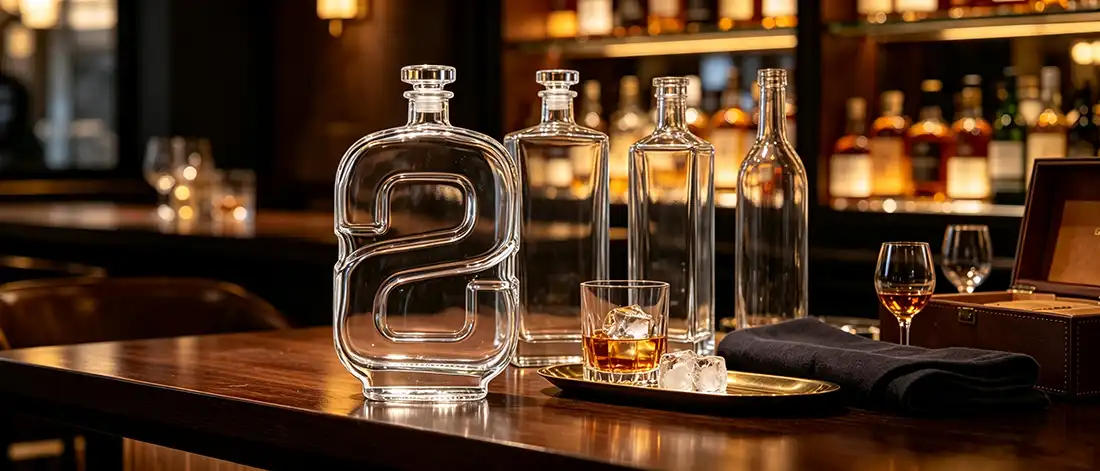
The market for glass wine bottles has a lot of different options that can be used for different things and suit the tastes of different regions. Knowing about these differences helps you make sure that your goods are right for the people you want to buy them.
Bottle Styles and Their Applications
Bordeaux bottles have straight sides and high shoulders, which makes them good for bold red wines and useful for collecting sediment while the wine ages. Burgundy bottles have bigger bodies and shoulders that slope down. They are usually used for pinot noir and chardonnay. Hock bottles are popular for riesling and flavorful white wines because they are tall and thin. Each style has regional meanings that help people figure out what a product is before they even read the label.
Recent market trends stress the use of lightweight bottles, which are being pushed by efforts to be more environmentally friendly and lower shipping costs. European markets like bottles that weigh between 350 and 420 grams more than bottles that weigh between 450 and 520 grams. This change needs to be carefully balanced because some high-end brands keep their heavier bottles to reinforce their image as high-end. Gift shops and business sellers should make sure that the weight of the bottles matches what their customers expect.
Regional Supplier Advantages
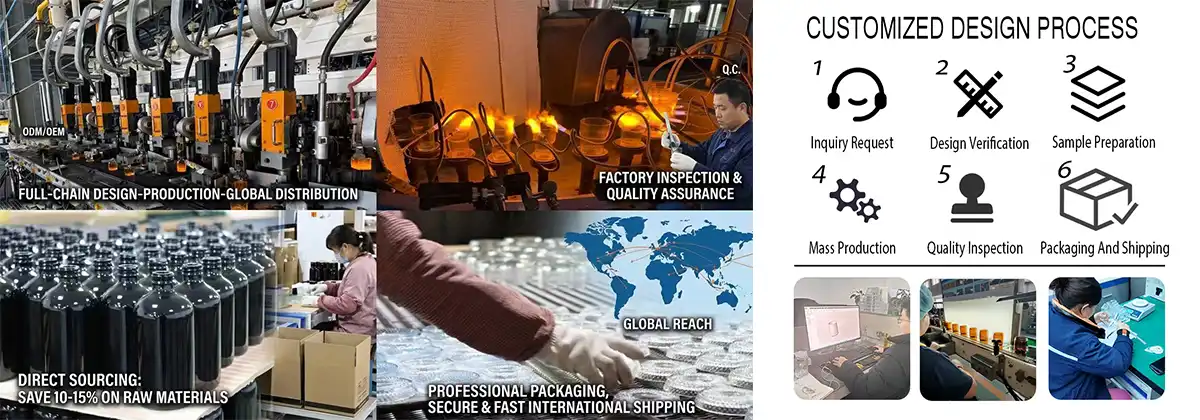
China's Jiangsu province, especially Xuzhou city, has become a global hub for glass wine glass bottles production. Its linked supply lines and expert knowledge make it a cost-effective place to do business. Manufacturers in this area save 10-15% on costs compared to options that are spread out geographically because they are close to sources of raw materials and industries that support them. When procurement teams handle annual volumes in multiple container loads, these savings add up to a lot.
European makers have always put a lot of emphasis on high quality and unique methods, such as the hand-blown or mouth-blown processes. These bottles cost more than others, but upscale brands like them because they look unique. Event managers who are making high-end wedding collections and companies that sell high-end gifts may think this difference is worth it, even if it means paying more per unit. Target market positioning and price sensitivity analysis are very important to the decision.
Eco-Conscious Product Lines
More and more, buyers who care about the environment ask for bottles that are made from a lot of cullet (recycled glass). Leading suppliers now have lines that are made with 60–80% post-consumer recovered material while still meeting standards for structural stability and clarity. These items are popular with corporate gift programs that stress being environmentally friendly and with stores that want to meet customer demands for eco-friendly packaging.
Carbon impact concerns go beyond the make-up of materials and include the ways they are made. When compared to standard gas-fired operations, suppliers who use electric melting furnaces driven by renewable energy produce a lot less pollution. Asking for environmental product statements (EPDs) gives clear information about how a product will affect the environment over its whole life, which helps buying teams make decisions that are more environmentally friendly.
Navigating Procurement: Ordering and Customization Options
Strategic methods to purchasing improve both the quality of the goods and the speed of operations while keeping costs low.
Developing Effective Sourcing Strategies
Accurately predicting demand is the first step to successful bulk buying. To figure out the best amount of stock to order, retail chains should look at past sales data, seasonal patterns, and the effects of promotions. When you over-order, you tie up money and warehouse space, and when you under-order, you run out of stock during times of high demand. For standard goods, many suppliers offer open minimum order numbers (MOQs). However, for unique designs, most suppliers need bigger promises.
To handle lead times well, you need to know about production processes and logistics schedules. It usually takes 20 to 30 days to make a standard bottle, but 45 to 60 days for first orders for special designs with unique molds. International shipping costs a lot more and takes 30 to 45 days longer for ocean freight or 5 to 10 days for air freight. Companies that plan events and have set due dates must include enough extra time in their procurement schedules.
Customization Options That Differentiate Brands
Standard bottles can become unique commercial assets with high-end painting. Metallic foil in gold, silver, or bespoke colors can be hot-stamped. This gives the item a luxury look in gift shops and hospitality places like. Screen printing creates long-lasting, multicolored pictures for advertising and branding. Inside, the engraving offers elaborate graphics visible through clear glass for commemorative editions and special events.
Customizing colors goes beyond clear, amber, and green. Colors that match brand themes can be made; however, manufacturers want high minimum orders to pay batch production expenses. This feature helps house decorators construct matching seasonal sets, although smaller purchasers may find standard colors cheaper.
Closure options change how things work and look. History and quality are evident in cork seals, but they must be preserved horizontally and may get polluted. Synthetic corks remove taint concerns while maintaining their iconic look. Screw caps are convenient and seal well; however, some premium segments dislike them. Choose finishes that match your target clients' tastes and product placement.
Balancing Sustainability with Practical Considerations
Because the market wants them, eco-certified glass wine bottles are showing up in seller listings more and more. Environmental statements can be checked by a third party through certifications like Cradle to Cradle or certain sustainability standards. But procurement teams should think about trade-offs that are useful in real life. Even though lighter bottles cut down on pollution during shipping, they might not be as strong for some uses, like sparkling wines that need to be resistant to pressure.
Being open with suppliers about how they handle environmental issues builds trust in long-term relationships. Ask for specific details about energy sources, systems for recycling water, and rules for dealing with trash. Manufacturers who are on the cutting edge share this information freely because they know that being honest makes them more competitive, not worse. Companies that sell corporate gifts and hospitality brands that make public commitments to sustainability benefit the most from partners who can prove they are good for the environment.
Building Long-Term Partnerships with Glass Wine Bottle Suppliers
Strategic relationships with glass wine bottle suppliers offer benefits that go beyond just lower prices. These benefits create competitive advantages through dependability, access to new ideas, and operational efficiency.
Criteria for Selecting Trusted Partners
Checking the business's history and client references is the first step in evaluating its reputation. Suppliers who have been making things for 15 to 20 years usually have stable processes and can be counted on financially. Ask clients in your industry to give you references and be specific about what you want to know about quality consistency, delivery performance, and how quickly problems are solved. Partners with a history of success are especially helpful for exporters and distributors who have to handle complicated supply lines.
Evaluating suppliers' production capacity makes sure they can grow with your business. When you can, visit factories and look at how the equipment is maintained, how the workers are trained, and the quality control systems. Suppliers with more than one production line offer flexibility, which protects against problems caused by broken equipment or scheduled repair. During busy holiday times, when stores and gift shops need to make a lot of items, this extra ability becomes very important.
Communication and After-Sales Support
Respondent contact is what sets great providers apart from average ones. Having dedicated account managers who know your exact needs makes it easier for everyone to work together during the planning, production, and logistics stages. Language skills and time zone overlap are very important for international partnerships. Suppliers with English-speaking contacts and business hours that overlap with North American clients make it easier for people to talk to each other and make decisions faster.
For foreign deals, it's important to have a lot of help with paperwork. Professional providers make full commercial invoices, packing lists, certificates of origin, and any other special paperwork needed to get goods through customs in the final target country. This knowledge stops delays and demurrage fees that cost a lot of money and eat away at purchase saves. Importers look for partners who can handle their own exports and have experience with logistics.
Innovation and Future-Oriented Partnerships
Forward-thinking sellers spend money on research and development to come up with new products and services that give them an edge over their competitors. New ideas include smart packaging with NFC tags that let customers interact with the product, designs that are very light but still maintain structural integrity, and special coatings that make it easier for decorations to stick. Strategic source ties give brands that want to stand out early access to these technologies.
Through collaborative development, solutions are made that are tailored to meet the wants of the market. When suppliers are willing to work together to make a product, they are no longer just vendors but real partners. This way of working together is especially helpful for companies that plan events and are making unique collections and home decor brands that are making exclusive lines. The relationship changes from buying things one time to working together strategically to help both businesses grow.
Conclusion
Choosing the right wine bottle supplier for glass wine bottles affects every part of your business, from the quality of your products and how people see your brand to how efficiently you run your business and how environmentally friendly it is. This framework walks procurement professionals through important evaluation factors such as technical specs, supplier trustworthiness, customization options, and the possibility of forming a partnership. Systematic source selection has measured benefits whether you are in charge of buying for retail chains that need high-volume consistency, workplace gift programs that need the freedom to customize, or hospitality places that want the best presentations. Innovations in sustainability, lightweight designs, and decoration technologies are all changing the glass packing environment. By working with suppliers who are knowledgeable and quick to respond, you can help your business take advantage of these changes while still meeting the quality standards your customers expect.
FAQ
What glass thickness provides optimal wine preservation?
Depending on what they will be used for, standard glass wine bottles have glass thicknesses that range from 2.5 mm to 4.5 mm. Still wine bottles usually have a thickness of 2.8 to 3.2 mm, which is thick enough to protect the wine while keeping the weight down. Sparkling wine bottles need to be 3.5 to 4.5 mm thick so they can handle 5 to 6 bar of pressure inside. The punt (bottom depression) strengthens the structure by spreading pressure evenly and stopping weak spots from forming during handling.
How do glass bottles compare environmentally to plastic alternatives?
Glass bottles can be recycled over and over again without losing any of their quality, so they keep their value through many cycles of their life. When compared to making bottles from virgin glass, making bottles with 60–80% recycled content uses about 30% less energy. Even though it takes more energy to make glass than plastic, it is better for lifetime studies because it can be recycled and doesn't contain microplastics. Transportation weight is still an issue, which is why area buying is important for lowering carbon loads.
Should I choose cork or screw-cap closures for my bottles?
Which closure to use depends on how the product is positioned, how long it needs to be stored, and what the target market wants. Natural cork lets oxygen through at a rate that helps wines age slowly, which is why it's best for high-end wines that will be kept for a long time. Screw caps are perfect for wines that will be drunk within two to three years of bottling because they create perfect seals that stop oxidation and cork taint. Acceptance in the market varies by area. For example, screw caps are widely used in Australia and New Zealand, but they are not well understood in traditional European markets.
Partner with Muzhishi for Your Wine Bottle Sourcing Needs
Xuzhou Muzhishi Crafts Co., Ltd. has been making glasses for 20 years and can help business-to-business clients who are looking for trusted glass wine bottle providers. We focus on 750ml bottles and offer a wide range of personalization options, such as hot stamping, lettering on the inside, screen printing, and custom color choices. Our dedicated account managers help you one-on-one from the first planning phase through production and shipping around the world. You can get free samples in 3–5 days. By working together with suppliers of raw materials in Xuzhou, companies can cut costs by 10 to 15 percent while still meeting ISO 9001 quality standards. Self-operated import and export capabilities make customs clearance and paperwork easier, ensuring on-time delivery to destinations around the world. Email our team at long@muzhishi.com to talk about your unique needs and find out how our wide range of services can help you reach your business goals. Go to mzsglass.com to look at our selection of products and find out how we can customize them to help your brand stand out in a crowded market.
References
1. Wine Packaging Handbook: Materials, Technologies and Market Trends (2019), International Wine & Spirit Research
2. Glass Container Manufacturing: Quality Standards and Best Practices (2021), Glass Packaging Institute
3. Sustainable Packaging in the Beverage Industry: Environmental Impact Assessment (2020), Journal of Cleaner Production
4. B2B Procurement Strategies for Food and Beverage Packaging (2022), Institute for Supply Management
5. Technical Requirements for Wine Bottle Production and Quality Control (2018), International Organization of Vine and Wine
6. Global Glass Packaging Market Analysis and Supplier Evaluation Framework (2023), Smithers Pira Research

Our customers’ satisfaction speaks for our quality — contact us to experience the same reliable service.