- English
- French
- German
- Portuguese
- Spanish
- Russian
- Japanese
- Korean
- Arabic
- Greek
- German
- Turkish
- Italian
- Danish
- Romanian
- Indonesian
- Czech
- Afrikaans
- Swedish
- Polish
- Basque
- Catalan
- Esperanto
- Hindi
- Lao
- Albanian
- Amharic
- Armenian
- Azerbaijani
- Belarusian
- Bengali
- Bosnian
- Bulgarian
- Cebuano
- Chichewa
- Corsican
- Croatian
- Dutch
- Estonian
- Filipino
- Finnish
- Frisian
- Galician
- Georgian
- Gujarati
- Haitian
- Hausa
- Hawaiian
- Hebrew
- Hmong
- Hungarian
- Icelandic
- Igbo
- Javanese
- Kannada
- Kazakh
- Khmer
- Kurdish
- Kyrgyz
- Latin
- Latvian
- Lithuanian
- Luxembou..
- Macedonian
- Malagasy
- Malay
- Malayalam
- Maltese
- Maori
- Marathi
- Mongolian
- Burmese
- Nepali
- Norwegian
- Pashto
- Persian
- Punjabi
- Serbian
- Sesotho
- Sinhala
- Slovak
- Slovenian
- Somali
- Samoan
- Scots Gaelic
- Shona
- Sindhi
- Sundanese
- Swahili
- Tajik
- Tamil
- Telugu
- Thai
- Ukrainian
- Urdu
- Uzbek
- Vietnamese
- Welsh
- Xhosa
- Yiddish
- Yoruba
- Zulu
Glass vs Plastic: Which Cosmetic Jar Is Best for Perfume?
When selecting the ideal cosmetic jar for perfume, the choice ultimately depends on your brand positioning and procurement priorities. Glass cosmetic jars remain the preferred option for luxury and premium perfume lines because they preserve fragrance integrity, offer superior chemical resistance, and convey timeless elegance that elevates perceived value. Plastic alternatives, including PET and acrylic options, serve mass-market segments effectively by reducing shipping costs and breakage risks while allowing for creative design flexibility. Neither material is objectively superior—your decision should align with target market expectations, budget constraints, sustainability commitments, and the specific sensory experience you want to deliver to end users.
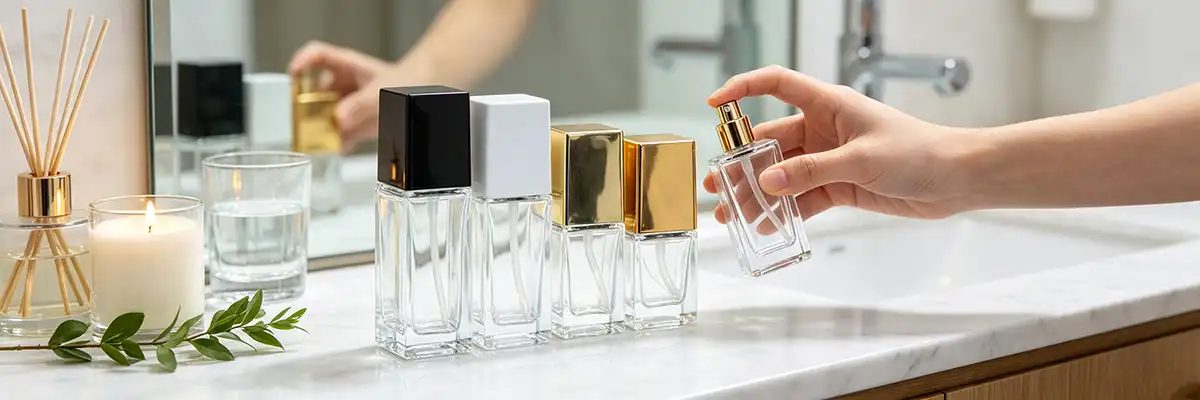
Understanding Cosmetic Jars for Perfume: Glass and Plastic Overview
What Cosmetic Jars Do for Perfume?
Cosmetic jars are important for perfume packaging because they protect the perfume from environmental damage, keep the scent molecules intact, and show off the brand's identity. Jars are better for solid perfumes, balms, and concentrated fragrance creams that need to be applied directly than spray bottles. The material of the container has a direct effect on how volatile organic compounds behave over time, which in turn affects how long the product lasts and how happy the customer is.
Glass Jar Characteristics
Glass cosmetic jars are the safest way to store perfume because they don't react with chemicals. Soda-lime glass is used for most store packaging because it is clear and cheap, while high-borosilicate glass is better for goods that need to be sterilized because it can handle thermal shock. Studies on consumer behavior have shown that the weight and rigidity of glass cases are signs of high quality. This means that brands that compete in the $50+ price range must use them. Differentiation is possible with surface processes like frosting, UV coating, and embossing that don't change the material's main defensive qualities.
Plastic Jar Alternatives
These days, plastic options do more than just do their job. PET cream jars have clarity that is similar to glass but weigh 70% less, which helps importers who bring in a lot of goods save money on shipping costs. PP cream jars can handle higher temperatures while being made and shipped, so they don't deform in hot places. Acrylic double-wall jars give items more visible depth, which is important in stores that are very competitive. Custom color matching and complicated mold patterns that would be too expensive to make with glass are possible with these materials.
Criteria for Choosing Between Glass and Plastic Cosmetic Jars for Perfume
Brand Positioning and Market Tier
Your choice of material tells customers right away how valuable your product is, even before they smell it. To meet the high standards set by heritage perfume houses, luxury brands that want to sell in boutique hotels, high-end gift shops, and premium retail channels need to use glass. Plastic is good for mass-market goods that are sold through e-commerce and chain shops because it doesn't get damaged easily during the many steps needed to fulfill orders. Medium-sized brands often use a mix of strategies, like putting their most popular scents in glass bottles and their travel sizes or seasonal ads in plastic ones.
Preservation Requirements
Different types of perfume formulations are more or less likely to react with materials in cosmetic jar. Plasticizers can be slowly taken out of lower-grade polymers by alcohol-based concentrates, which can change the smell within six months. Glass is a perfect barrier against air leaking through, which is very important for natural scents with top notes that change quickly. Modern PET formulations, on the other hand, have oxygen transfer rates below 0.5 cc/package/day, which is enough for synthetic scents with stable formulas. Instead of making broad assumptions, procurement teams should match material requirements to unique scent chemistry.
Sustainability and Compliance Goals
Environmental effect assessments now play a role in all customer groups' purchasing choices. Glass can be recycled over and over again without losing any of its quality, which makes it appealing to home decor brands and event planners who want to spread eco-friendly messages. The benefits at the end of life must be weighed against the material's higher transportation emissions because of its weight. Plastic jars made from post-consumer recycled (PCR) material or bio-based resins are easier to throw away and lighter at the same time. Regulatory compliance varies by market. For example, California Proposition 65 and REACH limits affect the types of material additives that can be used, no matter what kind of package they are in.
Supply Chain and Cost Dynamics
The total cost of ownership is more than just the price of each unit. Protective wrapping for glass cases adds to their dimensional weight, which affects shipping budgets, especially for urgent restocking orders via air freight. Even with proper packaging, about 2 to 4 percent of items shipped internationally break, which makes it hard for importers to plan their inventory. Plastic alternatives greatly lower these risks and have shorter lead times for production—injection molding usually takes 15 to 20 days, while glass with custom decoration takes 25 to 35 days. In many Chinese manufacturing hubs, the minimum order quantity (MOQ) for glass starts at around 10,000 units, while the MOQ for plastic starts at just 5,000 units.
In-Depth Comparison: Glass vs. Plastic Cosmetic Jars for Perfume
Material Performance Analysis
Different materials have different physical qualities that make them different to use. The clarity of glass doesn't change over time, but PET can get tiny scratches that make it look cloudy after being handled a lot in stores. Chemical inertness tests show that glass doesn't release any compounds that can be detected into its contents at any temperature. On the other hand, plastic choices need to be certified as compatible for alcohol amounts above 70%. Impact resistance is much better for plastic than for glass. For example, drop studies from 1.5 meters show that over 90% of PET survives, while only 15% of normal glass does.
A lot of people are affected by weight issues. A 50ml glass jar usually weighs between 85 and 120 grams when it's empty, while a plastic container of the same size weighs between 18 and 25 grams. Freight costs are seven times higher for plastic jars than for glass ones—a normal 20-foot container can hold about 180,000 plastic jars but only 65,000 glass ones. Restaurant and hotel buying managers like lighter materials so that staff can handle them safely, while gift companies like heavy glasses as a sign of quality.
Design and Customization Capabilities
Glass can be decorated in clever ways that make things look more expensive. Acid etching makes patterns that are permanent and can't be removed by cleaning chemicals used in hotels. Metallic foils that don't fade when exposed to UV light are used in hot stamping, which is useful for goods that will be displayed in warm store windows. Screen printing makes it possible to get logos that are Pantone-matched and have the same colors across all production batches. This is very important for corporate gift programs that need to follow brand guidelines.
Plastic cosmetic jars are very creative in how they are built. Multi-cavity molds cost more but can make complicated shapes like angled surfaces, undercuts, and built-in applicators. In-mold labeling embeds images during production, so there are no extra steps needed for decoration and no extra wait time. Masterbatch mixing lets you change colors to fit the season without having to change the tools. The double-wall design of acrylic makes it look like glass, but it still has the useful benefits of plastic.
Sustainability Profile Comparison
Data from lifecycle assessments show complex environmental trade-offs. To make glass, temperatures must be higher than 1500°C, and each kilogram of material needs between 4 and 6 MJ of energy. This is cut down by 25–30% by recycling, but the amount of trash in city streams limits the real numbers of reuse. Making plastic takes about 2 to 3 MJ per kilogram, and newer bio-PET materials made from renewable materials have 40% smaller carbon footprints than petroleum-based materials.
End-of-life situations depend on the infrastructure in the area. In developed markets with well-established recycling systems, almost all glass can be recycled. Plastic recycling rates are still low—in the US, they were only 29% on average in 2022—but new chemical recycling methods look like they will make things better. There are choices for biodegradable plastic, but they need industrial composting sites that aren't usually part of regular waste disposal lines. This could mislead people who care about the environment.
Case Studies: Successful Use of Glass and Plastic Cosmetic Jars in Perfume Packaging
Luxury Brand Implementation
High-end perfume houses always use glass for their signature scents, drawing on a history of use in French parfumeries from the 1800s. These brands work with expert glass makers who can make molds with unique forms that become part of the brands' trademarks. Decoration techniques use several methods, such as base color spraying, selected metallization, and pad printing, to make packages that can be used as decorations after the product is used up. Procurement strategies stress having long-term ties with suppliers, and quality standards demand that there be no visible flaws and measurement errors of less than 0.2 mm.
Mass Market Success Stories
E-commerce brands that cater to price-conscious customers have successfully penetrated a large portion of the market by using PET bags that look like high-end products. Thick-wall construction gives it a satisfying weight, and metalized coatings reflect light like glass but cost a lot less. Using custom packing inserts and magnetic closing lids that make the packages look expensive, these companies aim for unboxing experiences that get shared on social media. Strategies for sourcing focus on suppliers who offer integrated decoration services and flexible MOQs that allow for quick product launches to test how the market responds.
Hybrid Approach Examples
Wedding managers and event companies mix materials within product lines in a smart way. Glass jars are used as good cosmetic jar for perfume favors and centerpieces at ceremonies where their beauty explains the higher unit costs and risk of breaking. Plastic substitutes are used for things like welcome boxes and high-volume uses where cost is a major factor. This kind of segmentation lets brands cater to a range of price points while keeping the same scents in all of their different package types.
How to Source High-Quality Cosmetic Jars for Perfume: A B2B Buying Guide
Supplier Selection Framework
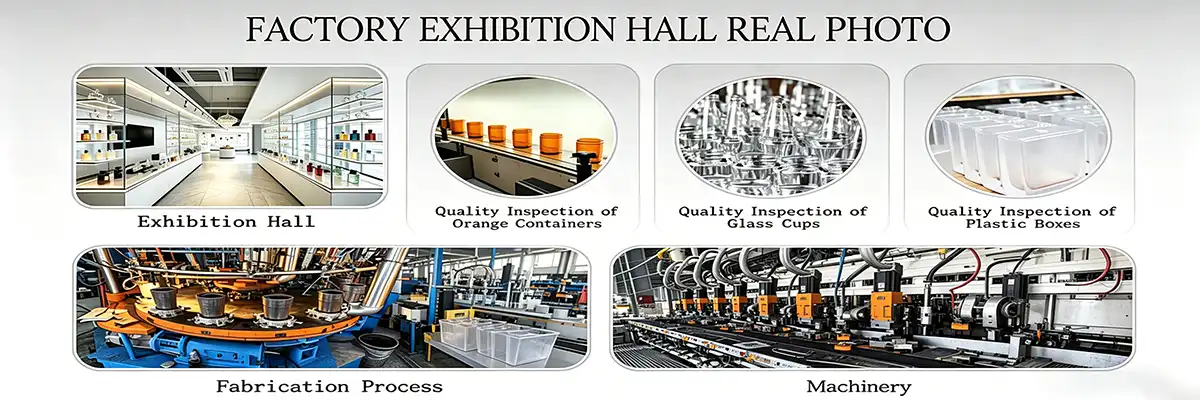
To find qualified manufacturers, you have to look at more than just price quotes. Your production capacity should match your volume needs, plus extra capacity in case demand goes up. Factories that are running at over 85% utilization have a hard time handling rush orders. Certification packages must include ISO 9001 for quality control systems and appropriate food-contact standards like FDA 21 CFR 175.300, even for cosmetic uses, to make sure the safety of the materials. Infrastructure for customization is very important. Having in-house mold workshops, painting equipment, and design teams makes working with multiple providers easier.
Total arrival costs are affected by geography. Companies like Muzhishi can find cheap raw materials in Xuzhou's manufacturing clusters, which are closer than coastal cities. This lowers base prices by 10 to 15 percent. Integrated logistics services make this benefit even stronger by making customs paperwork and loading containers easier. Established export operations show that they know what the target country needs, which keeps shipments from being held up for too long because of mistakes on the papers.
Customization and Branding Options
The way a logo is applied needs to fit your budget and your style preferences. Screen printing works well for simple designs with few colors, and it's a cheap way to print large quantities of durable items. Heat transfer labels can be used to make photocopies and can be made in shorter runs, but they are less resistant to wear and tear. Laser engraving on glass leaves a lasting mark that works well for refillable programs pushed by environmentally friendly brands, but setup costs mean that you have to commit to a certain number.
Performance can be improved by choosing the right materials within each category. Requesting certain types of plastic, like FDA-approved virgin PET versus recycled material, makes sure that scent formulas will work with them. Specifications for glass thickness combine the need for breakage protection with worries about weight. Options range from 2 mm budget walls to 5 mm luxury constructions. The gasket materials in lid assemblies have a direct effect on the integrity of the seal. In tests for moisture barrier integrity, silicone liners performed better than basic PE liners.
Order Management Best Practices
Sample evaluation stops mistakes in production that cost a lot of money. Asking for pre-production samples with real decoration methods shows possible problems that can't be seen in digital models, like color changes in different lighting, issues with printing inks sticking to certain surfaces, or size differences that affect how the closures work. Giving three to five days for reviewing real samples, as Muzhishi suggests, is enough time for evaluation without causing too much delay in the project schedule.
Protocols for communication should set clear standards for quality. Setting acceptable defect rates, like 0.5% for premium glass and 1% for plastic, makes sure that everyone knows what to expect. Setting inspection methods like ANSI Z1.4 sampling plans or fully automatic vision systems makes sure that all packages meet the same standards. Payment terms that protect both parties include payment structures that are tied to production goals and release of the final balance pending inspection approval.
Conclusion
When choosing between glass and plastic perfume cosmetic jars, you have to weigh your aesthetic goals against the practical needs. Glass offers unmatched prestige and protection for brands whose packaging communicates luxury and supports high prices. Plastic solutions are good for people on a budget and for distribution networks that are hard to set up. They also give you more design options than glass does. Instead of simply following industry norms, the best buying strategies choose materials based on how the product is positioned, what the target market wants, and what the supply chain can do. When making decisions, it's easier to see what the best option is when you look at the total cost of ownership, which includes things like shipping, decorations, and possible losses.
FAQ
Does plastic affect perfume scent quality over time?
When made correctly, high-quality PET and PP plastics that are approved for cosmetic use don't react much with alcohol-based fragrances. Tests done by separate labs show that high-quality plastics keep their smells for 18 to 24 months when stored normally. Problems can happen when using low-quality materials or formulas that don't work well together, so checking the supplier's certification is important during procurement.
Can plastic jars achieve luxury packaging aesthetics?
Through metallization, thick-wall construction, and acrylic materials, modern production methods make it possible for plastic cases to look a lot like glass. Some picky customers may be able to tell the difference by the way the products feel and weigh, but in competitive markets, many mid-tier brands use high-quality plastics and do well. When sophisticated decoration and structural features are used in package design, the impression gap gets a lot smaller.
Which material offers better environmental sustainability?
In every way, neither material is better for the earth than the other. Glass is better at being recyclable and harmless, but it's worse at using energy to make and move. Plastic is better for shipping and breaking down trash, but it's not recycled as much and can stay in place for a long time. The most environmentally friendly option will rely on how your supply chain is set up, the infrastructure of the market you're going to, and your product lifecycle plan.
Partner With Muzhishi for Your Cosmetic Jar Solutions
If you don't choose the right cosmetic jar provider, your perfume packing could hurt your brand's promise. At Muzhishi, we bring twenty years of specialized knowledge in making glass products and managing exports to every relationship with a client. Our one-stop customization services can turn your ideas for packing into products that are ready for production. We can make samples in just three to five days, and your account manager will make sure that your instructions are carried out correctly even if there are language or technical hurdles. Our Xuzhou production base offers high-quality products at lower prices by integrating supply chain relationships. This is true whether you need high-end glass cosmetic jars for boutique fragrance lines or cost-effective PET alternatives for large-scale retail distribution. You can email our team at long@muzhishi.com to talk about your needs with skilled cosmetic jar makers who know both the art and the logistics of global perfume packaging. Check out our full line of products at mzsglass.com to see how the right packaging partner can help you stand out in the market.
References
1. Anderson, M. & Thompson, L. (2021). Material Science in Cosmetic Packaging: A Comprehensive Guide to Glass and Polymer Applications. Boston: Packaging Technology Press.
2. Chen, Wei (2020). Global Supply Chain Management for Beauty and Personal Care Products. Singapore: International Trade Publications.
3. European Packaging Federation (2022). Sustainability Assessment of Primary Packaging Materials: Lifecycle Analysis Comparative Study. Brussels: EPF Research Division.
4. Morrison, J. (2023). Luxury Brand Positioning Through Sensory Packaging Design. New York: Brand Strategy Institute.
5. Patel, R. & Davidson, K. (2021). Perfume Preservation: Chemical Interactions Between Fragrance Compounds and Container Materials. Journal of Cosmetic Science, 72(4), 312-328.
6. United States Food and Drug Administration (2022). Guidance for Industry: Packaging Material Safety for Cosmetic Products. Washington: FDA Center for Food Safety and Applied Nutrition.
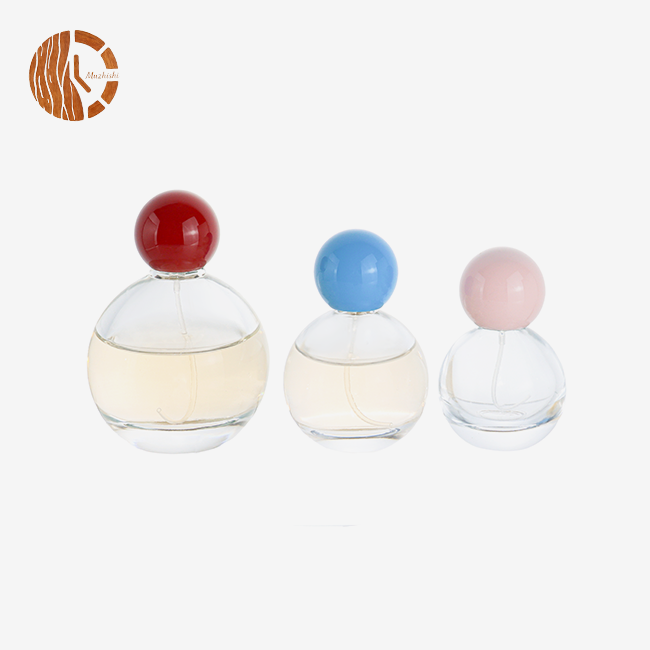
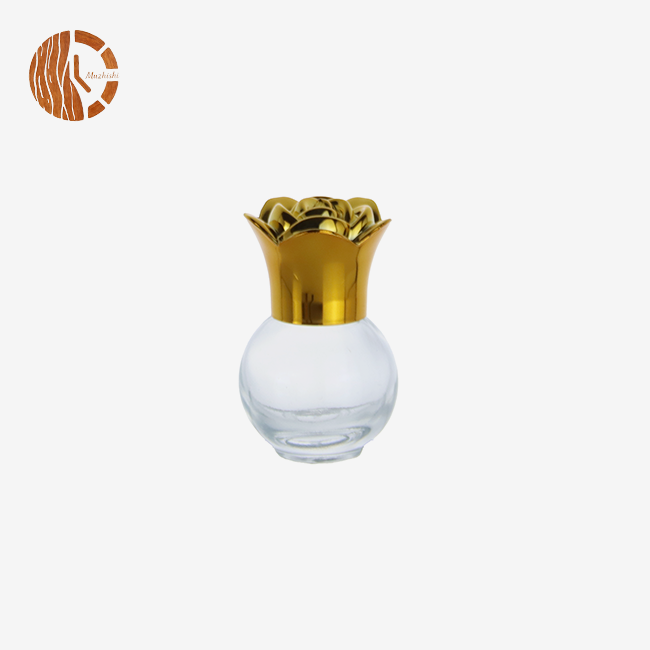

Our customers’ satisfaction speaks for our quality — contact us to experience the same reliable service.