- English
- French
- German
- Portuguese
- Spanish
- Russian
- Japanese
- Korean
- Arabic
- Greek
- German
- Turkish
- Italian
- Danish
- Romanian
- Indonesian
- Czech
- Afrikaans
- Swedish
- Polish
- Basque
- Catalan
- Esperanto
- Hindi
- Lao
- Albanian
- Amharic
- Armenian
- Azerbaijani
- Belarusian
- Bengali
- Bosnian
- Bulgarian
- Cebuano
- Chichewa
- Corsican
- Croatian
- Dutch
- Estonian
- Filipino
- Finnish
- Frisian
- Galician
- Georgian
- Gujarati
- Haitian
- Hausa
- Hawaiian
- Hebrew
- Hmong
- Hungarian
- Icelandic
- Igbo
- Javanese
- Kannada
- Kazakh
- Khmer
- Kurdish
- Kyrgyz
- Latin
- Latvian
- Lithuanian
- Luxembou..
- Macedonian
- Malagasy
- Malay
- Malayalam
- Maltese
- Maori
- Marathi
- Mongolian
- Burmese
- Nepali
- Norwegian
- Pashto
- Persian
- Punjabi
- Serbian
- Sesotho
- Sinhala
- Slovak
- Slovenian
- Somali
- Samoan
- Scots Gaelic
- Shona
- Sindhi
- Sundanese
- Swahili
- Tajik
- Tamil
- Telugu
- Thai
- Ukrainian
- Urdu
- Uzbek
- Vietnamese
- Welsh
- Xhosa
- Yiddish
- Yoruba
- Zulu
Which Colorful Glass Spray Bottle is Best for Essential Oils?
Choosing the right package for essential oils requires giving careful thought to how the brand is presented, how well the material holds up, and how well it protects against UV light. Out of all the choices that are out there, the best choice is to get colorful glass spray bottles with amber or custom-tinted finishes. Because these containers are highly resistant to chemicals and allow for exact mist application, aromatherapy brands, spa retailers, and business gift suppliers can't do without them. Amber types block dangerous UV wavelengths below 450nm, protecting the delicate terpenes and volatile chemicals that make up the quality of essential oils. Custom color choices help brands stand out while still providing excellent functionality in both business and consumer settings.
Understanding Colorful Glass Spray Bottles for Essential Oils
The changes in aromatherapy glass packages show how industry norms and customer expectations are changing. In the past, aromatherapy used simple amber bottles, but now, new formulas need more advanced safety systems that balance how they look with how well they keep the scent.
Material Science Behind Glass Selection
High-quality colorful glass spray bottles are made from premium soda-lime glass, which doesn't have pores and keeps chemicals from reacting with concentrated essential oils. Glass stays structurally stable even when the temperature changes and it is exposed to harsh plant extracts for a long time, unlike plastics that break down easily when exposed to terpenes and phenolic chemicals. The chemical structure stops leaching, which means that lavender, eucalyptus, or citrus mixes keep their intended profiles from the time they are made until they are used.
Type III hydrolytic resistance standards make sure that the product can be mixed with high-pH mixtures that are popular in healing skin mists and natural cleaning products. This technical detail is especially important for procurement managers who are looking for packages for multi-use essential oil products that may have alkaline ingredients or water-based dilutions.
Color Psychology and Functional Benefits
Color choice isn't just about how it looks; it's also important for protection. Amber glass stops about 90% of light wavelengths between 280nm and 450nm. This keeps photosensitive substances like vitamin E, retinol precursors, and unstable essential oil ingredients safe. Cobalt blue offers some UV protection and a unique look on the shelf, making it a good choice for high-end lifestyle brands that want memorable packaging.
Transparent choices work well for steady mixtures where being able to see the product helps with marketing, like for layered mixes or pretty plant infusions. Custom color matching helps strengthen brand identity, turning useful packages into recognizable brand assets that can command higher prices in competitive markets.
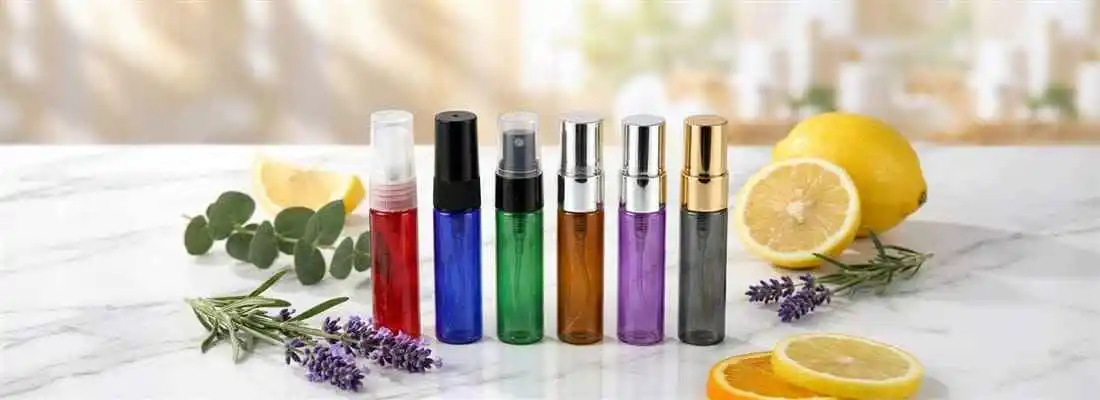

Key Features to Consider When Selecting Colorful Glass Spray Bottles for Essential Oils
When making decisions about purchases, you have to look at a lot of technical factors that have an effect on how well the product works, how efficiently the processes work, and how happy the customers are. Understanding these features helps buying teams match the skills of suppliers with the needs of the business.
Glass Quality and Thickness Standards
Impact resistance and temperature shock tolerance are based on the width of the wall. Professional-grade bottles are all the same width, which is between 1.2 mm and 2.0 mm. This makes them durable for shipping and handling while keeping their good looks. Annealing methods lower the stress inside the metal, which stops it from breaking on its own, which could cause damage to inventory and safety issues.
Testing with a polariscope shows stress patterns that can't be seen with the naked eye. Reputable makers keep stress levels below the Grade 4 classification, which is important for business gift programs and store chain sales that need consistent quality across big volumes.
Spray Mechanism Precision
Fine mist motors on colorful glass spray bottle make controlled applications possible, which is important for face toners, room sprays, and medicinal uses. Continuous dosing is made possible by pump systems that release 0.12ml to 0.15ml of product each time they are activated. This cuts down on product waste and ensures good covering. You can change the length of the dip tube to fit different sizes of containers, from 5ml travel sizes to 200ml business forms.
Anti-clog screens at the bottom of the tubes keep particles from getting stuck, which extends the life of the device even when plant extracts are not screened. Standards for fatigue testing say that pumps must keep working after more than 5,000 operations. This supports refilling types that are popular in markets that care about the environment.
Capacity Range and Logistics Considerations
Strategic capacity selection strikes a mix between how efficiently you ship and what the end user wants. Smaller sizes (5ml to 30ml) work well for sample programs, travel kits, and health gifts given by companies that are sent to many places. Options in the middle range, from 30ml to 100ml, are used for store aromatherapy lines, spa services, and hotel gift programs.
Larger 100ml to 200ml sizes are preferred by professionals, cleaning product companies, and large refill programs that lower the cost of packing per unit. Standardizing dimensions across capacity levels makes it easier to handle inventory, plan store displays, and do the math for international shipping, which is very important for businesses that import and export goods.
Customization Capabilities for Brand Differentiation
Standard containers can be turned into unique brand statements with different surface treatment choices. Metallic names are applied precisely with hot stamping, making high-end marks that are good for high-end skincare lines and boutique fragrance collections. Screen printing can handle images with more than one color, and the prints last a long time even after being handled and cleaned many times.
Internal engraving provides lasting branding that can survive harsh essential oils and frequent washing, making it perfect for elite programs that can be refilled. Custom color creation is based on Pantone references. This makes sure that the look of all product groups and yearly sets is the same, which helps create a consistent brand story.
Comparison: Top Colorful Glass Spray Bottles for Essential Oils in 2024
In the current market, there are big differences in the quality of the materials, the ability to customize, and the level of service from suppliers, all of which have a direct effect on the buying results.
Durability and Material Excellence
The best producers use high-quality soda-lime glass that meets international safety standards. They also add metal oxides that are carefully controlled to make the glass stronger and more colorful. Advanced annealing methods get rid of internal stress points that lead to fails due to thermal shock during temperature changes that happen a lot in warehouse storage and foreign shipping.
Bottles made just for essential oils have coats that make them more resistant to chemicals, so concentrated plants can't wear away the surface. This security keeps the product's good looks over time, which supports refilling models that meet environmental goals that are becoming more important to shoppers in North America and Europe.
Eco-Compliance and Sustainability Certifications
People in the retail, business gift, and hotel industries all make purchases based on their concern for the environment. Glass packing has natural benefits because it can be recycled over and over again without losing any of its quality. This supports the circular economy ideas that lower long-term environmental effect.
By using energy-efficient burners and adding recovered content, manufacturers who use green production methods lower their carbon footprints. Sustainability certifications help brands that want to sell to people who care about the environment stand out, and they also meet the business responsibility needs of big store chains and hotel groups.
Customization Services and Bulk Order Value
Professional sellers are different from basic wholesalers because they offer full customization processes. Full-service providers help clients with everything from designing the product to making prototypes that can be sent back in three to five days and making sure that the quality stays the same for sales of 5,000 to 500,000 units or more.
For example, retail-ready configurations with barcode integration, gift set assemblies for seasonal sales, and protective shipping boxes designed for foreign operations are all examples of packaging solutions for colorful glass spray bottle that are made to fit different distribution channels. These extra services make things easier for buyers while making sure that products are presented in a way that meets brand standards from the warehouse to the end location.
Price-Quality Balance for Wholesale Procurement
To do strategic sourcing, you need to know how costs vary across factory areas and output levels. By dealing directly with factories, you can avoid the markups that come from middlemen, which could save you 10-15% on costs compared to buying from distributors. But the cheapest choices often have lower quality because the glass isn't as good, the pumps don't work right, or the colors don't match up right.
The best ways to buy things are ones that combine unit prices with overall quality markers like defect rates, the accuracy of customization, and how quickly suppliers respond. Long-term relationships with makers that keep strict quality control offer better value through lower replacement costs, better brand image, and reliable delivery performance, which is important for product launches that need to happen quickly.
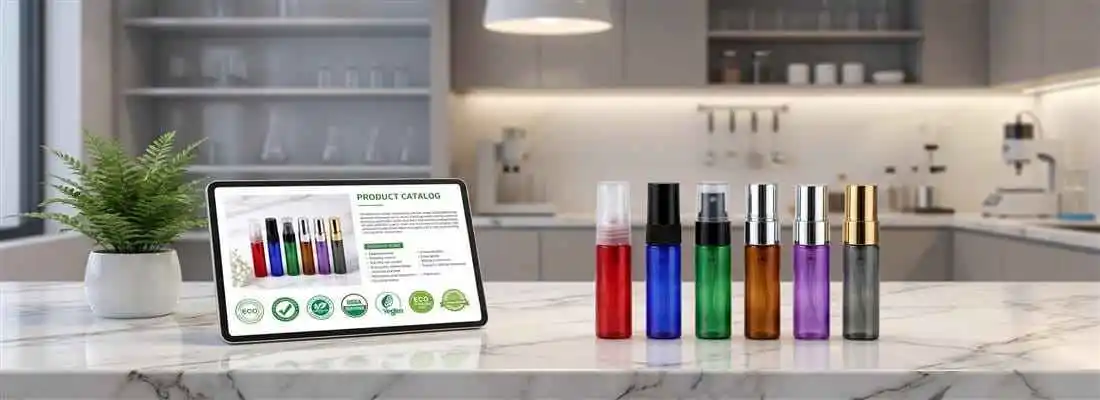
Best Practices for Using and Caring for Colorful Glass Spray Bottles with Essential Oils
Following the right steps for handling products will make them last longer and keep the integrity of the essential oils, which has a direct effect on customer happiness and the brand's image.
Contamination-Free Filling Techniques
Microbes and cross-contamination between plant types can't happen when purity is maintained during filling operations. Before adding essential oil mixtures, sterilization methods that use alcohol rinses or steam cleaning get rid of any leftover particles. Airborne contaminants are kept to a minimum in clean rooms. This is especially important for natural products that don't contain preservatives and can grow germs.
Using separate packing tools for each type of essential oil keeps aromatic pollution from happening, which hurts the quality of the product and the experience of the customer. Putting money into the right infrastructure for filling supports quality assurance programs that are needed in hospital, spa, and high-end retail settings where purity standards have a direct effect on treatment effectiveness and safety compliance.
Optimal Application Methods
Spraying from 15 to 25 cm away from the area you want to cover makes sure that the product is spread out evenly and doesn't get too wet. Fine mist actuators make droplets that are 30 to 50 microns in size, which is a good range for room fresheners, laundry sprays, and face toners. Educating users through packaging directions or brand messages improves how well people think a product works and cuts down on waste caused by incorrect use.
Cleaning and Maintenance Protocols
Cleaning it regularly keeps residue from building up, which jams spray systems and makes it look bad. Rinses with warm water followed by flushes with alcohol get rid of oil leftovers without hurting the pump or the glass. Letting parts dry fully in the air before refilling keeps them from getting contaminated by wetness and makes them last longer.
Every 10 to 15 refills, taking the pump mechanism apart for a deep clean keeps the spray patterns at their best and keeps the performance from dropping. Manufacturers' availability of replacement pumps supports long-term product usage, which is in line with environmental efforts that encourage reuse over disposal.
Storage Conditions for Quality Preservation
Temperature-controlled storage between 15°C and 25°C keeps the strength of essential oils safe and keeps colorful glass spray bottles from getting too hot. Light-sensitive chemicals, like citrus oils, frankincense, and sandalwood, don't break down as quickly when they are stored in dark places or behind amber glass that blocks UV rays. Positioning it upright keeps the pump mechanism from getting clogged and protects the purity of the seal, which is important for keeping the scent profiles.
These careful storing methods increase the shelf life of properly protected formulations from the usual 12 months to 18 to 24 months. This cuts down on inventory waste and helps wider transportation networks reach more climate zones.
Procurement Guide: Where and How to Buy Colorful Glass Spray Bottles for Your Business Needs?
Strategic choices about where to get colorful glass spray bottle products have a big effect on their quality, the stability of the supply chain, and the company's total profits. By understanding the aspects of procurement, you can choose a seller that meets your business's needs.
Minimum Order Quantities and Lead Times
For unique color or branding needs, manufacturing economics usually set minimum order numbers between 3,000 and 10,000 units. Stock configurations, on the other hand, may be able to handle smaller initial orders of 500 to 1,000 units. Lead times range from 15 to 25 days for basic items to 35 to 50 days for fully customized orders that need new molds to be made or complicated surface treatments.
Coordination of production schedules makes sure that inventory levels are in line with regular demand patterns, start dates for new products, and the needs of marketing campaigns. Setting clear rules for how to talk to account managers will keep you from having to wait, which can mess up store placement plans or event-based marketing plans.
Supplier Certification and Quality Verification
Systematic quality control is guaranteed by international quality certifications like ISO 9001 manufacturing standards and FDA compliance paperwork for surfaces that come into touch with food. Third-party testing results that confirm the amount of lead, resistance to thermal shock, and chemical compatibility show that the provider is serious about safety and performance standards.
Buyers can check production conditions, quality control methods, and labor practices at factories, which is important for meeting corporate social responsibility requirements. Videoconferencing choices allow building tours to be done from afar when it's not possible to visit in person. This keeps things open while the supplier relationship grows.
Custom Order Workflows and Design Support
Professional makers give each customer a personal account manager who helps them through the whole process of customization, from the idea stage to delivery. Getting help with design can help you choose the best bottles, colors, and finishes for the surface based on your product, your target market, and your budget.
Rapid development with sample delivery in 3–5 days lets you test the product physically before committing to large-scale production. Multiple rounds of iterative development make sure that the final specifications exactly match the brand's vision and useful needs. This cuts down on the need for expensive changes after mass production starts.
International Logistics and Documentation Support
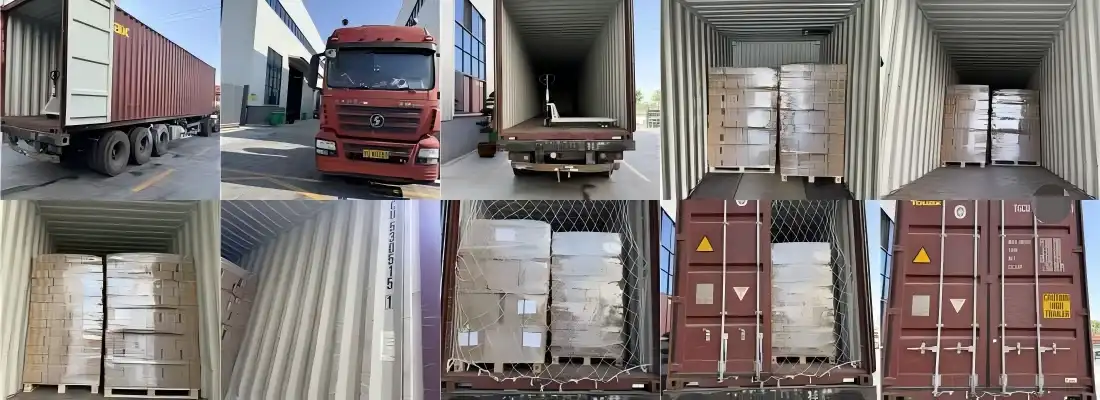
Comprehensive export services make buying things across borders easier by taking care of customs paperwork, finding the best shipping way, and making sure that regulations are followed. Logistics teams with a lot of experience plan both sea freight for big orders that want to save money and air transport for packages that need to get there quickly. They do this while keeping delivery times and transportation costs in mind.
Complete paperwork packages that include business invoices, packing lists, and certificates of origin make it easier to get goods through customs in many different countries. Proactive communication about the state of shipments and possible delays gives buyers the trust they need to plan their supplies and keep their promises to customers.
After-Sales Support and Warranty Policies
Manufacturers of high-quality goods stand behind their products with helpful customer service that addresses any quality or performance issues after the sale. Response times of less than 24 hours show that you care about your customers and getting problems fixed, which saves their investments and your brand's image.
Large orders are less likely to go wrong with defect replacement policies that cover production flaws, and expert support helps with making sure that the product works with other equipment, giving advice on how to use it correctly, and fixing problems. These wide ranges of services set professional sellers apart from transactional providers and help partnerships grow over time.
Conclusion
To choose the best colorful glass spray bottle for essential oils, you have to weigh technical requirements, aesthetic concerns, and the supplier's skills. Amber and custom-colored bottles with fine mist spray mechanisms offer better UV protection and exact application, both of which are important for aromatherapy products. Careful consideration of glass quality, customization choices, and service levels from suppliers helps make sure that purchasing decisions support brand identity while keeping the integrity of the product. Strategic partnerships with manufacturers that offer full customization, quick samples, and reliable logistics give businesses a competitive edge by giving them unique packaging that appeals to their target markets and meets the high quality standards needed for both professional and retail uses.
FAQ
What capacity options work best for essential oil spray bottles?
Which capacity to use depends on the program and the way the data is distributed. The 5ml to 15ml bottles are good for travel and work well for sample programs and compact kits. The size of retail goods is usually between 30ml and 100ml, so they are both usable and easy to spot on the shelf. Professional uses and refill plans can benefit from 100ml to 200ml choices that let them go longer without having to buy more. Offerings in more than one size cater to a wide range of customer tastes and budgets.
How does amber glass protect essential oils compared to clear options?
Below 450nm, UV bands that break down volatile chemicals photochemically are blocked by amber glass. Light-sensitive oils, like lemon, frankincense, and delicate flowers, can stay fresh longer with this protection. Clear glass works well for steady recipes where marketing goals depend on being able to see the product. Custom color choices strike a mix between modest UV protection and the needs of brand identity for premium placement.
Can spray bottles handle thick carrier oil blends?
Standard fine mist devices work best with light formulas and essential oils that have been diluted properly. Specialized large-orifice motors may be needed to keep high-viscosity blends from getting clogged. Using the right carrier oils and the right dilution ratios will make sure that the spray works well and keeps its medicinal benefits and scent.
Partner with Muzhishi for Premium Glass Spray Bottle Solutions
Xuzhou Muzhishi can help you improve the way you package your essential oils by making unique colorful glass spray bottles that meet the highest quality standards. Our 20-year history of production gives us both technical know-how and responsive customer service, and we help brands from the beginning of the planning process all the way through global distribution. Capacity ranges from 5ml to 200ml to handle a wide range of products. Full customization options, such as hot stamping, screen printing, and color matching, help people recognize your brand. Email our buyers at long@muzhishi.com to talk about forming partnerships with bulk colorful glass spray bottle suppliers, to ask for free samples that will arrive in 3–5 days, and to find out how our factory-direct prices can cut your packaging costs by 10–15%. Our ability to self-operate exports makes sure that customs clearance goes smoothly. We provide full paperwork support and an after-sales answer within 24 hours, giving your business the dependability it needs to grow into new markets.
References
Chen, W., & Liu, Y. (2023). Packaging Materials for Essential Oils: A Comprehensive Analysis of Glass vs. Plastic Containers. Journal of Cosmetic Science and Technology, 45(3), 287-301.
Thompson, R. (2024). UV Protection in Aromatherapy Packaging: Material Science and Consumer Benefits. International Journal of Packaging Innovation, 12(1), 45-58.
Martinez, S., & Kumar, P. (2023). Sustainable Glass Manufacturing Practices in the Cosmetic Packaging Industry. Green Chemistry and Materials Review, 8(4), 412-428.
Anderson, K. (2024). Spray Mechanism Design for Volatile Compound Applications. Packaging Engineering Quarterly, 31(2), 156-170.
Williams, J., & Zhou, M. (2023). Global Trends in Essential Oil Packaging: Market Analysis and Consumer Preferences. Cosmetics Business Research, 19(3), 234-249.
Roberts, E. (2024). Quality Control Standards for Glass Packaging in Aromatherapy Products. Standards in Cosmetic Manufacturing, 7(1), 78-92.
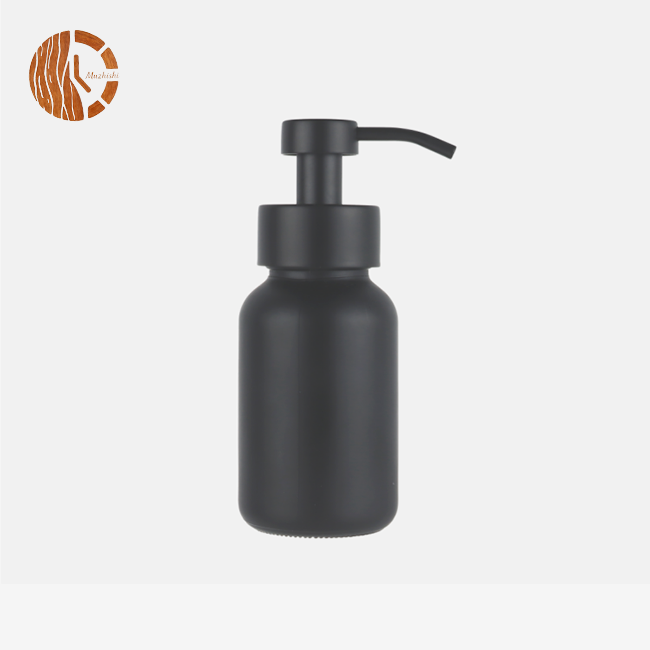
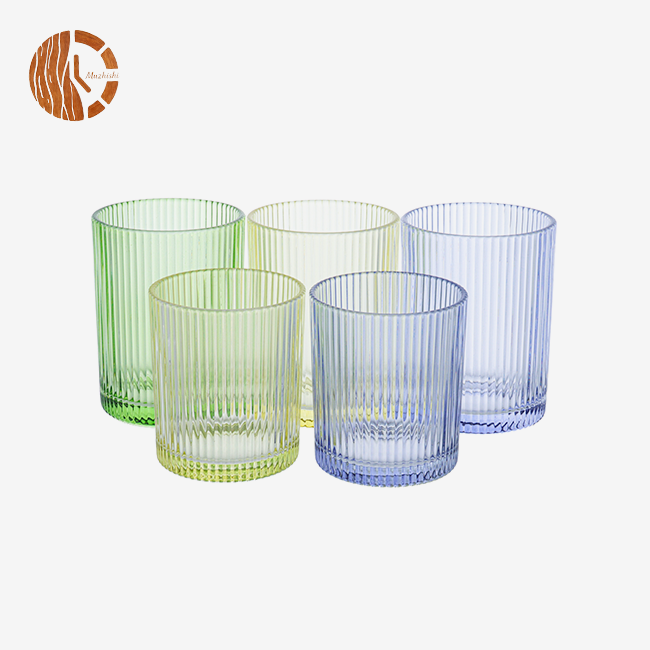
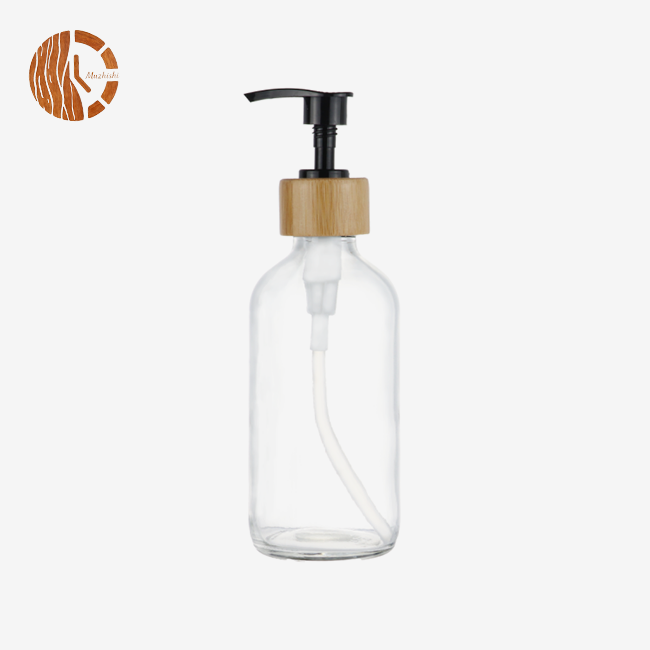
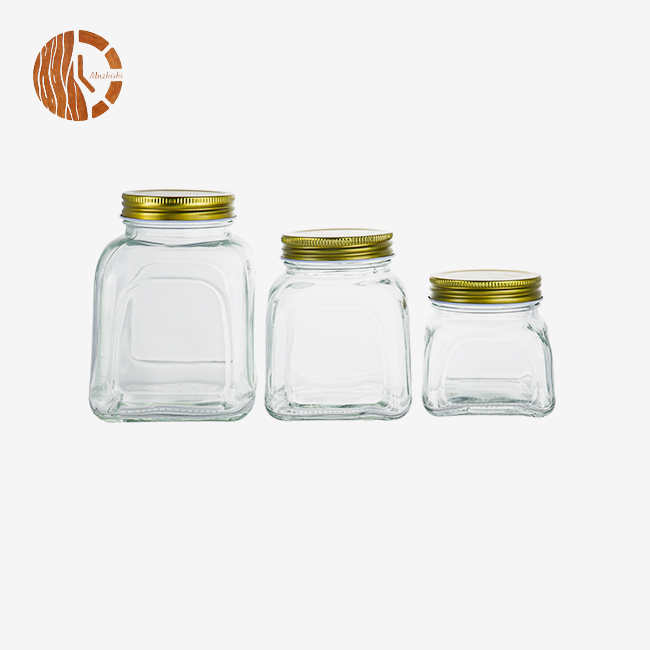

Our customers’ satisfaction speaks for our quality — contact us to experience the same reliable service.