- English
- French
- German
- Portuguese
- Spanish
- Russian
- Japanese
- Korean
- Arabic
- Greek
- German
- Turkish
- Italian
- Danish
- Romanian
- Indonesian
- Czech
- Afrikaans
- Swedish
- Polish
- Basque
- Catalan
- Esperanto
- Hindi
- Lao
- Albanian
- Amharic
- Armenian
- Azerbaijani
- Belarusian
- Bengali
- Bosnian
- Bulgarian
- Cebuano
- Chichewa
- Corsican
- Croatian
- Dutch
- Estonian
- Filipino
- Finnish
- Frisian
- Galician
- Georgian
- Gujarati
- Haitian
- Hausa
- Hawaiian
- Hebrew
- Hmong
- Hungarian
- Icelandic
- Igbo
- Javanese
- Kannada
- Kazakh
- Khmer
- Kurdish
- Kyrgyz
- Latin
- Latvian
- Lithuanian
- Luxembou..
- Macedonian
- Malagasy
- Malay
- Malayalam
- Maltese
- Maori
- Marathi
- Mongolian
- Burmese
- Nepali
- Norwegian
- Pashto
- Persian
- Punjabi
- Serbian
- Sesotho
- Sinhala
- Slovak
- Slovenian
- Somali
- Samoan
- Scots Gaelic
- Shona
- Sindhi
- Sundanese
- Swahili
- Tajik
- Tamil
- Telugu
- Thai
- Ukrainian
- Urdu
- Uzbek
- Vietnamese
- Welsh
- Xhosa
- Yiddish
- Yoruba
- Zulu
Why 500ml Glass Food Containers Are So Popular?
The reason why 500ml glass food containers are so common is that they are very useful, safe, and environmentally friendly. This amount of space is ideal for single-serve meals, controlling portions in professional kitchens, and retail packing. More and more businesses in the food service, retail, and hospitality industries are choosing these containers because they don't leach chemicals like plastics do, can be used in the microwave and dishwasher, and are in line with new environmental laws that require recyclable packaging. The normal 500ml glass food container size works well with current supply lines and can be used for a wide range of storage needs, from gourmet food stores to workplace gifting programs.
Understanding 500ml Glass Food Containers
Material Composition and Construction Standards
Borosilicate glass and soda-lime glass are the two main types of glass used to make 500ml glass food containers. Different types of borosilicate have a low rate of thermal expansion, which means they can handle temperature changes quickly from -20°C to 150°C. This makes them good for use in situations where the temperature needs to change quickly from freezer to oven. Soda-lime glass is clear and has a hard surface, and it doesn't cost much to make. Both materials meet FDA CFR 21 and EU 1935/2004 food contact rules, which means they won't react chemically with acidic foods like tomato sauces or alkaline ingredients when they are stored.
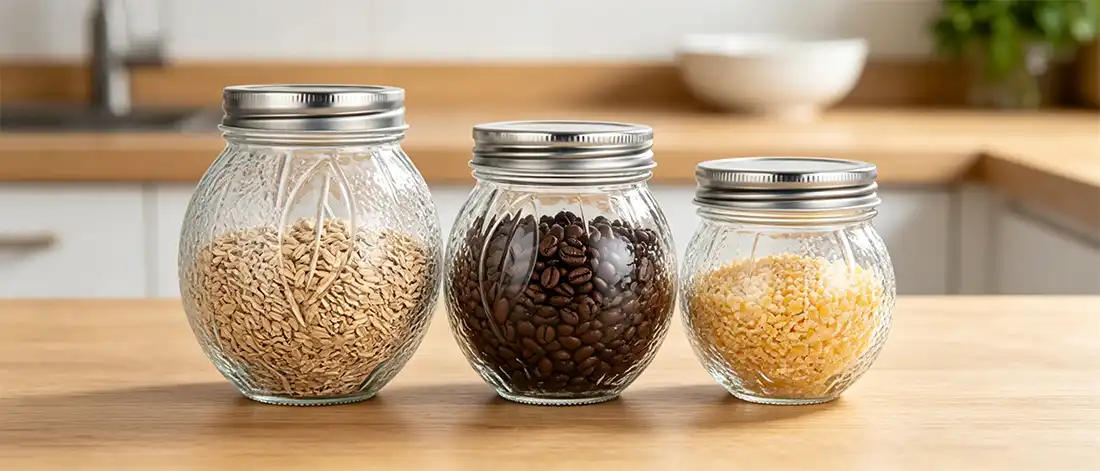
The 500ml glass food container volume, which is about 17 ounces, is big enough for single-serving meals, two to three servings of jam, or large spice storage. The exact sizes of Muzhishi's containers—10.8 cm in height and 10 cm in diameter—make them perfect for stacking in warehouses and showing off on store shelves. The 5.8cm mouth width strikes a good mix between being easy to fill and being strong.
Lid Technology and Sealing Mechanisms
How well 500ml glass food containers work in business settings depends on how well their sealing methods keep air out. Screw-cap lids with silicone seals, metal twist caps for tamper-evident packaging, and BPA-free polypropylene snap lids for easy access are all types of closures that can be used. The rubber seal stops almost all oxygen from leaking out, which keeps the product fresh longer by stopping oxidation and wetness from getting in. Gaskets that can be taken off make cleaning easier and meet HACCP guidelines for food service businesses.
Capacity Versatility Across Applications
The 500ml glass food container size meets the needs of many industries at the same time. These bins are used by restaurant owners to organize the set-up area and package food for takeout. Retail buyers like the serving size for honey, nut butters, and specialty jams that need clear packaging for showing off. They are used by event planners to package wedding favors and show off desserts. The ability to do more than one thing at once makes SKUs easier for wholesalers to understand while still appealing to a wide range of customers.
Comparing 500ml Glass Food Containers with Alternatives
Performance Against Plastic Containers
Plastic storage options may save you money at first, but they will cost you in the long run. Polypropylene containers take in smells and stains from turmeric and tomato-based foods, which hurts how people think of the brand in stores. The 500ml glass food container stays clear even after hundreds of runs in the dishwasher, so named items will still look good. Because glass is chemically stable, there are no worries about BPA, phthalates, or microplastics getting into food, which is something that health-conscious customers and regulatory agencies are becoming more concerned about.
Environmental concerns are becoming more and more important in buying choices for 500ml glass food container. 500ml glass food containers can be recycled over and over again without breaking down, which supports efforts to create a circular economy. The Container Recycling Institute did a study in 2022 and found that more than 65% of glass in business settings is recycled, while only 32% of mixed plastics are recycled. Businesses that want to get LEED approval or meet ESG reporting requirements can benefit from showing that they use glass packing.
Stainless Steel Comparison
For food service settings with a lot of customers, stainless steel dishes are very resistant to being hit. But opacity makes it impossible to see the product, which is a big problem for store displays and self-service apps for customers. Customers can see the quality, freshness, and amount of product in 500ml glass food containers without having to open the covers. Glass is also better than stainless steel when it comes to microwave compatibility. Stainless steel can't be used for reheating foods in microwaves, which is popular in office cafeterias and meal prep services.
Lid System Evaluation
It's not enough to compare just the materials of 500ml glass food containers; you also need to compare how they close. Silicone gasket systems have better resistance to compression set, so the seal stays intact even when the temperature changes. Retail items that need safety covers can use aluminum screw caps to show that they have not been tampered with. When choosing providers, businesses should look at how well the lid works with automatic filling equipment, how easy it is for older people to open, and how many replacement parts are available.
How to Choose the Best 500ml Glass Food Container for Your Business?
Assessing Material Quality and Certifications
Third-party testing documents should be required by the requirements for the purchase of a 500ml glass food container. Ask for papers that say the product is made without lead, meets standards for thermal shock protection, and is safe for food contact. Muzhishi makes sure that containers meet international safety standards by giving full test results that include heavy metal migration analysis and measurement correctness verification. When working with temperature stress, the coefficient of thermal expansion for borosilicate glass should be less than 3.3 x 10^-6/K.
Customization Capabilities for Brand Differentiation
Strategic customization turns plain packages into assets for a brand. Surface treatment choices make products look unique, which raises their perceived value. Hot stamping makes metallic logos, acid-etching makes lasting frosted designs, inside engraving makes complex branding that can't be seen through surface wear, and screen printing makes graphics in more than one color. You can change the color of more than just clear glass. For light-sensitive items, you can use amber glass, and for brand consistency, you can use custom Pantone matching.
Full ODM/OEM processes can be used with Muzhishi's modification services. Prototyping is done by our design team in three to five days, which allows for quick product development processes. This flexibility is helpful for holiday advertising, releasing limited-edition products, and workplace gifting programs that need custom packaging. To keep the brand consistent across all touchpoints, dedicated account managers plan where logos go, how labels are applied, and how special packing boxes are designed.
Supplier Evaluation Criteria
Partnering with a reliable 500ml glass food container provider requires more than just looking at unit prices. Check the production capacity to make sure it can adapt to changes in demand. For example, Muzhishi's partnerships with Jiangsu glass sheet suppliers allow for a range of order sizes, from small specialty runs to container loads. Test samples from different production runs to make sure the quality is consistent. Check out the logistics, such as the customs paperwork, export packaging guidelines, and choices for combining freight.
Pricing Structure and Volume Discounts
Response time and communication methods have a big effect on how efficiently buying works. Muzhishi responds to questions 24 hours a day, seven days a week, and gives each customer their own account manager to help them keep track of orders, fix quality problems, and set up shipping times. These service standards make it possible to manage goods just-in-time and keep the supply chain running smoothly.
Understanding what causes 500ml glass food container costs is important for negotiating well. The price of glass containers depends on how much the materials cost, how hard they are to make, how much customization is needed, and how many are ordered. Standardized patterns in clear glass are the most cost-effective option. Custom colors and surface treatments, on the other hand, come with extra costs that are worth it for brand identity. Through more efficient production and better freight management, bulk buying deals lower the cost of each unit. Compared to wholesalers who work through middlemen, Muzhishi's combined supply chain saves them 10 to 15 percent on costs.
Best Practices for Using and Maintaining 500ml Glass Food Containers
Safe Handling and Temperature Protocols
Following the right operating methods will extend the life of a 500ml glass food container and keep accidents from happening. Allow the temperature of containers to slowly change when moving them from one extreme to the other. For example, take containers out of the fridge 10 to 15 minutes before putting them in the microwave to avoid thermal shock. Do not put cold items straight into ovens that are already hot. Borosilicate containers can handle more heat stress than soda-lime versions, which makes choosing the right material important for tasks that need to deal with frequent temperature changes.
Stacking rules keep machines from breaking or being stressed out. Keep packages with lids on top of each other so that air can flow and moisture doesn't build up. To keep packages from rolling off of shelves, use shelf dividers or storage racks with separate sections. In business kitchens, use color-coded inventory systems with different colored lids to show different types of products or times of production.
Cleaning and Maintenance Procedures
Bacteria can't stick to glass as well as they can to plastic because it doesn't have pores. However, it's still important to keep things clean. Setting a commercial dishwasher to 60–80°C cleans glass objects well without changing the qualities of the material. Take the seals off of the lids before you wash them to keep mold from growing in the cracks. Check gaskets once a month and change them once a year in high-use areas to keep the seal working well. The smooth surface of the glass doesn't get scratches that let germs grow, unlike scored plastic containers that need to be replaced often.
Common Usage Pitfalls
Do not use rough cleaners that can make tiny cracks in the surface. For glass, use alkaline cleaners that are made to remove protein and fat remains without etching. Rinse well to get rid of soap films that change the taste of food. To avoid water spots, air dry upside down. This is especially important for store show containers where clarity affects buying decisions.
When you don't understand what an object can do, it fails before it should. For fizzy drinks, 500ml glass food containers shouldn't be used because the pressure can break the seal. When freezing liquids, don't fill containers all the way to the top; leave 10% room for growth to avoid stress cracks. Do not use containers that are broken or have chips or cracks in them, as the structure stability is lost and there are safety risks. By making containers last longer, these care practices lower running costs and help make sure food safety rules are followed. Cleaning procedures that are written down show that care was taken during quality and health inspections, which protects the brand's image and legal standing.
Procurement and Ordering Guide for 500ml Glass Food Containers
Sourcing Channels and Supplier Networks
Multiple sources of supply should be balanced in good buying plans for the 500ml glass food container. Direct ties with manufacturers, like the ones you can find through Muzhishi, offer the best prices, the most customization options, and the guarantee of quality. Our self-operated import-export licensing makes international trade easier by offering full customs documentation, such as business invoices, packing lists, and certificates of origin that are tailored to the needs of the target country. This unified method gets rid of markups for middlemen and makes sure that regulations are followed.
Online business-to-business (B2B) sites are extra ways to find suppliers for small sales and product samples. Direct connections, on the other hand, offer strategic benefits such as priority scheduling for production, unique customization options, and specialized technical support. With 20 years of experience in manufacturing, Muzhishi can help you solve problems by working together. Our team gives you advice on the best containers for your goods, makes sure the packaging is the most efficient it can be for shipping, and quickly fixes quality problems with rapid response methods.
Volume-Based Procurement Strategy
The amount of an order has a big effect on unit costs and the speed of the supply chain. Optimizing container loads cuts down on freight costs per unit and makes sure that stock is always available. Muzhishi has flexible minimum order numbers that can be used by both new names testing the market and established businesses that need a steady supply. The different levels of volume discounts show how much more efficiently the production process is working, with big saves at pallet and container load levels.
Putting in place vendor-managed inventory systems makes supply lines more stable and lowers the cost of storage. Suppliers keep extra stock on hand and make sure that supplies happen at times that work with production processes. This method works especially well for holiday companies whose demand changes. It makes sure that containers are available during busy times without having to pay extra to store extra items during slower times.
Sample Evaluation Process
Before agreeing to large sales, suppliers must prove their claims with a physical sample. Instead of specially made display pieces, ask for samples that show the real quality of the production. Real-world testing with the intended goods is the best way to check the consistency of dimensions, the fit of the lid, and the effectiveness of the seal. Check the brightness of the glass, the quality of the surface finish, and the correctness of the customization. Muzhishi gives away free samples with freight-collect shipping, so you can try them out completely without having to make a purchase.
Review internal stakeholders with the help of the marketing, quality testing, and management teams. The operations team looks at how the item can be handled and how well it will store. Quality teams make sure that food safety rules are being followed. In marketing, brand alignment and customer attraction are looked at. This joint review process finds possible problems before they become widespread, which lowers the risks of implementation.
Conclusion
The fact that 500ml glass food containers are still very popular shows that they meet modern business goals for safety, sustainability, and brand differentiation. Material benefits like not reacting with chemicals, being resistant to heat, and being able to be recycled over and over again meet both regulatory needs and customer desires. The normal capacity can be used for a wide range of tasks, from business food service to store packaging. This makes things simpler while still letting them be flexible. To do good buying, you need to pay attention to things like material certifications, the ability to customize, and the dependability of the seller. Businesses that want reliable supply lines and high-quality glass containers can use Muzhishi's combined production and export services. Using glass packaging in a smart way improves the image of a brand while also helping with operating efficiency and being environmentally friendly.
FAQ
Are 500ml glass food containers safe for microwave and dishwasher use?
When used correctly, 500ml glass food containers made from borosilicate or soda-lime glass can handle being in the microwave or dishwasher. Take off the metal lids before cooking the containers in the microwave, and make sure the containers go from one high temperature to the other slowly. Standard-temperature commercial dishwashers don't change the qualities of glass, but gaskets should be checked for tension set every so often.
What customization options are available for bulk orders?
Surface processes like hot stamping, acid-etching, and screen printing for image placement are all part of full customization. You can choose from basic clear to unique Pantone matching colors. Changes in bottle form, lid type, and packaging box design all make brand presents stand out. As part of its ODM services, Muzhishi offers design advice and fast prototyping to make unique requirements come true.
How do glass containers compare environmentally to plastic alternatives?
Glass can be recycled over and over again without breaking down, which supports the ideas of the circle economy. The material doesn't release toxins or make microplastics, so there are no worries about it polluting the environment. Even though it takes more energy to make than plastic at first, its longer lifespan and ability to be recycled make it a good choice for businesses that want to get sustainability certifications.
Partner with a Reliable 500ml Glass Food Container Manufacturer
If you work with Xuzhou Muzhishi Crafts Co., Ltd., you'll get 20 years of experience making great 500ml glass food container. Food-grade materials, precise engineering, and a lot of customization options make up our containers. They are used by companies ranging from small stores to global distributors. We offer free samples, personalized account management, and full export services that include customs paperwork and coordinating supplies. Our relationships in the local supply chain help us keep costs down while still meeting strict quality standards that are checked by thermal shock testing, seal verification, and heavy metal movement analysis. Email our team at long@muzhishi.com to talk about your unique needs, look into the options for customization, and get big discounts that are tailored to your purchasing goals. Find out how working with an experienced glass container seller can change packing from something you buy as a commodity to something that helps your brand.
References
Chen, L., & Morrison, K. (2021). Material Safety in Food Contact Applications: Comparative Analysis of Glass, Plastic, and Metal Containers. Journal of Food Science and Technology, 58(4), 1245-1258.
Anderson, R. T. (2022). Sustainable Packaging Solutions for Commercial Food Service: Lifecycle Assessment of Reusable Container Systems. International Journal of Hospitality Management, 97, 102-115.
Williams, J. D., & Zhang, H. (2020). Thermal Properties and Performance Standards for Borosilicate Glass in Food Storage Applications. Materials Science and Engineering Reports, 142, 78-94.
Peterson, M. L. (2023). B2B Procurement Strategies in Food Service Supply Chains: Quality Assurance and Supplier Evaluation Frameworks. Supply Chain Management Review, 27(2), 34-47.
Thompson, S. R., & Kumar, V. (2021). Consumer Preferences and Brand Perception in Food Packaging: The Role of Material Transparency and Sustainability Claims. Journal of Consumer Research, 48(3), 412-429.
Martinez, E. F. (2022). Regulatory Compliance and Safety Standards for Food Contact Materials in International Trade. Food Control Journal, 133, 108-122.

Our customers’ satisfaction speaks for our quality — contact us to experience the same reliable service.