- English
- French
- German
- Portuguese
- Spanish
- Russian
- Japanese
- Korean
- Arabic
- Greek
- German
- Turkish
- Italian
- Danish
- Romanian
- Indonesian
- Czech
- Afrikaans
- Swedish
- Polish
- Basque
- Catalan
- Esperanto
- Hindi
- Lao
- Albanian
- Amharic
- Armenian
- Azerbaijani
- Belarusian
- Bengali
- Bosnian
- Bulgarian
- Cebuano
- Chichewa
- Corsican
- Croatian
- Dutch
- Estonian
- Filipino
- Finnish
- Frisian
- Galician
- Georgian
- Gujarati
- Haitian
- Hausa
- Hawaiian
- Hebrew
- Hmong
- Hungarian
- Icelandic
- Igbo
- Javanese
- Kannada
- Kazakh
- Khmer
- Kurdish
- Kyrgyz
- Latin
- Latvian
- Lithuanian
- Luxembou..
- Macedonian
- Malagasy
- Malay
- Malayalam
- Maltese
- Maori
- Marathi
- Mongolian
- Burmese
- Nepali
- Norwegian
- Pashto
- Persian
- Punjabi
- Serbian
- Sesotho
- Sinhala
- Slovak
- Slovenian
- Somali
- Samoan
- Scots Gaelic
- Shona
- Sindhi
- Sundanese
- Swahili
- Tajik
- Tamil
- Telugu
- Thai
- Ukrainian
- Urdu
- Uzbek
- Vietnamese
- Welsh
- Xhosa
- Yiddish
- Yoruba
- Zulu
Why Glass Bottles Protect Essential Oil Quality?
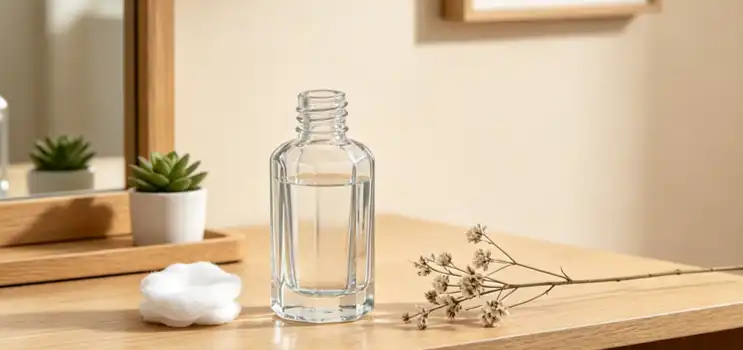
Three important things keep essential oils safe: the glass's non-porous surfaces keep oxygen out, the glass's full chemical inertness stops molecular interactions, and the amber or cobalt-tinted glass's better UV-blocking abilities. But a small essential oil bottle made from borosilicate or soda-lime glass keeps the molecular purity of delicate terpenes and aldehydes safe, while plastic containers can leak phthalates or let volatile aromatic compounds escape. This preservation directly affects how well the medicine works, how long it lasts, and how happy the customer is. For brands that want to offer pure botanical quality, glass is the only option.
Understanding the Problem: Why Essential Oils Need Proper Protection?
Essential oils are pure plant essences that need to be carefully looked after all the way through their lives. Environmental factors are always a threat to these volatile chemicals, and procurement workers need to know about them in order to make smart decisions about packaging.
The Science Behind Essential Oil Degradation
Oxidation is the main thing that can damage the purity of essential oils. When oxygen molecules get into packages, they start chemical processes that change the smells and make the therapeutic qualities less effective. Citrus oils with limonene are especially fragile. Within weeks of being exposed to air, their fresh, energizing smell can change into a stale, turpentine-like one. Another problem is photodegradation caused by light. Ultraviolet rays damage chemical structures, changing the color and strength of substances. Studies have shown that within three months of being exposed to light, lavender oil kept in clear containers can lose up to 40% of its linalool content.
Changing temperatures make these processes of degradation happen much faster. Heat makes molecules move faster, which speeds up the oxidation process and the release of lighter fragrant chemicals into the air. On the other hand, harsh cold can make natural oils fall off and clouds form. The package material itself becomes a variable. For example, plastic cases often react chemically with citrus essential oils that are high in d-limonene, breaking down the bottles and contaminating the oil inside.
Business Implications of Improper Packaging
Not having enough security can hurt more than just the quality of the product. It can also hurt the image of the company and its ability to make money. When retailers receive packages of tainted essential oils, customers will complain, the oils will be sent back, and the retailers' reputation will be harmed. Aromatherapy and natural cosmetics are two industries that can't afford bad packing because customers care a lot about sincerity and purity. When buying things for business gift programs or hotel amenities, purchasing managers need to make sure that the quality is the same all the way through the foreign supply chains. Temperature changes during sea freight, storage in a warehouse, and final delivery cause many chances for damage that can only be avoided with the right packing.
Why Glass Bottles Are the Optimal Choice for Essential Oil Storage?
Glass packing has become known as the gold standard because it has clear performance benefits that directly address the problems listed above.
Chemical Inertness and Non-Porous Structure
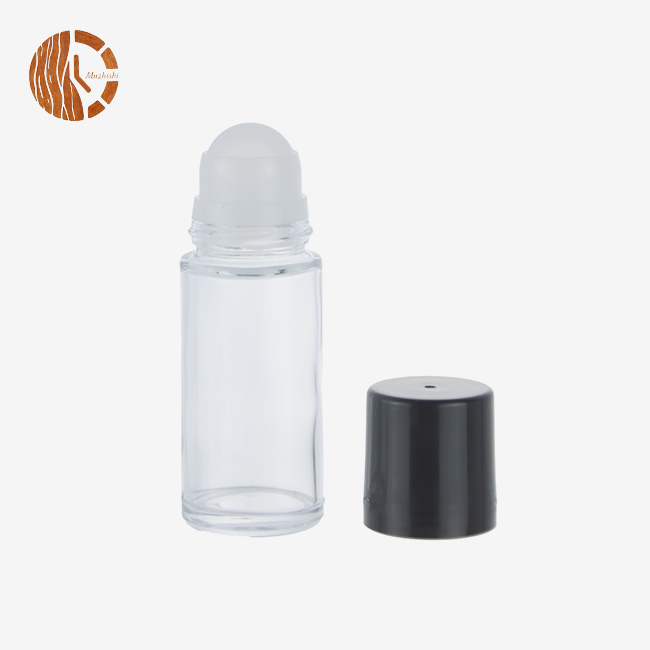
Small essential oil bottle is mostly made up of silica, soda ash, and limestone, which makes it a material that doesn't mix with essential oil components at all. Plastics have plasticizers, binders, and polymer chains that can react with chemicals, but glass is completely neutral. This is shown by our 12ml roller bottles made from high-quality borosilicate glass. The smooth, non-porous surface stops tiny absorption, which is a problem with plastic options. When essential oils are kept in plastic containers, they slowly seep through the walls of the containers, leaking out the oils and making the containers weaker. Glass completely gets rid of this problem, making sure that every drop can still be used.
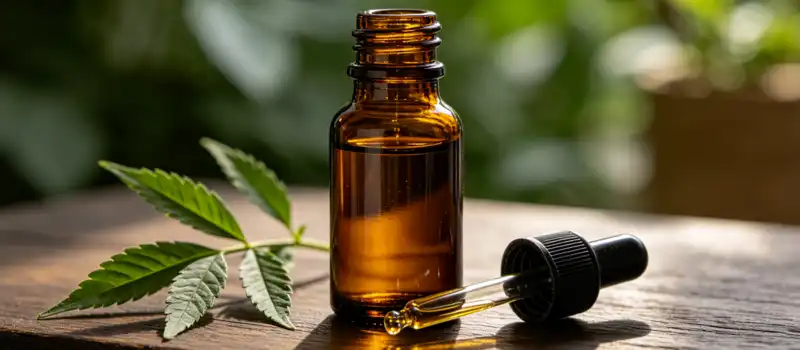
The chemical mass of glass makes it impossible for oxygen to pass through. Plastic materials let measured amounts of oxygen in, but glass bottles don't let any gas out when they're stored normally. This alone makes the shelf life much longer—tests show that tea tree oil keeps its terpinen-4-ol percentage 85% longer in glass cases than in plastic ones.
UV Protection Through Specialized Glass Types
Not all glass protects the same way. Amber glass blocks the UV and high-energy visible light that is most harmful to photosensitive substances. It does this by filtering bands between 200 and 450 nanometers. Cobalt blue glass looks nice and protects against UV rays to a modest degree, so it can be used to store things in stores with low lighting. When product exposure is more important than maximum light protection, like when you want to show off samples or goods that don't last long, clear glass is the way to go. Muzhishi manufactures all three types of glass, allowing buyers to match container specifications to their unique product formulations.
Sustainability and Environmental Responsibility
Many markets recycle more than 75% of glass, which supports circular economy models that customers who care about the environment like. The material doesn't break down after being sterilized and refilled many times, which supports zero-waste efforts and refill programs. This reusability is especially important to hospitality clients. For example, luxury resorts can offer unique aromatherapy blends in labeled glass bottles that guests can refill during their stay. Because glass packaging lasts longer than plastic options, it doesn't need to be replaced as often, which cancels out any original cost differences. Our bottles go through a lot of tests, such as methods for measuring their dimensions and making sure they don't leak, preventing expensive product loses during shipping.
Comparison of Small Essential Oil Bottle Options for Global Procurement
When making purchases, it's important to look at a lot of different things that affect both the short-term and long-term costs and benefits of a small essential oil bottle.
Material Performance Analysis
Glass bottles are the best way to store things for a long time, but they are heavy and easily broken. A 12ml glass roller bottle weighs about 35 grams when it's empty, while a plastic roller bottle of the same size weighs only 8 grams. This difference in weight affects the cost of shipping, especially for big orders going across foreign borders. Our square-base design makes it much less likely that items will break while being rolled, and custom packing solutions using molded pulp or compartmentalized boxes protect items during transport. Plastic options are less heavy and less likely to break when hit, but they don't preserve as well. High-density plastic works well with oils like lavender or chamomile, but not with lemon or cinnamon oils.
Closure System Considerations
The method for pouring has a big impact on how the product is used and how the user feels about it. Roller balls, which come in glass, steel, or plastic, make it easy to apply perfume mixes and ready-to-use massage preparations to the skin without making a mess. Glass rollers are the best to move on and are resistant to chemicals. Steel rollers are more durable, and plastic rollers are lighter and cheaper. People who mix their own formulas or need precise doses can use dropper caps. Sprayers work best for room mists, but thick oils can make them stop working. Muzhishi lets brands make their product lines stand out through practical design by letting them fully customize all lock types, including four cap colors—gold, silver, white, and black.
How to Choose the Best Small Glass Essential Oil Bottles for Your Business?
To get the most out of your packing investment, strategic sourcing needs to make sure that the specs of the small essential oil bottles match the needs of your business.
Matching Bottle Specifications to Applications
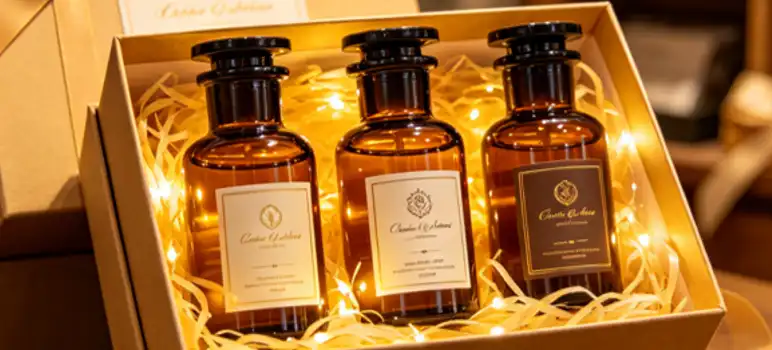
Aromatherapy goods for retail customers work best in 12ml roller bottles, which are easy to carry and hold enough for daily use. The small size fits in purses and travel bags, which makes people more likely to use it often, leading to repeat behavior. When it comes to corporate gifts, looks are important. Our customization options, such as hot stamping and screen printing, turn plain containers into high-end branded items that can be given as gifts to executives or used in customer reward programs. Event planners who are making themed gifts need to make sure that the packing matches the theme of the event. Our color creation and marking services make it easy for event branding to fit in perfectly.
Evaluating Supplier Capabilities
In addition to product specs, the success of a project depends on the choice of seller. Lead times and scale are affected by manufacturing capacity. For example, our Xuzhou plant keeps common materials in stock, which shortens production cycles and uses local supply chain relationships to cut costs by 10–15 percent. For brands that want to stand out, the range of customization options is important. We offer a wide range of choices, from surface treatments like gold stamps and heat transfer printing to making fully custom molds for bottles with specific shapes. For foreign procurement, documentation help is very important. Our team makes full business invoices, packing lists, and certificates of origin specific to the target country.
Bulk Purchasing and Private Label Opportunities
When you order small essential oil bottle in bulk, you can take advantage of savings of scale that help your margins. Building long-term ties with suppliers lets you plan your supplies so that you don't run out of items during busy times. Private label programs let stores and online shopping sites build brand recognition without having to spend money on manufacturing infrastructure. Our services include applying brand logos in a number of different ways, designing and applying custom labels, and custom packing that makes opening experiences that flow together.
Best Practices for Handling and Maintaining Glass Essential Oil Bottles
Proper practices improve the performance of packing and increase the shelf life of products all along the supply chain.
Storage and Environmental Control
More important than exact temperature ranges is how stable the weather is. Keep bottles away from direct sunlight and heat sources, like heaters or windows that face south. The best range is between 60°F and 75°F, with little change. Controlling humidity keeps labels from breaking down and caps from rusting on metal parts. Make sure the caps stay tightly closed between uses, because even a short time of contact lets air in and volatile top notes escape.
Cleaning and Reuse Protocols
Cleaning bottles well lets them be used again without spreading germs. Rinse with isopropyl alcohol or high-proof vodka, then wash with hot clean water and let dry completely in the air. Try not to use strong cleansers that leave behind film. Because glass is chemically neutral, it can completely get rid of smells. Plastic, on the other hand, keeps aromatic compounds. This ability to be used more than once supports long-term business plans and refill programs that appeal to customers who care about the environment.
Transportation and Travel Compliance
Our bottles' square bases keep them from rolling around while they're being shipped, which lowers the risk of breaking. Putting bottles upright in compartmented boxes adds another layer of protection. These bottles are great for travel-sized product lines because they can hold 12ml, which is well within the TSA's liquid limits for air travel. Leak testing before shipping keeps expensive products from going bad and keeps customers from being unhappy. This is part of our quality assurance procedures for every batch.
Conclusion
Small essential oil bottle keep the quality of essential oils safe by using tried-and-true methods that keep the chemicals intact, extend the shelf life, and keep the healing effectiveness. The inertness, impermeability, and UV-filtering properties of the material, when chosen correctly, protect volatile plant chemicals from damage. Even though glass may be more expensive at first than plastic options, it is much better for essential oils in the long run because it lasts longer, is more environmentally friendly, can be used again and again, and helps your brand's image. If you are in charge of purchasing goods for retail, hospitality, business gifting, or e-commerce, you should know that good glass packaging protects both the quality of the goods and the image of your brand along the complicated foreign supply chains.
FAQ
How do glass bottles impact essential oil scent and purity compared to plastic containers?
Glass bottles keep their original scents because they don't let chemicals mix or pass through them like plastic does. Essential oils that are high in d-limonene or other volatile chemicals can break down plastic over time, which can weaken containers and get oil on them. Glass doesn't react with any oil chemistry, so it keeps the beneficial purity and accuracy of the smell throughout the product's lifecycle.
Does amber glass provide better UV protection than cobalt blue glass?
The best UV protection comes from amber glass, which blocks bands between 200 and 450 nanometers. This means that it protects against both UV light and high-energy visible light. Cobalt blue glass stops some UV light, but its main goal is to look nice. For photosensitive recipes that need the most protection, procurement managers should choose amber glass. Cobalt blue glass is better for goods with shorter shelf lives or that need to be stored in places with controlled lighting.
What certifications should procurement professionals verify when sourcing glass essential oil bottles?
Make sure that sellers give you material safety paperwork that says the glass composition meets standards for food or cosmetics. Ask for test results that show the product doesn't leak, is the right size, and is compatible with chemicals. International buyers should make sure that providers have ISO quality management certifications and can show origin certificates. The purpose of these checks is to make sure that the packaging meets the rules in all areas.
Partner with Muzhishi for Premium Essential Oil Packaging Solutions
Xuzhou Muzhishi Crafts Co., Ltd. has been making glass products for 20 years and is a trusted small essential oil bottle supplier for procurement pros. Our 12ml borosilicate glass roller bottles are made with careful design features like square bases that keep them from rolling, and they are chemically harmless. Brands can make unique packaging that appeals to their target audiences with the help of full customization services that include hot stamping, screen printing, and different cap color choices. We send samples within three to five days so that you can test them before committing to production. Our supply chain advantages help us keep costs low while keeping high quality standards that are proven by strict testing methods. Visit mzsglass.com or email our team at long@muzhishi.com to get samples and talk about how our essential oil packaging options can help your products stand out and your business in a crowded market.
References
Tisserand, Robert and Young, Rodney. "Essential Oil Safety: A Guide for Health Care Professionals," Churchill Livingstone, Second Edition, 2014.
Bowles, E. Joy. "The Chemistry of Aromatherapeutic Oils," Allen & Unwin Academic, Third Edition, 2003.
Rhind, Jennifer Peace. "Essential Oils: A Handbook for Aromatherapy Practice," Singing Dragon Publishers, Second Edition, 2012.
Price, Shirley and Price, Len. "Aromatherapy for Health Professionals," Churchill Livingstone, Fourth Edition, 2011.
Williams, David G. "The Chemistry of Essential Oils: An Introduction for Aromatherapists, Beauticians, Retailers and Students," Micelle Press, 1996.
Schnaubelt, Kurt. "The Healing Intelligence of Essential Oils: The Science of Advanced Aromatherapy," Inner Traditions Publishing, 2011.

Our customers’ satisfaction speaks for our quality — contact us to experience the same reliable service.