- English
- French
- German
- Portuguese
- Spanish
- Russian
- Japanese
- Korean
- Arabic
- Greek
- German
- Turkish
- Italian
- Danish
- Romanian
- Indonesian
- Czech
- Afrikaans
- Swedish
- Polish
- Basque
- Catalan
- Esperanto
- Hindi
- Lao
- Albanian
- Amharic
- Armenian
- Azerbaijani
- Belarusian
- Bengali
- Bosnian
- Bulgarian
- Cebuano
- Chichewa
- Corsican
- Croatian
- Dutch
- Estonian
- Filipino
- Finnish
- Frisian
- Galician
- Georgian
- Gujarati
- Haitian
- Hausa
- Hawaiian
- Hebrew
- Hmong
- Hungarian
- Icelandic
- Igbo
- Javanese
- Kannada
- Kazakh
- Khmer
- Kurdish
- Kyrgyz
- Latin
- Latvian
- Lithuanian
- Luxembou..
- Macedonian
- Malagasy
- Malay
- Malayalam
- Maltese
- Maori
- Marathi
- Mongolian
- Burmese
- Nepali
- Norwegian
- Pashto
- Persian
- Punjabi
- Serbian
- Sesotho
- Sinhala
- Slovak
- Slovenian
- Somali
- Samoan
- Scots Gaelic
- Shona
- Sindhi
- Sundanese
- Swahili
- Tajik
- Tamil
- Telugu
- Thai
- Ukrainian
- Urdu
- Uzbek
- Vietnamese
- Welsh
- Xhosa
- Yiddish
- Yoruba
- Zulu
Glass vs Plastic Water Bottles: Why Wide-Mouth Glass Bottles Are a Better Choice
When buyers ask me which bottle wins the glass vs plastic debate, my answer stays consistent. A wide mouth glass drinking bottle outperforms plastic on every metric that matters to procurement professionals: chemical safety, taste preservation, long-term cost, and environmental compliance. With a 5.9cm opening, food-grade glass construction, and full customization support, bottles like Muzhishi's 350ml model give corporate buyers and retail sourcing teams a product that checks every box — from branded gifting campaigns to hotel amenity programs.

Understanding Wide-Mouth Glass Drinking Bottles
What Defines a Wide-Mouth Design?
A wide-mouth glass drinking bottle has an opening that is usually bigger than 50 mm across. This design gets rid of the problems that come with narrow-neck bottles, like how hard they are to fill and clean, and how few accessories can be used with them. The Muzhishi 350ml model has a mouth diameter of 5.9 cm, which makes it easy to put in ice cubes, fruit slices, or a cleaning brush.
Core Material Properties
Glass made for food is chemically neutral. It doesn't take in tastes or smells, or do anything else with the fluids inside. This is very important for drinks like flavored water, cold brew tea, and drinks with a lot of fruit. The surface doesn't have pores, so bacteria can't stick to it. This is an advantage over plastic in places that need to be clean, like health clinics and office pantries.
Typical Use Cases in B2B Settings
Wide-mouth glass bottles are useful for many professional tasks. They are nice extras that hotels put in guest rooms. For holiday campaigns, corporate gift suppliers add engravings with the company's logo. For wedding welcome packages, event planners order copies that are made just for them. Retailers put them on the shelves because they are trendy and people think they are worth a lot.
Wide-Mouth Glass Versus Plastic Bottles: Key Differences for Procurement
Material Safety: Glass Wins Clearly
Plastic bottles, especially those made of polycarbonate, can leak BPA and phthalates into drinks, especially when they get hot. A study released in 2020 in the journal Environmental Science & Technology proved that microplastic particles move into liquids that are kept in plastic containers. Glass doesn't have any of these dangers. Because it is neutral, no chemicals can move through it at any temperature.
| Safety Factor | Glass Bottle | Plastic Bottle |
|---|---|---|
| BPA / Phthalate Risk | None | Present in some grades |
| Microplastic Migration | None | Studied and proven |
| Flavor Retention | Pure, unaltered | Can take on smells over time |
| Heat Compatibility | Yes (be careful) | Breaks down above 60°C |
These are not small differences. When purchasing managers look for products that carry a brand's name, the liability that comes with plastic contamination is a real worry.
Durability Over the Long Term
When you wash glass over and over, it doesn't scratch, cloud, or break down. Muzhishi's wide mouth glass drinking bottles pass tests for thermal shock protection, which means they keep their shape when they are used hot or cold. Plastic bottles, on the other hand, get scratches on the surface that hold germs and make the product look old after being washed in the machine many times. When buying in bulk, longer product lifespan directly means less replacement frequency.
Environmental Compliance and Corporate Sustainability
Glass can be recycled over and over again without losing any of its quality. The Glass Packaging Institute says that glass containers in the U.S. are gathered and handled without lowering the quality of the materials. Many business buyers now have to report on ESG issues. Picking glass over single-use or short-life plastic helps green purchasing policies and builds a brand's story of sustainability.
Choosing the Right Wide-Mouth Glass Drinking Bottle for B2B Needs
Key Selection Criteria
Before making a bulk order, procurement workers should look at three things that can't be changed. First, check the licenses of the materials. FDA, LFGB, and REACH compliance make sure that the glass meets international safety standards for food contact. Second, check how well the lid works. An metal screw cap with precision threads and a food-grade silicone gasket should pass 0.05MPa pressure leaking tests. Third, check the mouth rim's dimensional tolerance. A tolerance of ±0.5mm makes sure that all units in a large order seal the same way.
Customization Options That Add Brand Value
In the business world, one of the main reasons people choose glass over plastic is that it's easier to customize. Muzhishi's wide-mouth glass drinking bottles can be decorated in a lot of different ways, including:
- Hot stamping: This method makes a glossy name finish that works well for high-end gifts and hotel branding.
- Screen printing: This method uses full-color images with clear details, and it's great for holiday marketing and store packaging.
- Inside engraving: Adds a lasting mark that can be felt and seen through the clear glass body, making the product feel high-end.
- Custom packaging: Branded boxes, labels, and protective inserts can be made based on the details of your order.
With these choices, the bottle is more than just a container; it's a real business asset. Custom glass bottles show quality in a way that plastic bottles just can't. This is true whether you're a corporate gift supplier making a holiday collection or a hotel chain standardizing room amenities.
Price and Value in Bulk Purchasing
Muzhishi uses direct manufacturer prices and has long-term ties with glass suppliers in Xuzhou that cut the cost of raw materials by 10–15%. If customers are only looking at the initial cost of glass vs. plastic, the equation changes when you add in how long the product will last and how people feel about the brand. A three- to five-year-old glass bottle is worth more per unit than a plastic bottle that needs to be changed every year.
Addressing Common Challenges and Misconceptions
Is Glass Too Fragile for Active or Outdoor Use?
This is the main reason why buying managers don't like the wide mouth glass water bottle. The answer varies on how the bottle is made and what safety gear is used with it. Muzhishi's wide-mouth glass drinking bottles are tested to see how well they hold up against impact, and they can come with shock-absorbing neoprene or silicone covers. These sleeves make the bottle useful for the gym, an outdoor event, or travel without taking away from the glass's benefits.
Heat Resistance and Microwave Safety
Soda-lime glass that is safe for food can handle small changes in temperature well. The thermal shock strength of Muzhishi's bottles is checked to make sure they can hold both hot and cold drinks. One useful tip: don't put a cold bottle directly on a very hot surface or expose it to sudden changes in temperature that are too high or too low. Take off the aluminum cap first if you want to use it in the microwave.
Cleaning and Odor Management
The wide opening of 5.9 cm makes it much easier to clean. Normal bottle brushes can easily fit through the mouth and reach the bottom to clean it well. Every day, washing your hands with warm soapy water is enough. A soak in baking soda and water gets rid of any remaining color after drinking tea or coffee. This easy-to-do practice keeps the glass clean and odor-free for a long time.
Procurement Guide: How to Buy Wide-Mouth Glass Drinking Bottles in Bulk?
Evaluating Suppliers Before You Commit
Suppliers you can trust to deliver large amounts of the wide-mouth glass drinking bottle should offer free samples before starting production. Muzhishi does this within 3–5 days. Ask for quality control records, such as polariscope annealing reports, heavy metal leaching test results (ISO 7086-1), and records of dimensional inspections.
| Procurement Checklist | What to Verify |
|---|---|
| Material Certification | FDA / LFGB / REACH compliance |
| Sample Lead Time | 3–5 days standard |
| QC Documentation | Thermal shock, leaching tests |
| Customization Scope | Logo, color, packaging, size |
| Trade Terms | FOB / CIF options available |
| After-Sales Response | ≤ 24 hours |
Trade Terms and Logistics
Muzhishi is allowed to import and export goods on its own and makes all the necessary trade documents, such as commercial invoices, packing lists, and certificates of origin, that are specific to the needs of the customs authorities in the destination country. You can choose between FOB and CIF prices, based on what the buyer wants. International distributors who have to meet tight delivery dates need this end-to-end service.
Minimum Orders and Scaling
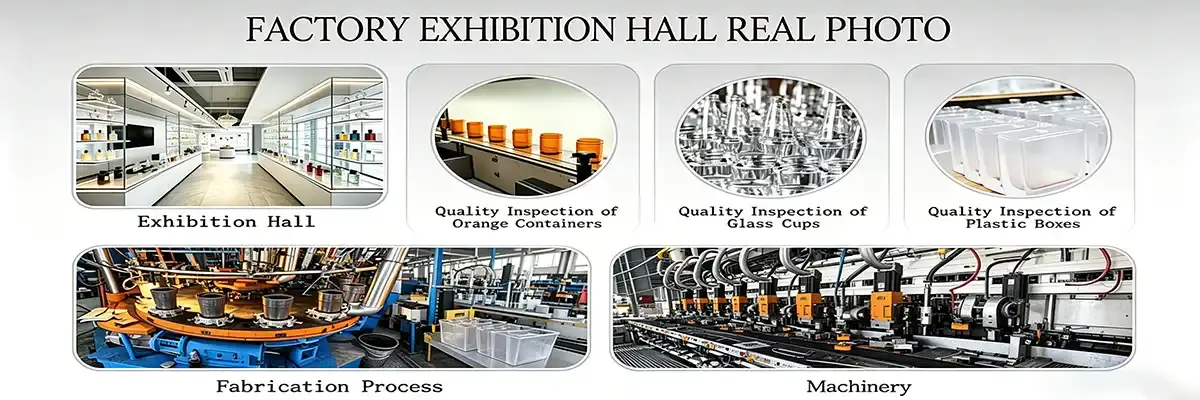
Muzhishi's production base in Jiangsu can handle both small test orders and large production runs for importers and wholesalers who are looking at scalability. At every size, the level of tailoring is the same, and each client is given a personal account manager to keep in touch with them throughout the order process.
Conclusion
Chemical safety, taste consistency, durability, and long-term cost are all better with glass than with plastic. The wide-mouth shape also has useful benefits that are important in business and professional settings. Buying a good glass bottle is an investment that pays off in brand value and product performance for procurement managers, gift suppliers, retail buyers, and people who run hotels and restaurants. All of these things are true of Muzhishi's 350ml wide mouth glass drinking bottle, which comes with 20 years of production knowledge and full customization support.
FAQ
Does the bottle sweat in humid conditions?
When it's humid outside, a wide-mouth glass drinking bottle naturally forms condensation on its outside. This problem can be fixed by putting the bottle in a neoprene or silicone sleeve. This also makes the bottle easier to hold.
Can these bottles be autoclaved for sterilization?
If you take off the metal cap first, food-grade glass bottles can go through autoclave sterilization processes. Because of this, they can be used to hydrate people in health clinics and labs.
Will the glass cloud or scratch after repeated dishwasher use?
No, Muzhishi's high-hydrolytic resistance glass stays clear even after more than 500 industrial wash cycles. The surface doesn't scratch or turn discolored over time like plastic does.
What certifications should I request for import compliance?
Ask for certificates of compliance from the FDA, LFGB, and REACH. Also, request ISO 7086-1 heavy metal leaching test reports to make sure that the levels of lead and cadmium migration meet the rules in the market you want to sell to.
What customization lead time should I expect?
Within 3–5 days, you can get standard samples. Full production lead times depend on the size of the order and how customized it is. Your account manager will share the plan with you before production starts.
Get a Free Sample from Muzhishi — Your Trusted Wide-Mouth Glass Drinking Bottle Manufacturer
For more than 20 years, Muzhishi has sold high-quality glass goods to customers in the U.S. and around the world. At direct manufacturer prices, you can get our 350ml wide mouth glass drinking bottle with full OEM/ODM customization, including logos, colors, packaging, and more. Get a free sample right now to see how good it is before you decide to buy a lot of it. To start your question, email us at long@muzhishi.com or go to mzsglass.com.
References
1. Environmental Science & Technology — 2020
2. Glass Packaging Institute — Glass Recycling Facts & Figures — 2022
3. Food Additives & Contaminants — BPA Migration in Food-Contact Plastics — 2019
4. American Chemistry Council — Plastics and Food Safety Overview — 2021
5. National Institute of Environmental Health Sciences — BPA and Human Health Research Update — 2023
6. Journal of Hazardous Materials — Microplastic Release from Plastic Drinking Bottles Under Thermal Stress — 2021


Our customers’ satisfaction speaks for our quality — contact us to experience the same reliable service.