- English
- French
- German
- Portuguese
- Spanish
- Russian
- Japanese
- Korean
- Arabic
- Greek
- German
- Turkish
- Italian
- Danish
- Romanian
- Indonesian
- Czech
- Afrikaans
- Swedish
- Polish
- Basque
- Catalan
- Esperanto
- Hindi
- Lao
- Albanian
- Amharic
- Armenian
- Azerbaijani
- Belarusian
- Bengali
- Bosnian
- Bulgarian
- Cebuano
- Chichewa
- Corsican
- Croatian
- Dutch
- Estonian
- Filipino
- Finnish
- Frisian
- Galician
- Georgian
- Gujarati
- Haitian
- Hausa
- Hawaiian
- Hebrew
- Hmong
- Hungarian
- Icelandic
- Igbo
- Javanese
- Kannada
- Kazakh
- Khmer
- Kurdish
- Kyrgyz
- Latin
- Latvian
- Lithuanian
- Luxembou..
- Macedonian
- Malagasy
- Malay
- Malayalam
- Maltese
- Maori
- Marathi
- Mongolian
- Burmese
- Nepali
- Norwegian
- Pashto
- Persian
- Punjabi
- Serbian
- Sesotho
- Sinhala
- Slovak
- Slovenian
- Somali
- Samoan
- Scots Gaelic
- Shona
- Sindhi
- Sundanese
- Swahili
- Tajik
- Tamil
- Telugu
- Thai
- Ukrainian
- Urdu
- Uzbek
- Vietnamese
- Welsh
- Xhosa
- Yiddish
- Yoruba
- Zulu
How to Clean Leftover Wax from Clear Glass Jars?
It doesn't have to be hard to clean out candle jars of extra wax. When working with containers with thick walls and strengthened bottoms, it's important to pay close attention to their thermal qualities. A heavy base clear glass candle jar stores heat while it burns, so any leftover wax often sticks to the inside surfaces more firmly than in regular thin-walled containers. The important thing is to use controlled heat to melt the wax without damaging the glass structure. This method keeps the quality of high-end glasses while allowing efficient reuse across multiple candle rounds. This makes it especially useful for businesses that want to be environmentally friendly and cut costs.
Understanding Leftover Wax in Heavy Base Clear Glass Candle Jars
The physics behind wax film has to do with how heat moves through thick-bottomed glass objects. The weighted base absorbs and holds heat differently than standard jars during the burning process. This makes cool patterns that change how the wax hardens.
Thermal Dynamics and Wax Adhesion
When heated, the chemicals in candle wax change phases. These compounds include paraffin, soy, and beeswax. Since the flame makes temperatures higher than 60°C, the wax melts fully. However, thick glass bottoms keep heat for a longer time after the light goes out. During this longer cooling time, the melted wax can move into tiny surface imperfections in the glass, making molecular bonds stronger. In a strange way, a heavy base can make the temperature drop more slowly, which can make the leftovers stickier. Knowing this link helps buying teams choose vessels with the best base-to-wall thickness ratios for stability and cleaning effectiveness.
Material Composition Considerations
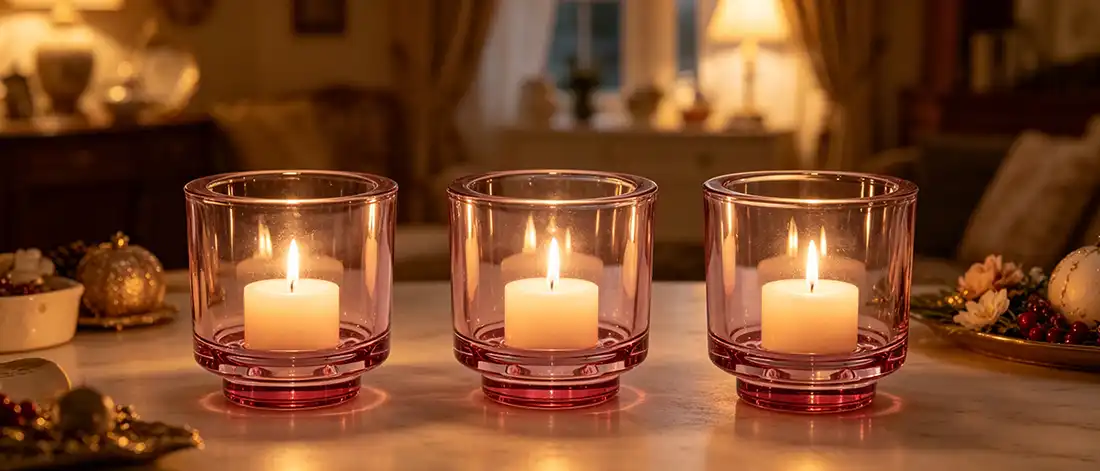
The surface of high-quality soda-lime glass used in high-end products is not porous and does not react chemically with wax substances. These 185ml cylinder jars from Muzhishi, which are made of high-quality glass and weigh a sizable 356.9g, are a good example of this idea. The chemical inertness keeps scent oils from leaving lasting marks on the glass, but the smooth inside can let wax films stick to it. When cooled, different types of wax act in different ways. For example, soy wax tends to pull away from the walls, leaving air holes, while paraffin wax sticks to the surface more evenly. Knowing how these materials combine helps with both choosing the right products at the start and coming up with the best cleaning methods for large-scale activities.
Impact on Procurement and Lifecycle Management
When businesses look for candle vases, cleanability should be one of the main criteria they use, and the heavy base clear glass candle jar is a strong example of a design that supports this priority. Containers that need a lot of work or strong chemicals to remove wax lose some of their usefulness, which raises the overall cost of doing business. The accuracy with which properly made jars are produced has a big effect on this. Containers with controlled neck sizes and regular wall thickness, like Muzhishi's type with a 6.1 cm mouth diameter and a ±1.5 mm tolerance, make cleaning more reliable. This regularity is very important for companies that plan events and are responsible for hundreds of units after the party, as well as for hospitality venues that need to ensure brand presentation standards are consistently met across multiple locations.
Common Challenges in Cleaning Heavy Base Clear Glass Candle Jars
Getting stubborn wax out of objects with thick bottoms is harder than it sounds, and regular home methods don't always work well. The heat mass that keeps things stable while they're being used gets in the way when they need to be cleaned.
Limitations of Conventional Hot Water Methods
When you pour hot water into a heavy, cold jar, the temperatures drop quickly, which can cause stress fractures. Thin glass might be able to handle this shock, but the thick base makes the rates of expansion different for the hot inner surface and the cooler outer layers. Over time, this different stress can weaken the structure after many cleaning processes. Even if thermal shock doesn't make cracks that can be seen, it may create tiny holes inside the material that build up over time and finally cause it to fail completely when it is used again. This safety issue becomes very important for companies that deal with large amounts, since inconsistent quality has a direct effect on the brand's image and its liability risk.
Ineffectiveness of Freezing Techniques
When jars are cold to pull wax away from the walls, the freezing method doesn't always work with thick bases. The thick glass mass makes it take longer for heat to move through, so the base on the outside might freeze while the wax inside stays mostly warm. This uneven cooling stops the even contracting that is needed for clean separation. It's also dangerous to try to chip frozen wax out of these containers by hand, because the force needed could chip or crack the glass rim. This method is not useful for buyers in the hospitality industry who need to process dozens of jars every week because it takes 12 to 24 hours per batch, which interrupts normal operations.
Environmental and Safety Concerns
Getting rid of wax-contaminated water or scraping leftovers is bad for the earth. Many cities and towns don't let people pour thick water down drains because it hardens in the pipes and blocks them. When fake wax mixes are used, scraping by hand with metal tools creates microplastic contamination. When wax leftovers are thrown away, they can catch fire, which is especially dangerous in business kitchens with lots of heat sources. Regulatory compliance adds another layer. More and more, corporate gift providers and retail chains are being audited for sustainability, which means they have to write down their trash management practices. Because of these things, cleaning methods need to be developed that produce the least amount of waste while still meeting safety standards in all foreign markets.
Step-by-Step Modern Cleaning Solutions for Heavy Base Clear Glass Candle Jars
Modern cleaning methods combine effectiveness and safety, taking into account the special thermal qualities of the heavy base clear glass candle jar made of reinforced glass. These methods work well for both small workshops and large-scale manufacturing.
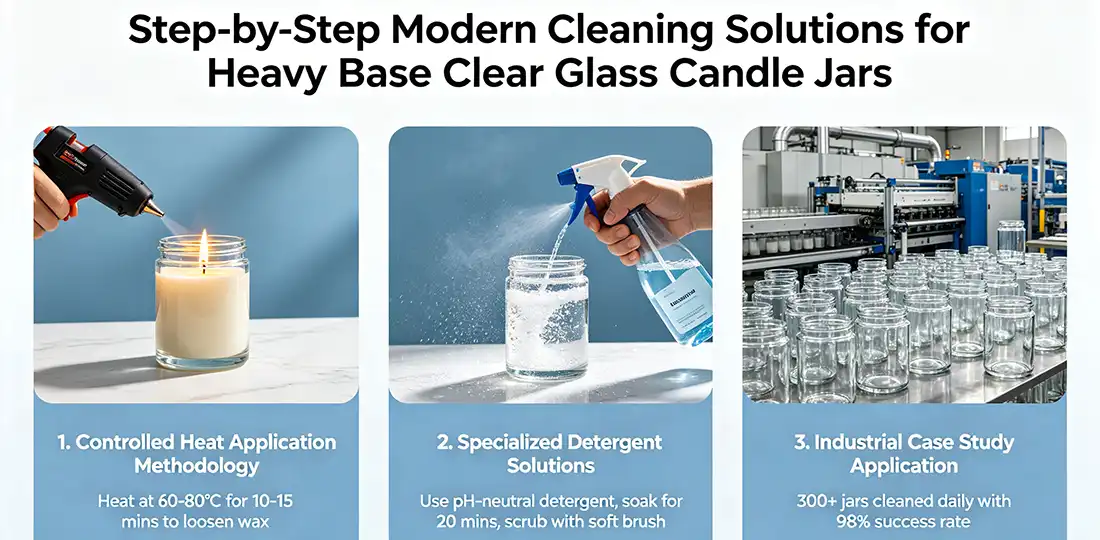
Controlled Heat Application Methodology
The best way to do it is to heat the glass slowly and evenly, taking into account its temperature limits. Put the jars in a deep container and fill it with warm (but not hot) water that is about 50°C. Make sure the water level is just below the rim of the jars. The temperature should stay below the tested resistance level of the glass. Muzhishi's containers can handle temperature differences of up to 60°C without stress fractures. Let the jars sit for 15 to 20 minutes so that the thick base can slowly reach a state of temperature balance. This careful method keeps the patient from getting heat shock and softens the wax evenly throughout the vessel. The wax then moves to the top of the water, where a mesh sieve can be used to quickly skim it off.
Specialized Detergent Solutions
The secondary cleaning step gets rid of any leftover films after the bulk wax is gone. Mix some dish soap with white vinegar to make a solution. This will help break up any leftover wax bits without causing strong chemical reactions that could damage the glass. Scrub the inside of the car gently with soft-bristle brushes or microfiber cloths. Pay extra attention to the base, where wax likes to pool. Standard containers, like Muzhishi's 8.3cm tall, 7.7cm circle type, are cylindrical, which makes it easier to clean with a brush. This is not the case with jars with narrow necks or complicated geometries, which trap dirt in hard-to-reach places. In business settings, specially made glass cleaners that are made to get rid of lipids work better than regular dish soaps. These items have detergents in them that are designed to break the molecular bonds between wax and glass without leaving behind streaky leftovers that make it harder to see through clear containers.
Industrial Case Study Application
A big candle company in Europe that makes 5,000 candles a month set up a three-step process that includes controlled heat baths, ultrasonic cleaning, and forced air drying. Their method cut the time it took to clean each unit from 8 minutes to less than 3 minutes, and it stopped glass from breaking, which used to affect 2% of their inventory. The ultrasonic stage, which vibrates at 40kHz, lifts tiny bits of wax off the rough base area without using mechanical cleaning, which could damage the surface. Within six months, the cost of the specialised tools paid for itself through higher output and lower replacement costs.
Best Practices to Maintain Heavy Base Clear Glass Candle Jars Post-Cleaning
Premium glassware lasts longer if it is properly cared for after being cleaned. This protects your investment and makes sure that the quality of all of your goods is the same.
Optimal Drying Protocols
If you store jars before they are fully dry, the moisture that gets stuck in the thick bases can lead to hygiene problems and mould growth. After washing, put the jars upside down on a drying rack that has enough space between the racks to let air flow around all of the surfaces. Heavy containers—356.9g in Muzhishi's model—need strong racks that keep them from falling over because they are so heavy. Do not stack wet jars because this traps water and makes still areas where bacteria can grow. For businesses, forced-air coolers that move warm (not hot) air at 40°C are helpful because they cut drying time from hours to less than 30 minutes.
Strategic Storage Solutions
Once the jars are dry, they should be kept straight in climate-controlled spaces away from places with high temperatures. Rapid changes in temperature cause glass to expand and contract, which can weaken the structure over time, especially where the width changes from the base to the wall. For stores with a lot of items, specialised shelves with separate sections keeps surfaces from touching and getting scratched. When stores buy artistic containers with silk screen printing or gold stamps on them, they need to make sure that the surface treatments don't get worn down while they are being stored. Individual jars can be protected without spending a lot of money on custom foam inserts by being wrapped in acid-free tissue paper before being put in a box.
Preventative Usage Measures
Getting rid of wax leftovers at the source makes cleaning easier in the future. When the wick is the right size for the jar, it burns all the wax without making the glass too hot. People who make candles should try them with different wick configurations to find the best settings for each type of container. Standard cylindrical jars with a diameter of 7.7 cm work best with medium-sized braided cotton wicks that make enough melt pools without making the flame too high. By limiting continuous burn times to four hours, the heavy base can get rid of any heat that has built up between sessions. Putting these tips on product inserts or QR-linked care guides can help your customers have better experiences and protect your brand's image in the gift and elite product markets.
How Reusing Cleaned Heavy Base Clear Glass Candle Jars Adds Value to Your Procurement Strategy?
When reusability is taken into account when buying, there are clear benefits in terms of money, the environment, and how people feel about the heavy base clear glass candle jar. This strategy method fits with how businesses today want to buy things.
Sustainability and Cost Benefits
When containers are reused, they completely change the economics of making and selling candles. Businesses that buy jars that can be used 5–10 times and then cleaned and refilled save up to 70% on material costs per unit compared to single-use options. This math makes a lot of sense for seasonal businesses, like holiday gift brands that have to deal with big inventory spikes. Quality soda-lime glass can be recycled over and over again, giving you another way to get rid of containers when they reach the end of their useful life. This helps meet the requirements for business sustainability reporting that many retail chains now put on vendors.
Customization and Brand Differentiation
When you work with makers that let you customise everything, you can turn plain containers into company assets. Surface treatments like hot stamping, frosting, screen printing, and inside engraving can turn ordinary containers into marketing interactions that strengthen brand identity every time a customer interacts with them. Event planners make wedding favours that people will remember by putting the couple's names and dates on jars. Suppliers of corporate gifts use brand printing and custom wrapping to make glass containers look like high-end promotional items instead of common items that can be bought.
Supplier Partnership Value
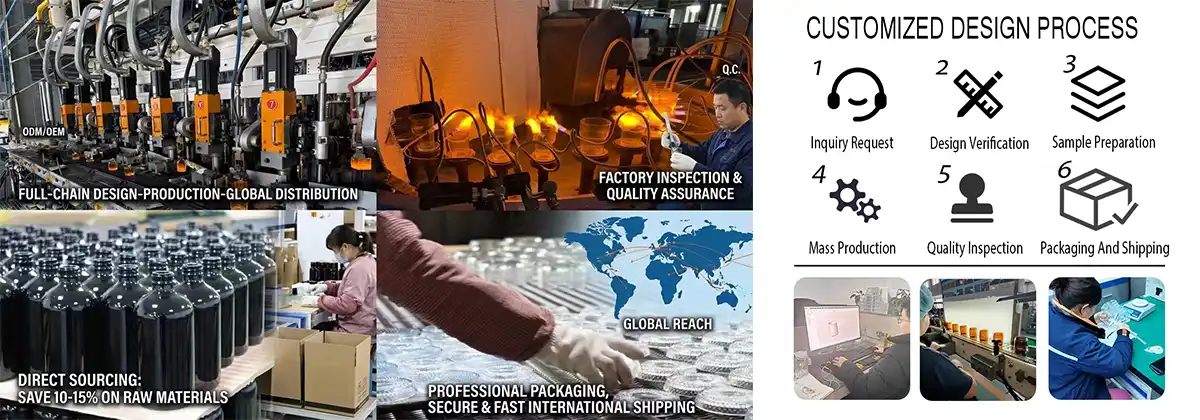
Choosing makers with strong supply chain infrastructure has a direct effect on how reliable operations are. Through integrated sourcing, suppliers who keep long-term ties with local glass sheet suppliers and packing material companies can save between 10 and 15 percent on costs. This vertical merger also protects against changes in the prices of raw materials, which helps buying teams make more accurate budgets. Having technical help for the whole duration of a product adds another level of value. Having dedicated account managers who can help with everything from the initial design to the final delivery lowers the chances of misunderstandings that happen so often in cross-border transactions.
Conclusion
To deal with extra wax in candle containers with thick bottoms, you need to know about the thermal qualities that make these containers useful, especially when working with a heavy base clear glass candle jar. Controlled heating methods, special cleaning solutions, and following the right upkeep procedures make it possible to reuse things while keeping their structural integrity. Businesses that use these methods in their purchasing decisions save money because the products last longer and look more environmentally friendly. When you combine long-lasting, well-designed containers with organised cleaning methods, you get practical efficiency that works for a wide range of uses, from small candle shops to large hotel chains around the world.
FAQ
Why does wax stick more stubbornly to heavy-based jars?
The thick base keeps heat in longer while it cools, giving the melted wax more time to get into the tiny cracks on the surface. When wax and glass are in touch for a long time at high temperatures, molecular bonds are stronger than in thin-walled objects that cool quickly.
Can I use boiling water without damaging the glass?
Putting hot water directly on cold glass can cause thermal shock, which could lead to stress cracks. By slowly heating the jar with water at 50°C before raising the temperature, you can respect the material's thermal resistance limits and keep the structure from breaking.
How often can quality jars be reused?
If you keep your premium soda-lime glass cases clean and in good shape, they should last between 5 and 10 full rounds before they stop working as well. Dimensional accuracy and chemical inertness have a direct effect on life, which makes choosing the right seller at the start very important.
What makes professionally manufactured jars easier to clean?
Controlled wall thickness consistency, accurate neck measurements, and high-quality annealing lower temperature stress points and make cleaning results more reliable. These engineering details set industrial-grade containers apart from options for the consumer market.
Partner with Muzhishi for Premium Heavy Base Clear Glass Candle Jar Solutions
Work with Muzhishi to get high-quality heavy base clear glass candle jar. For 20 years, Xuzhou Muzhishi Crafts has been making high-quality glass products for procurement workers who need reliable, custom-made container options. We can do more than just standard production as an 185ml manufacturer. We also offer full ODM/OEM services that are suited to your brand's needs. Our one-on-one account management makes sure that everything is done correctly, from concept to delivery, whether you need hot stamping for high-end product lines, frosting for soft light diffusion, or screen printing for bold graphic uses. Email our team at long@muzhishi.com to talk about your unique needs and get free samples that show the high level of thermal protection and precise measurements that are our quality standards.
References
Glass Container Manufacturing Institute. "Thermal Properties and Performance Standards for Soda-Lime Glass Containers." Technical Bulletin Series, 2021.
National Candle Association. "Best Practices in Candle Container Selection and Maintenance." Industry Guidelines for Commercial Producers, 2022.
American Society for Testing and Materials. "ASTM F2179: Standard Specification for Annealed Soda-Lime-Silicate Glass Containers." Annual Book of Standards, 2023.
International Journal of Material Science. "Wax Adhesion Mechanisms on Glass Surfaces: Temperature-Dependent Phase Behavior." Volume 45, Issue 3, 2020.
Environmental Protection Agency. "Commercial Glass Recycling and Reuse: Sustainability Guidelines for Industrial Operations." EPA Regulatory Framework, 2022.
Journal of Thermal Analysis and Calorimetry. "Heat Transfer Dynamics in Thick-Walled Glass Containers During Candle Combustion." Volume 138, 2019.

Our customers’ satisfaction speaks for our quality — contact us to experience the same reliable service.