- English
- French
- German
- Portuguese
- Spanish
- Russian
- Japanese
- Korean
- Arabic
- Greek
- German
- Turkish
- Italian
- Danish
- Romanian
- Indonesian
- Czech
- Afrikaans
- Swedish
- Polish
- Basque
- Catalan
- Esperanto
- Hindi
- Lao
- Albanian
- Amharic
- Armenian
- Azerbaijani
- Belarusian
- Bengali
- Bosnian
- Bulgarian
- Cebuano
- Chichewa
- Corsican
- Croatian
- Dutch
- Estonian
- Filipino
- Finnish
- Frisian
- Galician
- Georgian
- Gujarati
- Haitian
- Hausa
- Hawaiian
- Hebrew
- Hmong
- Hungarian
- Icelandic
- Igbo
- Javanese
- Kannada
- Kazakh
- Khmer
- Kurdish
- Kyrgyz
- Latin
- Latvian
- Lithuanian
- Luxembou..
- Macedonian
- Malagasy
- Malay
- Malayalam
- Maltese
- Maori
- Marathi
- Mongolian
- Burmese
- Nepali
- Norwegian
- Pashto
- Persian
- Punjabi
- Serbian
- Sesotho
- Sinhala
- Slovak
- Slovenian
- Somali
- Samoan
- Scots Gaelic
- Shona
- Sindhi
- Sundanese
- Swahili
- Tajik
- Tamil
- Telugu
- Thai
- Ukrainian
- Urdu
- Uzbek
- Vietnamese
- Welsh
- Xhosa
- Yiddish
- Yoruba
- Zulu
Wholesale Metal Jar Lids Procurement Guide
When buying metal jar lids in bulk, you need to carefully consider the quality of the materials, how well they seal, and the supplier's abilities. Multi-size black metal jar lids made of food-grade tinplate or aluminum alloy offer excellent corrosion resistance and airtight closing across uses ranging from food storage to cosmetics packing. Most of the time, these lids have precise threading that works with normal regular and wide-mouth jar shapes. The width can be changed from 38mm to 110mm. B2B buyers look for providers that are certified by organizations like FDA, SGS, and LFGB, offer quick turnaround times for samples, and allow for flexible customization, such as the ability to add logos, colors, and embossing to meet the unique needs of each brand's packaging.
Understanding Multi-Size Black Metal Jar Lids
What Makes Black Metal Lids Essential for B2B Packaging?
Metal lids for jars are now common in fields where the purity of the product can't be compromised. The base material for these precision-engineered parts is either food-grade tinplate or a lightweight aluminum alloy. They are then covered with special black organic coats that come in both matte and gloss finishes. The layer does two things: it protects photosensitive materials from UV light and makes the item look better, which makes it stand out on the shelf. Unlike generic closures, these lids combine industrial-grade dependability with retail-ready looks. This makes them essential for brands that want to keep their packaging looking the same across all of their different product lines.
The technical structure solves important problems with packing. The thickness of metal usually falls between 0.16 mm and 0.24 mm, which is the best mix between structural rigidity and flexibility for applying the right amount of pressure during sealing. Food-grade Plastisol or PVC-free seals are used on the inside linings to keep the Oxygen Transmission Rate (OTR) very low. This is important for keeping products fresh for long periods of time. Internal lacquers that are resistant to acid and sulfur make sure that high-acid foods can be stored in containers with pH levels below 4.6. This keeps both the lid and the contents from breaking down chemically.
Core Material Properties and Safety Standards
The science behind good metal lids has a direct effect on how well the product works. Electrolytic Tinplate (ETP) is great for food contact uses because it is chemically stable and non-toxic. This substance doesn't combine with acidic foods like jams, pickles, and gourmet sauces, so it doesn't change the taste or let metals leak out. The black coating on the outside is put on using electrophoresis or coil coating, which achieves high cross-hatch adhesion rates (5B standard) that keep the coating from chipping or flaking even after repeated thermal cycles.
Safety approvals prove that production standards are met. If something has CE certification, it means it meets European safety standards. If it has FDA permission, it means it meets US food contact rules. Third-party testing by SGS ensures quality, and LFGB approval shows compliance with German food-grade standards. These certificates are especially important for foreign shipping, where customs clearance needs proof of compliance. The ability to withstand heat up to 121°C allows for retort and pasteurization processes, which means it can be used in more hot-fill and vacuum-sealing processes that are popular in commercial food production.
How to Choose the Right Multi-Size Black Metal Jar Lids for Wholesale Procurement
Matching Lid Specifications to Product Requirements
A successful procurement process starts with a thorough suitability study. The thread design must match the neck finish of your jar. You can't use a Lug (Twist-Off) or a Continuous Thread (CT) setup instead of the other. For example, a 70-G finish needs a lid with a 70-G finish, and 82-RTO jars need different screw specs. This technical matching stops binding problems that shorten the shelf life of products and hurt the image of brands. Different diameter choices, ranging from 38 mm for small specialty jars to 110 mm for large storage containers, allow for a wide range of container needs.
The choice of sealing device for a multi-size black metal jar lid affects how well it works in different situations. Precision threading on screw-on designs makes them reliable closes for items that need to be opened over and over, like spice bins and craft storage. Press-fit designs offer tamper-evident security through vacuum-sealed buttons that make a dent when properly sealed, making them ideal for gift items and foods that need to be kept fresh. The type of gasket material you choose is also important. Rubber seals are very good at withstanding tension, while silicone seals are better at withstanding high temperatures and last longer in harsh settings.
Evaluating Supplier Capabilities and Reliability
Assessing a supplier is more than just looking at the product specs. How well a company can grow with your business depends on how much they can make. Facilities with many furnaces that can make hundreds of thousands of units every day show that they have the means to handle big orders without affecting shipping times. How quickly you can get a sample shows how fast a company is. Suppliers who offer free samples within three to five business days are committed to customer service and keep regular configurations in stock.
Customization lets you tell the difference between good providers and key partners. Brand logos can look clear and professional when printed at high resolution, and lasting recognition that doesn't fade or need to be cleaned is provided by laser engraving. Embossing and debossing give the product a feel quality that communicates high quality, and hot stamping adds shiny details that stand out on store shelves and get people's attention. Color finishing choices let brands match colors exactly, which is important for businesses that have strict rules about how their products should look. Suppliers with specialized account managers are very helpful during the design definition, sample approval, and production stages.


Comparing Black Metal Jar Lids with Alternatives for Informed Decisions
Performance Analysis: Metal Versus Plastic Closures
Choosing the right materials has a big impact on how well packing works. Metal lids are more structurally stable than plastic ones because they keep the seal compression force for longer periods of time without twisting or stress cracking. This sturdiness is very important for goods that will be stored and shipped in places where the temperature changes a lot. The hard metal construction protects the contents better from dust and moisture than floppy plastic, which can bend when dropped or hit during shipping.
Aesthetic factors also play a role in buying choices. The metal lids' sleek black finish gives them a high-end look that supports higher prices. This is especially helpful for craft food brands and high-end personal care goods. Even though plastic covers are cheaper to make, they often give the impression of being cheap, which lowers the value of the brand. Metal lids can also be decorated better than plastic ones because cutting and stamping make designs that last and can be used over and over again, while printed plastic surfaces may get scratched or fade over time.
Coating Variations and Their Impact on Longevity
The choice of finish affects both how something looks and how well it works. Glossy black finishes give things a mirror-like shine that looks great in photos for e-commerce ads and marketing materials. This makes items look better in online stores. Matte finishes look classy and modern and make fingerprints and glare less noticeable, so brands that want to appeal to modern design tastes like them. The coating is also useful; high-quality finishes protect cut edges from rust and black spots with edge-protection methods or electrophoretic coating that covers all exposed metal.
Colors other than black give you more options for branding. Black is still popular because it looks good on everyone, and custom color matching makes it easy to match colors to existing brand names. Some suppliers keep sets of standard colors that can be used as cheaper alternatives to full custom runs. The chemistry of the coating is important—BPA-NI (Non-Intent) formulations meet strict EU rules and California Prop 65 standards. This eases consumers' worries about food safety and protects producers from liability risks in health-conscious markets.

Sourcing and Procurement: Where and How to Buy Wholesale Black Metal Jar Lids?
Identifying Qualified Manufacturers and Distributors
Strategic buying for multi-size black metal jar lid means carefully checking out potential suppliers. Established makers with 20 years of experience in the field bring with them improved processes that cut down on defects and make sure that quality is the same across all production runs. Integrated operations that handle getting raw materials, making things, and checking for quality save money because they don't have to pay markups for middlemen. Companies that work with local sellers of materials can often get their prices lowered by ten to fifteen percent. These savings are passed on to bulk buyers without affecting the quality of the goods.
The productivity of transportation is affected by factors related to location. Manufacturers in industrial zones that have been around for a while benefit from well-developed infrastructure that helps with exporting. Being able to import and export goods on your own speeds up the customs process, and knowing the rules for foreign shipping keeps you from making mistakes on your paperwork that cause packages to be late. For buyers who aren't familiar with the ins and outs of foreign trade, suppliers who offer full export support, including customs clearance, inspection coordination, and multiple transport choices, make the buying process easier. As a normal service, making business invoices, packing lists, and certificates of origin shows that you are a professional.
Optimizing Bulk Orders and Customization Options
When you buy in bulk, you can get big economic benefits. Minimum order numbers depend on the provider and level of customization. Standard configurations can usually be made in smaller batches, but fully customized designs need bigger pledges to cover the costs of tooling and setup. Buyers can get bulk savings and keep their inventory levels reasonable by combining orders from different product lines. Suppliers who keep common sizes in stock can meet pressing needs right away, while special orders usually take thirty days to make after the sample is approved.
Planning for customization needs to be very detailed. The visual effect depends on where the logo is placed, how big it is, and how it is reproduced. High-resolution printing works best for detailed graphics, while laser cutting is the best way to make text-based designs look elegantly simple. Embossing makes raised designs that let you know something is high-quality just by touching it. This makes it useful for high-end gift boxes. When choosing colors, you should think about how many you need to make in order to cover the costs of formulation. This is because custom color matching may need bigger order amounts. The extra twenty-five days for special samples is well worth it because they help keep mistakes from happening during mass production, which can be very expensive.
Best Practices for Using and Maintaining Black Metal Jar Lids in B2B Settings
Proper Sealing Techniques and Quality Control Measures
How a product is sealed with a multi-size black metal jar lid has a direct effect on how long it lasts and how happy customers are with it. The torque specs must match the design of the lid. Tightening too much can damage the threads or the stability of the gasket, while not tightening enough lets air in, which speeds up the spoilage process. For regular use, automated filling lines should set the torque based on what the maker says, which is usually measured in inch-pounds. For hot-fill methods to work, the contents must cool and shrink at the right time so that a vacuum forms. This creates the negative pressure that keeps the seal intact.
Quality control methods make sure that the covering works. Visual inspection finds flaws that are easy to see, like sides that are dented or covering damage that makes the product less useful. By measuring the difference in internal pressure, vacuum testing with handheld tools proves that the seal is formed correctly. Using statistically significant intervals for batch sampling lets you find process drift before it causes problems for a lot of people. Temperature cycling tests put lids through harsh conditions that are like distribution settings. This shows where problems might happen when they are under a lot of stress. These steps protect the image of the brand by keeping bad goods from getting to customers.
Cleaning and Maintenance for Reusable Applications
With the right care, lids can last longer in situations where they can be used again. When you wash something by hand with a light soap, the coating stays intact longer than when you use harsh chemicals or scrub it rough, which can damage the black finish and let the metal underneath rust. Water spots and rust can be avoided by drying things completely. This is especially important in business kitchens with hard water. Keeping gaskets in dry places away from high temperatures keeps them flexible and stops the coating from wearing off between uses.
Inspection before reuse finds problems before they get worse. Compression of the gasket should keep its flexibility without permanently shrinking or cracking, which means it needs to be replaced. Thread state affects how well it seals; cross-threading damage or stripped threads stop the closing from forming properly. It's also important that the coating is solid, since chips or scratches let water in and start the rusting process. Instead of waiting for something to break, commercial operations should set replacement rounds based on how often it is used. This way, performance is uniform across production batches.

Conclusion+
When buying multi-size black metal jar lid in bulk, it's important to find a seller that can meet all of your technical needs. Reliable package options for food, cosmetics, and unique items are based on the quality of the materials, their ability to seal, and their compliance with certifications. Successful buyers look for providers that can customize their products, make samples quickly, and have a track record of being able to meet the production needs of growing businesses. Knowing about thread compatibility, covering differences, and the right way to use something keeps you from making expensive mistakes when buying it and extends its shelf life. Supply chain resilience protects business continuity by building relationships with makers who offer full export support and quick after-sales service.
FAQ
Are these lids compatible with all mason jar types?
Compatibility depends on matching the thread pattern exactly. When made for Lug (Twist-Off) finishes, lids won't properly seal Continuous Thread (CT) jars. To make sure the lid seals properly, you must make sure that the internal threading fits the finish on the neck of the jar, which could be 70-G or 82-RTO.
Can black metal lids withstand high-temperature processing?
Good caps made with high-temperature Plastisol liners and reacted lacquers can safely be sterilized in an autoclave at 121°C for sixty minutes. This feature works with hot-fill uses and industrial canning methods that need to treat food with heat to meet food safety standards. Standard lids that don't have heat-resistant specs may have problems with the seal or the covering in these situations.
Do these lids provide tamper-evident security?
In many designs, there are safety keys or vacuum flip centers that make a dent when they are properly sealed, showing that someone has tampered with the product. If the security of the seal is damaged, the button stays popped out to let customers know that the product may have been tampered with. This function is especially helpful for food sold in stores, where customers want to know that the food they are buying is safe.
Partner with Muzhishi for Premium Multi-Size Black Metal Jar Lid Supply
Xuzhou Muzhishi Crafts Co., Ltd. has been making multi-size black metal jar lid for businesses for twenty years and has a lot of experience. Our food-grade tinplate lids have precise threading and airtight closing, and you can choose from a range of diameters. You can get free trials in three to five days, and each furnace can make up to a million units per day. We can customize everything, from high-resolution printing to laser cutting to color finishing, and all of our services are backed by CE, FDA, SGS, and LFGB certifications. Ten to fifteen percent less for raw materials thanks to our combined supply chain. We pass these savings on straight to wholesale buyers without lowering the quality. Full export support, including clearing customs and managing global transportation, makes sure that deliveries go smoothly wherever your business is located. To talk about your particular needs and find out why top brands choose Muzhishi as their chosen multi-size black metal jar lid supplier, email our procurement experts at long@muzhishi.com. You can see all of our products at mzsglass.com and ask for your free sample right now.
References
Smith, J. (2022). Metal Packaging Materials and Food Safety Standards in Commercial Applications. Industrial Packaging Journal.
Anderson, M. & Chen, L. (2021). Comparative Analysis of Sealing Technologies for Glass Container Closures. International Journal of Food Engineering.
Roberts, K. (2023). Tinplate Coating Technologies: Advances in Food-Grade Surface Treatments. Packaging Science Review.
Williams, D. (2022). B2B Procurement Strategies for Packaging Components in the US Market. Supply Chain Management Quarterly.
Thompson, R. (2021). Quality Control Standards for Metal Lid Manufacturing: A Practical Guide. Manufacturing Standards Institute.
Martinez, S. (2023). Global Trade Compliance for Food Contact Materials: FDA and EU Regulations. International Trade Law Review.
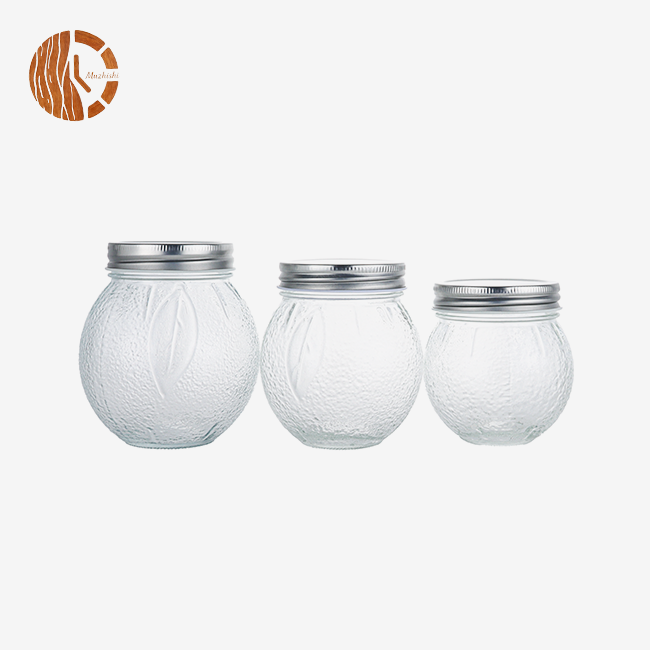
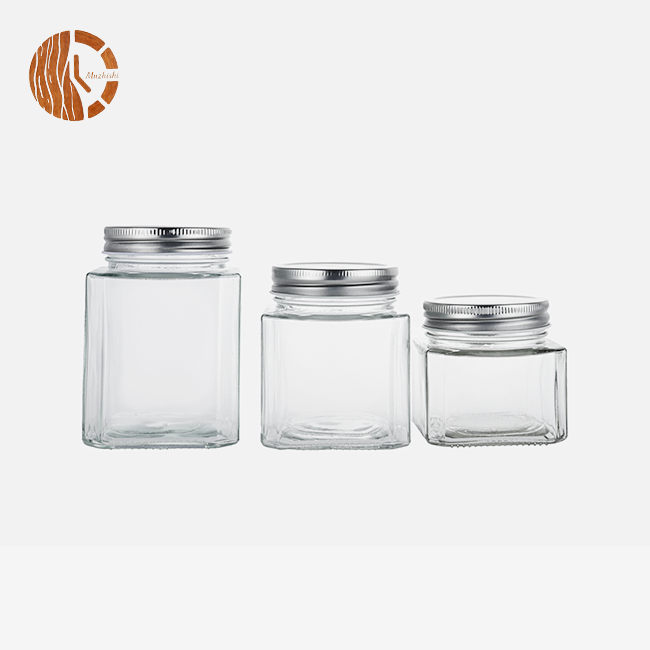

Our customers’ satisfaction speaks for our quality — contact us to experience the same reliable service.