- English
- French
- German
- Portuguese
- Spanish
- Russian
- Japanese
- Korean
- Arabic
- Greek
- German
- Turkish
- Italian
- Danish
- Romanian
- Indonesian
- Czech
- Afrikaans
- Swedish
- Polish
- Basque
- Catalan
- Esperanto
- Hindi
- Lao
- Albanian
- Amharic
- Armenian
- Azerbaijani
- Belarusian
- Bengali
- Bosnian
- Bulgarian
- Cebuano
- Chichewa
- Corsican
- Croatian
- Dutch
- Estonian
- Filipino
- Finnish
- Frisian
- Galician
- Georgian
- Gujarati
- Haitian
- Hausa
- Hawaiian
- Hebrew
- Hmong
- Hungarian
- Icelandic
- Igbo
- Javanese
- Kannada
- Kazakh
- Khmer
- Kurdish
- Kyrgyz
- Latin
- Latvian
- Lithuanian
- Luxembou..
- Macedonian
- Malagasy
- Malay
- Malayalam
- Maltese
- Maori
- Marathi
- Mongolian
- Burmese
- Nepali
- Norwegian
- Pashto
- Persian
- Punjabi
- Serbian
- Sesotho
- Sinhala
- Slovak
- Slovenian
- Somali
- Samoan
- Scots Gaelic
- Shona
- Sindhi
- Sundanese
- Swahili
- Tajik
- Tamil
- Telugu
- Thai
- Ukrainian
- Urdu
- Uzbek
- Vietnamese
- Welsh
- Xhosa
- Yiddish
- Yoruba
- Zulu
How to Customize Glass Food Containers?
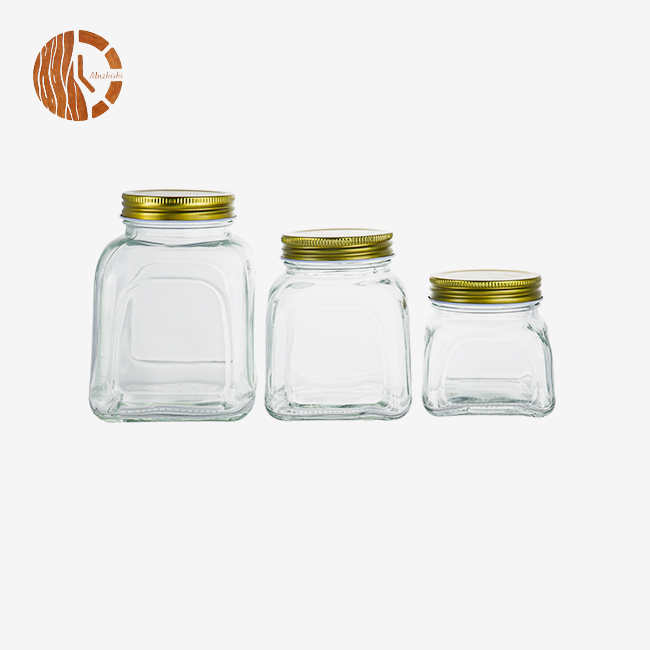
The first step in customising glass food containers is to figure out what you need them for. For example, if you need a 500ml glass food container for store packaging, business gifts, or food service, you can do that. To do this, you have to choose the right type of glass (borosilicate or soda lime), make sure the lids are sealed properly, and add your brand's information using hot stamping, frosting, or screen printing. If you work with a company with a lot of experience, you can change the size, colour, and packaging choices to fit your brand while still meeting food safety standards. This guide walks you through every important choice you need to make to find customised glass cases that make your products look better and run more smoothly.
Understanding the Basics of Glass Food Storage Solutions
Glass cases are now the best choice for companies in the food service, pharmacy, and speciality retail industries that want reliable, long-lasting packing. Because of how they are made, they naturally solve important issues that buying teams face every day.
Why Glass Outperforms Alternative Materials?
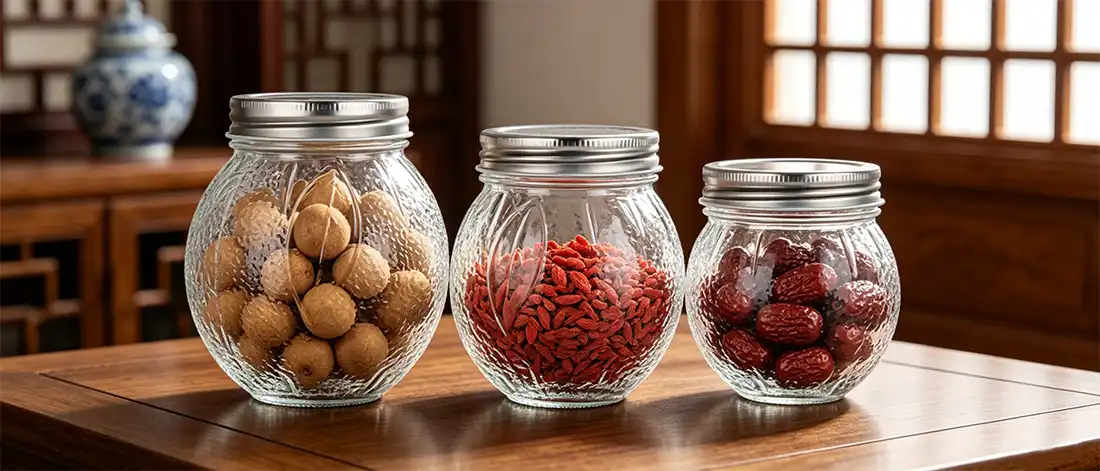
Glass is the best material for protecting food from chemicals, so the food you store will keep its original taste, smell, and nutritional value without getting messed up. Plastic alternatives break down over time and may release chemicals that are dangerous. Glass, on the other hand, stays solid even when it comes into contact with acidic or alkaline foods. The surface of the material is non-porous, so germs can't grow on it, and it doesn't stain easily. This makes it perfect for honey, jam, speciality spices, and pickled foods.
Material Variations: Borosilicate vs. Soda Lime Glass
When choosing containers for different uses, it's important to know about the different types of glass. Borosilicate glass has boron trioxide in it, which makes it very resistant to thermal shock. This makes it great for goods that need to go from one temperature extreme to another. This material doesn't crack when it goes from the freezer to the oven quickly, which makes it useful for business kitchens and meal prep services. Soda lime glass is the cheaper choice, and it works well for storing things in rooms where the temperature won't change much. When made to the right standards, both materials meet FDA and EU rules for food handling.
Lid Technologies That Ensure Product Integrity
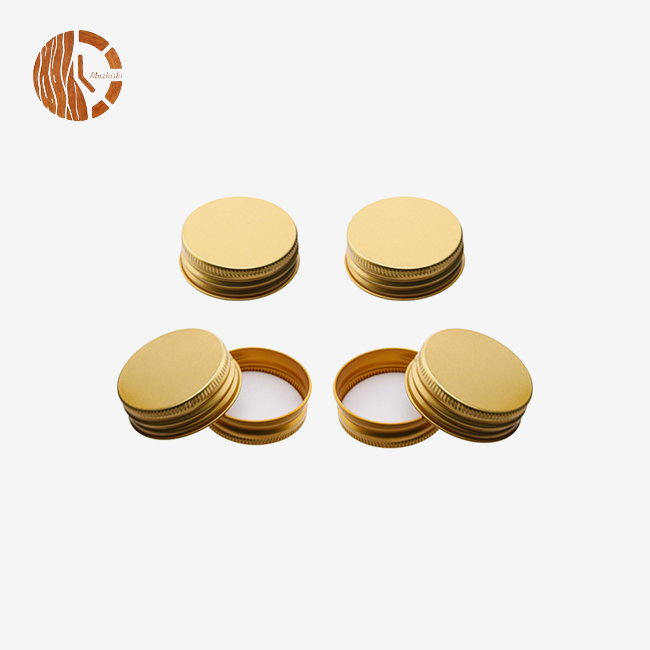
The way your container seals will tell you if it really keeps food fresh. Aluminium screw caps with food-grade silicone seals keep air out and keep moisture and oxygen out. Twist lids are convenient for customers and keep the lids closed securely while they're being transported. Plastic lid choices are cost-effective for businesses that handle a lot of containers. Different types of lids are better for different types of distribution channels. For example, quick-access lids work well in restaurants, while tamper-evident lids on store boxes give customers peace of mind.
How to Customize Glass Food Containers: Step-by-Step Approach
When you break the customisation process down into doable steps, it's easier to get around. This methodical approach solves common problems that B2B buyers have when they are buying things.
Defining Your Customization Requirements
Setting clear business goals is the first step in the customisation process. Are you putting out a high-end line of organic products that need beautiful frosted glass to show how expensive they are? Does your company's gift-giving program need name printing that can stand up to being handled a lot? Maybe your restaurant business needs containers that are all the same and have the same logo on them all over. Write down these needs very clearly. List the goods you want to sell (like peanut butter, cereal, or coffee beans), how you plan to get them to customers, and any legal requirements that are unique to your target markets.
Material Selection Aligned With Use Cases
Matching the type of glass to the job saves you a lot of money and time. Borosilicate glass is good for businesses that sell meal kits that can be heated in the microwave or products that need to be sterilised. Because it has a higher melting point, it can be engraved on the inside, which makes a lasting and elegant mark. Soda lime glass is great for everyday items like salt, sugar, and dried herbs, where resistance to heat isn't as important but cost is. Think about where your product will be stored—will the cases go from being cold to being at room temperature? Do you use hot beverages in the filling process?
Surface Treatment Options That Amplify Brand Value
With the right customisation tools, simple glass food containers can become strong brand champions. Hot stamping lets you use coloured or shiny foils that look great on store shelves because they catch the light so well. Frosting makes fine smooth finishes that show you're a high-end brand while also making the surface easier to grip. Screen printing creates vivid, long-lasting images that are great for limited runs or holiday campaigns. Inside engraving is permanent and can stand up to commercial dishwashing cycles, which is important for catering businesses that are investing in reuse container systems. Each method has minimum order amounts and wait times that smart procurement teams take into account when they plan.
Capacity and Dimensional Considerations
Although 500ml is a good size for single serves and portion control, you might want to add 280ml or 380ml sizes to your product line for sampling programs or speciality markets. Dimensional details are important for more than just volume. The width of the mouth affects how well filling equipment works and how easy it is for the customer. The height of the container affects how well shelf space is used and how well shipping boxes work. International shipping prices are affected by how much something weighs. By asking makers for specific technical drawings, you can avoid surprises during production.
Packaging Engineering for Safe Transit
Customisation goes beyond the container itself and includes protected packing that makes sure goods arrive in one piece. Handling doesn't break them because of corrugated dividers, foam inserts, and custom-fit boxes. Some buyers want retail-ready boxes that can also be used as show stands to save money on labour costs at the destination. Sustainable packing materials go with brand messages that are good for the environment and connect with current customers. Talking about packing needs early on in the customisation process helps makers come up with solutions that protect while also being cost-effective.
Comparing Customization Options for Glass Food Containers
To make smart choices, you need to compare the different ways to customise things with your business's needs. This comparison study helps people who work in procurement find the best options.
OEM vs. Off-the-Shelf Solutions
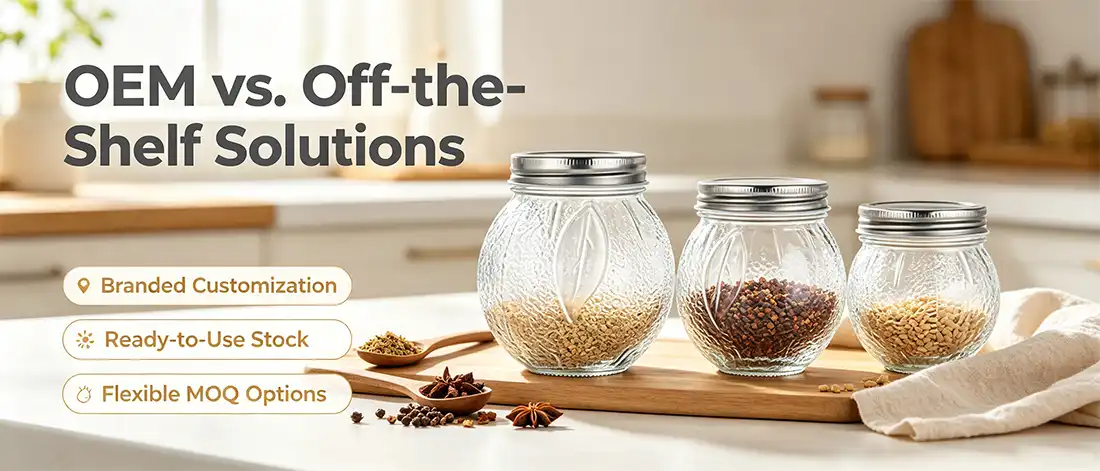
Off-the-shelf containers are easy to get and don't cost much, so they're good for trying new product ideas or seasonal items with unsure demand. But they make it harder for brands to stand out in busy markets. OEM (Original Equipment Manufacturer) customisation gives you ideas that no one else has, which strengthens your brand's personality. The investment makes sense once you know there is a need in the market and have planned enough production runs to cover the cost of the tools. There are also hybrid methods. For example, some makers offer "half-custom" choices where you can choose from base designs and add your own branding.
Supplier Capability Assessment
Not every company that makes glass can customise it the same way. Well-known names like Pyrex and Glasslock are great at making standard, high-quality goods, but they don't always have the flexibility to meet special needs. Specialised makers in areas where glass is made can do a lot of customisation, but they need to be carefully checked out first. Check out providers based on their ability to meet your number needs, their technical knowledge in the decoration methods you want, their quality certifications for your markets (FDA, LFGB, EU 1935/2004), and how quickly they respond to sample requests. Companies that have been in business for 20 years or more usually have more reliable methods and better ways of handling problems.
Lid Performance Comparison
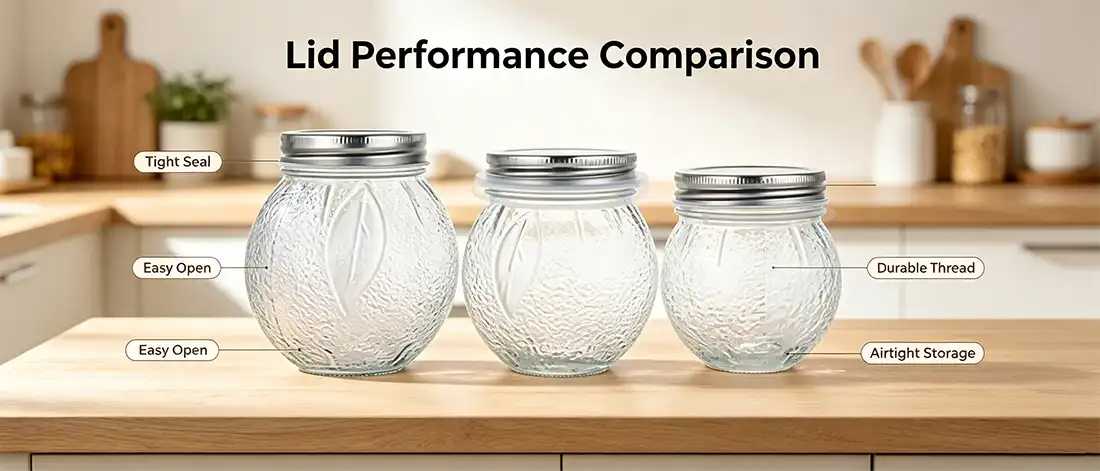
Airtight lids with silicone seals work great for cereal and coffee beans that don't like being wet because they keep the food fresh for longer. Designs that don't leak work well for moving honey, jam, sauces, and other liquid or almost-liquid foods that need to be sealed tightly. Standard choices that don't seal well enough work well for dry things like salt and sugar where saving money is the most important thing. Putting samples through real-life tests, like changing temperatures and drops, shows changes in performance that aren't shown on standard sheets.
Glass Type Cost-Benefit Analysis
Most of the time, borosilicate glass costs 20–30% more than soda lime glass, but it lasts a lot longer. Because it lasts a long time, reuse container programs may need to change it less often, which could lower the total cost of ownership. The cloth also gives the impression of good quality, which is why it costs more at stores. Soda lime glass is used in high-volume, low-cost situations where products are only used once or recovered instead of being used again. Lifecycle analysis should look at things like dumping costs and environmental impacts, which are becoming more and more important to businesses when they decide what to buy.
Customization Timeline and Scalability
Screen printing and other common ways of decorating usually take 15 to 20 days from the time the artwork is approved to the time the goods are delivered. Timelines may be pushed back to 25 to 35 days for more complicated processes like multicolour hot pressing or etching on the inside. These lead times are based on the idea that makers have base glass cases on hand. When new moulds are needed for unique forms or sizes, it takes an extra 45 to 60 days to make the tools. Scalability is important as your business grows. Make sure that your sellers can handle higher volumes without lowering quality or lengthening wait times. Building ties with manufacturers who keep raw material stock on hand gives you the freedom to handle reorders and yearly demand spikes.
Best Practices for Cleaning, Maintaining, and Using Customized Glass Containers
Following the right care instructions will make the container last longer and protect the customisation, which will directly affect your return on investment. These rules talk about real issues that procurement teams need to share with end users.
Preserving Branded Elements During Cleaning
Customised surface processes need to be cared for in the right way. Hot-stamped logos can be washed by hand with light soaps, but rough scrubbers may damage them. Putting screen-printed patterns on the top rack of the machine, away from the heating parts, is best. If you clean frosted finishes with soft cloths, they will keep their beautiful look. Inside engraving is the most durable; it stays in place through thousands of cycles in an industrial machine. Giving care instructions that are special to the way you customise cuts down on customer complaints and protects your brand's image.
Maintaining Lid Seal Performance
To keep the seal tight, silicone gaskets need to be checked and replaced every so often. Buildup of residue from oils or sugars can weaken seals. Removable gaskets let you clean them thoroughly, which stops this problem. When you store glass food containers with lids slightly loose, the seal doesn't get compressed, which could make them less effective over time. These easy care tasks greatly increase the useful life of containers, which is especially important for businesses that deal with guests and where containers are used every day.
Safe Usage Parameters for Different Applications
Borosilicate dishes can easily go from being stored in the freezer (-20°C) to being heated up in the microwave, which is good for meal prep services and makes things easier for consumers. The temperature of a machine is fine for soda lime glass, but it may break quickly if the temperature drops too low. By checking the manufacturer's instructions for use, you can avoid misusing the product, which could cause it to break and raise legal issues. Labels or box inserts that make these limits clear protect customers and cut down on returns.
Application Versatility Across Industries
Glass dishes can be used for a lot of different things besides just storing food. Hotels and restaurants use labelled containers to improve the guest experience by putting welcome gifts or breakfast foods in pretty containers. Customised glass is used by event planners as wedding favours and party decorations. Cosmetic companies put face masks and scrubs in food-grade glass that makes it look like the products are made with natural ingredients. Compound medicines are kept in glass at pharmacies so that the chemicals stay stable. If you understand these cross-industry uses, you might find new markets for your goods that haven't been explored yet.
Procurement Guide: How to Buy Customized Glass Containers in Bulk
Whether or not your customisation project meets its financial and operating goals depends on the strategic buying decisions you make. The procurement strategy talks about important things to think about when placing large orders.
Sourcing Channel Evaluation
Online business-to-business (B2B) sites give buyers access to a wide range of sellers and offer clear pricing structures and customer safety features. When you work directly with a maker, you can get better prices on larger orders and more customisation choices. Trade shows and industry fairs let people look at models in person and start building relationships right away. Each route has its own benefits. For example, online platforms are good for exploring options and placing small orders, while direct relationships are better for long-term purchasing plans that need regular supply and technical cooperation.
Minimum Order Quantities and Their Business Implications
Depending on how complicated the design is, most customisation of glass containers has a minimum order size of between 3,000 and 10,000 units. These limits show how much it costs to set up programs for cutting, hot pressing, or screen printing plates. Knowing your MOQs helps you decide how much product to keep on hand so that you can balance your cash flow with the lowest unit costs. Some makers give lower minimums for extra fees so that they can test their products before they go on sale to the public.
Pricing Dynamics and Cost Optimization Strategies
Unit costs go down a lot as the number of units ordered goes up. For example, an order for 10,000 units usually costs 15–25% less per piece than an order for 3,000 units. The world silica and soda ash markets cause prices for raw materials to change, which causes prices to vary between quote validity times. Protecting earnings means locking in long-term supply deals when market conditions are good. Setup costs are lower when multiple SKUs are combined into a single production run. Giving makers accurate forecasts helps them keep enough raw materials on hand, which saves buyers money by cutting down on lead times and offering better prices.
Supplier Qualification Criteria
Verification of certification makes sure that your seller meets safety requirements. Instead of believing promises without proof, ask for up-to-date FDA, LFGB, or other relevant certification papers. As part of the sample review, you should do what you plan to do with the product: put it in containers, store them the way you normally do, and check on their performance over a few weeks. Checking references with present clients shows operating reliability that can't be shown on specification sheets. With 20 years of experience making things and a full service infrastructure, companies like Xuzhou Muzhishi Crafts Co., Ltd. show the stability that keeps your supply chain from getting messed up.
Initiating Productive Supplier Relationships
Effective questions give providers the details they need to give accurate quotes, such as product details, desired customisation methods, goal quantities, delivery times, and markets where the goods will be sold. Requesting samples doesn't cost much, but it keeps you from making costly mistakes about what quality should be. Setting clear communication rules, like designated account managers, response time promises, and quality dispute processes, can help keep things running smoothly during critical production runs. Suppliers who promise to respond within 24 hours and handle your account exclusively are service-oriented, which is good for building long-term relationships.
Conclusion
Customising 500ml glass food containers turns regular packing into strategic assets that raise the value of a brand, protect the purity of the product, and meet the needs of a wide range of markets. The process needs careful thought about the properties of the material, the ways it can be decorated, the skills of the seller, and the costs over its whole life. The choices in this guide will help your buying process go smoothly, whether you're looking for stylish 500ml containers for a high-end organic line, long-lasting containers for hospitality businesses or branded packaging for workplace gifting programs. For high-quality customisation, you need to work with experienced manufacturers who know the specific needs of your business and can help you with everything from creation to delivery. Investing in properly customised glass cases pays off in the form of better brand recognition, lower replacement costs, and eco-friendly packing options that appeal to customers who care about the environment.
FAQ
Can logos be printed directly on glass surfaces?
Of course. Several methods can be used to securely brand glass objects. Screen printing uses special colours that harden at high temperatures to make pictures that last even after being washed many times. Through heat and pressure, hot stamping applies coloured or shiny foils, creating stunning visual effects. Inside etching uses very fine tools to leave lasting, small marks inside the glass. Each way looks different and lasts a different amount of time. Talking to makers about your specific branding goals can help you find the method that matches visual impact with practical performance needs.
What are typical turnaround times for bulk custom orders?
Production times depend on how complicated the customisation is and how many items are ordered. Standard jobs that need screen printing or labelling are usually done 20 to 30 days after the artwork is approved and the fee is made. It could take 35 to 50 days for complex customisations that need new moulds, multicoloured painting, or special finishes. These dates are based on the idea that makers have base glass on hand. By planning buying plans around these realistic timeframes, you can avoid making hasty decisions that hurt quality or raise costs by charging extra for faster production.
Do customized glass containers comply with international food safety standards?
Containers made by reputable companies meet food contact rules set by the FDA (US), LFGB (Germany), and EU 1935/2004 (European Union). These standards say what kinds of materials are allowed, how much heavy metal can move, and other safety rules. For verification, you need to ask for up-to-date certifications and test results from a third party. Working with well-known makers who follow compliance standards will make sure that your goods meet legal requirements in target markets. This will keep you from having to pay for expensive recalls or face barriers to entering new markets.
Partner With an Experienced 500ml Glass Food Container Manufacturer
Xuzhou Muzhishi Crafts Co., Ltd. is ready to take your ideas for glass containers and turn them into goods that are ready to sell. We've been making specialised products for 20 years in Jiangsu, China's famous glass-making area. This gives us a lot of experience with customisation methods like hot stamping and inside printing. We've worked with home decor brands, business gift companies, and hotel groups to make unique packaging that helps them stand out in the market. Our full service includes design advice, quick sample production (3-5 days), personal account management, easy export logistics, and full support for all paperwork. We can offer reasonable prices while keeping high quality standards because we have local relationships with suppliers of glass sheets and packaging materials. Email our team at long@muzhishi.com to talk about your unique needs, get free samples, and find out how our 500ml glass food container options can help your business. We promise to get back to you within 24 hours and help you succeed from the first time you ask for help to the time you place your next order.
References
1. Anderson, M. & Williams, R. (2021). Glass Packaging in the Food Industry: Safety, Sustainability and Market Trends. International Food Packaging Association.
2. Chen, L. (2022). "Material Science of Borosilicate and Soda Lime Glass for Commercial Applications." Journal of Industrial Materials Research, 45(3), 287-304.
3. European Commission. (2020). Regulation (EC) No 1935/2004: Materials and Articles Intended to Come into Contact with Food. Official Journal of the European Union.
4. Morrison, K. (2023). B2B Procurement Strategies for Custom Packaging: A Comprehensive Guide for Supply Chain Professionals. Global Trade Publishing.
5. United States Food and Drug Administration. (2022). CFR Title 21: Food Contact Substances and Food Packaging Materials. Government Printing Office.
6. Zhang, H. & Thompson, D. (2021). "Lifecycle Analysis of Glass Container Reuse Systems in Commercial Food Service." Sustainability in Packaging Quarterly, 18(2), 112-129.

Our customers’ satisfaction speaks for our quality — contact us to experience the same reliable service.