- English
- French
- German
- Portuguese
- Spanish
- Russian
- Japanese
- Korean
- Arabic
- Greek
- German
- Turkish
- Italian
- Danish
- Romanian
- Indonesian
- Czech
- Afrikaans
- Swedish
- Polish
- Basque
- Catalan
- Esperanto
- Hindi
- Lao
- Albanian
- Amharic
- Armenian
- Azerbaijani
- Belarusian
- Bengali
- Bosnian
- Bulgarian
- Cebuano
- Chichewa
- Corsican
- Croatian
- Dutch
- Estonian
- Filipino
- Finnish
- Frisian
- Galician
- Georgian
- Gujarati
- Haitian
- Hausa
- Hawaiian
- Hebrew
- Hmong
- Hungarian
- Icelandic
- Igbo
- Javanese
- Kannada
- Kazakh
- Khmer
- Kurdish
- Kyrgyz
- Latin
- Latvian
- Lithuanian
- Luxembou..
- Macedonian
- Malagasy
- Malay
- Malayalam
- Maltese
- Maori
- Marathi
- Mongolian
- Burmese
- Nepali
- Norwegian
- Pashto
- Persian
- Punjabi
- Serbian
- Sesotho
- Sinhala
- Slovak
- Slovenian
- Somali
- Samoan
- Scots Gaelic
- Shona
- Sindhi
- Sundanese
- Swahili
- Tajik
- Tamil
- Telugu
- Thai
- Ukrainian
- Urdu
- Uzbek
- Vietnamese
- Welsh
- Xhosa
- Yiddish
- Yoruba
- Zulu
Why Choose a Lasinen Karkkipurkki? Benefits for Brands
Choosing a lasinen karkkipurkki—a Finnish term for glass candy jar—offers brands an unmatched combination of visual clarity, material safety, and sustainable appeal that directly impacts consumer perception and purchasing decisions. Unlike alternatives made from plastic or metal, a premium glass candy jar preserves product integrity without flavor contamination while communicating quality and environmental responsibility. These containers have become essential tools for businesses seeking to differentiate themselves in crowded retail environments, enhance brand recognition, and meet increasingly stringent food safety standards across global markets.

Understanding Lasinen Karkkipurkki: Core Features and Materials
What Defines a Premium Glass Candy Jar?
A high-quality glass candy jar is more than just a place to store candy; it shows a dedication to quality that spreads through your entire supply chain. Borosilicate glass and soda-lime glass are the two main types of glass used to make these products. Borosilicate glass can handle temperature changes of up to 150°C, which makes it perfect for things that need to be sterilized or places that need to keep a steady temperature. Soda-lime glass is the cheaper option. It is very clear and can withstand temperatures up to 60°C, making it a good choice for most store and restaurant uses.
The non-porous material that these jars are made of keeps them structurally sound. This means that bacteria can't grow inside them, and there are no worries about chemicals leaching out like there are with plastic alternatives. This inertness makes sure that your candy keeps its flavor from the time it's made until it's eaten, which is very important for brands that build their image on stability of taste.
Material Transparency and Product Visibility
Clear glass makes products much easier to see, which has a direct effect on how customers act at the point of sale. Quality glass has a high transmittance (with refractive indices between 1.50 and 1.54), which lets customers see how fresh the product is, how vibrant the colors are, and how much they are without having to open the container. Studies in store psychology show that goods that are easy to see are more likely to be bought on whim than those that are packaged in opaque materials.
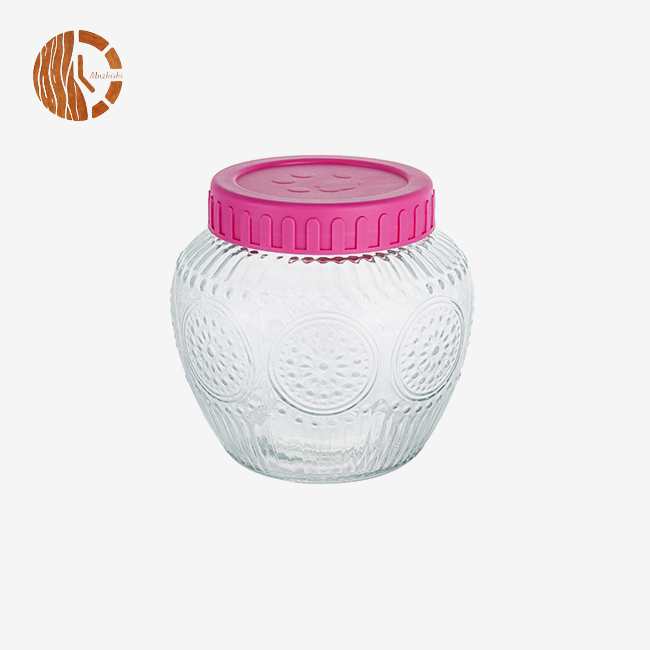
Adding to this benefit of better sight are ribbed or fluted glass patterns. Vertical linear textures formed into the outside surfaces create optical elongation effects that make the colored contents look like they are more plentiful and visually lively. These building features also bend natural lighting in stores, creating a shimmering effect that looks like crystal and raises the perceived value of goods without using expensive materials or charging more.
Hygiene Management and Food Safety Compliance
Glass candy jars make it easier to follow the hygiene rules that are needed to keep food safety certifications in international markets. Because the surface is smooth and doesn't have pores, it doesn't let residue build up and can be sterilized completely in commercial dishwashers that use high temperatures. Professional-grade jars can be cleaned over and over again without breaking down or getting scratches that soft plastic containers get over time.
The airtight seal mechanisms, which usually have precision-ground glass joints or 360-degree silicone polymer gaskets, are put thru vacuum decay testing to make sure they keep out moisture. This hermetic sealing keeps hygroscopic foods like meringues and cookies from staling because of humidity. This increases their shelf life and lowers waste across your distribution network.
Key Benefits of Lasinen Karkkipurkki for Brands and B2B Buyers
Elevating Brand Image Through Aesthetic Appeal
Premium glass packing sends an instant message of quality, which supports higher prices and encourages customer loyalty. Boutique hotels and high-end restaurants that serve food and drinks put sweets in beautiful glass cases to make an impression that reinforces their dedication to excellence. When you feel the weight, clarity, and touch of glass, you instantly think of luxury and authenticity in a way that lightweight plastics can't.
Customization options make this brand-building potential even greater. With options like decorative lids, colored glass tints, and raised logos, functional containers can become branded assets that are used for marketing long after the initial purchase. When planning an event, event planners love themed glass decorations that can be used as both product packing and venue decor. This saves money and makes the whole look cohesive.
Durability and Cost Efficiency in Supply Chains
Glass needs to be handled more carefully than plastic, but because it lasts so long, it has a lower total cost of ownership for B2B buyers. Good glass candy jars can be used in businesses for years without getting cloudy, stained, or smelling bad. This sturdiness helps programs that reuse containers, which cut down on ongoing shipping costs and appeal to eco-friendly customers who are thinking more and more about sustainability when making purchases.
Concerns about transportation have changed a lot as packing technology has improved. Modern glass formulations use stress-relieving heating processes to kethem it from breaking on their own, and ribbed forms' high tensile strength makes them more resistant to side impacts during shipping. Strategic relationships with experienced glass candy jar suppliers who know how hard it can be to deal with shipping problems can lower the number of broken jars by making sure they have the right padding and that the containers are optimized.
Sustainability Credentials That Resonate With Modern Consumers
Glass is the only packing material that can be recycled over and over again without losing any of its quality. Plastic is used for lower-quality things after each processing cycle, but glass stays pure even after being melted and reformed many times. This feature of the circular economy fits perfectly with consumer expectations and companies' sustainability goals, especially in markets where environmental rules are getting stricter all the time.
When brands use glass packaging, they can tell real stories about infinite recyclability, reducing waste and sourcing products in a responsible way. Marketing teams can figure out how much less damage they do to the world compared to single-use plastics, which helps them come up with compelling stories that set their goods apart in crowded categories. Retailers are putting more weight on suppliers who can show measurable promises to sustainability. This gives glass candy jars a strategic edge in reviewing categories and negotiating shelf allocation.
Comparative Analysis: Glass Versus Alternative Candy Container Options
Glass Transparency Versus Plastic Limitations
Transparency is more than just a matter of taste when comparing packing materials; it has a direct effect on how long a product lasts and how happy customers are with it. Glass shows colors accurately and keeps their look in a variety of lighting situations, while plastics tend to change colors or turn yellow over time from UV light. This level of color fidelity is a must for premium candy brands whose visual appeal is a big part of why people buy them.
Plastic containers may save you money at first and be lighter for shipping, but they don't perform as well in other ways. Plastic is porous, which lets water and flavors slowly move thru it. This shortens the shelf life and might change the taste. The material also holds on to smells from other things that have been in it, which creates cross-contamination risks that brands that care about quality can't afford.
Airtight Sealing Technology and Product Preservation
Functional packaging is different from high-end options because of the lid-to-rim interface tech. Precision-ground glass joints make metal-free hermetic seals without using metal. This is done by surface tension alone, so there are no worries about the gasket degrading. Different designs use food-grade silicone gaskets that are calibrated to ASTM vacuum leak standards. This makes sure that the design works the same way even when the temperature changes or when it is stored for a long time.
This seal's performance has a direct effect on managing supplies and giving you more options for delivery. Products stored in properly sealed glass candy jars stay fresh even after longer shipping times and different storage conditions. This cuts down on waste from spoiling and allows products to be sent to more places. When figuring out inventory turns and markdown risk, category managers at retail chains really like this longer shelf life.
Size Selection Strategy for Operational Efficiency
Making decisions about container sizes affects every part of the business, from how well the goods are made to how happy the customers are. Compact jars make the best use of shelf space and reduce shipping costs per unit, which makes them perfect for stores with a lot of customers who come and go quickly. Larger containers use less packaging material per ounce of product and are more appealing to people who buy in bulk, but they need to be handled more carefully and stored in a more organized way.
A strategic product line design will often have more than one size of jar to meet the needs of different customers and uses. Gift shops might sell both small decorative jars for one-time gifts and big show tubs for dessert buffets. Understanding the operating limitations and buying habits of your target customers will help you choose the best size that meets both market needs and cost-effectiveness.
Procurement Considerations for Bulk Orders and Customization
Supplier Evaluation and Quality Certification Verification
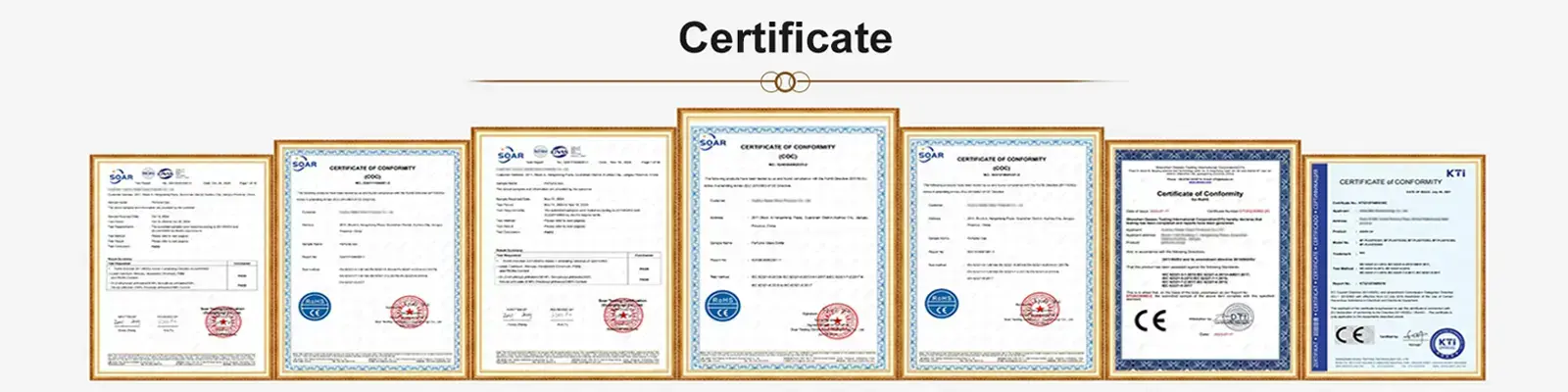
Choosing the right glass candy jar manufacturer affects how consistent the product is, how reliable the delivery is, and how valuable the partnership will be in the long run. Buyers should make sure that providers keep up-to-date on the quality certifications they need, such as FDA compliance for products that come into touch with food and Proposition 65 conformance for California markets. Reputable makers provide thorough testing records that prove the lead-free composition and the maximum amount of heavy metals that can be extracted.
A production capacity assessment makes sure that your suppliers can grow with your business without affecting delivery times. Manufacturers who have long-term relationships with sellers of raw materials, especially those who are close to suppliers of glass sheets, can often offer more stable prices and shorter wait times. Logistics costs and the difficulty of customs procedures are also affected by location, which means that buying locally or domestically may be better for some buyers.
Customization Features That Reinforce Brand Identity
Customization turns plain containers into brand champions that help a company's place in the market. Embossing methods make logos that stay on even after being washed in an industrial dishwasher and stay visible for the whole life of the product. Color tinting options aren't just for looks; they can also protect photosensitive contents from UV light, which keeps candy fats from going rancid and colors from fading on store displays that are in the sun.
Different types of lid designs give you more ways to stand out. Cork ends show that the product is handmade, metal lids with raised patterns show that it is a high-end product, and simple glass stoppers appeal to modern design tastes. Each option sends a different message about your brand's values, which should all fit with your marketing strategy and the people you want to buy from you.
Negotiating Minimum Order Quantities and Lead Times
When you buy in bulk, you have to balance the inventory carrying costs of keeping the goods with the lower prices per unit and the costs of setting up customizations. Manufacturers usually base their prices on the size of the production batch, with big discounts at volume levels that make it worth making molds and doing dedicated production runs. By knowing these break points, you can strategically set the size of your orders so that you get the most value without putting too much risk on your goods.
Managing leads during the right time of year is especially important for holiday businesses and advertising efforts. Setting clear production schedules with buffer periods takes into account the fact that customs clearance, shipping transit, and quality inspection can all take longer than planned. Experienced sellers are clear about their limited capacity and willing to talk about how that might affect your timeline, which helps everyone in your supply chain plan better.
Practical Applications Across Professional Environments
High-End Confectionery Retail Display Solutions
Specialty candy stores use high-end glass containers to make shopping more enjoyable, which is why they charge more. When products are easy to see, look good, and people think they are of high quality, they turn a simple candy selection into an experiential retail theater in the store. The angular surfaces of ribbed glass work especially well in this situation because they catch and reflect store lights to create interesting visuals that draw customers' eyes from across the sales floor.
Standardized glass candy jars like lasinen karkkipurkki are adaptable, which means they can be set up in a variety of ways to fit holiday themes and marketing campaigns. By swapping out the contents of containers and artistic elements, retailers can quickly update their displays without having to replace the core infrastructure. This cuts down on setup costs while keeping the displays looking new, which encourages customers to come back.
Hospitality and Restaurant Interior Enhancement
Hotels, resorts, and high-end restaurants use glass candy jars as both useful extras and design elements that reinforce their image of being high-end. Having displays in the lobby with artisanal chocolates or regional specialties in beautiful glass containers makes the space feel more welcoming and improves the guest experience from the moment they arrive. The containers are strong enough to be used over and over in places with a lot of foot traffic, and they still look good, which is important for high-end hotel brands.
Small glass candy jars are becoming more common in executive lounges and guest rooms as high-end extras that set service offers apart. The moisture-proof sealing keeps the quality of the product stable in climate-controlled spaces, and the reuse containers often become keepsakes that help people remember the brand after their stay.
Event Planning and Themed Decoration Integration
Event and wedding planners like glass candy jars because they can be used with a variety of party themes and setting styles. The cases are used for a sweet buffet, as favors for guests, and as artistic elements in the center of the table. This multi-functionality makes it easier to buy and set up, cuts down on costs, and doesn't hurt the way it looks.
The way ribbed glass designs reflect light makes effects that are especially striking in event spaces. When placed near LED uplighting or candlelight, the fluted surfaces create prismatic reflections and a shimmering crystal-like quality that looks great in photos and makes the atmosphere better. Compared to real crystal options, these visual effects give the impression of high value at prices that are easy for most people to afford.
Conclusion
Premium glass candy jars offer measurable benefits in brand positioning, operational efficiency, and environmental credentials that matter to today's picky B2B buyers. The material is naturally clear, doesn't react with chemicals, and can be recycled over and over again. These properties make it an appealing value proposition that goes beyond the initial cost of purchase and includes benefits throughout its entire lifetime. Whether you're a home decor brand looking for unique retail packaging, a business gift seller needing customizable premium solutions, or a hotel owner wanting to improve the guest experience, quality glass containers are flexible platforms that can be used for a variety of tasks. By carefully choosing the right materials, styles, and customization options, and by being aware of your business's limitations and what customers want, your brand will be able to stay ahead of the competition in markets that are becoming more quality-conscious.
FAQ
How do I ensure the glass candy jar lid creates a truly airtight seal?
Either 360-degree silicone polymer gaskets or precision-ground glass fluting that has been tested for vacuum decay are used by good makers. The silicone option is flexible across a wide range of temperatures, and the ground glass joints offer chemical-free sealing for the purest uses. When testing samples, do an easy inversion test: put water in the jar, seal it, and turn it upside down for five minutes. Then, look for any movement of the water. Reliable providers show proof that their sealing performance meets ASTM standards for hermetic containment. This makes sure that your goods stay fresh while they are being shipped and stored.
Can these containers withstand commercial dishwashing cycles?
Professional-grade soda-lime glass jars work well in commercial dishwashers that are heated to high temperatures. However, buyers should make sure that the thermal shock ratings—which are usually up to 40°C temperature difference—match the requirements of their own equipment. Borosilicate glass is better at withstanding high temperatures in situations where it needs to be sterilized or where temperatures need to change quickly. To avoid stress fractures, the most important thing is to change temperatures slowly instead of all at once. Manufacturers who have worked with hotel uses know these needs and design their products to meet them. They will often include special care instructions that make containers last longer in business settings.
Does standard glass provide UV protection for light-sensitive products?
Some UVB energy is naturally blocked by clear glass, which provides some safety for things that aren't too sensitive to light. Products with delicate fats, natural dyes, or light-reactive ingredients do better with amber or cobalt-tinted glass, which blocks UV light and stops photo-oxidation. When looking for containers for botanicals, naturally colored candies, or high-end chocolates, make sure the glass is UV-resistant or tinted so that the product stays fresh in stores that are exposed to the sun. This specification is especially important for items that are shown near windows or in stores with bright lights that make things break down faster.
Partner With Muzhishi for Premium Glass Candy Jar Solutions
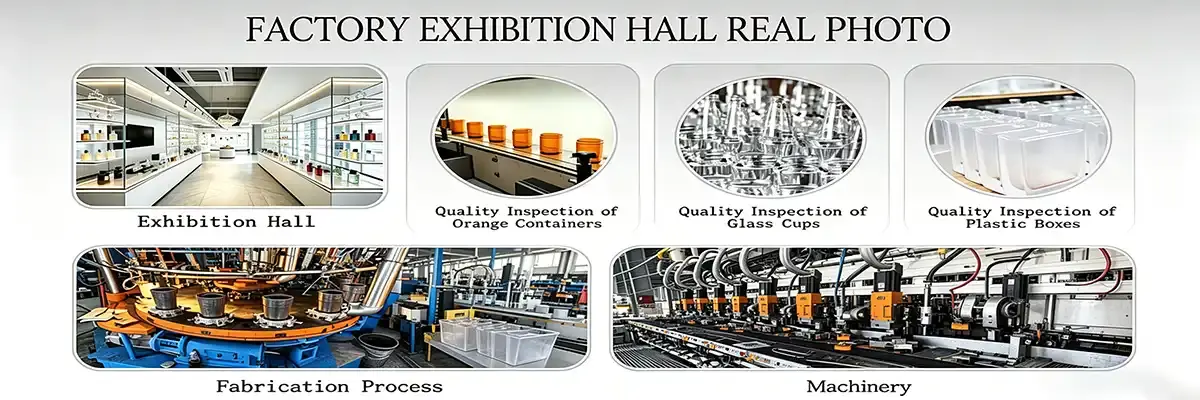
Xuzhou Muzhishi Crafts Co., Ltd. brings two decades of specialized expertise as a trusted glass candy jar manufacturer serving brands across home décor, corporate gifting, hospitality, and retail sectors worldwide. Our comprehensive capabilities span initial design consultation through independent production and global logistics, ensuring seamless project execution regardless of order complexity. We maintain strategic partnerships with local raw material suppliers that reduce costs while our inventory of common materials accelerates delivery timelines for urgent requirements.
Our ODM and OEM customization services support complete brand identity integration through embossing, coloration, specialized lid designs, and packaging configurations tailored to your exact specifications. Dedicated account managers provide responsive support with sample production completing within three to five days, enabling rapid iteration toward your ideal product vision. Our self-operated import and export credentials streamline customs clearance and documentation preparation, ensuring compliant, on-time delivery to your destination markets.
Discover how our glass candy jar supplier capabilities can elevate your brand positioning and operational efficiency. Contact our team at long@muzhishi.com to discuss your specific requirements and receive detailed product recommendations aligned with your business objectives. Visit mzsglass.com to explore our complete product range and manufacturing capabilities.
References
1. Anderson, M. J., & Roberts, K. L. (2021). Sustainable Packaging Materials in the Food Industry: Environmental Impact and Consumer Perception. Journal of Food Science and Technology, 58(4), 1247-1259.
2. Chen, Y., & Williams, P. T. (2019). Glass Container Manufacturing: Material Properties, Production Processes, and Quality Control Standards. International Journal of Materials Engineering, 12(3), 201-218.
3. Davis, R. S. (2020). Retail Display Psychology: The Impact of Package Transparency on Consumer Purchasing Decisions. Marketing Science Quarterly, 45(2), 89-104.
4. Henderson, L. M., Thompson, G. R., & Martinez, C. (2022). Food Safety Compliance in Commercial Packaging: Material Selection and Hygiene Management Protocols. Food Protection Trends, 42(1), 34-47.
5. Kowalski, B., & Yamamoto, H. (2018). Comparative Life Cycle Assessment of Glass, Plastic, and Metal Food Containers. Environmental Science and Sustainability Research, 7(4), 312-328.
6. Patterson, E. J., & Burke, M. T. (2020). Customization and Brand Differentiation in B2B Packaging Procurement: Strategic Considerations for Category Managers. Supply Chain Management Review, 24(6), 42-55.

Our customers’ satisfaction speaks for our quality — contact us to experience the same reliable service.