- English
- French
- German
- Portuguese
- Spanish
- Russian
- Japanese
- Korean
- Arabic
- Greek
- German
- Turkish
- Italian
- Danish
- Romanian
- Indonesian
- Czech
- Afrikaans
- Swedish
- Polish
- Basque
- Catalan
- Esperanto
- Hindi
- Lao
- Albanian
- Amharic
- Armenian
- Azerbaijani
- Belarusian
- Bengali
- Bosnian
- Bulgarian
- Cebuano
- Chichewa
- Corsican
- Croatian
- Dutch
- Estonian
- Filipino
- Finnish
- Frisian
- Galician
- Georgian
- Gujarati
- Haitian
- Hausa
- Hawaiian
- Hebrew
- Hmong
- Hungarian
- Icelandic
- Igbo
- Javanese
- Kannada
- Kazakh
- Khmer
- Kurdish
- Kyrgyz
- Latin
- Latvian
- Lithuanian
- Luxembou..
- Macedonian
- Malagasy
- Malay
- Malayalam
- Maltese
- Maori
- Marathi
- Mongolian
- Burmese
- Nepali
- Norwegian
- Pashto
- Persian
- Punjabi
- Serbian
- Sesotho
- Sinhala
- Slovak
- Slovenian
- Somali
- Samoan
- Scots Gaelic
- Shona
- Sindhi
- Sundanese
- Swahili
- Tajik
- Tamil
- Telugu
- Thai
- Ukrainian
- Urdu
- Uzbek
- Vietnamese
- Welsh
- Xhosa
- Yiddish
- Yoruba
- Zulu
Beyond Lunch: Creative Uses of Glass Lunch boxes in the Kitchen
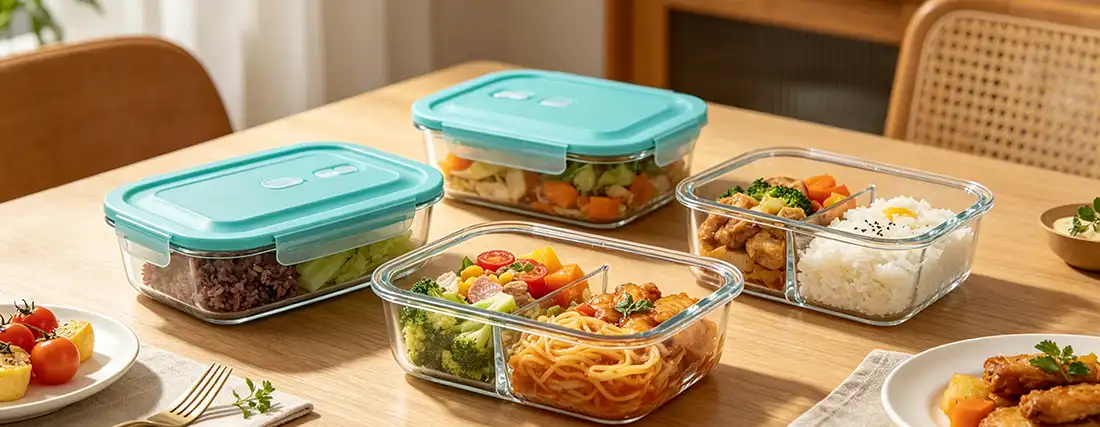
The square glass lunch box is what most people think of when they hear the word "lunch box." Despite this, these clear cases should be recognized for a lot more than just carrying lunch. Borosilicate glass containers have changed over time into useful cooking tools that can be used for many things. They are important in both professional and home kitchens. Because they don't react with heat or chemicals and are shaped to save room, they are very useful for preparing, storing, and presenting food. Because they can be used in so many ways, glass storage options are must-haves for businesses that want to run healthy, environmentally friendly kitchens.
Introduction to Square Glass Lunch Boxes: More Than Just Lunch Storage
Modern food containers made of glass are a big step forward in kitchen storage technology. Unlike other choices, these vessels are built to last and have useful features that meet the needs of operations that care about health.
Built for Performance and Safety
The high-quality borosilicate glass design makes it very resistant to thermal shock. It can handle temperature changes from -20°C to 150°C without any damage to the structure. This trait of the material makes it easy to switch from cooling to heating in a microwave, which is very important for commercial kitchens that serve a lot of food. Bacteria can't grow on the non-porous glass surface, and it doesn't hold smells like polymer-based options do. Medical-grade silicone gaskets and four-point locking systems make sure that there is no air flow, which keeps food fresh while it is being transported and stored.
Design Intelligence That Maximizes Space
You can't say enough good things about square arrangements from a geometric point of view. Researchers have found that rectangular containers take up about 25% more shelf room than round ones. This means that there are fewer empty spaces in refrigerators and trucks. Businesses that have limited cold storage space can save money because of this spatial economy. These containers come in large sizes of 2000ml, 2700ml, and 3800ml, so they can hold everything from single servings of food to large batches of food for the whole family. Their clear walls make it easy to see what's inside, which makes managing goods easier and cuts down on food waste by improving how food is rotated.
Meeting Modern Kitchen Standards
Today's food service businesses need tools that can be used for a variety of tasks while still meeting safety standards. Glass containers meet strict FDA and LFGB standards for materials that come into touch with food. This eases worries about chemical leaching from some plastics. Because they work in microwaves, cleaners, ovens, and freezers, you don't need to buy a bunch of different kinds of containers. This versatility makes it easier for category managers to choose between wholesale choices because one product line can meet the needs of different work areas, such as prep stations, storage areas, and service areas.
Innovative Kitchen Applications of Square Glass Lunch Boxes
The real value of square glass lunch box containers comes out when you look at all the other things they can be used for besides keeping. Smart owners have found many apps that make their work easier and the food they serve better.
Advanced Food Preparation Functions
More and more, professional chefs and meal prep services use glass containers to marinate meats and veggies. The chemical-resistant surface keeps flavors from mixing between uses, which is very helpful when working with strong-smelling foods like garlic, curry, or fish. The sealed seal lets the marinade work faster while keeping other food in the fridge from getting contaminated. Large types work well as mixing bowls for putting together salads, making batter, and arranging ingredients. You can see the fermentation process for kimchi, pickles, and cultured dairy products because they are clear. This is possible without breaking the seal and letting contaminants into the container.
Streamlined Portion Control and Meal Planning
Standardized portion containers are very helpful for commercial food businesses. Serving sizes can be kept the same with uniform glass vessels, which lowers food costs and makes it easier to keep track of nutrition for places like hospitals and business cafeterias. Event planners like how clear containers make it easier to see how meals will be planned, which makes it easier to make sure that special food needs of guests are met quickly. When delivering to off-site places, the stackable design cuts down on the amount of stuff that needs to be moved, and the secure sealing keeps spills from happening during transport. Hotels and resorts use these containers to serve food in guest rooms. They make the experience better for guests by using stylish, reusable serviceware that cuts down on disposable waste.
Creative Serving and Display Solutions
Restaurants that are on the cutting edge have started using glass containers as unique ways to serve deconstructed meals, tasting menus, and seasonal specials. The clear edges and straight lines give it a modern look that looks great in photos for social media marketing. Bakeries put layered desserts in square glass cases and put them out in a way that makes people want to buy them right away. Coffee shops serve salads and overnight oats in branded glass containers. This makes the products stand out and supports green messages that appeal to customers who care about the environment. These different uses show how useful storage tools can improve both brand positioning and operational efficiency at the same time.
How to Maintain and Maximize the Lifespan of Your Square Glass Lunch Boxes?
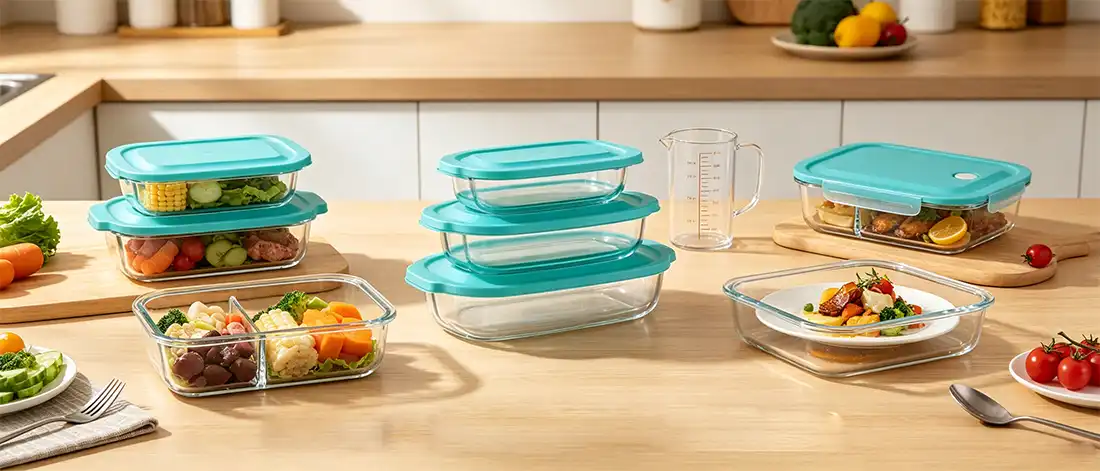
Following the right upkeep steps will protect your investment and make sure that food safety rules are followed throughout the product's lifecycle. Setting clear care standards stops things from breaking down too soon and keeps performance consistent in high-use areas.
Cleaning Protocols for Commercial Settings
Dishwasher-safe containers are convenient, but knowing the best way to clean them will make them last longer. Borosilicate glass bodies are safe in commercial dishwashers that run at high temperatures, but the stability of the gaskets needs to be checked every so often. Biofilm buildup that affects airtight performance can be avoided by removing rubber seals once a month for cleaning. It is still better to wash containers by hand if they have custom branding done on them, like hot stamping or engraving on the inside, because some detergents can dull artistic finishes over time. Alkaline cleaners get rid of protein residues well without scratching glass, so quality control checks can still be done with full visibility.
Preventing Thermal Shock and Physical Damage
Even though glass lunch box containers are very resistant to changes in temperature, gradual shifts make structures last longer. Thermal stress fractures are very unlikely to happen if you let frozen items rest at room temperature for a few minutes before heating them in the microwave. Staying away from direct flames saves both the glass and the lid. To use an oven, you have to take off all plastic or bamboo covers. Rim chipping is the most common mechanical failure point. Rim chipping can be avoided by putting things correctly during storage. Using protective dividers when moving bulk containers protects them from damage caused by impacts during shipping operations.
Replacement Parts and Customization Opportunities
Strategic buying includes making plans for replacing parts that wear out over time. In high-frequency applications, lids and gaskets wear down naturally, so being able to get replacements is an important factor in choosing a provider. Businesses that buy custom-branded containers should order extra lids ahead of time to make sure that their brand stays consistent even after the seals need to be replaced. This method keeps a professional look while extending the useful life of more expensive glass bodies. Customization options, such as screen printing, logo engraving, and color matching, turn functional containers into brand ambassadors that help companies stay true to their character over the course of their useful lives.
Comparing Square Glass Lunch Boxes with Other Popular Kitchen Containers
To make smart purchasing choices, you need to look at how glass containers compare to other materials in real-life situations. Buyers can better match product specifications with operational goals when they understand these differences.
Material Performance Analysis
In a number of important ways, borosilicate glass works better than regular plastics. Polypropylene containers are cheaper at first, but they get permanently stained when they come in contact with tomato-based sauces and curry dishes that are popular on many menus. Glass looks brand new after thousands of uses, which protects the image of the brand when cases are used as customer-facing serviceware. Because glass is chemically inert, it doesn't harden or warp over time like plastic objects do when they are sterilized over and over at high temperatures. Stainless steel alternatives are very durable, but they don't have the clear appearance that makes it easy to see what's inside and make sure it's of good quality without opening the cases. This is a problem for grab-and-go stores where presentation is important for making decisions about what to buy.
Environmental Impact and Sustainability Metrics
Sustainability programs at companies are having a bigger effect on how the hotel and food service industries buy things. Glass containers help the circular economy because they can be recycled over and over again without losing any of their quality. Plastics break down into lower-grade materials after a few recycle cycles, but glass stays the same type of material forever. This trait really hits home for brands that care about the environment and want to show that they are truly committed to reducing waste. Lifecycle assessments show that glass containers are better for the environment than single-use alternatives after about 15 to 20 uses, even though they require more energy to make. In business settings, this point is quickly passed with proper care instructions.
Feature Comparison and Procurement Considerations
Leading names of glass containers, such as Glasslock and Pyrex, have set performance standards that tell buyers what to expect. When purchasing managers look at different suppliers, they should check out the different compartment configuration choices. This is because divided containers are useful for meal kits and meeting the needs for dietary separation. Premium products should be able to perform leak-proof under pressure, which sets them apart from cheaper options. Testing should include both inverted storage and simulated transport conditions. It's true that double-walled stainless steel is better at insulation than glass, but that doesn't matter when cooling or heating equipment is being used. When planning a budget, it's important to know the total cost of ownership because wholesale prices change a lot depending on the number of orders and the level of customization needed.
Procurement Guide: How to Source the Best Square Glass Lunch Boxes for Your Business?
Strategic sourcing requires understanding both product specifications and supplier capabilities that align with operational requirements. This systematic approach reduces procurement risks while optimizing value delivery.
Defining Your Requirements
Volume projections should account for usage frequency, breakage rates, and growth forecasts. Restaurants cycling containers multiple times daily require different inventory depths than corporate gift programs with annual purchasing patterns. Capacity selection depends on portion standards—2000ml containers suit individual meals, while 3800ml models accommodate family-style portions or batch prep applications. Evaluating customization needs early in the specification process prevents costly redesigns. Hot stamping and screen printing deliver durable branding suitable for customer-facing applications, while inside engraving creates sophisticated presentations for premium gift programs. Color customization beyond standard transparency enables brand color matching that reinforces visual identity across product lines.
Supplier Evaluation Criteria
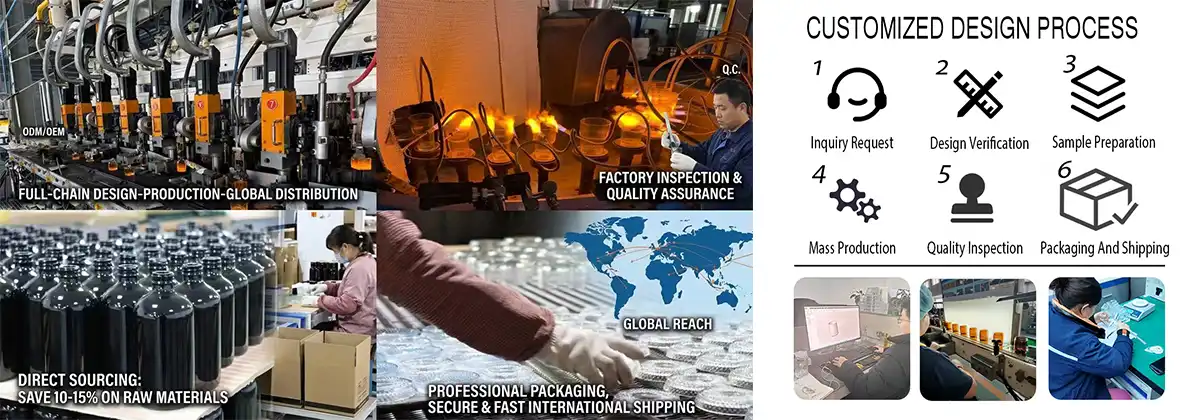
Manufacturing expertise directly impacts product consistency and defect rates. Xuzhou Muzhishi Crafts Co., Ltd. exemplifies quality-focused production with twenty years of specialized glass manufacturing experience. Their ISO-certified facilities ensure compliance with international standards, while established relationships with regional raw material suppliers deliver cost efficiencies without compromising quality. Certification portfolios should include relevant food safety standards for target markets—FDA compliance for US distribution, LFGB for European channels. Warranty terms reflect manufacturer confidence in product durability, with reputable suppliers standing behind structural integrity guarantees.
Logistical capabilities separate efficient suppliers of glass lunch box products from problematic partners. Self-operated import and export rights streamline customs clearance, reducing delay risks that disrupt inventory planning. Comprehensive documentation support including commercial invoices, packing lists, and certificates of origin prevents clearance complications across different regulatory environments. Sample availability within 3-5 days enables rapid product evaluation before commitment to volume orders. This testing phase proves critical for validating performance claims around seal integrity, thermal resistance, and dimensional accuracy.
Negotiation and Ordering Process
Minimum order quantities reflect manufacturing economics, with standard configurations typically requiring lower commitments than fully customized products. Buyers benefit from understanding these thresholds when balancing inventory costs against per-unit pricing. Payment terms should align with cash flow management while protecting both parties through documented milestone agreements. Shipping method selection balances urgency against freight costs—sea transport suits planned inventory replenishment, while air express serves launch deadlines and emergency restocking. Consolidated shipping across mixed product categories optimizes container utilization for importers managing diverse product portfolios.
Conclusion
Glass food storage containers have transcended their conventional lunch-packing role to become indispensable kitchen tools across commercial and residential settings. Their material superiority, design efficiency, and application versatility address contemporary demands for health-conscious, sustainable operations. The geometric advantages of square configurations optimize spatial utilization while thermal-resistant borosilicate construction supports diverse culinary applications from marination through serving. Strategic procurement focusing on supplier expertise, customization capabilities, and logistical reliability ensures successful integration into kitchen operations. As businesses increasingly prioritize food safety, environmental responsibility, and operational efficiency, premium glass containers represent investments that deliver measurable value across multiple performance dimensions.
FAQ
Can glass containers go directly from freezer to microwave?
Borosilicate glass tolerates extreme temperature differentials, but optimal practice includes a brief tempering period. Allowing frozen containers to rest for approximately five minutes at room temperature before microwave heating prevents thermal stress that could compromise structural integrity. This simple precaution extends product lifespan while maintaining manufacturer warranty coverage.
How do square containers compare to round options for storage efficiency?
Square geometry delivers approximately 25% greater spatial utilization in refrigerators and transport configurations. The elimination of wasted gaps between containers translates to meaningful capacity gains for operations managing limited cold storage. Stable stacking characteristics also reduce tipping risks during transportation compared to round alternatives.
Are the lids oven-safe along with glass bodies?
Lid materials including polypropylene and bamboo variants cannot withstand oven temperatures. Complete lid removal before oven use prevents melting and potential fire hazards. The glass bodies themselves perform safely at temperatures up to 150°C when lids are removed, supporting baking and roasting applications.
How can I verify authentic borosilicate glass quality?
Genuine borosilicate glass exhibits characteristic lightness relative to volume and displays neutral edge coloration. Soda-lime glass alternatives show greenish edge tints and feel noticeably heavier. Reputable suppliers provide material certifications documenting borosilicate composition and thermal resistance specifications.
Partner with Muzhishi for Premium Glass Storage Solutions
Xuzhou Muzhishi Crafts Co., Ltd. stands ready to support your square glass lunch box procurement needs with comprehensive manufacturing and customization capabilities. Our two decades of specialized glass production experience deliver consistent quality across volume orders, while dedicated account managers provide personalized service throughout the sourcing process. We maintain substantial cost advantages through strategic supplier partnerships that reduce raw material expenses by 10-15% without quality compromise.
Our complete customization services transform standard containers into branded assets through hot stamping, screen printing, and inside engraving options. Rapid sampling—delivered within 3-5 days—enables confident product evaluation before volume commitment. Self-operated import and export capabilities streamline global logistics, with comprehensive documentation support ensuring smooth customs clearance to your destination. Contact our team at long@muzhishi.com to discuss your specific requirements, request samples, or explore wholesale square glass lunch box supplier opportunities. Visit mzsglass.com to review our complete product catalog and discover how Muzhishi glass solutions elevate kitchen storage performance across commercial and retail applications.
References
1. Chen, L., & Martinez, R. (2022). Sustainable Food Storage Systems: Material Science and Environmental Impact Analysis. Journal of Culinary Technology, 18(3), 145-162.
2. Davidson, K. (2021). Commercial Kitchen Equipment Selection: A Procurement Guide for Food Service Operations. Hospitality Management Press.
3. European Food Safety Authority. (2023). Safety Assessment of Glass Materials for Food Contact Applications. Technical Report Series, Volume 12.
4. Mitchell, S., & Thompson, J. (2022). Space Optimization in Commercial Refrigeration: Container Geometry and Storage Efficiency. International Journal of Food Distribution, 29(4), 78-91.
5. Reynolds, P. (2023). Thermal Properties of Borosilicate Glass in Food Service Applications. Materials Science Quarterly, 41(2), 203-218.
6. Williams, A., & Chang, D. (2021). Lifecycle Assessment of Reusable Food Containers: Comparative Environmental Analysis. Sustainability in Food Systems, 15(1), 34-52.


Our customers’ satisfaction speaks for our quality — contact us to experience the same reliable service.