- English
- French
- German
- Portuguese
- Spanish
- Russian
- Japanese
- Korean
- Arabic
- Greek
- German
- Turkish
- Italian
- Danish
- Romanian
- Indonesian
- Czech
- Afrikaans
- Swedish
- Polish
- Basque
- Catalan
- Esperanto
- Hindi
- Lao
- Albanian
- Amharic
- Armenian
- Azerbaijani
- Belarusian
- Bengali
- Bosnian
- Bulgarian
- Cebuano
- Chichewa
- Corsican
- Croatian
- Dutch
- Estonian
- Filipino
- Finnish
- Frisian
- Galician
- Georgian
- Gujarati
- Haitian
- Hausa
- Hawaiian
- Hebrew
- Hmong
- Hungarian
- Icelandic
- Igbo
- Javanese
- Kannada
- Kazakh
- Khmer
- Kurdish
- Kyrgyz
- Latin
- Latvian
- Lithuanian
- Luxembou..
- Macedonian
- Malagasy
- Malay
- Malayalam
- Maltese
- Maori
- Marathi
- Mongolian
- Burmese
- Nepali
- Norwegian
- Pashto
- Persian
- Punjabi
- Serbian
- Sesotho
- Sinhala
- Slovak
- Slovenian
- Somali
- Samoan
- Scots Gaelic
- Shona
- Sindhi
- Sundanese
- Swahili
- Tajik
- Tamil
- Telugu
- Thai
- Ukrainian
- Urdu
- Uzbek
- Vietnamese
- Welsh
- Xhosa
- Yiddish
- Yoruba
- Zulu
How to Customize Essential Oil Bottle Packaging?
Getting your brand's goals and the needs of your market in sync is the first step in customising essential oil bottle packing. When customising small essential oil bottle designs, it's important to choose the right materials, like fine borosilicate glass, pick useful parts, like droppers or roller balls, and add your brand's information by hot stamping, screen printing, or etching. Your packing should meet legal standards and keep the oil's integrity from being damaged by UV light and dirt. Working with skilled makers that offer ODM/OEM services will help you achieve scalable output, consistent quality, and custom solutions that speak to your target market, whether you're in the retail, business gifting, or hospitality industries.

Understanding the Basics of Small Essential Oil Bottle Packaging
Understanding important aspects of packing is the first step to successful customisation. The B2B market is dominated by small essential oil bottles (5ml to 15ml) because they are easy to carry and allow for limited doses. Glass is still the best material for storing essential oils because it doesn't react with chemicals and keeps them safe. Glass keeps the purity of the product throughout the shelf life, unlike plastic options that may react with volatile chemicals.
Material Selection Considerations
Picking the right type of glass affects both the safety of the product and how much it costs. Borosilicate glass is great for high-end product lines because it is very resistant to heat and lasts a long time. If you order a lot of soda-lime glass, you can save money while still getting good safety. The material you choose affects how your product is made, how much it costs to ship, and how it stands out in a crowded market.
Design Elements That Matter
Colour decisions aren't just about looks. Amber glass blocks dangerous UV rays in the 200nm to 450nm range, which keeps light-sensitive oils from breaking down. Clear glass boxes are good for products that need to look good and where colour presentation is important, but they need extra UV-protective packing. Cobalt blue provides some security while making the shelf stand out. The oils you're packing and how sensitive they are to weather factors should be taken into account in your design.
Complementary Components
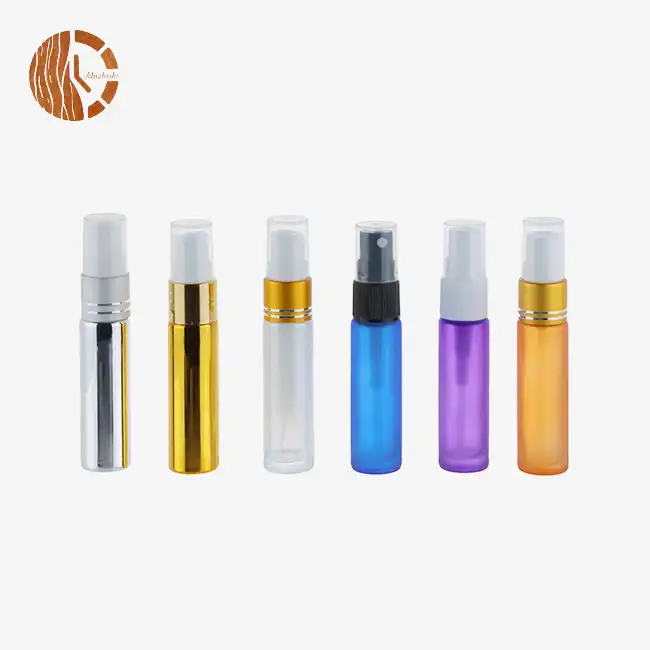
Caps, dispensing mechanisms, and sealing elements are all part of the entire package system. Roller ball applicators, which come in glass, steel, or plastic, make it easy to apply and control how much is used. The 12ml volume is just the right size for usefulness and portability. Square bases keep things from rolling, which lowers the risk of breaking them while they're being stored or moved. These useful features make using the product more enjoyable and protect your investment.
How to Customize Essential Oil Bottle Packaging — A Step-by-Step Approach
Customisation that works well follows a methodical process that takes into account both technology needs and brand expression. This organised method lowers the chances of mistakes and makes sure that your packaging works well and looks good on the market.
Defining Your Packaging Goals
Making goals clear leads all choices that follow. Retail brands use unique forms and high-quality finishes to make their products stand out on the shelf and appeal to customers. Corporate gift sellers focus on giving customers a lot of ways to customise their gifts and show them in a stylish way. E-commerce sites need designs that last, are easy to ship, and reduce the number of harm claims. Event planners look for set looks that go with certain events. Figuring out your main use case will help you decide which benefits are worth the money and which ones aren't.
Selecting Bottle Type and Color
Choose the right material by balancing a number of factors. Glass keeps chemicals stable and makes things look better, but it makes them heavier to ship. When choosing a type of glass, think about the thickness choices that affect how long it lasts and how much it costs. Choosing a colour depends on how your product is made. For example, citrus oils that contain d-limonene need to be protected with amber, but mixes that are less concentrated may work fine in small essential oil bottles. Muzhishi's 12ml glass roller bottles are well-thought-out engineering, with square bases that keep them from rolling over and breaking. This shows how small design choices can solve big problems.

Choosing Functional Add-Ons
Dispensing devices turn containers into goods that are easy to use. Roller ball systems work well with aromatherapy mixes and topical uses because they give the right amount of product without any waste. The material of the ball is important. Glass doesn't react with chemicals, stainless steel lasts a long time, and plastic is cheap. The materials used for caps should be resistant to chemicals and keep the cover intact. High-quality plastic caps with precise fitting keep leaks from happening while the product is being shipped or used every day. These practical parts have a direct effect on how happy customers are and how often they buy from you again.
Implementing Branding Elements
In crowded markets, visual branding helps your goods stand out. Metallic logos that look professional and feel good to the touch can be made by hot pressing. You can use more than one colour in screen printing, which is good for making detailed images. Inside lettering is a lasting way to brand something that won't come off with use. Label placement allows for cost-effective customisation and a range of design options. Your approach to branding should be based on your placement. For example, you should spend more on engraving and foil stamps for your luxury lines, while quality label printing is better for your value lines. Branding that stays the same on all of the packages makes it easier to recognise and builds trust with customers.
Partnering with Reliable Manufacturers
Long-term success depends on how well you choose your suppliers. Manufacturers that can do both ODM and OEM can help with creation from the idea stage to production. Rapid prototyping services, like Muzhishi's sample response time of 3–5 days, let you try before you place a large order. Established sellers keep in touch with suppliers of raw materials to get better prices and make sure they are always available. Companies that have exported before know what paperwork is needed, how to deal with customs, and how to organise foreign shipping. These features make your operations easier and make sure that your supply lines work well.
Evaluating Packaging Options: Small Essential Oil Bottles Market Comparison
To make an informed choice, you need to know how different choices stack up against important factors. When you compare different options, you can see how cost, usefulness, and brand placement all affect each other.
Glass Versus Plastic Analysis
Glass is very resistant to chemicals, so it doesn't react with the strong chemicals in essential oils. It helps expensive placement by making quality and durability seem more likely. But glass costs more to move because it is heavy and easily broken. Plastic is low-cost, long-lasting, and light, but it might not work for all formulas. Over time, some essential oils, especially citrus ones, can break down some plastic materials. The nature of your product and the standards of your target market should help you choose materials.
Color Performance Comparison
Amber glass is the standard for photosensitive products because it blocks about 98% of UV-B and UV-A rays. Clear glass lets you see the product, which is important when colour means quality or validity. While cobalt blue doesn't offer the best UV protection, it does have a unique look that draws in high-end buyers. By testing your recipe on different colours of glass, you can see what security needs to be met versus what looks good.
Premium Design Features
Closures that don't leak-proof use precisely moulded threads and sealing materials that work well together to make strong seals. Designs that are good for travelling have small sizes and safe caps that meet flight liquid limits. The gourd shape with a square base makes it easy to hold and stable at the same time. These technical details improve usefulness without lowering the aesthetic appeal, giving customers value that they can see when they use it.
Sustainable Packaging Alternatives
Concern for the environment affects buying choices in all markets. The cycle economy is supported by reusable glass bottles, which can be used over and over again without breaking down. Glass, unlike single-use plastics, stays strong even after being washed and sterilised many times. Some makers now use recycled glass, which is better for the earth and still meets performance guidelines. Sharing green accolades attracts buyers who care about the environment and helps companies reach their corporate responsibility goals.
Common Challenges & Solutions in Customizing Essential Oil Bottle Packaging
Being able to see problems coming allows for proactive solutions that protect product quality and improve the ease of buying. Dealing with common problems in a planned way cuts down on mistakes that cost a lot of money and project delays.
Preventing Leakage and Contamination
For secure closing, the whole close system needs to use parts that work well together. Cap fitting has to exactly match small essential oil bottle neck specs. Standards in the industry, like DIN 18/415, make sure the fit is right. Chemical protection is needed in gasket materials so that they don't swell or break down when they come into touch with oil. Regular testing in a range of situations, such as changing temperatures and vibrations from shipping, proves that the seal is still intact. As part of Muzhishi's thorough quality testing, every production batch is checked for leak resistance. This makes sure that performance is the same for big orders.
Meeting Regulatory Compliance
Different international markets have different safety rules. Concerns about health caused by chemicals moving into goods are addressed by BPA-free approvals. Following the rules set by the FDA makes sure that it can be used for personal care and cosmetics in North American markets. European REACH rules say that harmful substances in packages must be documented. Working with makers who know how to comply with global standards speeds up the approval process and stops costly delays in entering new markets.
Balancing Cost and Quality in Bulk Orders
Through economies of scale, buying more of something lowers the cost per unit. But when you overorder, your cash gets stuck in inventory. Manufacturers who integrate their local supply chains, like Muzhishi's Xuzhou plant network, can cut costs by 10 to 15 percent by not having to pay as much for transporting materials. These savings are passed on to buyers without lowering the standards of quality. Negotiating reasonable minimum order numbers that are in line with your sales estimates is the best way to get good prices and improve your cash flow.
Streamlining Shipping and Logistics
Buying things internationally requires a lot of paperwork and planning how to get the goods to the buyer. Suppliers who have the right to import and export goods on their own take care of customs paperwork, inspections, and moving goods from one place to another. Full packages of paperwork, like business bills, packing lists, and certificates of origin, make sure that customs clearance goes smoothly. While air freight is better for urgent orders even though it costs more, sea freight is better for set reorder plans because it costs less. During the initial talks, making transportation choices clear helps avoid confusion and delays in delivery.
Maximizing the Impact of Customized Packaging on Your Business
Investing in strategic packing has benefits beyond just protecting the goods. Customisation that is well-thought-out improves brand standing and gives companies an edge in crowded markets.
Building Brand Recognition and Trust
Consistent design helps people remember brands by creating a visual memory. Over time, people will associate your company with certain colours, shapes, and finishing methods. Premium materials and high-quality building show that a product is genuine, which affects buying choices at key evaluation points. When customers see well-designed packaging, they form good images that affect how they think the product works. This psychological effect encourages people to buy again and again, which supports tactics that charge higher prices.
Differentiating in Competitive Markets
Your goods will stand out on busy store shelves and marketplace ads if they come in unique packaging. Custom forms that match the attitude of the brand get people's attention at the start of the process. High-end finishing methods, such as silver hot pressing, show that the product is high-end. Functional improvements, like base designs that don't roll, solve real problems for users that aren't addressed by standard packing. These things that set you apart from others make an impact that lasts, which leads to sales.
Future-Proofing with Emerging Technologies
Digital printing makes it easy to make cheap changes to small batches of items and quickly try out new designs. Smart labels with QR codes link real items to digital material, which helps with authentication and getting customers involved. Near-field communication tags make it possible to track things through supply lines and give customers more ways to connect with brands. Using these technologies will make your brand look cutting edge and will also help people in real life. Muzhishi can customise a lot of things, and new methods are added all the time to keep packing in line with changing market needs.
Strengthening Supply Chain Relationships
Stable operations are helped by relationships that you can count on for packing. When suppliers keep raw materials on hand, lead times for repeat orders go down. Devoted account management makes sure that there is constant contact and that problems are solved before they happen. After-sales help that is responsive and promises to respond within 24 hours keeps problems to a minimum. These link factors are especially useful when there are problems in the supply chain or sudden increases in demand.
Conclusion
When customising the packaging for small essential oil bottles, you have to find a balance between technical needs, brand expression, and the ease of buying. To be successful, you need to choose the right materials and useful parts and add unique branding elements. Glass packaging, especially high-end borosilicate choices with protective colours and safe ways to open the package, provides the quality and performance that picky markets need. From idea to delivery, the process is sped up by working with experienced makers who offer full customisation services, fast prototyping, and global logistics support. Strategic investments in packaging improve the placement of brands, set goods apart in crowded markets, and win customers' trust by giving them better experiences that show you care about quality.
FAQ
What bottle size works best for commercial small essential oil bottle products?
When used for business purposes, bottles that hold between 10ml and 15ml are ideal. This range of capacity gives enough product for daily use while still being portable. The 12ml size is a good compromise between how quickly it can be made and how useful it is, which is why brands that want to sell in stores, give as gifts, or use in hotels like it.
How does customized packaging maintain essential oil freshness?
When you package something properly, you stop the main things that break it down: UV light, air touch, and contamination. Amber or cobalt blue glass blocks out dangerous light wavelengths, and precision-sealed caps keep air out. Chemical-resistant fabrics keep containers from reacting with flammable oil compounds. These safety features make the product last longer on the shelf and keep its healing qualities throughout its lifecycle.
Are eco-friendly options available for bulk packaging orders?
Reusable glass bottles that support refill programs, recycled glass content that is better for the environment, and simple packaging designs that use less material are all examples of sustainable packing solutions. Glass is naturally more environmentally friendly than single-use plastics because it can be cleaned and used again and again without losing its quality.
Partner with Muzhishi for Your Small Essential Oil Bottle Packaging Needs
Xuzhou Muzhishi has 20 years of experience making glass products and customising them. They can help you with your packing projects. Our 12ml glass roller bottles are made of high-quality borosilicate glass and have thoughtful design features like square bases that don't roll and different roller ball choices. We offer full customisation, from hot stamping and screen printing to engraving and custom labelling on the inside, so your package will perfectly show your brand. As a small essential oil bottle provider with a long history, we can offer quick samples in three to five days, personalised account management, and full help with export paperwork. Our merger of the Xuzhou supply chain saves us 10 to 15 percent on costs without lowering the quality standards. Our team reacts within 24 hours to help you succeed, whether you need samples for testing or mass production to reach customers all over the world. Email us at long@muzhishi.com to talk about how our ability to customise can make the package for your essential oils look better.
References
1. Tisserand, Robert and Young, Rodney. "Essential Oil Safety: A Guide for Health Care Professionals." Churchill Livingstone, 2nd Edition, 2014.
2. Williams, David G. "The Chemistry of Essential Oils: An Introduction for Aromatherapists, Beauticians, Retailers and Students." Micelle Press, 1996.
3. Patel, Sanjay and Wiggins, Julia. "Packaging Materials for Foods and Pharmaceuticals: Glass and Alternative Materials." Smithers Rapra Technology, 2013.
4. International Organization for Standardization. "ISO 4796: Laboratory Glassware—Bottles." International Standards for Glass Containers, 2016.
5. Caddy, Rosemary. "Essential Oils in Colour." Amberwood Publishing, 1997.
6. Barel, André O., Paye, Marc, and Maibach, Howard I. "Handbook of Cosmetic Science and Technology." CRC Press, 4th Edition, 2014.

Our customers’ satisfaction speaks for our quality — contact us to experience the same reliable service.