- English
- French
- German
- Portuguese
- Spanish
- Russian
- Japanese
- Korean
- Arabic
- Greek
- German
- Turkish
- Italian
- Danish
- Romanian
- Indonesian
- Czech
- Afrikaans
- Swedish
- Polish
- Basque
- Catalan
- Esperanto
- Hindi
- Lao
- Albanian
- Amharic
- Armenian
- Azerbaijani
- Belarusian
- Bengali
- Bosnian
- Bulgarian
- Cebuano
- Chichewa
- Corsican
- Croatian
- Dutch
- Estonian
- Filipino
- Finnish
- Frisian
- Galician
- Georgian
- Gujarati
- Haitian
- Hausa
- Hawaiian
- Hebrew
- Hmong
- Hungarian
- Icelandic
- Igbo
- Javanese
- Kannada
- Kazakh
- Khmer
- Kurdish
- Kyrgyz
- Latin
- Latvian
- Lithuanian
- Luxembou..
- Macedonian
- Malagasy
- Malay
- Malayalam
- Maltese
- Maori
- Marathi
- Mongolian
- Burmese
- Nepali
- Norwegian
- Pashto
- Persian
- Punjabi
- Serbian
- Sesotho
- Sinhala
- Slovak
- Slovenian
- Somali
- Samoan
- Scots Gaelic
- Shona
- Sindhi
- Sundanese
- Swahili
- Tajik
- Tamil
- Telugu
- Thai
- Ukrainian
- Urdu
- Uzbek
- Vietnamese
- Welsh
- Xhosa
- Yiddish
- Yoruba
- Zulu
What type of jars are best for candles?
In today's market, picking the right candle jar is important for the success of your goods. Cylinder glass candle jars are always the best option for professional makers and retailers, despite the availability of other options. The straight sides of these vessels make it easier for heat to spread, stop wax from sinking, and extend the burn time while also looking great. Because the diameter is the same, the scent throw is the same, which makes them perfect for soy, paraffin, and aromatherapy candles. Because of their flexible design, brands can make unique products that appeal to customers in the home decor, catering, and gift markets, using hot stamping, frosted finishes, and other customization options.
Understanding Cylinder Glass Candle Jars: Key Features and Benefits
Straight-sided glass jars look simple on the outside, but they are made with complex engineering that solves important manufacturing problems. The uniform wall thickness of these containers makes sure that the temperature behavior can be predicted during long burn cycles. This greatly lowers the risk of stress fractures that happen with options that aren't shaped evenly.
Superior Heat Management and Safety Standards
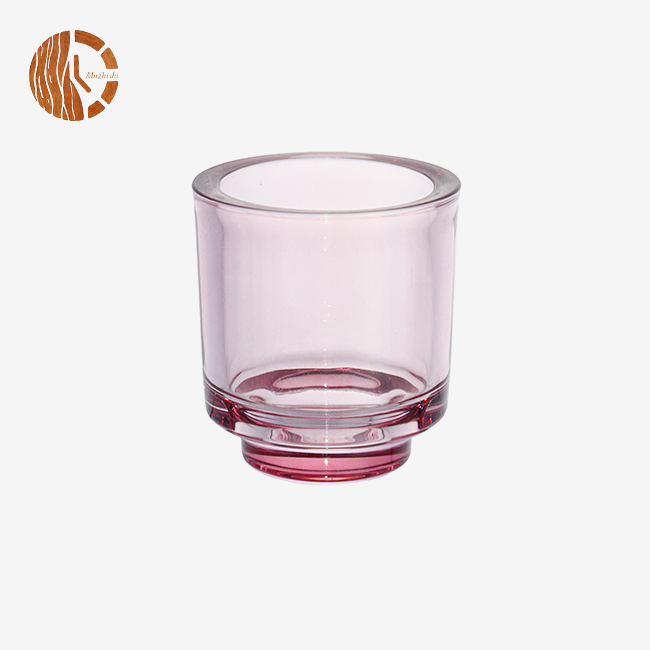
Professional glass candle jars must meet strict standards for thermal shock protection. They can usually handle temperature differences of 40°C to 60°C without losing their structural integrity. This performance comes from controlled melting processes that get rid of stress points inside the material. The Muzhishi model with a 315ml capacity and a 9.9cm diameter and 8.9cm height is a good example of this level of engineering accuracy. Because it weighs only 486.4g, it has a low center of gravity, which makes it much less likely to tip over in public places like hotel hallways and restaurants. The thick base works as a heat barrier between the surfaces and the flame, which is very important for safety as the candle burns down.
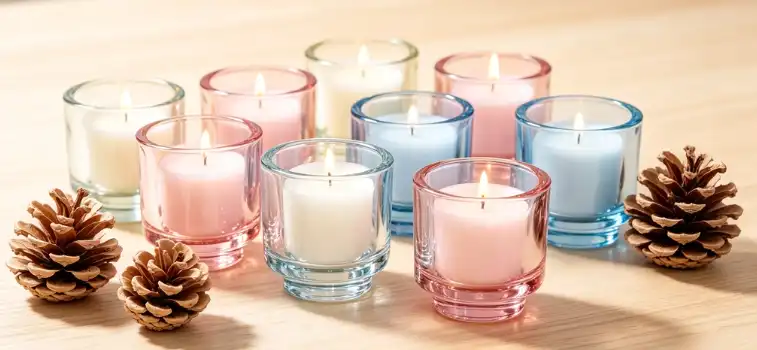
Transparent Aesthetics and Branding Versatility
Low-iron glass compositions give you the clearest vision possible, so flames can make amazing visual effects through walls that are as clear as glass. This clearness serves two purposes: people like seeing the mesmerizing patterns that wax pools make, and makers get a clean surface to put their logos on. The smooth cylinder shape lets you use screen printing, hydro-dipping, and soldering methods that can't be done as accurately on curved containers. These containers are very useful for procurement managers because they can be used for a variety of products. For example, the same jar can be used for both high-end aromatherapy collections and mass-market seasonal items with just a few simple changes.
Chemical Inertia and Wax Compatibility
The non-porous glass surface doesn't let fragrance and essential oils interact with it, so it doesn't crack like cheaper options do. This chemical stability makes sure that therapeutic compound purity in aromatherapy-grade candles stays the same over time. Dimensional accuracy within ±1mm tolerances makes it possible to use automatic equipment for labeling and capping, which speeds up production for large quantities. Category managers at retail chains care a lot about these technical specs because they need to make sure that the quality of thousands of units is the same.
How to Choose the Best Cylinder Glass Candle Jar for Your Candle Line?
The first step in choosing a strategic cylinder glass candle jar is to match your production needs to the features of the vessel. Different kinds of wax work best in devices that were made to handle their specific heat and burning habits.
Material Thickness and Durability Considerations
Wall width has a direct effect on both how much something costs and how well it works. Luxury candles for high-end shops and hotels are made with glass that is thicker, usually 3 to 5 mm. This makes them last longer. These strong vessels can handle being moved around a lot during product management and setting up displays. On the other hand, thinner-walled choices are better for saving money when single-use applications are common, like in promotional campaigns and holiday gift lines. When distributors serve price-conscious customers, they find that balancing the density of the material with the shipping weight saves them a lot of money on logistics for big orders. The key is to make sure that the thickness is right for your distribution route and the length of time you expect the product to last.
Surface Finish Impact on Scent Diffusion
Choosing a glass finish affects more than just how it looks; it also affects how well it works. Clear, see-through dishes let in the most light, creating an ambient glow that makes eating and relaxing more enjoyable. Frosted finishes have sophisticated matte textures that spread light more evenly and hide any wax marks that form over time. Surface treatments are interesting because they change how far a smell is thought to go. For example, smooth interiors help cleaner wax stick, which lowers the number of "wet spots" that can trap fragrance molecules. Wedding and event planners like frosted choices because they help them make decor themes that flow together without sacrificing candle performance. Manufacturers who want to work with hotels should think about having both finishes so they can meet the needs of a wide range of interior designers.
Lid Integration and Freshness Preservation
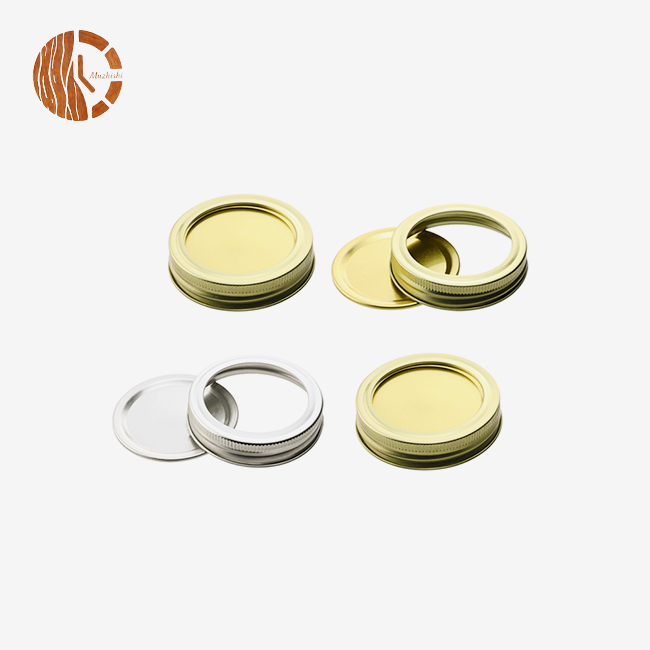
With an airtight lid, candle jars can be used for more than one thing, which extends the shelf life of products and lets them be used again after the light is gone. Therapeutic-grade essential oil candles must have silicone-sealed wood or metal lids that keep flammable aromatic compounds safe while they are being stored. In spa and wellness markets, where aromatherapy works best when fragrance compounds are pure, this functional addition gets a higher price. Lidded jars can be used for more than one thing. After the first use, they can be stored or used for craft projects. This supports sustainability stories that appeal to people who are looking for eco-friendly business gifts. Professional-grade cylinders have a wide mouth diameter of 7.4 cm, which makes it easy to connect the lid and place the wick during production.
Comparing Cylinder Glass Candle Jars with Other Jar Types
Knowing the structural differences between vessel geometries helps you make smart buying choices that fit your market positioning strategies and operational needs.
Straight-Sided Advantages Over Tapered Alternatives
Burn efficiency is largely determined by geometry. People don't like the tunneling effect that happens when the walls of a tumbler jar are tapered because it creates uneven heat zones that make the wax melt faster on the sides while leaving the center wax unused. The width of straight-sided vessels stays the same from the bottom to the top, so the whole pool of wax melts at the same time. This even spread of heat makes the burn time 15-20% longer than with tapered containers of the same size. Retailers like this performance edge because it directly leads to happier customers and fewer ones coming back. The consistent cross-section also makes setting up an automatic filling line easier, which cuts down on the time needed to switch between product types.
Quality Benchmarks in Bulk Procurement
High-end glass dishes go through strict testing procedures that cheaper ones often skip. Thermal shock resistance testing makes sure that the product works well when temperatures change quickly. Dimensional consistency checks make sure that every jar in a 10,000-unit shipment meets the same standards. This is very important for brands that have strict quality standards that are applied across multiple production sites. When purchasing workers are looking at different suppliers, they should ask to see proof of third-party certification and test batches for themselves. When you look at the glass, it should be clear all the way through, with no bubbles or other signs of rushed production. There is a big difference in weight between economy-grade and professional-grade jars—often 50 to 100 grams per unit. This is because the quality of the materials directly affects how often they break during shipping and use by consumers.
Lid Design Influence on Market Positioning
Cover choices have a huge impact on how noticeable and valuable something is on the shelf. Lids made of bamboo look natural and are great for organic product lines. Powder-coat finishes on metal lids send a message of modern luxury that fits with brands that promote an urban lifestyle. The choice goes beyond how it looks and includes practical concerns as well. For example, wooden lids need to be precisely matched in thickness to avoid warping, while metal lids are better at keeping moisture out. Companies that make gift items find that matching the lid finishes of different SKUs makes the collection look more unified, which makes people more likely to buy something on the spot. Because designs can be hot-stamped directly onto wooden lids, branding is done more cheaply and without the need for separate label printing.
Best Practices for Using and Maintaining Cylinder Glass Candle Jars
The right way to handle products will make them last longer and support environmental efforts that are becoming more important in B2B buying decisions.
Thermal Shock Prevention Protocols
Most of the time, rapid temperature changes, not direct heat contact, cause glass to break. Before putting hot wax into glass candle jars, heating them to 45–50°C reduces the thermal stress that leads to microscopic cracks. Over burn cycles, these tiny cracks get bigger and bigger until the whole thing breaks. Controlled cooling zones should be set up in factories so that full jars slowly reach room temperature over the course of 4 to 6 hours. This method lowers the number of rejections and keeps the brand's reputation safe. By teaching store partners where to put displays so that they are out of direct sunlight and away from air conditioning vents, you can stop displays from breaking down too soon, which customers mistake for a problem with the product.
Cleaning Protocols for Reuse Programs
More and more, brands that care about the environment encourage people to reuse jars as part of efforts to create a circular economy. When you clean something well, you get rid of any leftover wax or flavor oils that could get into other candles. Freezing used jars overnight makes the wax brittle, which makes it easy to remove. Warm soapy water breaks up any oils that are still on the wax. With this simple procedure, refill programs can be set up, which cuts down on packaging costs and makes customers more loyal. Hotels and resorts like this method because it lets them make candles in-house and keep the look of all the guest rooms uniform. Because they can hold 315ml, these jars are great for storing candles in the bathroom after they're used, which keeps your brand in customers' daily lives.
Strategic Customization for Market Differentiation
Surface treatments can turn plain objects into unique brand assets. Engraving on the inside of things keeps them from getting worn down by handling while adding a slight sense of depth. Gold stamping adds beautiful shiny touches that stand out on store shelves that are already full. Screen printing lets you make complicated designs with many colors that clearly tell brand stories. Managers of procurement should weigh the level of customization against wait times and minimum order quantities. For cost-effectiveness, simple names with only one color might need minimums of 3,000 units, while complex treatments that use multiple processes need minimums of 10,000 units or more. Planning seasonal releases six to nine months ahead of time takes these production facts into account and locks in the best price points.
Where and How to Procure Cylinder Glass Candle Jars for Business?
Strategically choosing a provider affects the quality of your products, the flexibility of your inventory, and, in the end, your business's ability to make money.
Evaluating Manufacturing Partners
Suppliers that have been around for a while can show that their quality is consistent by showing proof of past production and client examples from a variety of industries. Look into more than just basic certifications. Find out if makers have quality control teams that check the size, clarity, and finish of products before they are shipped. Lead time transparency is very important—reliable partners give accurate production plans instead of overly optimistic ones that get in the way of product launches. Minimum order numbers range a lot, from 1,000 units for standard configurations to 5,000 units or more for custom molds. For new brands that are still figuring out if their product fits the market, suppliers with flexible MOQs are especially helpful because they let you test the market without taking on too much inventory risk.
Customization Capabilities and Sample Protocols
Full-service makers are different from basic wholesalers because they offer full customization menus. Look for partners that can do hot stamping, frosting, internal engraving, screen printing, decoration firing, heat transfer printing, spraying, and clear finishes. It's best if the partners can do the work themselves instead of hiring subcontractors, which can take longer. Sample supply tells the difference between serious suppliers and transactional suppliers. Leading makers offer free samples within three to five days, so you can try them out before making a big purchase. There should be both standard products and custom-finished versions of these samples to show how the planned treatments would work. Physical testing shows details that specs alone can't, like how the weight is distributed, how well the lid fits, and how clear the view is in different lighting conditions.
Logistics and Supply Chain Integration
International purchasing adds complications that go beyond product details. Make sure that suppliers have the right to import and export goods on their own and can show that they know how to deal with customs rules in the target country. Partners should give full paperwork, like business invoices, packing lists, and certificates of origin that are specific to the market. Flexible packaging space, like bulk pallets or displays that are ready to go to stores, speeds up getting and lowers the cost of handling. Shipping method freedom for glass candle jar orders lets you balance the need for speed with the need to stay within your budget by using air freight for urgent orders or sea transport for regular restocking. Well-known suppliers keep extras of popular materials on hand, which speeds up production and is especially helpful when demand goes up without warning.
Conclusion
Selecting appropriate candle vessels fundamentally shapes product performance, manufacturing efficiency, and market reception. Straight-sided glass containers deliver measurable advantages in heat distribution, burn consistency, and branding versatility that directly impact customer satisfaction and operational profitability. The technical considerations—from wall thickness and finish treatments to lid integration and dimensional precision—require careful evaluation against specific production requirements and target market expectations. Successful procurement balances immediate cost pressures against long-term quality standards that protect brand reputation. The growing emphasis on sustainability and reusability adds another dimension to vessel selection, favoring durable designs that extend product lifecycle beyond initial candle consumption.
FAQ
What jar size works best for soy wax candles?
Soy wax characteristics dictate container proportions differently than paraffin formulations. The 315ml capacity delivers approximately 45-60 hour burn times with proper wick sizing, ideal for bedroom and bathroom applications. Wider diameters relative to height—like the 9.9cm width versus 8.9cm height ratio—create broader wax pools that enhance fragrance throw, particularly important since soy releases scent more subtly than paraffin.
How do I verify glass heat resistance meets safety standards?
Professional-grade vessels should withstand thermal shock testing per ASTM F2179 protocols, confirming they endure sudden temperature changes without fracturing. Request documentation showing Delta T performance of 40-60°C. The substantial base weight in quality jars provides thermal buffering that protects surfaces during extended burns.
What customization minimums should I expect?
Standard finishes like clear or basic frosting often require 3,000-5,000 unit minimums. Complex treatments involving multiple processes—interior engraving plus metallic stamping—typically demand 10,000+ pieces for cost-effective production. Smaller test runs incur premium pricing but enable market validation before larger commitments.
Partner with Muzhishi for Premium Cylinder Glass Candle Jar Solutions
Xuzhou Muzhishi Crafts delivers two decades of glass manufacturing expertise specifically tailored for candle industry professionals. Our 315ml cylinder glass candle jar represents precision engineering meeting aesthetic excellence—perfect heat distribution, superior clarity, and extensive customization capabilities that transform your brand vision into reality. We provide complete ODM/OEM support from initial design through global delivery, with samples ready in 3-5 days and flexible MOQs accommodating both emerging brands and established distributors. Our self-operated import/export capabilities ensure seamless customs clearance, while strategic partnerships with local suppliers reduce costs by 10-15%. Contact us at long@muzhishi.com to discuss your specific requirements and discover why leading cylinder glass candle jar suppliers trust Muzhishi for consistent quality and reliable delivery.
References
1. Johnson, M. & Stevens, R. (2021). Glass Container Engineering for Candle Manufacturing: Thermal Performance and Safety Standards. International Journal of Product Design, 15(3), 287-304.
2. Chen, L. (2022). Sustainable Packaging Solutions in the Home Fragrance Industry. Journal of Business and Environmental Studies, 8(2), 112-128.
3. Anderson, K. (2020). Material Science Applications in Consumer Candle Production. Industrial Glass Technology Review, 12(4), 45-62.
4. Williams, T. & Martinez, C. (2023). B2B Procurement Strategies for Glass Packaging: Quality Assessment and Supplier Evaluation. Supply Chain Management Quarterly, 19(1), 78-95.
5. Thompson, E. (2021). Thermal Shock Resistance in Soda-Lime Glass Containers: Testing Protocols and Industry Standards. Materials Engineering Bulletin, 27(6), 203-219.
6. Davis, P. & Nakamura, H. (2022). Consumer Preferences in Luxury Candle Packaging: Visual Appeal and Functional Performance. Retail Marketing Studies, 14(3), 156-174.

Our customers’ satisfaction speaks for our quality — contact us to experience the same reliable service.